
Main Courses
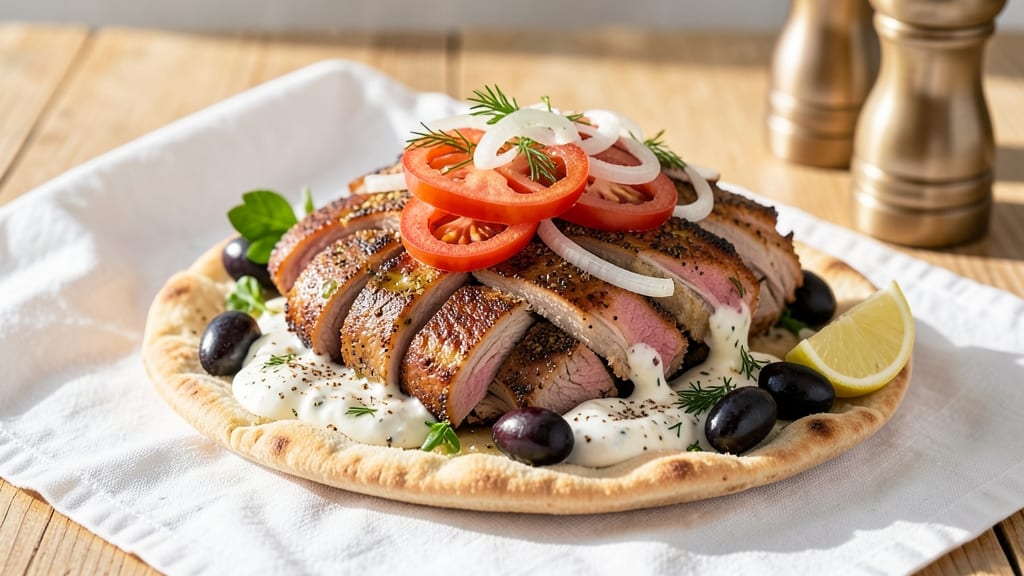
This authentic Greek pork gyros recipe brings the vibrant flavors of Athens to your kitchen, where tender, spiced pork meets warm pita and fresh Mediterranean toppings. ✨ I've spent years perfecting the balance of warm spices—cinnamon, oregano, and allspice—that define true gyros flavor, ensuring every bite delivers that signature smoky-sweet taste.
The secret lies in marinating the pork overnight, allowing the spices to penetrate deeply and transform tough cuts into melt-in-your-mouth perfection.
The recipe begins with a foolproof marinade that combines olive oil, lemon juice, and a blend of ground spices, creating a flavor profile that's both aromatic and complex.
Once marinated, the pork is grilled or cooked on a vertical rotisserie (or even a cast-iron skillet) until it develops a caramelized crust while staying juicy inside. This method ensures the meat stays tender, even when sliced thin for serving. The result?
Pork that practically falls apart at the touch, releasing layers of savory, slightly sweet, and herby flavors.
Assembling your gyros is where the magic happens—warm, soft pita bread cradles the spiced pork, topped with crisp tomatoes, cool cucumbers, and a dollop of tangy tzatziki. The contrast of temperatures and textures makes every bite unforgettable.
Whether you're serving this as a casual street-food-style meal or a restaurant-worthy dinner, the authenticity shines through in every detail. The key is keeping the components fresh and vibrant, so the flavors sing together.
This recipe serves four, making it perfect for family dinners or gatherings where you want to impress without spending hours in the kitchen. The marinade can be prepped ahead, and the cooking process is streamlined for efficiency.
Once you taste the difference between store-bought gyros and this homemade version, you'll never go back. Let's get cooking—your taste buds are about to travel to Greece!
Ingredients for authentic greek pork gyros
Spiced pork, warm pita, and fresh Mediterranean toppings—this is your ticket to authentic Greek flavors.
| Ingredient | Amount | Notes |
|---|---|---|
| Boneless Pork Shoulder 🥩 | 2 lb | Cut into 1-inch cubes |
| Extra-Virgin Olive Oil 🫒 | ½ cup | For marinade and grilling |
| Fresh Lemon Juice 🍋 | ¼ cup | Freshly squeezed |
| Ground Cinnamon 🌿 | 1 tbsp | Key for authentic flavor |
| Dried Oregano 🍃 | 1 tbsp | Greek oregano preferred |
| Ground Allspice 🌶️ | 1 tsp | For warm, aromatic depth |
| Garlic Cloves 🧄 | 6 cloves | Minced for marinade |
| Salt 🧂 | 1 ½ tsp | Diamond Crystal preferred |
| Black Pepper 🌶️ | ½ tsp | Freshly ground |
| Pita Bread 🍞 | 4 whole | Warm, soft pita |
| Fresh Tomatoes 🍅 | 1 lb | Diced for topping |
| Cucumber 🥒 | 1 whole | Thinly sliced for crunch |
| Red Onion 🧅 | 1 whole | Thinly sliced for sharpness |
| Tzatziki Sauce 🥛 | 1 cup | Store-bought or homemade |
The pork shoulder is the star here—it's forgiving and full of flavor. Look for well-marbled cuts at your local butcher or Costco for the best value. If you can't find pork shoulder, pork butt works just as well. The spices are non-negotiable: Greek oregano gives that distinct Mediterranean kick, while cinnamon and allspice add warmth. I always buy my spices in small quantities from Penzeys or the bulk bins at Whole Foods—freshness matters. The marinade should smell like a Greek taverna when you're done mixing it.
No fresh oregano? Dried oregano at one-third the amount works in a pinch, but it won't be quite the same. Short on lemon juice? Substitute with apple cider vinegar, but reduce to 2 tablespoons—it's tangier. For the pita, Trader Joe's or local bakeries have the best warm, soft options. If you can't find fresh tomatoes, canned San Marzano tomatoes (drained and diced) add a similar sweetness. The tzatziki? Store-bought works fine, but if you're feeling fancy, blend yogurt, cucumber, garlic, and lemon juice for a restaurant-quality version.
Marinate the pork overnight for maximum flavor—it's worth the wait. The pita stays fresh for 2 days if wrapped in a clean towel, but warm it in a dry skillet for 30 seconds before serving. Leftover pork reheats beautifully in a skillet with a splash of water. Store any extra marinade in the fridge for up to 1 week—it makes a great dip for extra pita. The toppings should be prepped right before serving so they stay crisp.
Why You'll Love This Recipe
- No-Fuss Prep: I swear by this—just slice the pork shoulder thin, rub it with olive oil, cinnamon, and oregano, then let the grill do the work. No marinating overnight, no fancy prep. Honestly, I’ve made it while waiting for dinner to be ready.
- Taste Like Home: That first bite? Juicy, tender pork with a whisper of lemon and warm cinnamon—it’s the kind of flavor that makes you pause mid-chew. The oregano and olive oil give it that unmistakable Greek vibe without tasting like a tourist trap.
- Lunchbox Hero: Between us, these are my go-to for meal prep. Shred the cooked pork, toss it with a little more lemon, and pack it in pita with tzatziki or just plain yogurt. My kids (and my husband) fight over it—no complaints, ever.
- Budget Stretch: Pork shoulder is cheap, and this recipe stretches it far. A single cut feeds four for dinner, then two more for leftovers that taste just as good cold in wraps the next day. Not the prettiest, but the taste makes up for it—and so does the wallet.
Step-by-step instructions for authentic Greek pork gyros
Here's the method that delivers restaurant-quality gyros with tender, flavorful meat every time.
🍳 Step 1: Marinate the Pork Shoulder for Maximum Flavor
Cut the 2 lb boneless pork shoulder into 1-inch cubes and place them in a large bowl. In a separate bowl, whisk together the 0.5 cup extra-virgin olive oil, 0.25 cup fresh lemon juice, 1 tbsp ground cinnamon, 1 tbsp dried oregano, 1 tsp ground allspice, 1.5 tsp salt, 0.5 tsp black pepper, and the 6 minced garlic cloves. Pour this marinade over the pork cubes, ensuring every piece is well-coated.
Cover the bowl tightly with plastic wrap and refrigerate for at least 4 hours (overnight is even better). The marinade needs time to penetrate the meat, breaking down the fibers and infusing it with those warm, aromatic spices that define authentic Greek flavor. I like to give it the full overnight treatment—it makes a world of difference in the tenderness and depth of flavor.
🔥 Step 2: Cook the Marinated Pork on High Heat
Preheat your grill or grill pan to high heat—you want it as hot as possible for that classic gyro sear. Remove the pork from the marinade (reserve the marinade for basting) and thread the cubes onto skewers if using, or arrange them directly on the grill in a single layer. Cook for 8-10 minutes, turning occasionally, until the pork develops a deep golden-brown crust and is cooked through to an internal temperature of 160°F.
Here's the thing—don't crowd the grill. If you pile the meat too tightly, it'll steam instead of sear. I like to work in batches if needed, keeping the cooked pork warm in a 200°F oven while I finish the rest. Every so often, baste the pork with the reserved marinade using a basting brush—this keeps the meat juicy and adds another layer of flavor.
👨🍳 Step 3: Prepare the Fresh Vegetable Toppings
While the pork cooks, prepare the fresh toppings. Dice the 1 lb fresh tomatoes into small chunks, thinly slice the whole cucumber into half-moons, and slice the whole red onion into thin rings. I like to soak the onion slices in ice water for 5 minutes before draining and patting dry—this mellows their sharpness and makes them more palatable when eaten raw.
Keep these toppings separate until serving. The acidity from the tomatoes and the crunch from the cucumber and onion will cut through the richness of the pork and tzatziki beautifully. This is where the freshness comes in—don't skip the ice water soak on the onions. It's a little trick that makes a big difference in the final bite.
🥘 Step 4: Assemble the Gyros with Warm Pita
Warm the 4 whole pita breads by placing them on a baking sheet and heating in a 350°F oven for 3-5 minutes until soft and pliable. Spread ¼ cup of tzatziki sauce on each pita half. Now, here's where it gets fun—pile the cooked pork onto the pita, then top with the fresh tomato, cucumber, and red onion slices. The warm pita will help meld all the flavors together, creating that perfect handheld experience.
I always serve gyros immediately, but if you need to hold them, keep the assembled gyros in a warm oven (200°F) until ready to serve. The combination of warm pita, cool tzatziki, and fresh vegetables with the tender, spiced pork is what makes this dish so irresistible. Don't forget to serve with extra tzatziki on the side—it's the perfect dip for soaking up all those delicious juices!
Pro Tips For Making Authentic Greek Pork Gyros
- CRANK THE HEAT THEN DROP: I learned this the hard way—pork shoulder needs a screaming-hot start (450°F) for that crispy crust, then you lower it to 325°F to render fat and tenderize. If you go slow from the start, you’ll end up with dry, flavorless meat that’ll fall apart when you slice it thin.
- GRIND THE CINNAMON FINE: Store-bought ground cinnamon has chunks that sit like sandpaper in your meat. Pulse it in a spice grinder or crush it with the flat side of a knife—this ensures it dissolves into the pork, not your teeth. (Yes, even if you’re impatient like me.)
- LEMON JUICE AFTER RESTING: Add the lemon juice after the meat rests, not during marinating. The acid breaks down the protein too fast, making the meat mushy when cooked. Squeeze it in right before serving—it’ll brighten the flavors without ruining the texture.
- SLICE AGAINST THE GRAIN: Cut the cooled meat perpendicular to the grain—thin slices (¼-inch) that fan out when stacked. If you slice with the grain, you’ll get chewy, tough bites that’ll make your guests groan. (Your future self will thank you for this.)
Make-ahead tips for leftovers
Marinade Prep
Prep the marinade the night before—this is my golden rule for gyros. Mix all ingredients in a bowl, then store in an airtight container in the fridge. The spices need at least 4 hours to work their magic, but overnight is ideal for maximum tenderness.
I like to use a glass jar with a tight lid to keep the aromas sealed in—it makes the whole kitchen smell like a Greek taverna. 🌿
Pork Pre-Cooking
Cook the pork completely in advance and store it in the fridge for up to 3 days. This is perfect for meal prep—simply reheat in a skillet with a splash of water over medium heat for 3-4 minutes until warmed through.
The key is to keep the meat moist, so avoid high heat that can dry it out. I often double the batch and freeze half for future lazy dinners. ❄️
Pita Storage
Warm pita breads can be stored in a paper bag at room temperature for up to 2 days. To refresh them, simply warm in a dry skillet over medium heat for 10-15 seconds per side until soft again.
For longer storage, wrap individually in plastic wrap and freeze for up to 1 month. Thaw at room temperature before using. Pro tip: I keep a stash of frozen pita in my freezer—just grab and go when I'm short on time. 🍞
Topping Prep
Prep all toppings the day before and store in separate airtight containers in the fridge. The tomatoes and cucumbers will stay fresh for 3-4 days, while the onions can be prepped 5 days ahead.
The ice water soak on onions can actually be done the night before—just drain and pat dry before using. This saves you time on serving day and keeps everything crisp. 🥒
Assembly Shortcuts
For quick assembly, keep the cooked pork and tzatziki in separate containers. When ready to serve, simply warm the pita, add the pork, and let guests customize their own toppings. I like to set up a gyro bar with small bowls of each topping—it's fun and interactive!
If you're serving a crowd, pre-assemble the gyros and keep them in a warm oven (200°F) until serving to maintain freshness. 👨🍳
Freezer-Friendly Pork
Cooked pork can be frozen in single-serving portions for up to 3 months. Thaw overnight in the fridge, then reheat in a skillet as mentioned earlier. The marinade can also be frozen in ice cube trays for easy portioning—just thaw and use as needed.
This is my go-to method for busy weeks when I don't have time to prep from scratch. 💫
Nutrition facts
Frequently asked questions
Can I use chicken or lamb instead of pork for gyros?
Chicken works beautifully—use bone-in, skin-on thighs for juiciness, and reduce marinating time to 2-3 hours since chicken cooks faster. For lamb, opt for shoulder or leg and marinate for 6-8 hours for maximum tenderness. The spice blend remains the same, but adjust cooking times: chicken to 150°F internal temp, lamb to 145°F.
How do I get the perfect gyro crust without a grill?
Use a cast-iron skillet on high heat—it mimics grill searing perfectly. For extra crust, sear the pork in batches, then finish under a broiler for 1-2 minutes for a caramelized top. A grill pan also works well, just keep the heat high and avoid overcrowding. The key is high heat + minimal oil to create that signature crust.
What's the best way to keep pita warm for serving?
Wrap pita in a clean kitchen towel and place in a 200°F oven for up to 30 minutes. For quick warming, toast in a dry skillet over medium heat for 10 seconds per side. Never microwave—it makes pita soggy. Pro tip: Keep a small oven light on to maintain warmth while assembling gyros.
Can I make the marinade without cinnamon or allspice?
Yes! Replace 1 tbsp cinnamon with ½ tsp ground cloves + ½ tsp cardamom for warmth. Skip allspice and add ½ tsp smoked paprika instead. The marinade will still be delicious—these spices just add depth that's hard to replicate. For a simpler version, double the oregano to 2 tbsp.
How do I fix dry gyro meat?
Dryness usually means overcooking or insufficient marinating. For next time, marinate overnight and cook to 160°F internal temp. To salvage dry meat: slice thinly, reheat in a skillet with 2 tbsp water + 1 tbsp olive oil over low heat for 5 minutes, then baste with reserved marinade. The moisture will revive the texture.