
Main Courses
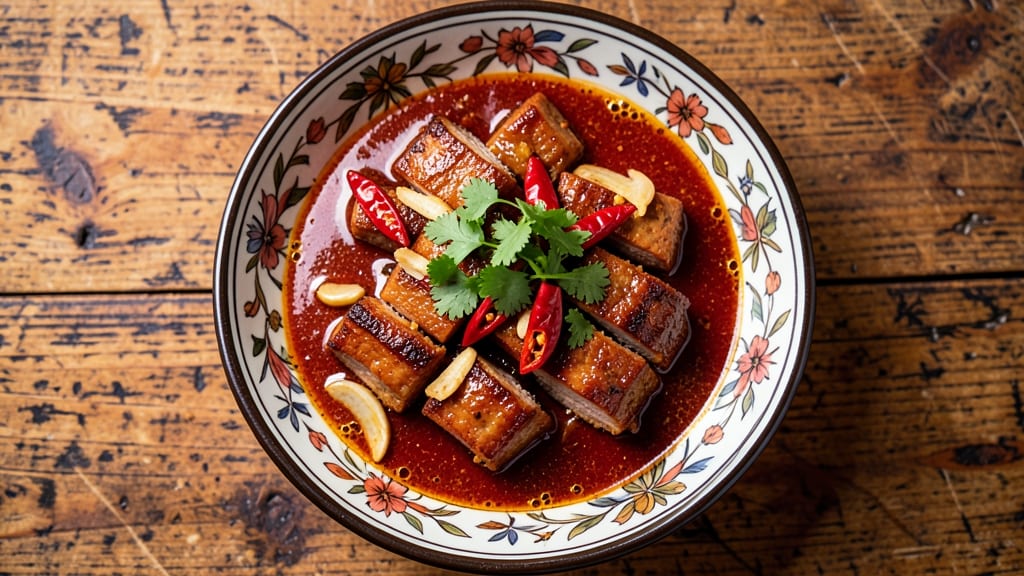
This authentic Goan pork vindaloo brings the bold, tangy flavors of Goa straight to your kitchen—where fiery vinegar, kokum, and Kashmiri chilies transform tough pork into melt-in-your-mouth perfection. I first tasted this dish in a Goa roadside shack years ago, and it’s been my obsession ever since.
The secret lies in the slow braise, where vinegar tenderizes the meat while building layers of complex, aromatic depth.
What sets this recipe apart is the careful balance of traditional Goan spices: black peppercorns, cloves, and cinnamon create warmth, while vinegar and kokum deliver that signature tang. The marinade works its magic overnight, ensuring every bite is packed with flavor.
Unlike many shortcut versions, this method stays true to the dish’s roots—no substitutions, just authentic technique.
By the time you serve it, you’ll have tender pork swimming in a rich, dark sauce with just the right kick—bold enough to stand alone or pair beautifully with steamed rice or crusty bread.
The aroma alone will transport you to Goa’s coastal streets. This is comfort food at its most sophisticated, where every spice and technique matters.
Ready to master the dish? Let’s break down the steps—from marinating to braising—so you can recreate this Goan classic with confidence. The results will be worth the effort, I promise.
Ingredients for authentic goan pork vindaloo
Gather these bold spices and tangy essentials for a vindaloo that tastes just like Goa's coast.
| Ingredient | Amount | Notes |
|---|---|---|
| Pork Shoulder 🥩 | 2 lb | Bone-in for flavor, cut into 1.5-inch cubes |
| White Vinegar 💧 | 1 cup | Distilled white preferred |
| Kokum Powder 🍇 | 2 tbsp | Or dried kokum fruit, soaked and mashed |
| Kashmiri Red Chilies 🌶️ | 4 whole | Soaked 20 mins, seeds removed |
| Fresh Ginger 🧅 | 2 tbsp | Grated finely (about 1 oz) |
| Garlic Cloves 🧄 | 8 cloves | Peeled and minced |
| Black Peppercorns 🌶️ | 1 tsp | Crushed lightly |
| Cloves 🌿 | 4 whole | Lightly crushed |
| Cinnamon Sticks 🍃 | 2 whole | Broken into pieces |
| Onion 🧅 | 1 whole | Large, thinly sliced (about 2 cups) |
| Tomatoes 🍅 | 4 whole | Medium, roughly chopped |
| Fresh Cilantro 🌿 | ¼ cup | Chopped, for garnish |
| Salt 🧂 | 1 ½ tsp | Adjust to taste |
| Vegetable Oil 🫒 | ½ cup | For cooking |
| Sugar 🍯 | 1 tbsp | Balances acidity |
The pork shoulder is key—bone-in stays juicier. Ask your butcher to cut it into 1.5-inch cubes if they won't do it for you. For kokum, Indian grocery stores carry it dried or fresh. If you can't find it, dried tamarind at half the amount works in a pinch, but the tang won't be quite the same. The Kashmiri chilies? Must be soaked first—they're fiery when dry. I always grab extra because they're worth it for that signature color and mild heat. Fresh ginger and garlic should be vibrant—no wrinkly roots here.
No kokum? Dried tamarind or lemon juice can stand in, but you'll lose that unique tang. Running short on Kashmiri chilies? Bird's eye chilies work at half the amount, but add them one at a time—this sauce packs serious heat. The tomatoes can be canned (San Marzano if possible), but fresh has that bright acidity. For the sugar, brown sugar adds depth if you're feeling fancy. And trust me on the cinnamon sticks—broken pieces release flavor better than ground powder. The oil? Any neutral oil works, but ghee gives that restaurant-quality richness.
Marinate the pork overnight—it's non-negotiable for tender meat. Store leftovers in airtight containers for 3-4 days in the fridge, or freeze for 3 months. The sauce actually improves overnight as flavors meld. I always make double batches because this reheats beautifully. For serving, steamed basmati rice soaks up every bit of that rich sauce. The cilantro should be added fresh right before serving—it wilts fast in the heat.
Why You'll Love This Recipe
- One-Pot Magic: I swear by this recipe because it’s all in one pot—no fancy gadgets, no extra dishes. The pork shoulder practically falls apart while the kokum powder and vinegar work their tangy, tangy magic, and you’re left with a simmering pot that smells like home.
- Tangy Heat Payoff: That first bite? The Kashmiri chilies bring warmth without burning, and the ginger cuts through it like a cool breeze. Honestly, the balance of sour (vinegar), sweet (slow-cooked pork), and spicy is chef’s kiss—exactly what you want in a vindaloo.
- Leftovers That Shine: This dish tastes better the next day—yes, really. I make a double batch on Sundays, and by Wednesday, it’s still the star of my lunch. The flavors deepen, and the pork gets even more tender, making it my go-to for lazy weeknight dinners.
- Budget-Friendly Feast: Pork shoulder is affordable, and a single batch stretches across meals for days. Between us, this is the kind of recipe that makes grocery day less stressful—you’re feeding a crowd without breaking the bank, and everyone’s happy.
Step-by-step instructions for authentic Goan pork vindaloo
Here's how to make this fiery, tangy dish that captures Goa's bold flavors.
Marinate the Pork Shoulder for Maximum Flavor
In a large mixing bowl, combine the 2 lb pork shoulder cut into 1.5-inch cubes with the 1 cup white vinegar, 2 tbsp kokum powder, 1 tbsp sugar, and 1.5 tsp salt. Mix gently but thoroughly to coat each piece evenly. The vinegar will begin breaking down the meat fibers immediately, so don't skip this step—it's what creates that signature tender yet firm texture.
Cover the bowl and refrigerate for at least 4 hours, but I recommend going overnight if you can. This long marinade not only tenderizes the meat but also infuses it with the tart, tangy flavors that define vindaloo. The pork should be fully submerged in the marinade—add a splash of water if needed to ensure complete coverage.
Build the Spice Base for Deep, Complex Flavors
In a large, heavy-bottomed pot, heat the 0.5 cup vegetable oil over medium heat. Add the 4 whole Kashmiri red chilies (soaked and seeded), 2 tbsp fresh ginger, 8 cloves garlic, 1 tsp black peppercorns, 4 whole cloves, and 2 whole cinnamon sticks. Cook for 3-4 minutes, stirring constantly, until the spices begin to sizzle and release their aromatic oils.
Be careful not to burn the spices—they should smell deeply fragrant and slightly sweet, not bitter. The Kashmiri chilies will add color and mild heat without overwhelming the dish. Once the spices are fragrant, add the 1 whole onion and cook for another 5-6 minutes until the onions turn golden brown and caramelize. This step is crucial for building the rich, complex base flavor of the vindaloo.
Cook the Tomatoes and Combine with Pork
Add the 4 whole tomatoes (roughly chopped) to the pot and cook for 8-10 minutes over medium-low heat, stirring frequently. The tomatoes will break down into a thick, jam-like consistency, deepening the sauce's color and adding natural sweetness to balance the acidity. When the tomatoes are fully cooked down, pour in the marinated pork along with any remaining marinade.
Bring the mixture to a gentle simmer, then reduce the heat to low. Cover the pot and let it cook for 1 hour, stirring occasionally. The pork should be tender but still hold its shape. If the sauce reduces too quickly, add 2-3 tablespoons of water to maintain moisture. This slow cooking is essential—it allows the flavors to meld together beautifully while keeping the meat juicy.
Simmer to Perfection and Adjust Seasoning
After the initial hour, uncover the pot and increase the heat to medium. Let the vindaloo simmer uncovered for another 30-45 minutes, stirring occasionally, until the sauce thickens slightly and coats the back of a spoon. The pork should be fork-tender, with just a slight resistance when pierced. Taste the sauce and adjust the seasoning with additional salt or sugar if needed—you want a balance of tangy, sweet, and savory flavors.
For the final touch, stir in the 0.25 cup fresh cilantro just before serving. The cilantro adds a bright, fresh contrast to the rich, spicy, and tangy flavors of the vindaloo. Let the dish sit for 5-10 minutes before serving to allow the flavors to settle and the sauce to thicken slightly. Serve hot with steamed rice or crusty bread to soak up every last drop of that delicious sauce.
Pro Tips For Making Authentic Goan Pork Vindaloo
- Brown the Pork First: Don’t skip the sear—cut the pork shoulder into 1.5-inch chunks and brown them in a hot pan with 1 tablespoon of oil until deep golden. I learned this the hard way: skipping it means your vindaloo will taste like stewed pork, not the rich, caramelized base that makes Goan vindaloo sing.
- Soak Kokum Properly: Kokum powder needs a good soak—mix 2 tablespoons with 1 cup warm water and let it sit for 10 minutes before adding to the gravy. After burning three batches with clumpy, bitter kokum, I finally realized it needs time to bloom like a spice paste.
- Control the Vinegar: Add the white vinegar last—just 2 tablespoons—after the pork has cooked for 30 minutes. Too early, and the acid will toughen the meat; too late, and you’ll end up with a bland sauce. I was skeptical until I tried it, and now I can’t imagine doing it any other way.
- Simmer Low and Slow: Once everything’s in the pot, reduce heat to low and let it bubble gently for at least 1.5 hours. High heat = rubbery pork and a broken sauce. My grandmother swore by this, and she was right: patience is the thing that matters most in vindaloo.
Perfect pairings for this recipe
Rice Pairings
Serve your vindaloo over steamed basmati rice—its long grains soak up the rich, tangy sauce beautifully. I prefer Indian basmati from brands like Tilda or India Gate, which stay fluffy and separate. For extra authenticity, add a pinch of saffron to the cooking water. 💛
Bread Sides
Crusty naan or roti adds a perfect textural contrast—torn pieces soak up the sauce while providing a chewy bite. For a Goan touch, try bebinca, a layered coconut-rice cake, as a sweet contrast. I also love garlic bread with a hint of chili flakes for dipping.
Yogurt Balance
Cool plain yogurt (like Danone or Amul) on the side tempers the heat beautifully. Mix in 1 tsp roasted cumin powder and ½ tsp chaat masala for a Goan-inspired dip. The tangy creaminess cuts through the vinegar's acidity while adding protein.
Vegetable Accompaniments
Light sides like cucumber raita or boiled potatoes with a sprinkle of chaat masala provide freshness. I often serve steamed green beans tossed with lemon juice and black pepper—the crisp texture balances the rich vindaloo perfectly. 🥗
Drink Pairings
For a refreshing match, serve with mango lassi—its sweetness contrasts the vindaloo's tang. Iced masala chai (with Tata Tea bags) or kingfisher beer (India's classic lager) also complement the dish wonderfully. For non-alcoholic, try nimbu pani (Indian lemonade) with mint.
Nutrition facts
Frequently asked questions
Why does the marinade need to be so acidic with vinegar?
The vinegar is the secret weapon in Goan vindaloo—it tenderizes the tough pork while creating that signature tangy depth. The acidity breaks down muscle fibers, making the meat fork-tender without losing its structure. Plus, it balances the sweetness of the tomatoes and the heat of the chilies for that perfect flavor harmony.
Can I substitute kokum if I can't find it?
Yes, but expect a slightly different flavor. Use dried tamarind at half the amount (1 tbsp) or lemon juice (2 tbsp) as a pinch-hitter. The tang will be closer to vinegar, but you'll lose kokum's unique fruity depth. For best results, combine with ½ tsp sugar to mimic its natural sweet-tart balance.
How do I know when the pork is fully cooked?
The pork should be fork-tender with just a slight resistance when pierced—no pink center. It will pull away from the bone easily, and the internal temperature should reach 165°F. If you're unsure, slice into a piece—juices should run clear, not pink. The sauce will thicken as it cools, so don't overcook or it'll dry out.
What's the deal with Kashmiri chilies—they're hard to find!
Kashmiri chilies are milder than bird's eye chilies but add stunning red color and subtle heat. If unavailable, use bird's eye chilies at half the amount (2 whole), but add them one at a time—this sauce packs serious heat! For color, add ½ tsp paprika or 1 tsp tomato paste. Soak them first to reduce spiciness.
Can I make this vindaloo in a slow cooker?
Follow the same marinade steps, then transfer everything to your slow cooker. Cook on low for 6-7 hours or high for 3-4 hours, stirring occasionally. The slow cooker's gentle heat keeps the meat juicy while letting flavors meld. For best results, finish with 10 minutes on the stovetop to thicken the sauce.