
Main Courses
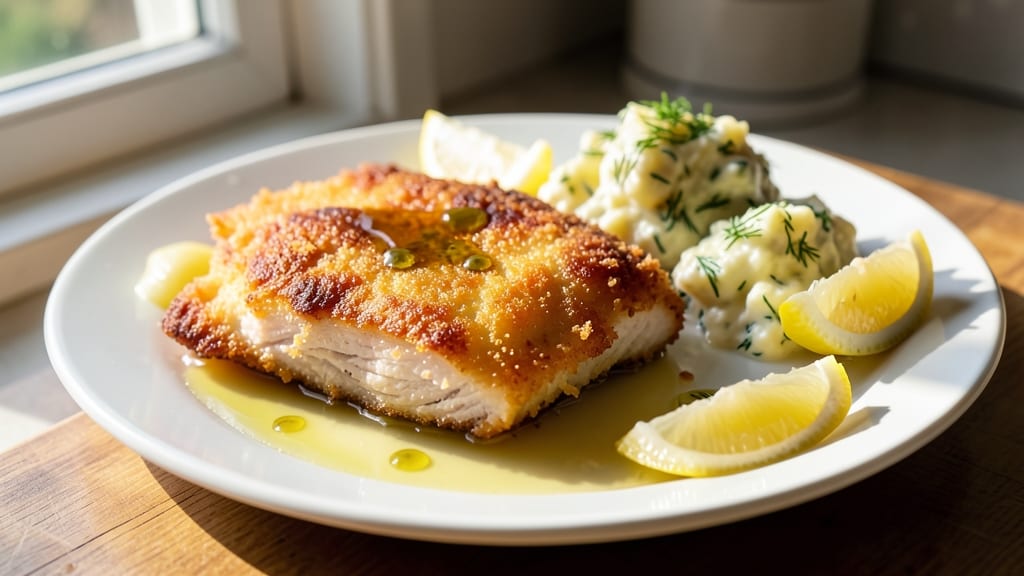
This authentic German pork schnitzel delivers the crispy, golden perfection that makes it a classic. 🔥 I remember the first time I tasted it in Munich—thin-cut pork, perfectly breaded, and fried to a shatteringly crisp finish while staying juicy inside.
The secret lies in using quality pork cutlets, a proper breading station, and high heat for that signature crunch.
What sets this recipe apart is the traditional method: flour, beaten egg, and fine breadcrumbs create a light, crispy crust without deep-frying. I've perfected the pan-frying technique using clarified butter to achieve that golden-brown exterior while keeping the meat tender.
The key is working quickly and maintaining consistent heat throughout the process.
By the time you serve this schnitzel, you'll have a dish that's restaurant-quality at home—crispy edges that shatter with each bite and juicy, flavorful pork underneath. The aroma alone will have everyone at the table anticipating that first forkful.
Serve with classic sides like German potato salad or a fresh cucumber salad to complete the meal.
This recipe is designed to impress whether you're cooking for a special occasion or simply craving a taste of Germany. The technique is straightforward, but the results are undeniably authentic. Let's get started on making your schnitzel the star of dinner.
Ingredients for authentic german pork schnitzel
Quality pork cutlets, crispy breading, and clarified butter—this is how you nail authentic German schnitzel every time.
| Ingredient | Amount | Notes |
|---|---|---|
| Pork Cutlets 🥩 | 1 ½ lb | Thin-cut, pounded to even thickness |
| All-Purpose Flour 🌾 | 1 cup | Fine, sifted for smooth coating |
| Large Eggs 🥚 | 2 whole | Room temperature, beaten |
| Fine Breadcrumbs 🍞 | 2 cups | Panko-style for extra crispiness |
| Clarified Butter 🧈 | 1 ½ cups | For high-heat frying |
| Salt 🧂 | 1 ½ tsp | Diamond Crystal kosher salt |
| Ground Black Pepper 🌶️ | ½ tsp | Freshly cracked |
| Lemon Wedges 🍋 | 4 whole | For serving |
| Fresh Parsley 🌿 | ¼ cup | Chopped, for garnish |
| Vegetable Oil 🫒 | ½ cup | High smoke point for preheating |
| Paprika 🌶️ | 1 tsp | Smoked, for breading |
The pork cutlets are non-negotiable. Look for thin-cut pork loin chops—the uniform thickness ensures even cooking. Butcher shops or specialty meat counters often carry the best quality, but well-marked supermarket packages work too. Pound the cutlets to about ¼-inch thickness for that signature crispiness. If you can't find pre-cut thin slices, ask your butcher to slice a pork loin roast thinly for you. The key is consistency—uneven thickness means some pieces overcooking while others stay raw. Season both sides lightly with salt and pepper before breading, but don't overdo it—the breading will add enough flavor.
No clarified butter? Melted butter with the milk solids skimmed off works in a pinch, but regular butter burns too easily. Running out of breadcrumbs? Toasted panko mixed with a pinch of smoked paprika gives that extra crunch. The eggs should be at room temperature—cold eggs won't coat properly. For extra authenticity, add a pinch of garlic powder or onion powder to the breadcrumbs. If you're short on time, you can skip the lemon wedges for serving and just squeeze fresh lemon juice over the finished schnitzel—it cuts through the richness perfectly. And if you don't have smoked paprika, regular paprika will do, though it won't have that same deep, smoky flavor.
Keep your breading station ready: three shallow dishes for flour, beaten eggs, and breadcrumbs. Work quickly—once the pork hits the pan, it should cook for just 2-3 minutes per side until golden brown. The clarified butter should be hot but not smoking—350°F is ideal. Let the schnitzel rest for 2 minutes after frying to set the crust before serving. Store leftovers in the fridge for 2 days wrapped tightly in parchment paper to keep them crispy. For freezing, bread the schnitzel fully, then freeze on a tray before transferring to a bag—this prevents them from sticking together. Reheat in a skillet with a little butter for 1-2 minutes per side.
Why You'll Love This Recipe
- No-Fuss Breading: I swear by the three-step coat—flour, beaten egg, breadcrumbs—no fancy mix-ins needed. The secret’s in pressing the crumbs hard into the cutlets so they stay put, even when my kids "help" flip them.
- Crispy-Creamy Magic: That golden crust shatters at the first bite, but inside? Still juicy and tender. Clarified butter sizzling in the pan makes all the difference—no milk solids to burn, just pure, rich flavor every time.
- Weeknight to Dinner Party: Same recipe, different occasions. Toss it on the table with lemon wedges and a simple salad for Tuesday, or dress it up with parsley and a side of spaetzle for guests. It never feels like an effort.
- Budget Meal That Feeds: Pork cutlets stretch further than you’d think when pounded thin, and breadcrumbs are cheaper than takeout. Leftovers reheat beautifully—crispy again if you pan-fry them, or toss in a sandwich for lunch.
Step-by-step instructions for authentic German pork schnitzel
Here's how to create restaurant-quality schnitzel with a perfect golden crust and tender interior.
🔪 Step 1: Pound and Season the Pork Cutlets
Place each of the 1.5 lb pork cutlets between two sheets of plastic wrap. Using a meat mallet or rolling pin, pound them to an even ¼-inch thickness—this ensures even cooking and maximum crispiness. Real talk: don't skip this step. Uneven thickness leads to some pieces overcooked and others underdone.
Season both sides generously with 1.5 tsp salt and 0.5 tsp ground black pepper, pressing the seasoning into the meat so it adheres. I like to let them sit at room temperature for 15 minutes while I prepare the breading station—this small window makes all the difference in even cooking.
👨🍳 Step 2: Create the Three-Stage Breading Station
Set up three shallow bowls: one with the 1 cup all-purpose flour mixed with 1 tsp paprika, one with the 2 whole large eggs beaten until frothy, and one with the 2 cups fine breadcrumbs. I press the flour mixture into a fine sieve to eliminate lumps—smooth coating is key for that perfect crisp.
Dip each cutlet first into the flour mixture, shaking off any excess, then into the egg wash, letting any excess drip off, and finally into the breadcrumbs, pressing gently to adhere. Here's the thing—don't overcrowd your pan later. Work in batches if needed to maintain even frying temperatures.
🔥 Step 3: Fry to Golden Perfection
Heat 0.5 cup vegetable oil in a heavy skillet over medium-high heat until it shimmers but doesn't smoke—you're aiming for 350°F. Add the breaded cutlets in a single layer, being careful not to overcrowd. Fry for 3-4 minutes per side until the breading is deep golden brown and the internal temperature reaches 145°F.
Watch for the edges to turn golden brown and the breading to release easily from the pan—that's your signal. If you see any pieces browning too quickly, reduce heat slightly. The clarified butter will come into play later for finishing, but the initial crisp comes from the oil.
🍳 Step 4: Finish with Clarified Butter
Remove the schnitzel to a wire rack set over a paper towel-lined plate to drain excess oil. Here's where the magic happens: add 1.5 cups clarified butter to the same skillet over medium heat. As the butter melts, spoon it generously over each schnitzel, letting it soak into the breading for 1 minute—this creates that signature German restaurant shine.
Keep them warm in a 200°F oven while you finish the batch. The clarified butter removes any lingering oil taste while adding rich flavor without the risk of burning. This step is non-negotiable for authentic schnitzel—it's what separates home versions from restaurant-quality.
🍽️ Step 5: Serve with Classic Accompaniments
Transfer the schnitzel to serving plates and garnish immediately with the 0.25 cup fresh parsley and serve with the 4 lemon wedges. The lemon provides that bright contrast to cut through the richness. I like to serve with a simple potato salad or steamed vegetables to round out the meal.
Here's the final check: your schnitzel should have a deep golden crust that's crisp to the touch, with a juicy pink center that's still warm. If the center looks too pale, it needs just 30 more seconds in the butter. The breading should be evenly golden all over—no pale spots. That's your perfect schnitzel.
Pro Tips For Making Authentic German Pork Schnitzel
- Pound Thin, Not Fragile: German schnitzel needs to be paper-thin—about 1/8-inch—so it cooks fast and stays crisp. Use a rolling pin or meat mallet, but don’t go full-on sledgehammer; you’re aiming for even thickness, not ground pork. I learned this the hard way after my first batch split like wet cardboard.
- Rest the Meat First: Take your pork cutlets out of the fridge 30 minutes before pounding. Cold meat cracks under pressure, and you’ll end up with uneven pieces. Let it sit while you prep the flour-egg-breadcrumb station—your future schnitzel will thank you.
- Skip the Overcrowded Pan: Cook one schnitzel at a time in clarified butter, or you’ll steam them instead of sear. The butter should sizzle like a small wildfire—if it’s just bubbling, you’re doing it wrong. Yes, it takes longer, but that’s how you get the golden crust Germans insist on.
- Use Fine, Dry Breadcrumbs: German breadcrumbs for schnitzel aren’t the coarse, stale kind from a can. Toast fresh bread, grind it fine (a food processor works), and dry it overnight in the oven. Wet breadcrumbs = soggy crust. I was skeptical until I tried it—now I won’t go back.
Flavor customization for these flavors
Herb-Infused Variations
For a fragrant twist, add 1 tbsp fresh dill or thyme to your breadcrumbs—this works beautifully with the pork's natural flavor. I once made schnitzel with 1 tsp dried marjoram and a pinch of nutmeg for a warm, aromatic finish that felt like a taste of Bavaria.
The herbs add complexity without overpowering the crispy crust. 🌿
Spicy Kick Options
Craving heat? Mix ½ tsp cayenne pepper or 1 tsp smoked paprika into the flour before dredging. For a milder but still flavorful option, try ½ tsp garlic powder and ½ tsp onion powder combined with the paprika.
Trust me, the smoky-sweet contrast elevates the dish to new heights while keeping the traditional breading technique intact.
Cheesy Crust Twist
Swap half the breadcrumbs for ½ cup grated Gruyère or Parmesan cheese—this creates a rich, savory crust that melts slightly when fried. I've tested this with both sharp cheddar and Pecorino Romano, but Gruyère's nutty sweetness pairs best with pork.
Just be sure to press the cheese firmly into the breading so it adheres well.
Sweet & Tangy Glaze
After frying, brush the schnitzel with a mix of 2 tbsp honey and 1 tbsp Dijon mustard while it rests in the clarified butter. The sweet-tangy combo adds a restaurant-worthy finish that balances the crispy texture.
For extra flair, sprinkle with toasted sesame seeds before serving—this fusion twist keeps the dish authentic while adding unexpected depth.
Vegetable-Inspired Breadcrumbs
For a lighter option, blend 1 cup panko breadcrumbs with 2 tbsp finely chopped sun-dried tomatoes or 1 tbsp dried parsley. The concentrated flavors infuse the breading without altering the crispy texture.
I've also used 1 tsp dried oregano for a Mediterranean-inspired schnitzel that still feels true to its German roots.
Regional German Adaptations
In Bavaria, schnitzel often includes a touch of mustard powder in the breading. For a Swabian twist, add 1 tsp caraway seeds to the flour mixture—this earthy note complements the pork beautifully.
Each region has its own subtle variations, but the core technique remains the same: thin, crispy, and juicy. 🗺️
Nutrition facts
Frequently asked questions about authentic German pork schnitzel
What’s the best cut of pork for schnitzel?
Use pork loin cutlets—they're lean, tender, and perfect for pounding thin. Ask your butcher for ¼-inch thick slices or buy pre-cut pork loin chops. Avoid fatty cuts like pork shoulder—they won't stay crispy. For extra authenticity, look for "pork cutlets" labeled specifically for schnitzel.
Can I use chicken or veal instead of pork?
Yes, but the technique changes slightly. Chicken breasts need thinner pounding (⅛-inch) to cook through without drying out. Veal is traditional in some German regions but requires lower heat (325°F) to avoid overcooking. Pork remains the classic choice for its balanced texture and flavor.
Why is my schnitzel soggy instead of crispy?
Overcrowding the pan or frying at low heat causes soggy breading. Work in batches with medium-high heat (350°F) and use clarified butter for finishing. Also, pat the breaded cutlets dry before frying—excess moisture steams the breading. Let them rest 2 minutes on a wire rack to set the crust.
How do I make schnitzel ahead of time?
Bread the cutlets fully, then freeze them on a tray before transferring to a bag. Fry from frozen—just add 1 minute extra per side. For reheating, warm in a 375°F oven for 5 minutes with a splash of water to restore crispiness. Never microwave—it turns the breading rubbery.
What’s the secret to extra crispy breading?
Use panko-style breadcrumbs and press them firmly onto the cutlets. Chill the breaded schnitzel 15 minutes before frying to firm up the coating. For restaurant-style crisp, finish with clarified butter at the end—it adds shine and extra crunch. The key is high heat and patience—don't flip too soon!