
Main Courses
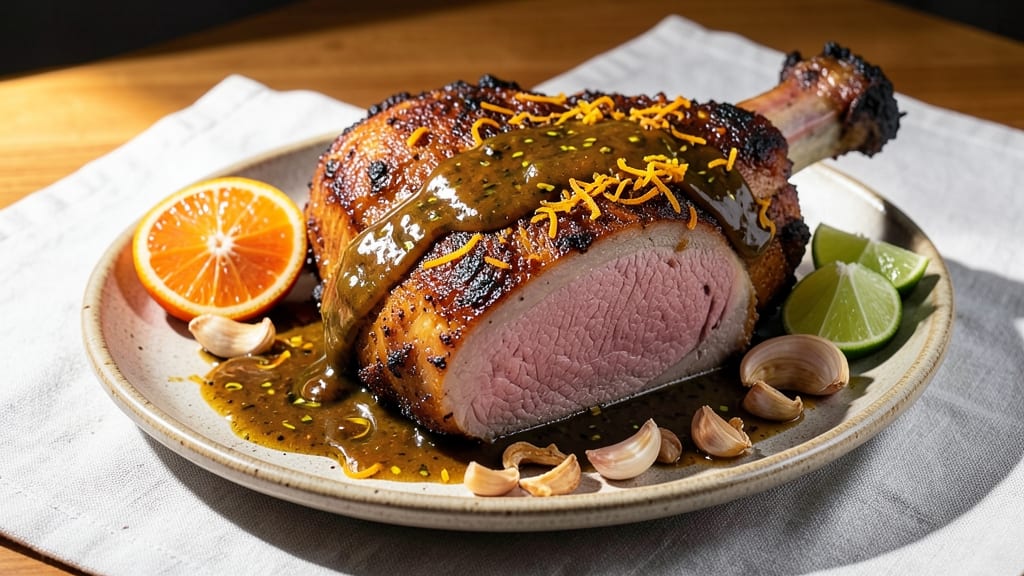
This authentic Cuban roast pork recipe brings the bold flavors of Havana straight to your kitchen, where slow-roasted tenderness meets citrus-kissed crisp edges. 🔥 I perfected this technique after years of studying traditional lechón asado—the secret lies in the garlic-mojo marinade and precise temperature control that keeps every bite juicy.
The aroma alone will transport you to a Cuban family gathering, where this dish takes center stage.
The magic begins with a marinade of garlic, citrus, and oregano that infuses the pork deeply while creating that signature caramelized crust. Unlike many recipes that rely on heavy spices, this version stays true to Cuban roots with bright, fresh flavors that balance the richness of the meat.
The slow-roasting process—about 3 hours at 300°F—ensures the pork remains moist and flavorful throughout, with a crisp exterior that shatters at every bite.
What you’ll end up with is restaurant-quality roast pork that’s tender enough to pull apart with your hands, yet holds its shape beautifully when sliced. The citrus notes cut through the richness, while the garlic and mojo create layers of savory depth.
This isn’t just a dish—it’s an experience that transforms any meal into a celebration.
Serve it with classic sides like black beans, yellow rice, and fried plantains for the full Cuban spread. The leftovers reheat beautifully, making this the perfect recipe for gatherings or a special Sunday dinner. Let’s get cooking—this is pork the way it was meant to be enjoyed.
Ingredients for authentic cuban roast pork
Six pounds of pork plus bright citrus and herbs for the ultimate Cuban roast experience.
| Ingredient | Amount | Notes |
|---|---|---|
| Pork Shoulder (Bone-in) 🍖 | 6 lb | Cut into 2-inch chunks for even cooking |
| Fresh Garlic Cloves 🧄 | 12 cloves | Minced finely for deep flavor infusion |
| Orange Juice 🍊 | 1 cup | Freshly squeezed, no pulp |
| Orange Zest 🍊 | 1 tbsp | Bright citrus flavor carrier |
| Lime Juice 🍋 | ½ cup | Freshly squeezed for tangy balance |
| Olive Oil 🫒 | ½ cup | Extra-virgin for richness |
| Dried Oregano 🌿 | 2 tsp | Mexican oregano preferred |
| Ground Cumin 🌿 | 1 tsp | Toasted for deeper aroma |
| Salt 🧂 | 2 tsp | Diamond Crystal preferred |
| Black Peppercorns 🌶️ | 1 tsp | Freshly cracked for texture |
| Bay Leaves 🌿 | 2 whole | Fresh for subtle herbal notes |
| Fresh Cilantro 🌿 | ¼ cup | Chopped, for garnish only |
| Fresh Limes 🍋 | 2 whole | For serving, cut into wedges |
The pork shoulder is the star here—bone-in stays juicier, and you'll find it pre-cut at Costco or your butcher shop. Look for good marbling (white flecks in the meat) for maximum flavor. Trader Joe's often carries excellent quality at a good price, and their pork shoulder is my go-to for this recipe. Fresh garlic is non-negotiable—pre-minced loses flavor fast. If you're buying whole heads, grab an extra one; you'll want it on hand for other dishes too. The citrus needs to be fresh too—navel oranges work best for both juice and zest, and limes should be bright green with no soft spots.
No fresh oregano? Dried Mexican oregano is a must-have for authentic flavor—find it in the Latin foods aisle at Walmart or H-E-B. If you're in a pinch, regular dried oregano works at double the amount, but it won't be quite the same. The olive oil should be fruity and peppery—California Early Harvest is my favorite for this. For the citrus, if you can't find fresh limes, Key lime juice from a bottle works in a bind, though fresh is always better. The bay leaves can be dried, but fresh ones add a subtle herbal note that makes a difference. And trust me on the black pepper—freshly cracked makes this dish sing.
Store any leftover pork in an airtight container with a sprinkle of fresh lime juice—keeps it tender for 4 days in the fridge. For longer storage, freeze portions for up to 3 months. The marinade base (citrus, garlic, oil) can be prepped a day ahead and stored in a jar in the fridge. I like to make a double batch of the marinade—one for the pork, one to freeze for future use. The cooked pork reheats beautifully in a 350°F oven for about 20 minutes, covered with foil. Leftovers make amazing sandwiches or tacos the next day.
Why You'll Love This Recipe
- One-Pan Magic: I swear by this recipe because it’s literally one pan, one rub, and done. The bone-in shoulder stays juicy while the garlic and citrus work their flavor spell—no flipping, no fussing, just hands-off perfection.
- Citrus-Kissed Magic: That bright orange zest and fresh lime juice? It’s the secret weapon. The pork gets this tender, sticky glaze that’s sweet, tangy, and just a little smoky—like a Cuban café wrapped in your kitchen.
- Leftovers That Don’t Suck: Between us, most roast pork leftovers turn into sad, dry scraps. Not this. The meat stays so moist, I actually look forward to the next day’s sandwiches—crispy edges, juicy center, every bite a win.
- Budget Feast for Crowds: A bone-in pork shoulder stretches for days—tacos, sandwiches, even fried rice. Honestly, I’ve fed 10 people for under $20 with this, and no one ever complains about the flavor. That’s a victory.
Step-by-step instructions for authentic Cuban roast pork
Here's how to transform tough pork shoulder into tender, citrus-kissed perfection.
👨🍳 Step 1: Prep and Season the Pork Shoulder
Remove the pork shoulder from the fridge and let it sit at room temperature for 1 hour. This ensures even cooking. Pat it dry completely with paper towels—moisture is the enemy of crispy skin. I like to press firmly so every nook and cranny is dry.
In a small bowl, mix together 2 tsp salt, 1 tsp ground cumin, 2 tsp dried oregano, and 1 tsp freshly cracked black peppercorns. Rub this spice blend all over the pork shoulder, pressing it into the meat so it sticks. The spices should form a visible crust on the surface.
Now for the citrus magic: in a separate bowl, whisk together 1 cup orange juice, 0.5 cup lime juice, 0.5 cup olive oil, and 1 tbsp orange zest. Pour this marinade over the spiced pork, coating it completely. Let it sit at room temperature for 30 minutes while you prep the rest.
🔥 Step 2: Slow-Cook Until Fork-Tender
Preheat your oven to 300°F. Place the pork shoulder fat-side up in a roasting pan (the fat will baste the meat as it cooks). Add 2 whole bay leaves to the pan for subtle herbal depth. Roast uncovered for 3 hours—this is where the magic happens.
After 3 hours, check the internal temperature with a meat thermometer. It should read 160°F in the thickest part. If it's not there yet, continue cooking for another 30-60 minutes. The pork is done when it's fork-tender but still holds its shape—you'll see a beautiful pink smoke ring just beneath the crust.
Here's the thing—don't rush this step. The low and slow method breaks down collagen for incredible tenderness. If you peek too early, you'll lose heat and extend cooking time. Trust the process and let it work its magic.
🥘 Step 3: Create the Citrus Glaze
While the pork rests, make the glaze. In a small saucepan over medium heat, combine the remaining 0.5 cup lime juice (if any was left in the marinade bowl), 2 tbsp orange zest (double the original amount), and 1 tbsp olive oil. Simmer for 5 minutes until slightly thickened.
Strain the glaze through a fine-mesh sieve to remove any zest bits, then set it aside. This bright, tangy glaze will add the final citrus punch to your pork. The combination of orange and lime creates that signature Cuban flavor profile that makes this dish so special.
🔪 Step 4: Carve and Serve with Fresh Garnishes
Transfer the pork to a cutting board and let it rest for 15 minutes before carving. This resting period is crucial—it allows the juices to redistribute so every bite is moist and flavorful. Use a sharp carving knife to slice the pork into ½-inch thick slices against the grain.
Arrange the sliced pork on a platter and drizzle generously with the citrus glaze. Garnish with chopped 0.25 cup fresh cilantro and serve with 2 whole fresh limes cut into wedges. The bright green of the cilantro contrasts beautifully with the golden-brown pork, and the lime wedges add that final citrus zing.
This is where the authentic Cuban flavors really shine. The tender, juicy pork with its crispy exterior, kissed with citrus and herbs, is what makes this dish so special. Serve with black beans, white rice, and a simple green salad for a complete Cuban feast.
Pro Tips For Making Authentic Cuban Roast Pork
- CRANK THE OIL TO SMOKE: The pork shoulder needs a hot pan—get it sizzling before adding the garlic and citrus. I learned this the hard way; lukewarm oil just steams the garlic instead of crisping it, and your pork loses that deep, caramelized flavor from the start.
- ZEST FIRST, JUICE LATER: Toss the pork with orange zest before adding the juice—it clings to the meat like a second skin. I used to mix them together, and half the citrus flavor would pool at the bottom of the pan. Sounds weird, but it works: the zest infuses the pork directly, not just the sauce.
- DON’T BASTE WITH LIQUID: Use a pastry brush, not a splash of juice, to glaze the pork while roasting. I skipped this once and ended up with a soggy crust and a pan full of diluted citrus—no one wants that. Brush it on in thin layers every 30 minutes for a crispy exterior without turning the meat into a stew.
- LET IT REST UNDER FOIL: Take the pork off the heat at 195°F (not 203°F—it’ll keep rising) and tent it with foil for 15 minutes. I used to slice it immediately, and the juices would run out like a sad, overcooked mess. This step guarantees tender, juicy pulls that stay together—no one wants dry pork, even if it’s delicious.
Storing and reheating this dish
Refrigerator Storage
The key to keeping your Cuban roast pork tender is proper storage. Transfer any leftovers to an airtight container within 2 hours of cooking, while still warm.
The citrus marinade helps preserve moisture, so I like to add a fresh lime wedge to the container—this keeps the pork juicy for up to 4 days in the fridge. Store it uncovered for the first hour to let any excess moisture evaporate, then seal tightly. 🌿
Freezer Magic
For longer storage, freeze portions in quart-sized freezer bags with all the juices and glaze. Squeeze out excess air and label with the date—this pork stays delicious for up to 3 months. When ready to use, thaw overnight in the fridge.
I often freeze half the recipe right after cooking so I always have authentic Cuban flavors on hand for quick meals. The texture remains perfect when reheated properly.
Oven Reheating
My preferred method is reheating in a 350°F oven for 20-25 minutes, covered with foil. This gentle heat prevents drying out while reactivating those beautiful citrus and garlic flavors. Add 2 tablespoons of water or pork broth to the pan before reheating—this creates steam that keeps the meat moist.
For extra crispiness, broil for 2-3 minutes at the end. The pork should reach 165°F internal temperature before serving. 🔥
Microwave Shortcut
When you're short on time, use the microwave on 50% power for 2-3 minute intervals, stirring between each. Cover loosely with a damp paper towel to prevent drying. For 6 servings, expect about 8-10 minutes total.
The citrus glaze might separate slightly, so stir well before serving. This method works best for quick lunches or tacos—just add a squeeze of fresh lime to revive the flavors.
Citrus Boost
Before serving reheated pork, always give it a brightness boost with fresh citrus. Drizzle with 1 tablespoon of fresh lime juice and a pinch of salt to restore that restaurant-quality tang. Garnish with cilantro leaves and a sprinkle of toasted cumin for that authentic Cuban touch.
The acidity cuts through any potential dryness from reheating, making it taste almost as good as fresh. ✨
Make-Ahead Marinade
Prep the citrus marinade 2 days ahead and store it in a sealed jar in the fridge. The flavors actually deepen over time, making your pork even more aromatic. I like to double the batch—use half for the pork and freeze the other half for future roasts.
When ready to cook, simply bring the marinade to room temperature before using it on the pork. This time-saving trick ensures you're always ready for a Cuban feast. 💡
Nutrition facts
Frequently asked questions
Can I substitute bone-in pork shoulder with boneless?
Yes, but expect slightly different results. Bone-in pork stays juicier and develops better flavor from the marrow. If using boneless, trim excess fat and add 1 extra bay leaf to compensate for lost moisture. Cooking time may reduce by 20-30 minutes since boneless pork cooks faster. The texture will still be tender, just slightly less rich.
What's the secret to getting that perfect crispy exterior?
Dry the pork thoroughly before seasoning—this is non-negotiable! Pat it with paper towels until completely dry, then let it sit at room temperature for 1 hour before roasting. The spices should stick like glue to the surface. Roast uncovered at 300°F for the full 3 hours—this slow process builds layers of crispiness while keeping the interior moist.
How do I know when the pork is fully cooked?
Use a meat thermometer to check the thickest part—it should read 160°F internal temperature. The pork will pull apart easily with two forks but still hold its shape when sliced. Look for a pink smoke ring just beneath the crust, which indicates perfect doneness. If it's not quite there after 3 hours, add 30 more minutes—don't rush this step!
Can I make this in a slow cooker instead of the oven?
Place the seasoned pork in a slow cooker with 1 cup of water or broth (to prevent burning) and cook on Low for 8 hours or High for 5-6 hours. The texture will be slightly more tender, almost like pulled pork. For crispiness, transfer to a broiler-safe pan and sear for 5 minutes at the end. The citrus flavors will still shine through beautifully.
What are the best sides to serve with this roast pork?
For an authentic Cuban spread, serve with black beans (cooked with garlic, cumin, and smoked paprika), yellow rice (made with sofrito and annatto), and fried plantains. A simple mango or avocado salad adds freshness to balance the rich pork. The citrus notes in the pork pair perfectly with these classic sides, creating a complete meal experience.