
Main Courses
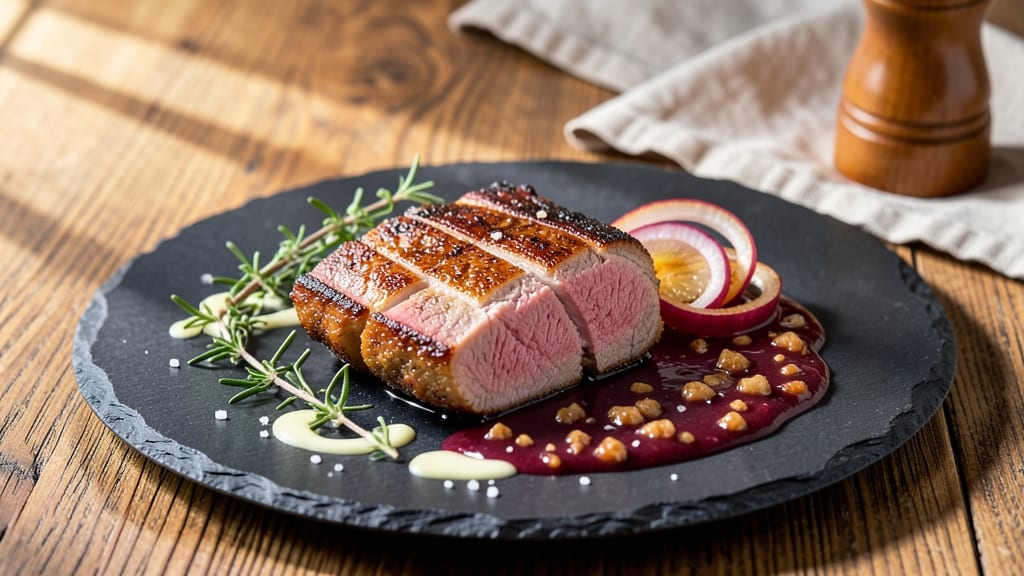
This au jus pork tenderloin recipe delivers restaurant-quality results with a crispy sear and rich, herbed gravy that elevates simple ingredients into an unforgettable meal. The secret lies in pan-searing the pork to a golden crust while capturing every drop of flavor in the pan—no fancy equipment required. I’ve perfected this technique over countless weeknight dinners, and it never fails to impress.
What sets this dish apart is the foolproof method for creating au jus from scratch, using just the pan drippings, aromatics, and a splash of broth. The pork stays tender and juicy while the sauce reduces to a velvety depth that coats every bite.
This is the kind of meal that transforms a weeknight into something special without demanding hours in the kitchen.
The result is a caramelized pork tenderloin with a crisp exterior and melt-in-your-mouth interior, served alongside a sauce so rich it’ll have everyone asking for seconds. The herbed gravy adds layers of flavor that balance the richness of the meat, making this dish both elegant and approachable.
It’s the perfect centerpiece for a family dinner or a cozy night in.
Pair it with roasted potatoes, green beans, or crusty bread to soak up every last drop of that golden sauce. Here’s how to make it—step by step, just like I do in my kitchen.
Ingredients for au jus recipe for pork tenderloin
Restaurant-worthy ingredients for a weeknight pork tenderloin with velvety au jus.
| Ingredient | Amount | Notes |
|---|---|---|
| Pork Tenderloin 🥩 | 1 ½ lb | Center-cut, trimmed of fat |
| Unsalted Butter 🧈 | ½ cup | Cold, cut into 1-inch cubes |
| Extra-Virgin Olive Oil 🫒 | 2 tbsp | For high-heat searing |
| Yellow Onion 🧅 | 1 whole | Medium, thinly sliced |
| Garlic Cloves 🧄 | 4 cloves | Peeled, smashed |
| Fresh Thyme Leaves 🌿 | ½ tsp | Or 1/4 tsp dried thyme |
| Fresh Rosemary 🌿 | 1 tbsp | Finely chopped |
| Beef Broth 💧 | 1 cup | Low-sodium preferred |
| Red Wine 🍷 | ½ cup | Dry, like Cabernet Sauvignon |
| All-Purpose Flour 🌾 | 1 tbsp | Diamond Crystal preferred |
| Salt 🧂 | 1 ½ tsp | Kosher, divided |
| Ground Black Pepper 🌶️ | ½ tsp | Freshly ground |
| Fresh Parsley 🌿 | ¼ cup | Chopped, for garnish |
The pork tenderloin should be center-cut and uniform in size—Whole Foods or ButcherBox carry excellent pre-trimmed cuts. If buying whole, trim any visible fat or silver skin for even cooking. For the butter, opt for unsalted to control seasoning precisely. Plugrá or Land O'Lakes are reliable brands. The red wine should be dry and bold—Cabernet Sauvignon or Merlot work best, but any dry red will elevate the sauce. Fresh herbs are ideal, but dried thyme and rosemary in one-third the amount will suffice if needed.
No red wine? Substitute an extra 0.5 cup beef broth—the acidity from a splash of balsamic vinegar helps replicate depth. For the flour, Diamond Crystal is lighter than other brands, so if using another, reduce to 0.75 tbsp. Fresh parsley can be swapped for cilantro if preferred, though parsley's brightness complements the herbed sauce. The beef broth should be low-sodium; Pacific Foods or Swanson are good choices. If you're using a pre-made au jus packet, skip the wine and beef broth entirely—just add the packet to the pan drippings.
Store the pork in the coldest part of your fridge for 1-2 days before cooking—this allows the meat to relax and stay tender. The herbs should be wrapped in damp paper towels and sealed in a bag for up to 5 days. The au jus reheats beautifully—simply warm on the stove over medium-low heat, stirring occasionally. For meal prep, portion the pork and sauce into separate containers; the sauce can be reheated independently and will thicken slightly. Leftovers keep for 3-4 days in the fridge or 3 months frozen.
Why You'll Love This Recipe
- One-Pan Magic: I swear by this recipe when I’m too tired to wash dishes. The pork sears right in the same pan where the au jus simmers—no extra pots, no fuss. Just slice, sear, deglaze, and boom: dinner’s ready before the kids even notice it’s not takeout.
- Rich Without Effort: That golden au jus? It’s all in the butter and onion—caramelized low and slow while the pork rests. Honestly, the first time I tasted it, I thought I’d overcooked the onions, but no: that deep, savory sauce is exactly what makes it ridiculous good.
- Leftovers That Don’t Suck: Between us, most pork tenderloin leftovers turn into sad, dry slop. Not this. The au jus keeps everything juicy for days, and I’ve reheated it in a skillet with a splash of broth—still tender, still packed with flavor. (Yes, even on a Tuesday night.)
- Budget-Friendly Feast: Pork tenderloin is lean but expensive, but this recipe stretches it. The au jus turns scraps into a second meal—just slice the leftovers thin, warm in the sauce, and serve with crusty bread. My wallet and my family thank me.
Step-by-step instructions for au jus pork tenderloin
Master this technique for restaurant-quality pork with crispy sear and rich herbed gravy.
Sear the Pork Tenderloin for Maximum Crispness
Pat the 1.5 lb pork tenderloin dry with paper towels—this is critical for achieving that golden crust. Season generously with 1 teaspoon of the 1.5 tsp salt and 0.25 tsp of the 0.5 tsp ground black pepper, focusing on all sides. Heat 2 tbsp extra-virgin olive oil in a heavy skillet over medium-high heat until shimmering.
Add the pork and sear for 4-5 minutes per side until developing a deep golden-brown crust. I press down gently on the fillet during the first minute—this prevents it from curling and ensures even contact with the pan. Remove the pork and set aside on a plate, tented loosely with foil to retain heat.
Build the Herb-Infused Pan Sauce
Immediately reduce heat to medium and add 0.5 cup cold unsalted butter cut into cubes. Let it melt completely, then add the 1 whole yellow onion and 4 smashed garlic cloves. Cook for 3-4 minutes until the onions soften and the garlic becomes fragrant—don't let it brown or it'll turn bitter.
Stir in the 1 tbsp finely chopped fresh rosemary and 0.5 tsp fresh thyme leaves, cooking for another 30 seconds to release their aromatic oils. This herb infusion forms the flavor base for your au jus. Keep the heat at medium to prevent burning while developing these delicate flavors.
Deglaze and Reduce for Depth of Flavor
Pour in the 0.5 cup dry red wine and scrape up all the browned bits from the bottom of the pan—this is where all the concentrated pork flavor resides. Let the wine simmer for 3-4 minutes until reduced by half, then add the 1 cup beef broth. Bring to a gentle simmer and let it reduce by one-third, about 5-6 minutes, until slightly thickened.
Sprinkle the 1 tbsp all-purpose flour over the sauce and whisk vigorously for 1-2 minutes until completely dissolved. This creates a smooth, velvety texture perfect for coating the pork. Taste and adjust seasoning with the remaining 0.5 tsp salt and 0.25 tsp black pepper—your au jus should be rich but balanced, not overly salty.
Finish the Pork and Create the Perfect Au Jus
Return the pork tenderloin to the skillet and spoon the sauce generously over it. Cover and let it cook on low heat for 4-5 minutes, basting occasionally with the sauce. This ensures the pork finishes cooking evenly while absorbing the herbed flavors. The internal temperature should reach 145°F—use a meat thermometer for accuracy.
Transfer the pork to a cutting board and tent with foil. Let it rest for 10 minutes—this crucial step allows the juices to redistribute, preventing them from running out when you slice. Skim any excess fat from the sauce in the skillet, then return it to low heat for another 2 minutes to thicken slightly. The au jus should coat the back of a spoon with a glossy sheen.
Serve with Herbed Gravy Perfection
Slice the pork tenderloin into ½-inch thick medallions against the grain for maximum tenderness. Arrange on a warm platter and drizzle generously with the au jus. Garnish with 0.25 cup chopped fresh parsley for a pop of color and freshness. The gravy should cling beautifully to each slice, enhancing rather than overwhelming the pork's natural flavor.
Serve immediately with roasted vegetables or mashed potatoes to soak up every last drop of that herbed au jus. The contrast between the crispy sear, tender pork, and rich sauce creates a harmonious balance that makes this dish unforgettable. Each bite should deliver perfect texture and depth of flavor—this is how you transform simple ingredients into something extraordinary.
Pro Tips For Making Au Jus Recipe For Pork Tenderloin
- Sear the Meat First: Don’t skip the initial sear—get that pork tenderloin screaming hot in olive oil for 2-3 minutes per side until it’s golden. I used to rush this, and the au jus would taste flat because the butter never had a chance to brown properly. A good crust locks in flavor and keeps the meat juicy.
- Deglaze Immediately: As soon as you pull the pork out, dump in that splash of red wine (or broth) right away—don’t let the butter cool. Scrape every bit of browned bits off the pan with a wooden spoon; those are pure flavor. I learned this the hard way when my au jus tasted pale and weak.
- Use Cold Butter: Toss in the unsalted butter at the very end, when the pan’s just simmering, not boiling. Cold butter emulsifies better into the au jus, giving it that silky, glossy finish. If you add it too early, you’ll end up with greasy separation—trust me, it’s a nightmare to fix.
- Strain the Jus: Line a fine-mesh sieve with cheesecloth or a coffee filter over a measuring cup, then pour the au jus through it. This removes onion strings and garlic bits that can make the sauce gritty. I was skeptical until I tried it—now I never serve au jus without it.
Flavor customization for these flavors
Herb Variations
Swap the rosemary and thyme for fresh sage and tarragon to create a French-inspired au jus with earthy depth. Use 1 tbsp chopped fresh sage and 1 tsp chopped fresh tarragon—these herbs pair beautifully with the wine reduction.
For a Mediterranean twist, add 1 tsp dried oregano and 1 tsp lemon zest to brighten the sauce. I love this variation when serving with roasted Mediterranean vegetables like zucchini and bell peppers. 🌿
Spicy Kick
Add ½ tsp smoked paprika and ¼ tsp cayenne pepper to the pan drippings while building the sauce for a subtle smoky heat. For extra spice, stir in 1 tbsp hot sauce (like Cholula) or 1 tsp gochujang at the end.
This works especially well with sweet potato mash or charred corn on the side. Just be mindful—spicy sauces can overpower delicate pork, so start with less and adjust to taste. 🌶️
Citrus Twist
Finish the au jus with 1 tbsp fresh orange juice and 1 tsp grated orange zest for a bright, refreshing contrast. The acidity cuts through the richness of the butter and pork beautifully.
I especially love this variation when serving with asparagus or sautéed spinach. For a bolder citrus profile, add ½ tsp ground coriander to the pan while deglazing. 🍊
Mushroom Depth
Sauté ½ cup sliced cremini mushrooms with the onions and garlic for an umami-rich au jus. Their earthy flavor complements the pork perfectly, especially when paired with creamy polenta or wild rice.
For extra richness, add 1 tsp Worcestershire sauce to the pan drippings before deglazing with wine. This variation feels especially hearty and satisfying. 🍄
Creamy Finish
Stir in 2 tbsp heavy cream or ½ cup whole milk at the very end to create a velvety, slightly richer sauce. This works especially well with mashed potatoes or buttered egg noodles.
For a lighter option, use ½ cup coconut milk for a subtle tropical note. Just be sure to warm the dairy gently to avoid curdling. 🥛
Nutrition facts
Frequently asked questions
Can I use chicken broth instead of beef broth?
While beef broth adds depth to the sauce, chicken broth works in a pinch—just add ½ teaspoon beef bouillon powder to intensify the flavor. The pork's natural richness will still shine, but the sauce will have a slightly lighter profile. For best results, use low-sodium broth to avoid over-salting the au jus.
How do I keep the pork tenderloin from drying out?
Start with a center-cut tenderloin (trimmed of fat) and cook it to 145°F internal temperature—no higher! Let it rest for 10 minutes before slicing to lock in juices. For extra insurance, baste with the au jus while it cooks. Overcooking is the #1 cause of dryness, so always use a meat thermometer.
Can I make this recipe without red wine?
Replace the ½ cup red wine with ½ cup beef broth + 1 tablespoon balsamic vinegar for acidity. The vinegar mimics wine's depth while keeping the sauce rich. For a non-alcoholic version, use ½ cup apple juice reduced by half first—it adds sweetness that balances the herbs beautifully.
What's the best way to reheat leftovers?
Reheat the pork and au jus separately to prevent the sauce from becoming watery. Warm the pork in a skillet over medium-low heat for 2-3 minutes per side**, then gently reheat the au jus on the stove, stirring constantly until hot. The sauce will thicken slightly—add 1 teaspoon cold water if needed. Never microwave pork—it makes the meat tough.
How can I make this dish ahead of time?
Prep the pork by seasoning and refrigerating it uncovered for 1-2 hours to dry-brine. Make the au jus sauce ahead (without the pork) and store it in the fridge for up to 3 days. Reheat the sauce separately and sear the pork fresh when ready to serve. For a make-ahead main course, cook the pork completely, cool it, and refrigerate. Reheat gently in the sauce just before serving.