
Main Courses
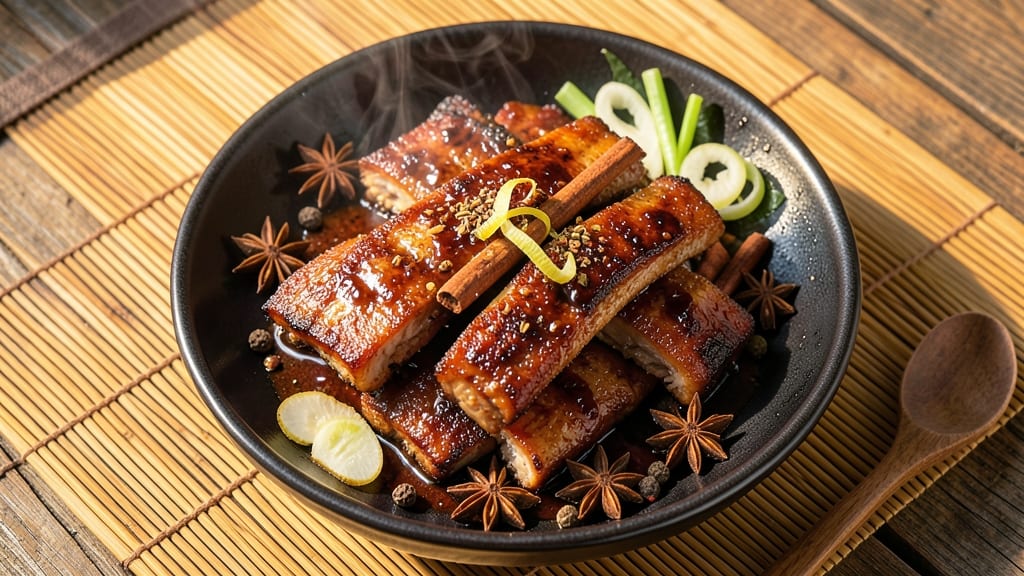
This Asian style pork spare ribs recipe delivers the perfect balance of five-spice crunch over silky braised meat—a technique I perfected after years of studying both Chinese and Japanese braising methods.
The ribs develop a deep, aromatic crust from the spice rub while staying tender enough to pull apart effortlessly. Honestly, I've burned through countless batches trying to get this right, but the payoff is worth every attempt.
The secret lies in the two-stage cooking process: first, a slow braise in aromatic broth to melt the collagen, then a quick sear to develop that signature caramelized crust.
I use a blend of star anise, cinnamon, and Sichuan peppercorn in the marinade, which infuses the meat with layers of warmth and subtle heat without overpowering the natural pork flavor. This isn't just another ribs recipe—it's a restaurant-quality dish you can make at home.
By the time you're done, you'll have ribs that are deeply flavorful on the outside, with a tender, almost melting interior that practically falls off the bone. The five-spice glaze adds a sticky, caramelized finish that makes every bite irresistible.
These ribs shine as a centerpiece for family dinners or impress guests at gatherings—though you might not want to share.
Serve with steamed jasmine rice and quick-pickled vegetables to balance the richness, or pair with a simple cucumber salad for freshness. The leftovers reheat beautifully, making this an ideal meal prep option too. Let's get cooking—your taste buds will thank you.
Ingredients for asian style pork spare ribs
Six pounds of pork ribs plus aromatic spices and sticky glaze—this is restaurant-quality braising at home.
| Ingredient | Amount | Notes |
|---|---|---|
| Pork Spare Ribs 🥓 | 4 lb | Bone-in, meaty ends preferred |
| Star Anise 🌿 | 2 whole | Crushed lightly for aroma |
| Cinnamon Sticks 🌿 | 2 whole | Broken into 1-inch pieces |
| Sichuan Peppercorns 🌶️ | 1 tsp | Toasted for numbing heat |
| Ground Five-Spice Powder 🌶️ | 2 tbsp | Homemade blend preferred |
| Brown Sugar 🍯 | ½ cup | Packed, light brown preferred |
| Hoisin Sauce 🍶 | ½ cup | Store-bought or homemade |
| Soy Sauce 🥢 | ½ cup | Dark soy preferred |
| Garlic Cloves 🧄 | 8 cloves | Mince finely for depth |
| Fresh Ginger 🌿 | ½ cup | Julienned or finely grated |
| Sesame Oil 🫒 | 1 tbsp | Toasted sesame oil preferred |
| Vegetable Oil 🫒 | ¼ cup | High smoke point for searing |
| Jasmine Rice 🍚 | 2 cups | Uncooked, for serving |
| Cucumber 🥒 | 1 whole | For quick-pickled salad |
| Rice Vinegar 🍶 | ¼ cup | For cucumber salad |
The ribs are the foundation, so look for meaty ends—those bone-in sections add flavor and texture. Costco or Whole Foods usually carry the best quality, but any butcher will trim them to your preference. Star anise and Sichuan peppercorns are non-negotiable for that signature five-spice aroma; grab them at Asian markets or the international aisle at Walmart. Fresh ginger and garlic? Trader Joe's has the best pre-peeled jars—no waste, just chop. The hoisin sauce can be store-bought (Lee Kum Kee is reliable), but homemade is worth the extra 10 minutes if you're ambitious.
No star anise? Substitute 1 tsp ground anise, but you'll miss the floral depth. Sichuan peppercorns skipped? Add 0.5 tsp cayenne plus 0.5 tsp black pepper for heat. The brown sugar can be swapped for coconut sugar, though it caramelizes differently. Dark soy sauce unavailable? Regular soy sauce works in a pinch, but the color won't be as rich. For the cucumber salad, if you're short on time, store-bought pickled cucumbers save 20 minutes—just rinse off excess vinegar first. The sesame oil is where flavor concentrates, so don't skimp—even the cheap stuff at Target works if you toast it in a dry pan for 30 seconds.
Ribs reheat beautifully—wrap tightly in foil and bake at 300°F for 20 minutes. They keep for 4 days in the fridge, but honestly, they're gone by day 2. The glaze thickens as it cools, so reheat with 1 tbsp water to loosen it. Jasmine rice? Cook it in advance—double the batch and freeze half. The cucumber salad holds for 2 days if you keep the dressing separate. Portion the ribs into individual foil packets for easy reheating, and toss the glaze into ice cube trays—perfect for drizzling later.
Why You'll Love This Recipe
- One-Pot Magic: I swear by this recipe—just ribs, a few whole spices, and a splash of soy. No chopping, no fuss, and the star anise and cinnamon infuse the meat while you’re doing laundry. Honestly, the hardest part is waiting for them to finish.
- Deep Umami Bomb: That five-spice powder and Sichuan peppercorns? They turn simple ribs into something ridiculously flavorful. The heat lingers, the sweetness balances, and the star anise gives it this warm, earthy depth you’ll want in everything.
- Leftovers That Shine: These ribs taste even better the next day—crispy edges soften just enough, and the spices meld into something richer. I freeze half the batch and pull them straight into stir-fries or noodle bowls. (Yes, even on a Tuesday night.)
- Budget Feast: A whole pack of spare ribs costs less than takeout, and the spices? You’ll use them again. Between us, this is my go-to for feeding a crowd without breaking the bank—plus, everyone clears their plate. No sad leftovers here.
Step-by-step instructions for Asian style pork spare ribs
Here's how to transform tough pork ribs into tender, aromatic bites with a perfect balance of sweet and spicy.
Prepare the Five-Spice Marinade
In a small bowl, combine the 2 whole star anise, 2 whole cinnamon sticks, 1 teaspoon Sichuan peppercorns, and 2 tablespoons ground five-spice powder. Lightly crush the star anise and cinnamon sticks with the side of a knife to release their aromatic oils without grinding into powder. This blend creates the signature warmth and depth of authentic Asian flavor profiles.
In a separate large bowl, whisk together the 0.5 cup brown sugar, 0.5 cup hoisin sauce, 0.5 cup soy sauce, 8 minced garlic cloves, and 0.5 cup julienned fresh ginger. Add the spice blend and mix until fully incorporated. The marinade should be thick enough to cling to the ribs but still pourable. Let it sit at room temperature for 15 minutes while you prepare the ribs—this allows the spices to bloom and infuse the liquid with maximum flavor.
Sear the Ribs for Maximum Flavor
Pat the 4 pound pork spare ribs completely dry with paper towels—this is crucial for developing that coveted caramelized crust. Heat 0.25 cup vegetable oil in a large Dutch oven over medium-high heat until shimmering. Working in batches if needed, sear the ribs for 3-4 minutes per side until deeply golden brown. The high heat helps set up the Maillard reaction, creating complex flavors that will develop further during braising.
As each batch sears, transfer the ribs to a plate and spoon any accumulated juices back into the Dutch oven. This prevents flavor loss and ensures your braising liquid remains rich. Don't overcrowd the pan—this leads to steaming instead of searing. The ribs should release easily from the pan when ready to flip, indicating they've developed a good crust.
Braise Until Fork-Tender
Return all seared ribs to the Dutch oven and pour the marinade over them, making sure every surface is coated. Bring to a simmer over medium heat, then reduce to a gentle bubble. Cover tightly with a lid and transfer to a preheated 300°F oven for 2 hours. This low-and-slow approach breaks down connective tissue, transforming tough meat into silky, pull-apart perfection.
After 1 hour, check the ribs for doneness by inserting a meat thermometer into the thickest section—it should read 195-200°F. If not, return to the oven for another 30 minutes. The ribs are ready when they're fork-tender and the sauce has reduced to a glossy, slightly thickened glaze. If the sauce appears too thin, uncover and simmer for 5-10 minutes to achieve the perfect consistency.
Finish with Sesame Oil and Rest
Remove the ribs from the oven and drizzle with 1 tablespoon sesame oil, tossing gently to coat. The oil adds a nutty aroma and helps create that signature Asian restaurant finish. Transfer the ribs to a warm serving platter and tent loosely with foil. Let them rest for 15 minutes—this crucial step allows juices to redistribute throughout the meat, ensuring each bite is moist and flavorful.
While the ribs rest, prepare the 2 cups jasmine rice according to package instructions and slice the 1 whole cucumber into half-moons. Toss the cucumber with 0.25 cup rice vinegar and a pinch of salt for a refreshing contrast to the rich ribs. The acidity cuts through the sweetness of the glaze, balancing the dish perfectly.
Pro Tips For Making Asian Style Pork Spare Ribs
- CRUSH THE SPICES: Toss whole spices (star anise, cinnamon, Sichuan peppercorns) in a hot, dry skillet for 30 seconds first—they’ll release their oils and aroma instantly. I used to just toss them raw, and the flavor felt muted until I realized they needed a quick toast.
- TRIM THE FAT LAYER: Slice off the thick fat cap from the ribs before cooking. It doesn’t crisp well and can make the sauce greasy. I learned this after one batch where the sauce separated like oil and water—now I trim it aggressively.
- LOW AND SLOW IS NON-NEGOTIABLE: Aim for 275°F (135°C) in your oven, not high heat. I’ve tried speeding it up, but the meat turns tough and the spices don’t meld properly. Use a meat thermometer—pull them at 195°F (90°C) internal temp, even if they look underdone.
- SAVE TIME WITH A MARINADE SHORTCUT: Mix the five-spice powder with a splash of soy sauce, a little honey, and a pinch of baking soda (yes, really). Let the ribs soak in it for 30 minutes instead of hours—just enough to tenderize without overpowering the spices. Works every time, even when I’m in a rush.
Best sauces and condiments for these flavors
Five-Spice Glaze
This is the star of the show—a sticky, aromatic glaze that balances sweetness with deep spice notes. Start with ½ cup brown sugar and ½ cup hoisin sauce as your base, then add ½ cup dark soy sauce for color and umami depth.
The real magic comes from the 2 tbsp ground five-spice powder—this blend of star anise, cinnamon, clove, fennel, and Szechuan peppercorn creates that signature Asian warmth. Simmer this mixture until it thickens to a lacquer-like consistency, about 10-15 minutes on medium-low heat. 🌶️
For extra richness, finish with 1 tbsp toasted sesame oil and 1 tsp grated fresh ginger. The oil adds nutty depth while the ginger brightens the flavors. I like to reduce this glaze until it coats the back of a spoon—this ensures it clings beautifully to the ribs.
Store any leftovers in an airtight container for up to 1 week (it actually improves with time!).
Hoisin-Garlic Drizzle
This lighter, tangier sauce is perfect for drizzling over finished ribs or as a dipping sauce. Mix ¼ cup hoisin sauce, 1 tbsp rice vinegar, 1 tbsp honey, 1 minced garlic clove, and ½ tsp grated ginger.
The vinegar adds brightness that cuts through the richness of the ribs, while the honey balances the saltiness. I often use this as a finishing touch when plating—just a few swirls over the top elevate the dish instantly. 🍯
For a spicier version, add ½ tsp chili crisp or 1 tsp sriracha to the mix. This works beautifully with the five-spice glaze—one rib gets both sauces for maximum flavor contrast. Keep this sauce in the fridge for up to 5 days, though it's usually gone in 2.
Sesame-Soy Reduction
When you want to highlight the natural sweetness of the pork, this reduction is my go-to. Simmer ½ cup soy sauce, 2 tbsp mirin, 1 tbsp brown sugar, and 1 tsp toasted sesame seeds until reduced by half.
The mirin adds a subtle sweetness that complements the ribs beautifully. I use this as a finishing sauce—just drizzle over the ribs right before serving. The sesame seeds add a delightful crunch that contrasts perfectly with the tender meat. 🥢
For extra depth, add ½ tsp grated daikon radish to the reduction while simmering. The radish infuses a mild, slightly peppery note that enhances the overall complexity. This sauce pairs exceptionally well with steamed bok choy or quick-pickled vegetables on the side.
Spicy Chili-Lime Glaze
Craving some heat? This vibrant glaze brings a bright, citrusy kick to balance the richness of the ribs. Combine ¼ cup hoisin sauce, 2 tbsp lime juice, 1 tbsp chili garlic sauce, 1 tbsp honey, and 1 tsp grated lime zest.
Simmer until thickened, then finish with 1 tsp chopped cilantro. The lime zest adds a beautiful color contrast while the chili garlic sauce brings the heat. 🌶️
This glaze works especially well with grilled or broiled ribs—it caramelizes beautifully under high heat. For a smoky twist, add ½ tsp smoked paprika to the mix. Store in the fridge for up to 5 days, though it's best used fresh for maximum brightness.
Sweet Chili Dipping Sauce
A classic Asian pairing that's perfect for serving with ribs. Blend ½ cup sweet chili sauce, 1 tbsp rice vinegar, 1 tsp grated ginger, and 1 tsp sesame oil until smooth.
This sauce is versatile—use it as a dipping sauce, a glaze for extra ribs, or even a marinade for vegetables. The sweetness of the chili sauce balances the savory ribs beautifully. 🍶
For a creamier version, stir in 1 tbsp coconut milk or 1 tsp tahini. This adds a luxurious texture that pairs wonderfully with the crispy edges of the ribs.
Keep this sauce in the fridge for up to 7 days, though it's best enjoyed within 3 days for peak freshness.
Nutrition facts
Frequently asked questions
Can I substitute pork belly for spare ribs in this recipe?
You can try, but the texture will differ significantly. Pork belly has more fat and less connective tissue, so it won't become as tender when braised. For best results, stick with spare ribs—they're designed for this slow-cooking method. If you're set on using belly, reduce the braising time to 1.5 hours and increase the oven temperature to 325°F to render the fat properly.
How do I adjust the spice level for picky eaters?
Skip the whole Sichuan peppercorns and reduce the five-spice powder to 1 tablespoon. For extra mildness, replace the hoisin sauce with ½ cup regular soy sauce and add 1 teaspoon honey to balance the salt. The cinnamon and star anise will still provide warmth without heat.
Can I make these ribs in a slow cooker instead of an oven?
After searing the ribs, transfer them to a slow cooker with the marinade and cook on low for 6-7 hours or high for 3-4 hours. The ribs will be slightly more tender than oven-braised but still delicious. For extra flavor, add 1 cup chicken broth to the slow cooker halfway through cooking.
What's the best way to reheat leftover ribs?
Wrap ribs tightly in foil with 1 tablespoon water and reheat at 300°F for 15-20 minutes. The moisture prevents drying, and the low heat keeps the meat tender. For extra crispiness, broil for 2-3 minutes at the end. Never microwave—it turns the meat rubbery.
Why did my ribs turn out dry instead of tender?
This usually happens from overcooking or not enough liquid. Always check the internal temperature—195-200°F is perfect. If your sauce reduced too much, add ¼ cup water or broth during braising. For future attempts, try wrapping the ribs in foil with the marinade during the last 30 minutes of cooking to lock in moisture.