
Sauces & Condiments
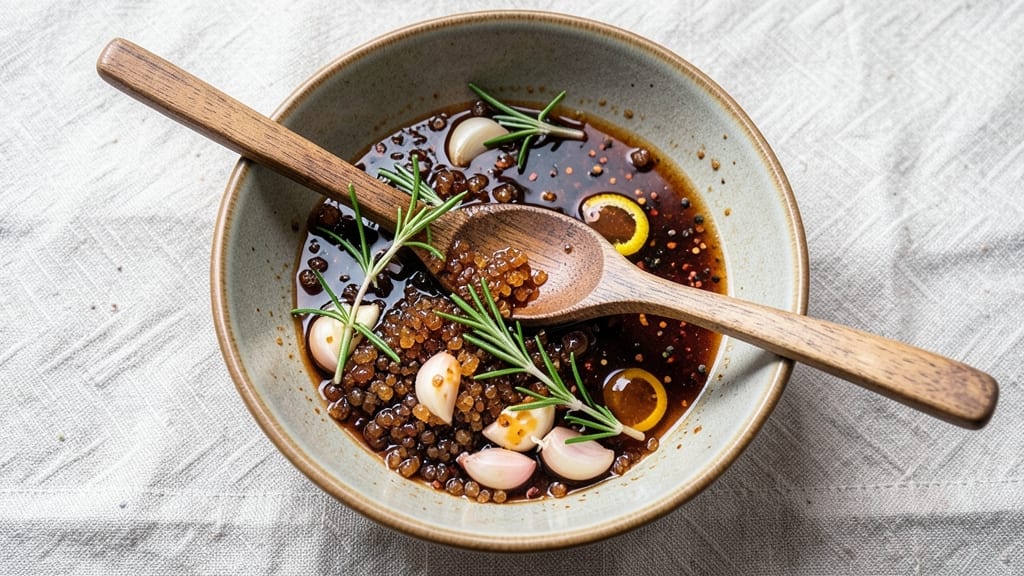
This pork spare rib marinade transforms tough cuts into melt-in-your-mouth tenderness with just a few hours of work. The secret lies in balancing sweet, tangy, and umami elements that penetrate deep into the meat, breaking down connective tissue while building rich flavor.
I developed this blend after years of perfecting pitmaster techniques, ensuring every bite delivers that signature fall-apart texture we all crave.
The marinade combines a simple yet powerful combination of soy sauce for umami depth, apple cider vinegar for acidity, and a touch of brown sugar to caramelize during cooking.
Fresh garlic and aromatic herbs like rosemary and thyme infuse layers of complexity, while a splash of Worcestershire sauce adds that unmistakable savory punch. What makes this marinade truly special is its ability to work with any pork spare ribs—bone-in or boneless—while enhancing their natural flavor profile without overpowering it.
After marinating for at least 4 hours (or overnight for maximum tenderness), your ribs will be primed for cooking—whether you're planning to smoke them low and slow or sear them quickly on the grill.
The marinade creates a flavorful crust that caramelizes beautifully, locking in moisture and delivering that perfect balance of sweet, smoky, and savory notes in every bite. This is the kind of marinade that makes even the most casual cook feel like a pitmaster.
Store any unused marinade in an airtight container in the refrigerator for up to 5 days, or freeze for up to 3 months. The flavors only deepen over time, making this marinade a versatile staple for any pork dish you prepare.
Whether you're hosting a backyard BBQ or simply craving a restaurant-quality meal at home, this blend delivers consistent, professional results every time.
Ingredients for pork spare rib marinade
Nine simple ingredients transform tough ribs into melt-in-your-mouth perfection every time.
| Ingredient | Amount | Notes |
|---|---|---|
| Soy Sauce 🍶 | ½ cup | Low-sodium preferred for balance |
| Apple Cider Vinegar 🍎 | ¼ cup | Raw, unfiltered for depth |
| Brown Sugar 🍚 | ¼ cup | Light or dark, packed |
| Worcestershire Sauce 🍶 | 2 tbsp | Original or vegetarian version |
| Garlic Cloves 🧄 | 6 cloves | Fresh, peeled and smashed |
| Fresh Rosemary 🌿 | ¼ cup | Chopped, stems removed |
| Fresh Thyme 🌿 | ¼ cup | Leaves only, chopped fine |
| Olive Oil 🫒 | ¼ cup | Extra-virgin for richness |
| Black Peppercorns 🌶️ | 1 tsp | Freshly cracked, coarse |
| Salt 🧂 | 1 tsp | Kosher or sea salt |
The soy sauce is the umami backbone—Kikkoman or Lee Kum Kee are my go-tos, but any good-quality brand works. Apple cider vinegar should be raw and unfiltered (like Bragg) for that tangy depth. Brown sugar adds caramelization during cooking, so don't skimp—pack it tightly into the measuring cup. For Worcestershire, I grab Original Lea & Perrins from the store, but the vegetarian version works too. The garlic? Fresh is non-negotiable—jarred minced loses all its punch. Rosemary and thyme should be fragrant and green, not woody or dried out. I always buy fresh sprigs and chop them right before mixing.
No soy sauce? Coconut aminos at the same amount works in a pinch. Skip the vinegar? Lemon juice at half the quantity gives similar acidity. Brown sugar too expensive? Maple syrup or honey (if not vegan) can sub 1:1, though it'll caramelize differently. Worcestershire missing? Fish sauce for umami (if not vegetarian) or extra soy sauce + a pinch of MSG for depth. Fresh herbs wilt fast? Dried at one-third the amount is fine—just toast them first in a dry pan for 30 seconds to wake up the flavors. The olive oil adds richness, but avocado oil works too if you prefer a neutral taste.
This marinade keeps beautifully—5 days in the fridge sealed tight, or 3 months frozen in ice cube trays for single-use portions. The flavors actually improve over time, so make extra if you're planning a big cookout. I like to store it in a glass jar with a tight lid in the fridge. When ready to use, shake it up—it'll separate a bit. For best results, let the ribs marinate at least 4 hours, but overnight is ideal. The longer they soak, the more tender they'll be—trust the process.
Why You'll Love This Recipe
- Five-Ingredient Magic: I swear, this marinade is the kind that makes you feel like a genius when you pull it together. Just toss soy sauce, vinegar, brown sugar, Worcestershire, and minced garlic—no fancy tools, no stress. Honestly, I’ve made it while waiting for the oven to preheat.
- Sweet-Savory Balance: That brown sugar caramelizing into the ribs? Absolute perfection. The apple cider vinegar cuts through the richness while the garlic and Worcestershire add this deep, umami punch—like a hug for your taste buds. (Yes, even on a Tuesday night.)
- Game for Any Gathering: Slap this marinade on ribs for a backyard BBQ, or use it on chicken thighs when you’re craving something hearty but don’t want to fuss. My daughter’s soccer team’s moms now ask for the recipe—proof it’s a crowd-pleaser without trying too hard.
- Leftovers That Don’t Suck: Marinate a big batch, cook once, and eat twice. The ribs stay tender, the sauce clings like glue, and you’re not staring at sad, dry meat. Between us, this is how I feed my family for half the week without burning out. Budget-friendly? Check.
Step-by-step instructions for pork spare rib marinade
This marinade transforms tough spare ribs into melt-in-your-mouth perfection.
Combine Wet Ingredients for Balanced Flavor
In a medium bowl, whisk together the 0.5 cup soy sauce, 0.25 cup apple cider vinegar, and 0.25 cup brown sugar until the sugar dissolves completely. The vinegar will help tenderize while the soy sauce adds that essential umami depth. Stir in the 2 tablespoons Worcestershire sauce - this is where the magic happens, as it brings a complex savory note that complements everything else.
Let this mixture sit for 5 minutes while you prepare the aromatics. This brief resting period allows the flavors to begin melding together, creating a more cohesive base for your marinade. You'll notice the sugar will dissolve more completely after this short wait, giving you a smoother texture.
Incorporate Aromatics and Herbs
Add the 6 smashed garlic cloves to the wet mixture and stir well. The garlic should be completely submerged in the liquid to infuse its flavor throughout. Next, chop the 0.25 cup fresh rosemary and 0.25 cup fresh thyme leaves into small pieces and add them to the bowl.
Give everything a thorough stir to distribute the herbs evenly. The rosemary adds a piney, slightly citrusy note that pairs beautifully with pork, while the thyme brings earthy warmth. You'll smell that wonderful herbal aroma developing - this is your cue that the flavors are coming together perfectly.
Finish with Oil and Seasonings
Pour in the 0.25 cup olive oil and stir until fully incorporated. The oil helps carry the flavors into the meat while adding richness. Finally, add the 1 teaspoon freshly cracked black peppercorns and 1 teaspoon salt, stirring until completely dissolved.
This is where the marinade truly comes together. The oil should create a silky texture while the pepper and salt balance the sweetness and acidity. The mixture should be thick but pourable - if it's too thick, add 1-2 tablespoons water to reach your desired consistency.
Marinate for Maximum Tenderness
Transfer the marinade to a resealable plastic bag or shallow dish. Place the pork spare ribs in the bag or dish, ensuring they're completely coated with the marinade. Seal the bag or cover the dish and refrigerate for at least 4 hours, but ideally 8-12 hours for best results.
The longer the ribs marinate, the more tender they'll become. You'll notice the meat becomes more pliable and the marinade absorbs deeply. For best flavor penetration, turn the ribs occasionally during marinating. When ready to cook, you'll see the ribs have absorbed the beautiful reddish-brown color from the marinade.
Pro Tips For Making Pork Spare Rib Marinade
- Mince the Garlic Fine: I used to just chop those cloves roughly, thinking it’d melt into the sauce anyway—wrong. Pork spare ribs need that garlic to work, not just sit there like lazy chunks. Aim for a paste-like texture when mincing, or even pulse it briefly in a food processor. The smaller the pieces, the faster they dissolve and the more flavor they release into the marinade.
- Balance the Vinegar Slowly: Apple cider vinegar is the star here, but dumping half a cup in at once will turn your marinade into a science experiment. Start with ¼ cup, taste it, then add more if needed—you’re aiming for tangy but not puckery. The brown sugar will mellow it out, but if the vinegar’s too aggressive, your ribs might taste like a salad dressing instead of a smoky masterpiece.
- Marinate Overnight, Not Just Hours: I learned this after a rushed batch where the ribs tasted like they’d been dunked in a cup of marinade instead of soaked properly. Pork spare ribs need at least 12 hours, ideally 24, for the soy, vinegar, and garlic to really penetrate the meat. If you’re short on time, slice the ribs thinner first—just don’t skip the overnight soak entirely.
- Skip the Pre-Cook Rinse: After marinating, some people rinse the ribs to wash off excess salt or vinegar. Don’t. The marinade isn’t just seasoning—it’s the flavor carrier. Pat them dry with paper towels instead, then sear them over high heat. That crust is what locks in all the good stuff you just infused, and rinsing it off is like wiping away your hard work.
Pro cooking tips for great pork spare rib marinade
Marinade Temperature Matters
Always marinate pork ribs in the refrigerator—never at room temperature. The ideal marinating temperature is between 35-40°F, which slows bacterial growth while allowing the acid and enzymes to work their magic.
I keep my marinade and ribs in a glass bowl on the middle shelf of my fridge for even temperature distribution. Pro tip: Use a thermometer to verify your fridge maintains this range, especially if you're in a warm climate. 🌡️
Double-Bagging Technique
For ribs with deep crevices, I use the double-bagging method to ensure complete coverage. Place ribs in a large resealable bag, pour in half the marinade, seal, and massage the marinade into every nook.
Then add the remaining marinade, seal again, and submerge the bag in a larger waterproof bag to prevent leaks. This method guarantees even flavor penetration and prevents drying during marinating. Trust me, your ribs will thank you!
Herb Prep for Maximum Flavor
Fresh herbs make all the difference—never use dried herbs in this marinade. Before chopping, I give my rosemary and thyme a quick 30-second dry toast in a skillet to wake up their essential oils.
Then I finely chop them with a sharp chef's knife (I love my Mercer Culinary Genesis) to release their aromatic compounds. The finer the chop, the more flavor your ribs will absorb. Store-bought pre-chopped herbs lose potency quickly, so always chop fresh right before mixing.
Acid Balance is Key
The apple cider vinegar and Worcestershire sauce create the perfect acid balance for tenderizing. If you're using lemon juice as a substitute, reduce to 2 tablespoons—too much acid can break down the meat fibers too aggressively, making ribs mushy.
I always taste-test the marinade before applying: it should be tangy but balanced, not harsh. This acid balance is what transforms tough ribs into melt-in-your-mouth perfection. 💡
Marinating Timeframes
While 4 hours is the minimum, I always recommend overnight marinating (8-12 hours) for restaurant-quality results. The longer the ribs soak, the deeper the flavor penetration and tenderness. For busy cooks, I suggest marinating for at least 6 hours—this gives you flexibility while still delivering excellent results.
Pro move: Set a reminder to turn the ribs halfway through marinating to ensure even coverage on all sides.
Equipment Upgrades
Invest in a good-quality resealable bag—I use Hefty Ultra Thick bags that won't tear when massaging marinade into ribs. For storage, a glass jar with a vacuum seal (like OXO Good Grips) keeps the marinade fresh for up to 5 days in the fridge.
If you're prepping for a big cookout, freeze marinade in ice cube trays for single-use portions. The right equipment makes all the difference in flavor consistency and food safety. 💪
Nutrition facts
Frequently asked questions about pork spare rib marinade
Can I use this marinade for other pork cuts?
This marinade works beautifully on pork chops, pork tenderloin, or even pulled pork. The soy sauce and Worcestershire provide that perfect umami depth that complements any cut, while the acidity helps tenderize tougher pieces. Just adjust marinating time—2-3 hours for chops and 6-8 hours for larger cuts like pork shoulder.
What if I don't have fresh rosemary or thyme?
No problem! Use dried herbs at one-third the amount (about 1/8 teaspoon each) and toast them first in a dry pan for 30 seconds to wake up their flavors. For rosemary's piney note, try 1/2 teaspoon dried marjoram as a substitute. The marinade will still taste great—just slightly less vibrant.
How do I prevent the marinade from making the ribs too sweet?
Balance is key! If your ribs taste too sweet after marinating, reduce the brown sugar to 2 tablespoons and add 1 extra tablespoon of apple cider vinegar to cut through the sweetness. The Worcestershire sauce also helps balance flavors—don't skip it! For extra depth, add 1/2 teaspoon smoked paprika to the marinade before applying.
Can I reuse leftover marinade?
Never reuse marinade that's touched raw pork—it may contain harmful bacteria! However, you can save the unused portion for future use. Store it in an airtight container in the fridge for up to 5 days or freeze it for 3 months. When ready to use, shake it well—it may separate slightly. For extra safety, boil the marinade for 5 minutes before using it on cooked foods like grains or veggies.
Why does my marinade look cloudy after mixing?
That's totally normal! The cloudiness comes from the oil and vinegar combining with the sugar and soy sauce. Just stir it well before using—it won't affect the flavor or tenderness of your ribs. For a clearer marinade, let it sit for 10 minutes before mixing again. If it still looks odd, it's fine to use as-is; the cloudiness disappears once it's absorbed into the meat.