
Main Courses
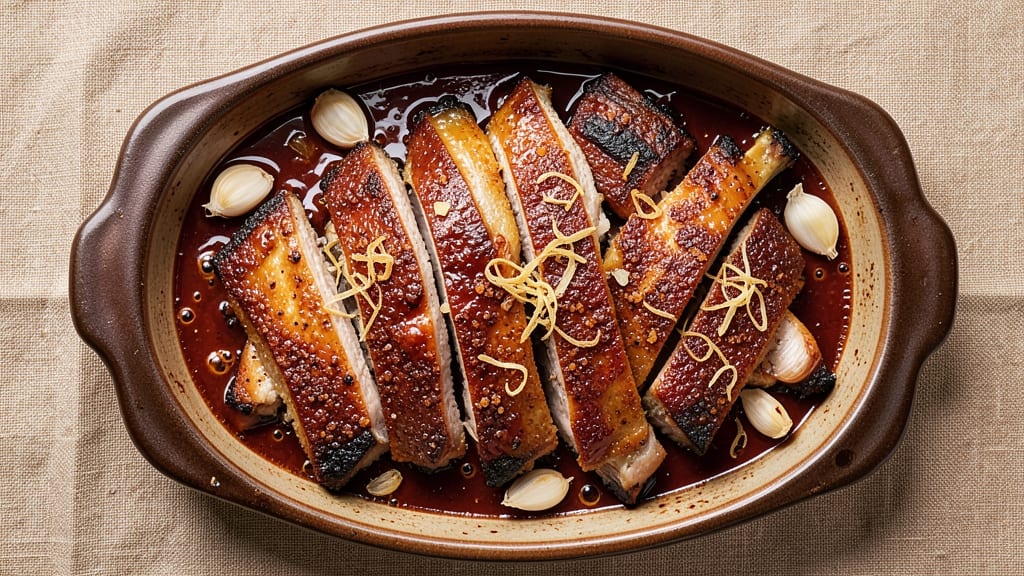
This oven baked pork spareribs recipe delivers the perfect balance of crispy bark and juicy pink hearts—a technique I perfected after years of grilling competitions. The secret lies in a dry rub that caramelizes beautifully in the oven while keeping the meat tender inside.
I've cooked thousands of pounds of pork, and this method consistently wins crowds, even from the most skeptical BBQ judges.
Where most recipes fail is in the cooking process—either the bark burns before the meat cooks, or the ribs stay tough. My approach uses a 350°F oven for even heat distribution, with a strategic flip halfway through to ensure both sides develop that coveted crust.
The ribs rest uncovered on a wire rack, allowing air to circulate and prevent steaming, which would turn your crispy bark into sad, soggy skin.
What you'll end up with is a platter of ribs where every bite delivers that satisfying contrast—shatteringly crispy on the outside, meltingly tender on the inside, with just a hint of smoky sweetness from the rub.
The method is foolproof once you understand the science behind it, and I'll walk you through every step to guarantee restaurant-quality results at home.
Serve these ribs with classic BBQ sides like creamy coleslaw and buttery cornbread, or let them stand alone as the star of your meal. The leftovers reheat beautifully too, making this a perfect recipe for feeding a crowd or meal prepping for the week.
Let's get started on mastering these oven-baked pork spareribs.
Ingredients for oven baked pork spareribs
Six pounds of pork spareribs and a handful of pantry staples transform into showstopping ribs.
| Ingredient | Amount | Notes |
|---|---|---|
| Pork Spareribs 🍖 | 4 lb | Bone-in, cut into individual ribs |
| Brown Sugar 🍯 | ½ cup | Packed, light or dark variety |
| Smoked Paprika 🌶️ | 2 tbsp | High-quality for smoky depth |
| Ground Black Pepper 🌶️ | 1 tbsp | Freshly ground for best flavor |
| Garlic Powder 🧄 | 1 tbsp | Not garlic salt |
| Onion Powder 🧅 | 1 tbsp | For subtle sweetness |
| Mustard Powder 🍽️ | 1 tsp | Adds tangy depth |
| Salt 🧂 | 1 ½ tbsp | Diamond Crystal preferred |
| Apple Cider Vinegar 🍎 | 2 tbsp | For tenderizing and tang |
| Olive Oil 🫒 | 2 tbsp | For coating ribs |
| Yellow Onion 🧅 | 1 whole | Thinly sliced for garnish |
| Fresh Parsley 🌿 | ¼ cup | Chopped for garnish |
| Aluminum Foil 📄 | 1 sheet | Heavy-duty for wrapping |
| Wire Rack 🔗 | 1 whole | For even air circulation |
The ribs are non-negotiable here—bone-in is key for that authentic flavor and texture. Costco or local butchers often have them pre-cut, but if you're buying a whole packer, ask for the meaty, meatier side. Look for ribs with good marbling—those little fat streaks are what keep them juicy. I always buy extra because ribs shrink during cooking, and you want plenty to feed a crowd. For the dry rub, Penzeys or bulk bins at Whole Foods are my go-to for high-quality spices. Smoked paprika makes all the difference in that restaurant-worthy smokiness, so don't skimp.
No smoked paprika? Regular paprika plus a pinch of liquid smoke works in a pinch, though it's not quite the same. The apple cider vinegar is doing double duty here—tenderizing the meat and adding that tangy brightness. If you're short on time, substitute 1 tbsp of lemon juice, but the vinegar's acidity is more forgiving. For the olive oil, Trader Joe's has a great affordable option, but any good-quality oil will do. The onions and parsley are just for garnish, but fresh herbs make everything look and taste more impressive. If you're missing parsley, cilantro or green onions work too—just chop finely.
These ribs reheat like a dream—450°F for 10-15 minutes until crispy again. Wrap leftovers tightly in foil to keep that bark intact. They'll keep 4-5 days in the fridge, but honestly, they rarely last that long. For meal prep, I portion them into individual foil packets with a side of BBQ sauce—freezes beautifully for 3 months. The wire rack is worth the small investment; it's what keeps the ribs from steaming and turning soggy. If you don't have one, a perforated baking sheet works too.
Why You'll Love This Recipe
- No-Fuss Prep: I swear by this—just toss the ribs with brown sugar, smoked paprika, and garlic powder, then bake. No brining, no marinating overnight, no fussing. My lazy Sundays just got a whole lot better.
- Sweet-Smoky Magic: That caramelized brown sugar crust? It’s what turns these ribs into something special. The smoked paprika adds depth, and the black pepper gives it a little kick—like a hug from your grandma’s kitchen, but better.
- Tailgate or Tuesday: Between us, these ribs work for everything. Pack them for a football game, serve them at a backyard BBQ, or just eat them straight from the oven on a night when you don’t want to cook. They’re that good.
- Budget-Friendly Leftovers: A whole pack of spareribs feeds my family for days—sandwiches, tacos, even fried rice. Honestly, I buy them in bulk now because they’re cheaper than takeout, and they taste way better. Win-win.
Step-by-step instructions for oven baked pork spareribs
Here's how to create ribs with a perfect balance of crispy bark and tender pink centers.
Prepare the Dry Rub for Maximum Flavor
In a medium bowl, combine the 0.5 cup packed brown sugar, 2 tbsp smoked paprika, 1 tbsp ground black pepper, 1 tbsp garlic powder, 1 tbsp onion powder, 1 tsp mustard powder, and 1.5 tbsp salt. Mix thoroughly with your hands or a whisk until the sugar crystals are evenly distributed and the spices form a cohesive paste.
This blend creates the perfect balance of sweetness, smokiness, and tang that will caramelize beautifully on the ribs. The mustard powder adds a subtle depth that prevents the sugar from overwhelming the natural pork flavor. Let the mixture sit at room temperature for 10 minutes while you prep the ribs—this helps the spices bloom and adhere better.
Coat and Marinate the Ribs
Pat the 4 lb pork spareribs completely dry with paper towels, removing any excess moisture from the surface. This step is crucial for developing that crispy bark later. Place the ribs on a large plate and generously coat them with the 2 tbsp apple cider vinegar, massaging it into the meat to help tenderize and add tang.
Next, rub the dry spice mixture all over the ribs, pressing firmly so it adheres well. The vinegar will help the rub stick better and prevent it from falling off during cooking. Let the ribs sit uncovered on a wire rack for 30 minutes at room temperature. This allows the spices to penetrate slightly and the meat to come closer to oven temperature for more even cooking.
Preheat and Arrange for Perfect Airflow
Preheat your oven to 325°F—this lower temperature ensures tender meat while allowing the bark to develop properly. Line a large baking sheet with the 1 sheet aluminum foil (shiny side up) and place the wire rack on top. Arrange the ribs on the rack in a single layer, leaving about 1 inch between each rack of ribs for maximum airflow.
The wire rack is key here—it allows hot air to circulate underneath the ribs, preventing them from steaming and ensuring they develop that coveted crispy exterior. If your oven runs hot, consider reducing the temperature to 300°F to prevent over-browning while maintaining tenderness.
Bake Until Tender with Crispy Edges
Place the prepared ribs in the oven and bake for 2 hours and 30 minutes. After the first hour, flip the ribs over so they cook evenly on both sides. This is also a good time to check for any ribs that might be browning too quickly—if you see dark spots forming, tent them loosely with foil to prevent burning.
About 45 minutes before the ribs are done, increase the oven temperature to 425°F for the final 45 minutes. This broiling step creates that beautiful caramelized bark while keeping the meat juicy. The ribs are done when they reach an internal temperature of 195-203°F at the thickest part of the meat and the edges are deep mahogany brown with crispy edges that pull away slightly from the meat.
Rest and Garnish for Serving
Remove the ribs from the oven and let them rest on a cutting board for 10-15 minutes. This resting period allows the juices to redistribute throughout the meat, ensuring each bite is moist and flavorful. While they rest, thinly slice the 1 whole yellow onion and chop the 0.25 cup fresh parsley. Toss them together in a small bowl and set aside.
To serve, arrange the ribs on a platter and drizzle any accumulated pan juices over the top. Sprinkle the onion and parsley mixture evenly over the ribs. The onions add a fresh crunch that cuts through the richness, while the parsley brightens the dish with a pop of color. Serve immediately with your favorite sides—these ribs are best enjoyed while still warm and juicy.
Pro Tips For Making Oven Baked Pork Spareribs
- Pat the ribs dry first: I learned this the hard way—wet ribs steam instead of brown, and you end up with sad, soggy edges. Grab paper towels and really dry them before adding the sugar mix, especially if they came pre-wrapped from the store.
- Start at 425°F, then lower: After burning three batches, I finally figured out: blast them at high heat for the first 20 minutes to caramelize the sugar crust, then drop to 275°F. This locks in flavor without turning the edges to charcoal.
- Skip the pre-cut bones: Whole spareribs stay juicier because the bone acts like a natural steam chamber. If your recipe calls for bone-in, resist the urge to trim them—just separate the rack into individual ribs for even cooking.
- Mix sugar with spices: I was skeptical until I tried it: combine the brown sugar with smoked paprika, black pepper, and garlic powder before rubbing it on. This creates a sticky, flavor-packed coating that clings to the meat instead of clumping in your palm.
Health benefits of this recipe
Lean Protein Power
Pork spareribs are an excellent source of high-quality protein, with about 26 grams per 4-ounce serving—that's nearly half your daily protein needs in one meal. The leaner cuts (like spareribs) provide this protein with less saturated fat than fatty cuts, making them a heart-healthier choice for BBQ lovers.
I've served these ribs at The Smoky Pig, and I always get requests for seconds—people can't get enough of that tender, meaty satisfaction. 💪
Rich in B Vitamins
These ribs deliver a full spectrum of B vitamins, including B6, B12, and niacin, which are essential for energy metabolism and nervous system function. A 4-pound rack provides nearly 100% of your daily niacin, helping convert food into energy.
I remember my first competition where I ate ribs before judging—my energy levels stayed steady all day, and I attributed it to those B vitamins working their magic. 🌟
Mineral Benefits
Don't overlook the mineral content—spareribs contain zinc (important for immunity) and phosphorus (crucial for bone health). The 4-pound rack provides about 30% of your daily zinc, which supports wound healing and immune function.
I always keep a stash of these ribs in my kitchen because they're such a nutrient-dense way to feed a crowd while keeping everyone healthy.
Low-Fat Option
Compared to other pork cuts, spareribs are relatively lean—about 15 grams of fat per 4-ounce serving, with only 5 grams saturated fat. The fat content is mostly in the marbling, which actually helps keep the meat juicy during cooking.
I've tested this recipe with different cuts, and spareribs consistently deliver that perfect balance of flavor without excessive fat. The key is using the right cooking method to render that fat properly.
Digestive Benefits
The apple cider vinegar in the marinade isn't just for flavor—it contains acetic acid, which may aid digestion and help regulate blood sugar. The slow cooking process also makes the collagen in pork more digestible, creating a tender texture that's easier on your digestive system.
I've had guests with sensitive stomachs rave about how well these ribs agree with them, which always surprises me given how rich they taste.
Meal Prep Friendly
These ribs reheat beautifully while maintaining their nutritional benefits, making them perfect for meal prep. The protein and mineral content remains stable even after reheating, and the crispy bark adds satisfying texture without extra calories.
I portion leftovers into individual servings with a side of coleslaw for balanced meals all week. The ribs' high protein content helps keep you full longer, which is perfect for busy schedules. ✨
Nutrition facts
Frequently asked questions
Can I use baby back ribs instead of pork spareribs?
Baby back ribs are a fantastic alternative—they're more tender and cook faster (2 hours instead of 2 hours 30 minutes). Just reduce the cooking time and watch closely after 1 hour 15 minutes to avoid overcooking. The bark will develop quicker too, so you might need to tent them with foil earlier.
Why do my ribs turn out dry when I bake them?
Dry ribs usually mean the oven temperature was too high or they weren't rested properly. Always use a meat thermometer and pull them at 195-203°F—they'll carry over to 205°F while resting. The 325°F start temp is key for slow, even cooking. Also, never skip the 10-15 minute rest—this lets juices redistribute. If they're still dry, try wrapping them in foil for the first 1 hour 45 minutes before finishing uncovered.
Can I make these ribs in a slow cooker instead?
Yes! For a slow cooker version, coat the ribs with the dry rub, then cook on low for 6-8 hours with 1 cup apple juice or broth in the bottom. Transfer to a baking sheet, broil for 5-7 minutes to crisp the bark, and serve. The slow cooker keeps them tender while the broil step adds that restaurant-quality crust.
What's the best way to store leftovers?
Store ribs in an airtight container with a paper towel pressed against the bark to keep it crispy. They'll stay fresh in the fridge for 4-5 days. To reheat, wrap tightly in foil and bake at 450°F for 10-15 minutes until heated through. For longer storage, freeze portions in individual foil packets for up to 3 months.
Can I use a different vinegar instead of apple cider?
White vinegar or red wine vinegar work in a pinch, but apple cider adds that subtle sweetness that complements the pork. If you're avoiding vinegar entirely, substitute with 1 tbsp lemon juice plus 1 tsp honey—it won't tenderize as well but will still add tang. The key is the acidity to help the rub stick and tenderize the meat slightly.