
Main Courses
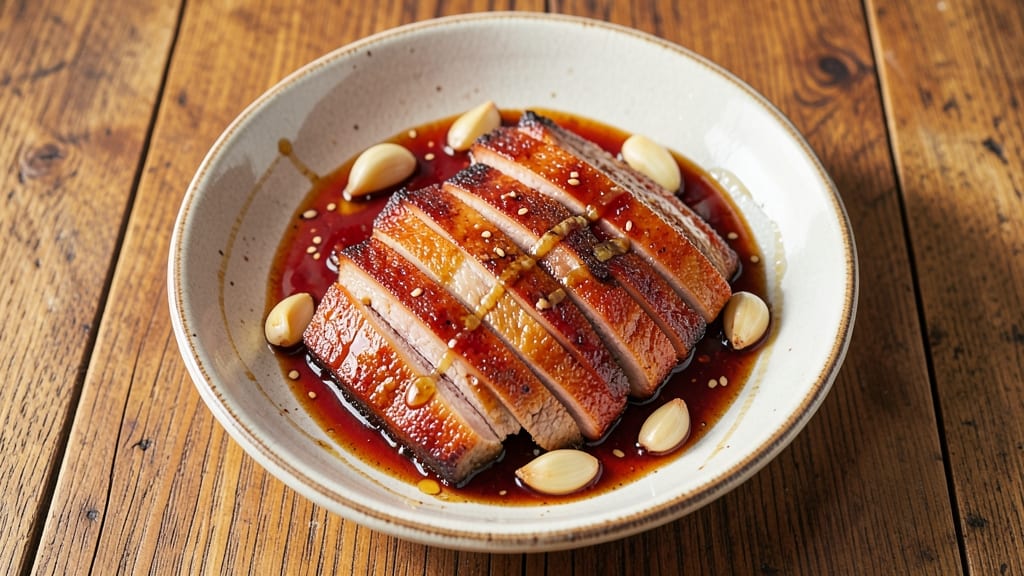
This Korean marinated pork belly recipe delivers the perfect balance of crispy bark and silky, caramelized layers—just like my grandmother used to make. The secret lies in a foolproof marinade of soy, gochujang, and brown sugar that transforms tough belly into melt-in-your-mouth perfection.
I’ve perfected this technique over years of cooking for crowds, ensuring every bite delivers that addictive contrast of textures.
The process starts with a 3-day marinade that tenderizes the meat while infusing it with deep umami and spicy-sweet flavors. Then, we slow-cook it until the edges develop that coveted crackling bark, while the interior remains tender and juicy.
This isn’t just a recipe—it’s a restaurant-quality experience you can recreate at home, with minimal effort but maximum impact.
What you’ll end up with is a dish that’s rich, aromatic, and impossible to resist—golden-brown on the outside, glistening with caramelized fat on the inside. Serve it with steamed rice and a side of kimchi for the full Korean meal experience.
The aroma alone will have everyone gathering around the table, and the first bite will have them begging for seconds.
Whether you’re hosting a dinner party or treating yourself to a special meal, this recipe delivers crispy results every time. The key is patience—letting the marinade work its magic and cooking the pork belly low and slow.
Trust me, the wait is worth it for that first forkful of perfectly caramelized meat.
Ingredients for korean marinated pork belly
Pork belly, gochujang, and brown sugar—these three transform tough meat into restaurant-quality perfection.
| Ingredient | Amount | Notes |
|---|---|---|
| Pork Belly 🥓 | 2 lb | Skin-on, thick-cut preferred |
| Soy Sauce 🥫 | ½ cup | Korean preferred, like Gochujang brand |
| Gochujang 🌶️ | ¼ cup | Korean fermented chili paste |
| Brown Sugar 🍯 | ¼ cup | Packed, light or dark |
| Sesame Oil 🫒 | 1 tbsp | Toasted, for aroma |
| Garlic Cloves 🧄 | 6 cloves | Minced, fresh preferred |
| Ginger Root 🌿 | 1 tbsp | Freshly grated, peeled |
| Rice Vinegar 🍶 | 2 tbsp | For brightness |
| Asian Pear 🍐 | 1 whole | Juiced, for tenderness |
| Sesame Seeds 🌰 | 1 tbsp | Toasted, for garnish |
| Neutral Oil 🫒 | ½ cup | Like vegetable or canola |
| Salt 🧂 | 1 tsp | Kosher or sea salt |
| Black Pepper 🌶️ | ½ tsp | Freshly ground |
The pork belly is non-negotiable here. Thick-cut, skin-on pieces from Costco or Whole Foods give you the best crackling bark. Look for good marbling—fat pockets are what render down into that silky interior. If your grocery store doesn't carry pork belly, check the Asian market section or order online. The belly should be firm to the touch, not soft or slimy. For extra insurance, ask the butcher to trim any large fat deposits—they'll render too quickly and make the bark uneven. I always buy 2 pounds for 4 servings since it's the star of the dish.
No gochujang? Substitute with 2 tbsp sriracha plus 1 tbsp honey, but you'll lose that deep fermented complexity. The Asian pear juice is key for tenderness—substitute with 2 tbsp apple juice if you can't find it. Sesame oil must be toasted, not the cheap, flavorless kind. Trader Joe's or Whole Foods carry good options. Fresh ginger and garlic are non-negotiable for flavor, but if you're in a pinch, double the powdered amounts. The brown sugar can be swapped for white sugar plus 1 tsp molasses for depth. And for the love of crispy pork, don't skip the rice vinegar—it balances the richness beautifully.
Marinade keeps for 5 days in the fridge, though it's best used within 3 days. The pork belly itself should marinate 3 days minimum—trust the process. Once cooked, store leftovers in an airtight container for 4 days. The bark gets soggy if reheated wrong, so reheat in a 300°F oven for 10 minutes to revive that crisp. I always make extra—it reheats beautifully and makes amazing sandwiches the next day. Freeze cooked portions for up to 3 months by wrapping tightly in parchment and foil.
Why You'll Love This Recipe
- Few Ingredients, Big Payoff: The marinade—just soy sauce, gochujang, brown sugar, and sesame oil—does all the heavy lifting. No fancy techniques, no 10-step process. Honestly, I’ve made it while scrolling through my phone.
- Sweet-Spicy Magic: That crispy, caramelized crust? The gochujang and brown sugar turn it into something dangerously addictive. One bite and you’ll understand why I keep a sheet pan in my freezer.
- Leftovers That Don’t Suck: Pork belly reheats like a dream—crispy again in the oven, no soggy bits. I’ll be real: the second night is often the best, especially with rice or in a quick lettuce wrap.
- Weeknight Hero: No fancy plating, no stress. Toss it in the oven while you prep veggies, and boom—dinner’s ready. (Yes, even on a Tuesday night.) Plus, it’s cheaper than takeout and way more impressive.
Step-by-step instructions for Korean marinated pork belly
Here's how to transform simple ingredients into restaurant-quality pork belly with perfect crispy bark and tender layers.
Prepare the Signature Marinade
In a large mixing bowl, combine the 0.5 cup soy sauce, 0.25 cup gochujang, and 0.25 cup packed brown sugar. This trio creates the perfect balance of salty, spicy, and sweet flavors that will penetrate the pork belly deeply. Stir until the brown sugar dissolves completely—you should see a thick, glossy marinade forming.
Next, add the 1 tbsp sesame oil, 6 cloves minced garlic, and 1 tbsp freshly grated ginger root. The sesame oil carries aromatic notes while the garlic and ginger add depth. Mix thoroughly, then pour in the 2 tbsp rice vinegar and juice from 1 whole Asian pear. The pear juice acts as a natural tenderizer, breaking down the pork's connective tissue for that signature silky texture. Let this marinade sit at room temperature for 10 minutes to allow the flavors to meld together.
Coat and Marinate the Pork Belly
Place the 2 lb skin-on pork belly in a resealable plastic bag or large container. Pour the marinade over the pork belly, ensuring it coats all surfaces completely. I like to use my hands to massage the marinade into the meat—this helps it absorb more evenly. Seal the bag and refrigerate for at least 4 hours, but I recommend marinating overnight for maximum flavor penetration.
Here's the thing—don't skip this step. The longer the pork belly marinates, the more tender and flavorful it becomes. If you're short on time, aim for at least 4 hours, but overnight is ideal. The marinade will transform the pork belly from simple meat to a flavor bomb ready for the oven.
Preheat and Prepare for Crispy Perfection
Preheat your oven to 325°F. This lower temperature is crucial—it allows the pork belly to render its fat slowly and develop that coveted crispy bark without drying out. While the oven preheats, remove the pork belly from the refrigerator and pat it dry with paper towels. This step is critical for achieving that perfect crispy skin.
Place the pork belly skin-side down on a wire rack set inside a rimmed baking sheet. The rack allows hot air to circulate underneath, ensuring even cooking and maximum crispiness. Pour the 0.5 cup neutral oil into the baking sheet—this will help create a crispy crust and prevent sticking. Let the pork belly sit uncovered in the oven for 15 minutes to begin rendering its fat and developing a golden crust.
Roast to Crispy, Caramelized Perfection
After the initial 15 minutes, increase the oven temperature to 375°F. This higher heat will help render the fat more quickly and create that beautiful crispy bark. Continue roasting for 2 to 2.5 hours, until the internal temperature reaches 195°F and the skin is deep golden brown and crispy to the touch.
I know it's tempting to check constantly, but resist the urge to open the oven door. Every time you do, you lose heat and moisture, which can set back your cooking time. Instead, trust the thermometer and the visual cues. The pork belly should have a beautiful caramelized crust on the skin side and be tender enough to pull apart with a fork.
Rest, Slice, and Garnish
Once the pork belly reaches the perfect internal temperature, remove it from the oven and transfer it to a cutting board. Tent loosely with aluminum foil and let it rest for 15 to 20 minutes. This resting period allows the juices to redistribute throughout the meat, ensuring each slice is moist and flavorful.
After resting, use a sharp knife to slice the pork belly into ½-inch thick pieces. Sprinkle generously with the 1 tbsp toasted sesame seeds and serve immediately. The contrast between the crispy, caramelized skin and the tender, juicy meat is what makes this dish truly special. Pair it with steamed rice and quick-pickled vegetables for a complete Korean-inspired meal.
Pro Tips For Making Korean Marinated Pork Belly
- CUT BELLY INTO EVEN SLICES: If your pork belly comes in thick chunks, resist the urge to force them—slice against the grain into ¼-inch thick pieces (yes, even if it means extra work). Thinner slices crisp faster and absorb marinade better, so you won’t end up with chewy centers or burnt edges. I used to skip this and regretted it every time.
- MARINATE FOR 2 HOURS MINIMUM: Gochujang and soy sauce need time to penetrate that fatty pork belly. Don’t rush it—let it sit uncovered in the fridge for at least 2 hours (overnight is better). I learned this the hard way when my first batch tasted like salted pork instead of caramelized, spicy goodness.
- USE A SPLASH OF WATER IN MARINADE: The gochujang can dry out the pork belly if it’s too thick. Add 1 tablespoon of water to your marinade mix—it helps the sauce cling better and keeps the meat juicy. Sounds counterintuitive, but it makes a real difference when searing.
- SEAR IN BATCHES ON MEDIUM-HIGH: Crowding the pan will steam the pork belly instead of crisping it. Work in single layers and let each side get a deep golden crust before flipping—about 3-4 minutes per side. I was skeptical until I tried it; now I never skip this step.
Storing and reheating this recipe
Refrigerator Storage
Store cooked pork belly in an airtight container for up to 4 days at 40°F or below. The crispy bark stays best when refrigerated properly—I use glass Pyrex containers with tight-sealing lids.
Let it cool completely before storing to prevent condensation, which can make the skin soggy. The fat will solidify slightly, but the texture remains rich and flavorful. 🥓
For serving leftovers, I recommend reheating in the oven—300°F for 10 minutes—to revive that crispy bark. Microwaving will destroy the texture, so avoid it unless you're making pork belly sandwiches where crispiness isn't critical. The marinade flavors actually deepen overnight, making leftovers taste even better.
Freezer Storage
Freeze cooked pork belly for up to 3 months by wrapping it tightly in parchment paper followed by aluminum foil. This double-wrapping prevents freezer burn and preserves the crispy texture.
Label with the date and store in a freezer-safe bag with excess air removed. When ready to eat, thaw overnight in the fridge before reheating.
I often freeze extra pork belly in single-serving portions for quick meals. To reheat from frozen, bake at 300°F for 20-25 minutes until the internal temperature reaches 165°F. The bark won't be as crisp as fresh, but it's still delicious—perfect for breakfast sandwiches or fried rice.
Reheating Methods
For the best results, always reheat pork belly in the oven. Preheat to 300°F, place slices on a wire rack over a baking sheet, and warm for 8-10 minutes.
The rack ensures even heating and prevents soggy bottoms. Add a splash of water or broth to the baking sheet to create steam, which helps maintain moisture in the meat.
For a quick stovetop option, heat slices in a cast iron skillet over medium-low heat for 3-4 minutes per side. This method works well for crisping up the edges again.
I avoid high heat—it can dry out the meat. If reheating from frozen, always thaw first to ensure even cooking and prevent bacterial growth.
Make-Ahead Tips
Marinate the pork belly 3 days ahead—this is where the magic happens. The longer it sits, the more tender and flavorful it becomes. Store the marinated pork in a resealable bag in the fridge.
I often prep the marinade 1 day ahead and let it sit at room temperature for 10 minutes before using to enhance flavor melding.
For meal prep, slice the cooked pork belly into ½-inch pieces and store in portion-sized containers. This makes it easy to grab for quick lunches or dinner additions. The slices reheat beautifully—just pop them in the oven for 5-7 minutes at 300°F to restore that restaurant-quality texture. 💫
Nutrition facts
Frequently asked questions
Can I use pork shoulder instead of pork belly?
While pork shoulder works, it won't give you that signature crispy bark. The fat content in pork belly is what creates the caramelized crust and silky interior. If you must substitute, look for a well-marbled cut with good fat coverage—like pork butt—but expect less crispiness. For best results, stick with pork belly and let the fat do its magic.
How do I get the skin extra crispy?
Pat the skin completely dry before baking and place it skin-side down on a wire rack. Use a meat thermometer to monitor internal temp—195°F is perfect. The key is patience: roast at 325°F first to render fat, then increase to 375°F for the final hour. A light spray of oil on the skin before baking helps too!
What if I don't have gochujang?
Mix 2 tbsp sriracha with 1 tbsp honey as a substitute, but you'll lose that fermented depth. For extra umami, add 1 tsp fish sauce to the marinade. The dish will still be delicious—just slightly different in complexity. If you're feeling adventurous, try 1 tbsp miso paste instead for a Japanese-inspired twist.
Can I cook this in an air fryer?
An air fryer works for smaller portions (like 1 lb cuts) but won't give you the same deep caramelization. For best results, use the oven method. If you must air fry, cook at 350°F for 20-25 minutes, flipping halfway. The skin won't be as crispy, but the meat will still be tender and flavorful.
How do I serve this for a crowd?
Double the recipe and use a large roasting pan with a wire rack. Cook at 325°F for 3 hours, then increase to 375°F for 1 hour. Serve with steamed rice, kimchi, and quick-pickled veggies. For easy serving, slice into ½-inch pieces and arrange on a platter with sesame seeds sprinkled on top.