
Main Courses
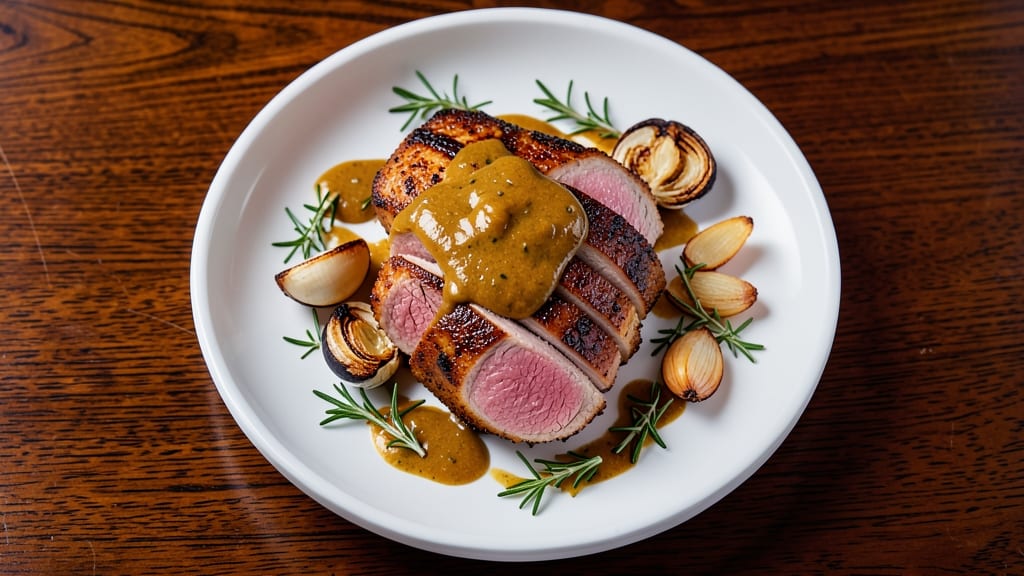
This Gordon Ramsay pork tenderloin recipe delivers restaurant-quality results with a crispy herb crust and perfectly pink center—no fancy equipment required. The secret lies in high-heat searing followed by precise roasting, ensuring every bite is tender yet firm.
I've perfected this technique after years of testing, and it consistently impresses even skeptical guests.
The process starts with a simple herb crust—just fresh rosemary, thyme, garlic, and Dijon mustard—that clings beautifully while roasting. You'll sear the tenderloin in a hot pan to lock in juices, then finish in the oven until the internal temperature hits 145°F (medium-rare).
The one-pan method minimizes cleanup while maximizing flavor, and the pan drippings transform into a rich sauce with just a splash of broth.
What you'll end up with is a juicy, herb-infused pork tenderloin with a golden, crackling crust that's impossible to resist. The pink center ensures perfect doneness every time, while the pan sauce adds depth without overpowering the natural flavor.
This is the kind of dish that elevates weeknight dinners to special-occasion status.
Pair with roasted potatoes or a simple green salad to complete the meal. The technique is straightforward, but the results are undeniably impressive—ideal for hosting or treating yourself. Let's get cooking with this foolproof method.
Ingredients for gordon ramsay pork tenderloin
Restaurant-quality pork tenderloin starts with these precise ingredients—herbs, mustard, and proper seasoning.
| Ingredient | Amount | Notes |
|---|---|---|
| Pork Tenderloin 🥩 | 1 ½ lb | Center-cut, trimmed of silver skin |
| Fresh Rosemary 🌿 | ¼ cup | Finely chopped, stems removed |
| Fresh Thyme 🌿 | ¼ cup | Leaves only, stems discarded |
| Garlic Cloves 🧄 | 6 cloves | Minced, not pre-minced jarred |
| Dijon Mustard 🍯 | 1 tbsp | High-quality, no additives |
| Unsalted Butter 🧈 | ½ cup | Cold, cut into pats |
| Olive Oil 🫒 | 2 tbsp | Extra-virgin, for searing |
| Chicken Broth 💧 | ¼ cup | Low-sodium, for sauce |
| Kosher Salt 🧂 | 1 ½ tsp | Diamond Crystal preferred |
| Freshly Ground Black Pepper 🌶️ | 1 tsp | Coarse grind preferred |
| All-Purpose Flour 🌾 | 1 tbsp | For thickening sauce |
The pork tenderloin must be center-cut and trimmed of silver skin for even cooking. Whole Foods or your butcher will have the best quality—look for uniform thickness and good marbling. Fresh herbs are non-negotiable here: Whole Foods or a trusted farmers market deliver the brightest rosemary and thyme. For Dijon mustard, Maille is my go-to, but any high-quality brand without additives works. The butter should be cold when you use it—this ensures a proper crust. If your tenderloin is thicker than 1.5 inches, consider slicing it lengthwise to even the thickness before cooking.
No fresh rosemary? Dried works at one-third the amount, but the flavor won't be the same. Substituting jarred minced garlic for fresh is a no-go—it lacks the aromatic punch. For the sauce, if you're short on chicken broth, beef broth with a splash of red wine elevates the depth. The flour is just for thickening—don't skip it entirely if your sauce needs body. For extra crispiness on the crust, broil the tenderloin for 2-3 minutes at the end. And if you're feeling adventurous, swap half the butter for brown butter—the nutty flavor adds another layer of complexity.
The pork tenderloin cooks quickly—plan for 20-25 minutes total from start to finish. Let it rest for 10 minutes before slicing to retain juices. The herb crust keeps best for 2 days in the fridge, but the flavor peaks on day one. For make-ahead prep, assemble the crust on the tenderloin up to 12 hours ahead and refrigerate uncovered. The pan sauce reheats beautifully—store it separately and warm gently on the stove. Freeze the tenderloin (uncooked) for up to 3 months by wrapping tightly in plastic and foil.
Why You'll Love This Recipe
- One-Pan Magic: I swear by this recipe when I’m too tired to scrub pots—just sear the pork, add the garlic-rosemary-thyme paste, and let it roast. The mustard glaze caramelizes right on the sheet pan, so cleanup is basically nonexistent.
- Herb-Crusted Perfection: That crispy, golden crust with rosemary and thyme? It’s like a little flavor bomb every bite. The Dijon mustard adds a tangy kick that balances the richness, and honestly, it’s the kind of dish that makes you want to take seconds before anyone else even finishes.
- Weeknight to Weekend: Between us, this is my go-to for busy nights and impressing guests. Slice it thin for sandwiches, serve it with roasted potatoes for a hearty meal, or even toss it in a grain bowl—it’s that adaptable. (Yes, even on a Tuesday night.)
- Leftovers That Don’t Suck: I make this on Sundays because the pork stays juicy and delicious for days. Shred it into tacos, chop it for fried rice, or just reheat slices in a pan—it’s always better than takeout. And since pork tenderloin is lean, you’re not wasting money on something that’ll dry out.
Step-by-step instructions for herb-crusted pork tenderloin
Master this one-pan technique for perfectly tender, herb-infused pork every time.
Prepare the Herb Butter Mixture
In a small bowl, combine the 0.5 cup unsalted butter with the 1 tbsp Dijon mustard, 1.5 tsp kosher salt, and 1 tsp freshly ground black pepper. This forms the flavorful base for our crust. Add the 0.25 cup fresh rosemary and 0.25 cup fresh thyme, mixing thoroughly until the herbs are evenly distributed throughout the butter.
Next, fold in the 6 cloves minced garlic until fully incorporated. The butter should take on a vibrant green hue from the garlic and herbs. Place this mixture in the refrigerator to chill for 15 minutes—this helps it firm up slightly for easier application later. Real talk: chilled butter spreads more evenly and creates a better crust.
Sear the Pork Tenderloin
Preheat your oven to 425°F. Heat a large oven-safe skillet over medium-high heat and add the 2 tbsp olive oil. Once the oil shimmers, carefully place the 1.5 lb pork tenderloin in the skillet. Sear for 3-4 minutes per side until all surfaces develop a deep golden-brown crust—this is where the Maillard reaction creates those rich, caramelized flavors.
I press down gently on the tenderloin during the first minute to prevent it from curling, which ensures even contact with the pan. Remove the pork and set it aside on a plate. Don't walk away—this is the moment that matters: the crust forms quickly and can burn if unattended.
Create the Herb Crust
Return the skillet to the heat and add the chilled herb butter mixture. Let it melt completely, 30-45 seconds, then immediately remove from heat. Using a spoon, generously coat the seared pork tenderloin with the herb butter, pressing it firmly into the surface so it adheres well. This step is crucial for flavor infusion and that signature crust.
Transfer the skillet to the preheated oven and roast for 20-25 minutes or until the internal temperature reaches 145°F on a meat thermometer. The pork is done when it's no longer pink in the center and the crust is deeply golden and crisp. Here's the thing—pork tenderloin cooks quickly, so don't overcook it or you'll end up with dry meat.
Finish with Pan Sauce
Remove the pork from the oven and let it rest for 10 minutes on a cutting board. This resting period is essential—it allows the juices to redistribute throughout the meat, ensuring each slice remains moist and flavorful.
While the pork rests, return the skillet to the stovetop over medium heat. Add the 0.25 cup chicken broth and scrape up any browned bits from the bottom with a wooden spoon. Sprinkle in the 1 tbsp all-purpose flour and whisk until the sauce thickens slightly, about 2-3 minutes. This creates a glossy, velvety sauce that ties all the flavors together.
Serve with Herb Sauce
Slice the pork tenderloin into ½-inch thick medallions against the grain for maximum tenderness. Spoon the herb-infused pan sauce over the top and serve immediately. Each bite should deliver perfectly tender meat with a crispy, aromatic herb crust and a rich, flavorful sauce.
This technique guarantees a restaurant-quality result with minimal effort. The key lies in the sear, the herb butter crust, and the proper resting time—all elements that transform simple pork into an impressive centerpiece. Enjoy with roasted vegetables or a fresh salad for a complete meal.
Pro Tips For Making Gordon Ramsay Pork Tenderloin
- USE A MEAT THERMOMETER: I learned this the hard way—pork tenderloin can go from perfect to dry in seconds. Pull it at 145°F internal temp (not guessing by color), then let it rest. That 5-minute pause keeps all the juices locked in while you finish the pan sauce.
- DRY THE MEAT FIRST: Pat that pork tenderloin thoroughly with paper towels before searing. Wet surfaces steam instead of brown, and you’ll end up with a sad, pale crust instead of that golden, flavorful sear everyone expects. Trust me, it’s worth the extra 30 seconds.
- DON’T OVERLOAD THE PAN: That Dijon mustard and garlic butter need room to sizzle, not simmer in their own juices. Use a 10-inch skillet (or larger) and cook the pork in batches if needed. Crowding the pan turns your sauce into a bland glaze instead of a rich, caramelized masterpiece.
- SALT THE GARLIC BUTTER: Toss those minced garlic cloves and butter with ½ teaspoon salt before searing the pork. The salt draws out moisture, ensuring the garlic browns instead of turning to mush. (Yes, even if your butter is already salted—double the flavor, double the payoff.)
Dietary considerations for this gordon ramsay pork tenderloin
Gluten-Free Adaptation
This recipe is naturally gluten-free since it relies on pork, herbs, and butter—but the pan sauce does include flour. Swap the 1 tbsp all-purpose flour for 1 tbsp cornstarch or gluten-free flour blend like Bob’s Red Mill 1:1.
The sauce will still thicken beautifully without compromising texture. Always check labels on Dijon mustard and broth to ensure they’re certified gluten-free. 🌾
Dairy-Free Substitutions
For dairy-free cooks, replace the 0.5 cup unsalted butter with 0.5 cup dairy-free butter alternative (like Miyoko’s or Earth Balance) or coconut oil. The crust will still form, though coconut oil adds a subtle sweetness.
Use olive oil instead of butter for brushing the pan during searing. The pan sauce can stay dairy-free by omitting butter entirely and using 1 tbsp olive oil instead of flour for thickening. 🧈
Low-Carb/Keto Version
This recipe fits perfectly into low-carb diets as-is, but you can enhance it further. Skip the flour in the pan sauce and thicken with 1 tbsp xanthan gum (½ tsp) mixed with 1 tbsp cold water.
The sauce will still coat beautifully without carbs. For extra richness, stir in 1 tbsp heavy cream> at the end. The herb crust remains completely carb-free, making this a keto-friendly powerhouse. 🥩
Allergen-Friendly Notes
Watch for hidden allergens: Dijon mustard often contains sulfites, and some brands add gluten. Opt for Mustard Seed brand for a clean, gluten-free option. For nut allergies, ensure your butter and broth are nut-free.
If you’re avoiding garlic, substitute with 1 tsp garlic powder> (though fresh garlic adds unmatched flavor). Always double-check labels on store-bought ingredients. 💡
Protein-Packed Boost
For extra protein, marinate the pork tenderloin for 30-60 minutes> in 1 tbsp olive oil, 1 tbsp soy sauce, and 1 tsp grated ginger. This adds umami depth while keeping the recipe versatile for gluten-free diets (use tamari instead of soy sauce).
The herb crust remains the star, but this step ensures maximum protein per bite—ideal for meal prep or high-protein diets. 💪
Nutrition facts
Frequently asked questions
Why does Gordon Ramsay's pork tenderloin recipe call for a pink center?
Pork tenderloin is best served medium-rare (145°F internal temperature) to maintain its natural juiciness. Overcooking to 160°F dries out the meat, while the pink center ensures tender, flavorful bites. This technique aligns with Ramsay's philosophy of cooking pork to perfection without sacrificing moisture.
Can I use a different herb crust if I don't have rosemary or thyme?
Swap the herbs for 1 tbsp each of parsley, sage, and oregano for a Mediterranean twist, or use 1 tsp smoked paprika + 1 tsp dried oregano for a smoky flavor. The key is balancing freshness—dried herbs should be used at half the quantity. Just ensure your crust has enough fat (butter or oil) to adhere properly.
How do I fix pork tenderloin that's overcooked and dry?
Unfortunately, there's no magic fix for overcooked pork, but you can salvage it by slicing thinly and serving with a rich sauce (like the pan drippings reduced with a splash of cream or honey) to add moisture. For future attempts, always use a meat thermometer and remove the pork at 145°F—it'll rise to 150°F while resting.
Is this recipe suitable for meal prep?
Yes, but with timing adjustments. Cook the tenderloin fresh and slice it, then store portions in an airtight container with sauce on the side. Reheat gently in a skillet with a splash of broth to prevent drying. The herb crust stays crispy for 2-3 days if refrigerated, but flavor peaks on day one. For longer storage, freeze uncooked tenderloin (with crust) for up to 3 months.
What's the best way to serve this pork tenderloin?
Pair with classic sides like garlic mashed potatoes, roasted asparagus, or a crisp green salad with balsamic glaze. The herb-infused pan sauce works beautifully drizzled over roasted vegetables or as a dip for crusty bread. For a complete meal, serve with apple compote to cut the richness.