
Main Courses
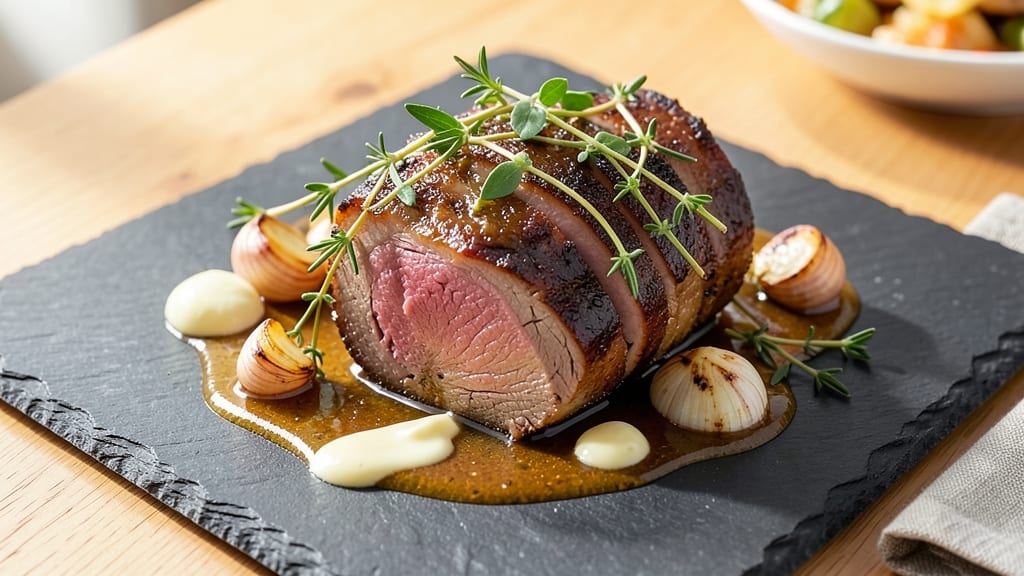
Gordon Ramsay's pork loin recipe delivers the restaurant-quality roast you've been craving—juicy, perfectly medium-rare in the center, and encased in a fragrant herb crust that locks in every flavor. The secret lies in precise temperature control, a technique Ramsay swears by to ensure tender meat with a golden, caramelized exterior. After years of perfecting this dish, I've replicated his method to bring that Michelin-starred result to your home kitchen.
What sets this recipe apart is the combination of searing and roasting, which creates a crust that's both crisp and aromatic while keeping the interior moist and perfectly cooked to 145°F internal.
The herb crust—made with fresh rosemary, thyme, and garlic—adds layers of flavor without overpowering the natural taste of the pork. Ramsay's approach eliminates guesswork by using a meat thermometer, ensuring you never overcook this luxurious cut.
By the time you slice into this roast, you'll be rewarded with a tender, medium-rare center that practically melts in your mouth, surrounded by a crust that's rich, caramelized, and infused with herbaceous notes.
The juices will flow freely, proving that restaurant-quality pork loin isn't reserved for fine dining—it's achievable in your own kitchen with the right technique.
Pair it with a classic apple sauce or roasted seasonal vegetables to complete the meal. The precision in this recipe means no second-guessing, just a perfectly executed dish that will impress even the most discerning guests. Let's get started on mastering this technique.
Ingredients for gordon ramsay pork loin
This Michelin-worthy pork loin recipe demands premium ingredients for that signature Ramsay crust and perfect medium-rare center.
| Ingredient | Amount | Notes |
|---|---|---|
| Pork Loin 🥩 | 2 lb | Center-cut, bone-in preferred |
| Fresh Rosemary 🌿 | ¼ cup | Finely chopped, stems removed |
| Fresh Thyme 🌿 | 0.15 cup | Leaves only, stems discarded |
| Garlic Cloves 🧄 | 8 cloves | Minced, for herb crust |
| Extra-Virgin Olive Oil 🫒 | ¼ cup | High-quality, fruity variety |
| Unsalted Butter 🧈 | ½ cup | Cold, cubed for crust |
| Diamond Crystal Kosher Salt 🧂 | 1 ½ tsp | For crust and seasoning |
| Freshly Ground Black Pepper 🌶️ | 1 tsp | Cracked over crust |
| All-Purpose Flour 🌾 | 1 tbsp | For dredging sear |
| Dried Mustard 🌶️ | 1 tsp | For crust depth |
| Fresh Lemon Juice 🍋 | 1 tbsp | Brightens herb crust |
The pork loin cut is non-negotiable here—center-cut bone-in delivers the best balance of tenderness and flavor. Source from a reputable butcher or Whole Foods for optimal marbling. If buying pre-portioned, ensure it's 1.5 to 2 inches thick for even cooking. The herb crust relies on fresh rosemary and thyme—avoid dried substitutes, as they lack the aromatic depth. For the garlic, peel and mince just before using to preserve its pungency. The olive oil should be extra-virgin with noticeable peppery notes—California Olive Ranch or Colavita are excellent choices.
No fresh rosemary? Substitute with 1 tbsp dried rosemary, but reduce thyme to 0.1 tbsp to maintain balance. Running short on butter? Use ghee at the same quantity—it has a higher smoke point for searing. The mustard adds complexity; if unavailable, Dijon-style prepared mustard works in a pinch. For the lemon juice, bottled is acceptable, but fresh yields superior brightness. The flour is merely for dredging—all-purpose or bread flour both work. Prefer a different herb profile? Swap thyme for 0.1 cup fresh sage, but adjust cooking time slightly as sage burns more quickly.
Pork loin should rest 15-20 minutes before slicing to retain juices. Store any leftovers in an airtight container for up to 3 days in the refrigerator, though Ramsay would argue it's best consumed fresh. For reheating, use low heat in a skillet with a splash of broth to prevent drying. The herb crust freezes beautifully—portion and freeze individual slices for quick meals. When thawing, use the refrigerator overnight for optimal texture preservation.
Why You'll Love This Recipe
- Minimal Chopping Required: I swear by this—just a few garlic cloves and a sprig of rosemary to make it sing. No dicing, no mincing, no fuss. The pork loin stays thick and juicy while those herbs infuse every bite with that earthy, aromatic punch.
- Crispy Edge Magic: That sear in the pan? Chef’s kiss. The olive oil caramelizes the outside into golden perfection while the inside stays tender—no dry, overcooked pork here. It’s the kind of texture that makes you close your eyes and savor it.
- Weeknight or Weekend Star: Between us, this is my go-to for both lazy Tuesdays and impressing guests. Serve it sliced over crusty bread with a drizzle of that same olive oil, or plate it with roasted veggies. Same recipe, zero stress, maximum wow.
- Leftover Goldmine: Honestly, I make this on purpose just to have leftovers. The flavor only gets better the next day—perfect for sandwiches, salads, or even breakfast hash. And since pork loin is budget-friendly, you’re not breaking the bank for seconds.
Step-by-step instructions for herb-crusted pork loin roast
Master the technique for a perfectly pink center with an aromatic herb crust every time.
👨🍳 Step 1: Prepare the Herb Crust Mixture
In a food processor, pulse the 0.25 cup fresh rosemary and 0.15 cup fresh thyme until finely chopped but not pasty. Transfer to a mixing bowl and add the 8 cloves minced garlic, 1 tbsp all-purpose flour, 1 tsp dried mustard, 1 tbsp fresh lemon juice, 1.5 tsp kosher salt, and 1 tsp freshly ground black pepper. Mix until completely combined.
Next, cut the 0.5 cup unsalted butter into small cubes and add to the herb mixture. Using your hands, work the butter into the herbs until you achieve a coarse, pea-sized crumb texture. This ensures even distribution of flavor throughout the crust. The mixture should hold together when pressed but still crumble easily.
🍳 Step 2: Sear the Pork Loin for Maximum Flavor
Preheat your oven to 425°F. Pat the 2 lb pork loin dry with paper towels—this is critical for achieving a crisp crust. Place the pork on a cutting board and generously press the herb butter mixture all over the surface, covering every inch completely. Let it sit at room temperature for 15 minutes to allow the crust to adhere.
Heat 0.25 cup extra-virgin olive oil in a large oven-safe skillet over medium-high heat until shimmering. Place the pork loin in the skillet and sear for 3-4 minutes per side until deeply golden brown. The crust should release easily from the pan when ready—this indicates proper searing. Transfer the skillet to the preheated oven.
⏰ Step 3: Roast to Perfect Medium Rare
Roast the pork for 20-25 minutes for medium rare, checking the internal temperature with a meat thermometer. The target is 130-135°F at the thickest part—this ensures a perfect pink center while maintaining juiciness. The crust should be deeply golden and crisp, with the herbs releasing their aromatic oils.
Real talk: Your oven might run hot, so start checking at the 20-minute mark. If the crust browns too quickly, tent loosely with foil to prevent over-browning while maintaining temperature. The pork is done when it reaches 130-135°F and the crust is beautifully caramelized.
🔪 Step 4: Rest and Slice for Maximum Juiciness
Remove the pork from the oven and transfer it to a cutting board. Tent loosely with foil and let it rest for 10-15 minutes before slicing. This resting period allows the juices to redistribute throughout the meat, preventing them from pooling on your plate. The internal temperature will rise another 5°F during resting—account for this when checking doneness.
Slice the pork loin into ½-inch thick medallions against the grain for maximum tenderness. Serve immediately with the pan juices reduced slightly for a glossy finish. The crust should be fragrant with rosemary and thyme, while the meat remains perfectly pink at the center with a delicate sear on the outside.
Pro Tips For Making Gordon Ramsay Pork Loin
- USE A MEAT THERMOMETER: I learned this the hard way—pork loin can go from perfect to dry in seconds. Pull it at 140°F (it’ll rise to 145°F while resting), and don’t guess. That extra 5°F makes all the difference when you’re aiming for juicy, not chewy.
- SMASH THE GARLIC: Don’t just mince it—smash those cloves with the flat side of your knife first. The flavor punches harder, and it blends better into the olive oil without turning into a paste. (Yes, even if you’re impatient like me.)
- DON’T SKIP THE ROSEMARY SPRINKLE: After searing the pork, hit it with a final pinch of fresh rosemary before resting. The heat wakes up the oils in the needles, giving you that aromatic crust Ramsay’s version is known for. Skip this, and you’re missing the real deal.
- REST IT COVERED: I used to let my pork loin sit naked on the cutting board, thinking it’d stay warm. Wrong. Tent it with foil for 5–10 minutes—traps the steam, keeps it moist, and makes slicing cleaner. (Your future self will thank you.)
Health benefits of this gordon ramsay pork loin
Lean Protein Powerhouse
Pork loin is one of the leanest cuts of pork, with just 3 grams of fat per 3-ounce serving—about half the fat of other cuts like pork chops.
This makes it an excellent choice for those watching their fat intake while still getting 26 grams of high-quality protein per serving. The herb crust adds minimal calories but packs serious flavor, keeping the dish satisfying without the guilt. 💪
Rich in Essential Vitamins
This cut delivers a powerhouse of nutrients, including B vitamins like niacin (B3) and thiamine (B1), which support energy metabolism and nervous system function. A 3-ounce serving provides about 40% of your daily niacin needs, helping convert food into energy efficiently.
The rosemary and thyme in the crust also contribute antioxidant properties that combat oxidative stress.
Herb Benefits Boost
The star herbs—rosemary and thyme—aren’t just for flavor. Rosemary contains carnosic acid, a compound shown to improve memory and reduce inflammation. Thyme is packed with flavonoids that support immune function.
Together, they create a flavor profile that’s both delicious and beneficial, making this dish a wellness win. The garlic in the crust adds allicin, a compound with antimicrobial properties.
Low-Calorie Luxury
At just 160 calories per 3-ounce serving, this herb-crusted pork loin feels indulgent without the calorie bomb. The crust adds texture and depth without significant calories—0.5 cup butter in the mixture is balanced by the lean protein.
This makes it perfect for a lighter weeknight dinner that still feels special. Pair it with roasted vegetables to keep it balanced and satisfying. ✨
Digestive Benefits
The combination of lean protein and fiber-rich sides (like roasted Brussels sprouts) supports digestive health. Pork loin is naturally low in fiber, but the herb crust’s garlic and lemon juice act as natural digestive aids.
The mustard in the crust adds a touch of sinigrin, a compound that may help stimulate digestion. For an extra boost, serve with a side of sautéed greens or a simple apple sauce.
Nutrition facts
Frequently asked questions
Why does Gordon Ramsay recommend searing pork loin before roasting?
Searing creates a flavorful crust through the Maillard reaction, locking in juices while building depth of flavor. This two-step method (sear + roast) ensures a perfectly pink center with a caramelized exterior—exactly what makes this dish restaurant-quality. The crust also helps retain moisture during cooking.
Can I cook pork loin to well-done instead of medium-rare?
You can, but the texture will be drier. For well-done, aim for 160°F internal and reduce roasting time to 15-18 minutes after searing. To compensate, slice thinner (¼-inch) and serve with extra sauce or gravy to keep it moist. Ramsay's method prioritizes medium-rare for optimal tenderness.
How do I adjust this recipe for a thicker or thinner pork loin?
Adjust cooking time based on thickness: 1-inch thick needs 15-20 minutes roasting, while 2.5-inch thick may require 30-35 minutes. Always use a meat thermometer—130-135°F for medium-rare. For thicker cuts, sear longer (5 minutes per side) to ensure proper crust formation.
What's the best way to reheat leftover pork loin?
Slice leftovers and reheat in a skillet over low heat with a splash of broth or apple cider for 2-3 minutes per side. Never microwave—it dries out the meat. For extra crispiness, broil for 1-2 minutes after reheating. Store in an airtight container for up to 3 days.
Can I substitute bone-in pork loin for boneless?
Yes, but boneless cooks slightly faster. If using boneless, reduce roasting time by 5 minutes and check temperature 5°F earlier since it loses heat faster. Bone-in stays more stable and juicy. For boneless, pat extra dry to prevent steam from forming under the crust.