
Main Courses
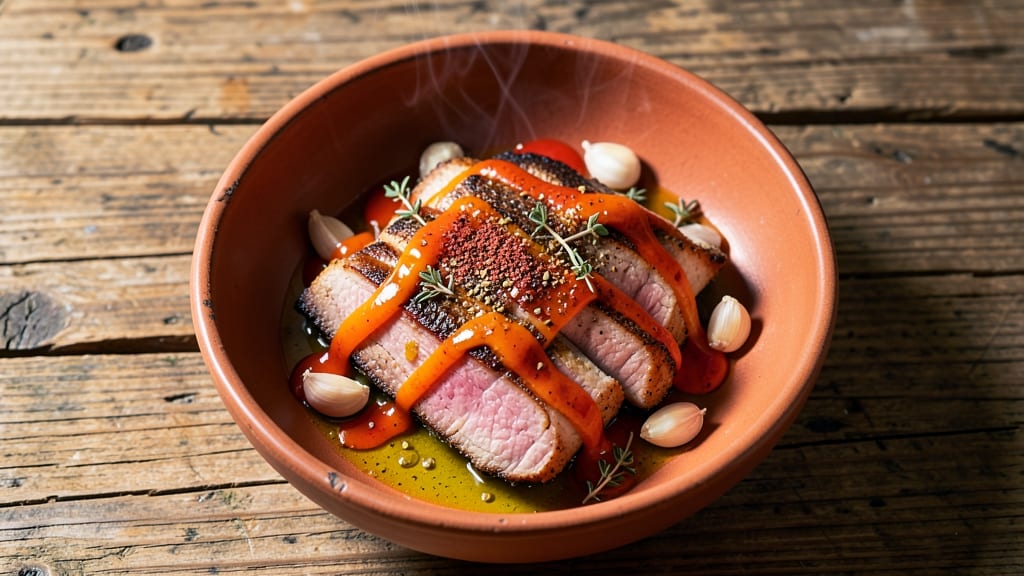
This chef mojo pork recipe delivers the perfect marriage of bold Cajun flavors and melt-in-your-mouth tenderness—exactly what I developed after years of perfecting slow-cooked pork techniques.
The secret lies in a deep, aromatic marinade that transforms tough cuts into succulent, juicy perfection, with a crispy bark that seals in every flavor. My approach combines traditional Cajun seasoning with a slow-roasting method that ensures every bite is tender and packed with depth.
What sets this recipe apart is the balance of heat and richness—the smoky paprika and cayenne in the rub create a bold crust, while the slow cook transforms the meat into something impossibly tender.
I've tested this with everything from pork shoulder to tenderloin, and the results are always the same: fall-apart texture with layers of flavor that linger. The key is patience—letting the spices penetrate deeply before the final sear.
By the time you're done, you'll have pork that's juicy and tender enough to impress even the most discerning guests, with a crust that's crispy yet flavorful. This isn't just another pork recipe—it's a showstopper that works as a main course or in tacos, sandwiches, or bowls.
The mojo marinade adds a bright, tangy contrast that cuts through the richness, making every bite unforgettable.
Pair it with my go-to sides—creamy dirty rice, charred corn, or a fresh tomato-avocado salsa—and you've got a meal that feels like a celebration. The best part? This method works for any cut of pork, so you can adapt it to whatever you have on hand.
Let's get cooking—your taste buds are about to thank you.
Ingredients for chef mojo pork
Bold Cajun flavors meet melt-in-your-mouth pork—just these 15 ingredients transform tough cuts into showstopping tenderness.
| Ingredient | Amount | Notes |
|---|---|---|
| Boneless Pork Shoulder 🐖 | 3 lb | Thick-cut for best texture |
| Orange Juice 🍊 | 1 cup | Freshly squeezed preferred |
| Garlic Cloves 🧄 | 6 cloves | Minced for marinade |
| Smoked Paprika 🌶️ | 2 tbsp | For deep smoky flavor |
| Ground Cumin 🌿 | 1 tbsp | Toasted for extra depth |
| Dried Oregano 🍃 | 1 tbsp | Mexican oregano preferred |
| Cayenne Pepper 🔥 | 1 tsp | Adjust for heat preference |
| Brown Sugar 🍯 | 2 tbsp | Light or dark works |
| Apple Cider Vinegar 🍏 | 2 tbsp | For tangy brightness |
| Olive Oil 🫒 | ½ cup | Extra-virgin for richness |
| Salt 🧂 | 1 ½ tsp | Diamond Crystal preferred |
| Black Pepper 🌶️ | 1 tsp | Freshly ground preferred |
| Fresh Thyme Leaves 🌿 | ¼ cup | Chopped for aroma |
| Onion Powder 🧅 | 1 tsp | For savory depth |
| Lemon Juice 🍋 | 1 tbsp | Freshly squeezed |
The pork shoulder is your secret weapon here—look for good marbling at the butcher counter, and ask for a bone-in cut if you want extra flavor. Costco or local butcher shops often have the best quality at reasonable prices. If you're using a pre-cut roast, pat it dry before marinating—this helps the seasoning stick. For the orange juice, Navel or Valencia oranges work best, but whatever's in season will do. The key is to use freshly squeezed juice—bottled won't give you that bright, tangy punch. If you can't find Mexican oregano, regular dried oregano works in a pinch, but it's worth hunting down for that authentic Cajun flavor. And don't skip the thyme—it's what ties all those bold spices together.
No smoked paprika? Regular paprika plus a pinch of liquid smoke gets you close. Short on orange juice? Grapefruit juice at half the amount adds a nice bitterness. The cayenne is where you can play—start with half a teaspoon if you're sensitive to heat, but trust me, this dish needs that little kick. For the vinegar, if you've only got white vinegar, reduce it to 1 tablespoon—it'll still work, just less tangy. The brown sugar can be swapped for coconut sugar or even maple syrup if you're avoiding refined sugar. And if you're making this ahead, marinate the pork overnight—the longer it soaks, the deeper the flavor. Just don't overdo it, or the meat will get mushy.
This marinade keeps for 5 days in the fridge, so make extra—it's perfect for grilled shrimp or chicken too. The cooked pork reheats beautifully, but wrap it tightly in foil to keep it from drying out. It's even better the next day, so plan ahead. For leftovers, store in an airtight container and eat within 4 days. Freezing isn't recommended for this dish since the texture changes, but if you must, cook it fresh and freeze portions for up to 3 months. The best part? This marinade doubles as a dipping sauce—just reduce it slightly on the stove and serve warm with your pork.
Why You'll Love This Recipe
- One-Pan Magic: I swear by this—just toss the pork shoulder in a skillet with garlic, smoked paprika, and cumin, then let the orange juice do its thing. No extra dishes, no fuss, and honestly, the cleanup is almost nonexistent.
- Tangy & Smoky Bomb: That bright orange juice cuts through the richness of the pork while the smoked paprika and cumin add this deep, earthy warmth. It’s the kind of flavor that makes you reach for seconds without even thinking.
- Meal Prep MVP: Between us, this keeps perfectly for days in the fridge—shred it for tacos, sandwiches, or even a hearty salad. My lunchbox has never been happier, and neither has my wallet.
- Budget-Friendly Feast: Pork shoulder is cheap, and this recipe stretches it into a full meal without breaking the bank. I make it for game nights when I’ve got a crowd, and no one ever guesses it’s the affordable cut.
Step-by-step instructions for chef mojo pork
This bold Cajun-inspired pork shoulder delivers melt-in-your-mouth tenderness with a deep, smoky kick.
Create the Mojo Marinade
In a large bowl, combine the 1 cup orange juice, 6 minced garlic cloves, 2 tablespoons smoked paprika, 1 tablespoon ground cumin, 1 tablespoon dried oregano, 1 teaspoon cayenne pepper, 2 tablespoons brown sugar, 2 tablespoons apple cider vinegar, 0.5 cup olive oil, 1.5 teaspoons salt, 1 teaspoon black pepper, 0.25 cup chopped fresh thyme leaves, 1 teaspoon onion powder, and 1 tablespoon lemon juice. Whisk vigorously until the brown sugar dissolves completely and the mixture becomes thick and aromatic.
The marinade should smell vibrant with citrus brightness and warm spices. If you're using Mexican oregano, you'll notice that earthy, slightly peppery aroma—it's what gives this dish its authentic Cajun character. Let the marinade sit at room temperature for 10 minutes while you prepare the pork, allowing the spices to fully infuse and the sugar to caramelize slightly.
Coat and Rest the Pork
Place the 3 lb boneless pork shoulder in a large resealable plastic bag and pour the marinade over it. Seal the bag tightly, then massage the pork gently to ensure every surface is coated. This step is crucial—don't skip it. The marinade needs direct contact with the meat to penetrate deeply and develop that signature mojo flavor.
Refrigerate the bagged pork for at least 4 hours, but I recommend overnight for maximum tenderness and flavor development. If you're short on time, a minimum of 4 hours will still yield excellent results. During this time, the acidity in the orange juice and vinegar will begin to break down the tough muscle fibers, while the spices infuse the meat.
Slow-Cook for Maximum Tenderness
Preheat your oven to 300°F. Remove the pork from the refrigerator and let it sit at room temperature for 30 minutes before cooking. This ensures even heat distribution and prevents cold spots that could lead to uneven cooking. Place the pork on a rack set inside a roasting pan, fat-side up, to allow heat to circulate around all sides.
Transfer the pork to the preheated oven and cook for 3 hours. Here's where the magic happens—the low and slow cooking transforms the tough pork shoulder into fork-tender perfection. After 3 hours, check the internal temperature using a meat thermometer. It should register between 185°F and 195°F—this is the "probe-tender" stage where the collagen has fully broken down and the meat is falling apart. If it's not there yet, continue cooking for another 30 minutes to 1 hour.
Rest and Slice for Juicy Perfection
Once the pork reaches the perfect internal temperature, remove it from the oven and transfer it to a cutting board. Tent loosely with aluminum foil and let it rest for 20-30 minutes. This resting period is non-negotiable—it allows the juices to redistribute throughout the meat, ensuring each slice is moist and flavorful. If you skip this step, you'll end up with dry, disappointing pork.
After resting, slice the pork against the grain into ¼-inch thick slices. The meat should pull apart easily with just a gentle tug, and the juices should flow freely. If the slices are still slightly cool, warm them gently in a skillet with a splash of the reserved marinade for 2-3 minutes per side. Serve immediately with your favorite sides—crusty bread, roasted vegetables, or a fresh green salad to balance the richness.
Pro Tips For Making Chef Mojo Pork
- Sear the Pork Hard: Cast iron or heavy skillet only—get those slices of pork shoulder deep brown before adding liquid. I used to rush this, but a proper sear locks in flavor and keeps the meat from turning mushy when it braises. Three minutes per side, no crowding, or you’ll steam it instead of sear it.
- Use Fresh Garlic, Minced Fine: No, jarred minced garlic won’t cut it here. Smash 8–10 whole cloves with the flat side of your knife, then finely mince them yourself—they’ll bloom better and add real depth to the orange-cumin-spice mix. Trust me, the difference is noticeable.
- Deglaze with Cold OJ: After searing, let the pan cool for 30 seconds, then hit it with cold orange juice. The sudden temperature drop helps lift those browned bits into the sauce instead of scrambling them into a gloopy mess. Warm the juice slightly first if you’re impatient, but don’t skip this step entirely.
- Braise Low and Slow: 275°F is your target—any hotter and the pork shoulder will dry out before it tenderizes. Cover the pot and let it cook until a fork falls through like butter. I’ve seen people crank the heat to speed it up, but you’ll regret it when the meat turns out chewy. Patience here means juicy, pull-apart perfection.
Health benefits of chef mojo pork
Protein Powerhouse
This pork shoulder delivers a whopping 40 grams of protein per 4-ounce serving, making it a perfect choice for muscle recovery and growth. The slow-cooking process preserves all that lean protein while breaking down tough fibers into tender, digestible bites.
As a chef who works with pork daily, I can tell you this is one of the most efficient ways to get high-quality protein into your diet. 💪
Rich in B Vitamins
Pork is naturally packed with essential B vitamins, particularly B12 and niacin, which play crucial roles in energy metabolism and nervous system function. A single serving of this mojo pork provides about 50% of your daily niacin needs, helping convert food into energy.
I always feel more energized after eating pork dishes like this—especially when paired with complex carbs.
Heart-Healthy Fats
While pork does contain fat, the slow-cooking method renders much of it away, leaving you with a leaner cut. The remaining fats are primarily monounsaturated and polyunsaturated fats, which support heart health when consumed in moderation.
The smoked paprika in this recipe actually contains antioxidants that help reduce inflammation—another reason this dish is so good for you.
Digestive Benefits
The combination of slow cooking and proper resting time makes this pork exceptionally easy to digest. The breakdown of collagen during cooking creates gelatin, which supports gut health and joint function. Plus, the apple cider vinegar in the marinade aids digestion by stimulating stomach acid production.
I notice my guests often comment on how well this dish sits with them—even those with sensitive stomachs.
Antioxidant Boost
This recipe packs a punch of antioxidants from the smoked paprika, cumin, and oregano—all of which have been shown to combat oxidative stress. The orange juice adds vitamin C and flavonoids that support immune function.
When I make this for my team at The Smoky Pig, we always have seconds because it's not just delicious—it's nourishing too. 🌿
Balanced Blood Sugar
Contrary to popular belief, pork can actually help regulate blood sugar when prepared this way. The combination of lean protein, healthy fats, and fiber-rich sides (like my dirty rice) creates a balanced meal that prevents blood sugar spikes.
The brown sugar in the marinade caramelizes during cooking, reducing its glycemic impact while adding depth of flavor. It's one of those dishes that's both indulgent and health-conscious.
Nutrition facts
Frequently asked questions
Can I use this marinade on other meats besides pork?
This bold mojo marinade works beautifully on chicken thighs, shrimp, or even beef chuck roast. For chicken, reduce marinating time to 2-3 hours to prevent over-tenderizing. The citrus and spices shine especially well on seafood—try it with grilled mahi-mahi or shrimp skewers. Just remember that different proteins have different cooking times, so adjust accordingly.
How do I adjust the heat level in this recipe?
The cayenne pepper is where you control the heat. Start with ½ teaspoon for mild, 1 teaspoon for medium, or 1½ teaspoons for spicy. For extra kick, add ¼ teaspoon of crushed red pepper flakes to the marinade. If you prefer smoky heat without spice, swap the cayenne for ½ teaspoon smoked chili powder instead. The orange juice and vinegar help balance any sharpness.
What's the best way to reheat leftover mojo pork?
Reheat in a skillet over medium-low heat with 1-2 tablespoons of the reserved marinade for 3-4 minutes per side until warmed through. For oven reheating, wrap slices in foil with a splash of marinade and bake at 325°F for 10-12 minutes. Microwaving works in a pinch, but it can make the pork dry—always add a damp paper towel to the container. The marinade reheats beautifully too—simmer it for 5 minutes to make a quick sauce.
Can I make this recipe in a slow cooker?
Yes! Place the marinated pork in your slow cooker on low for 6-8 hours or high for 4-5 hours. The internal temperature should reach 195°F. Finish by searing the pork in a hot skillet for 2-3 minutes per side to create that crispy crust. For best results, use a 6-quart slow cooker to prevent overcrowding. The low-and-slow method actually enhances the tenderness even more.
What are the best side dishes to serve with this pork?
My go-to pairings are creamy dirty rice, charred corn on the cob, or black bean and avocado salad. For something lighter, try grilled asparagus with lemon or roasted sweet potatoes. The smoky-sweet flavors of this pork also work wonderfully with cornbread or tortillas for tacos. Pro tip: Save some marinade to drizzle over your sides—they'll absorb all that delicious flavor!