
Main Courses
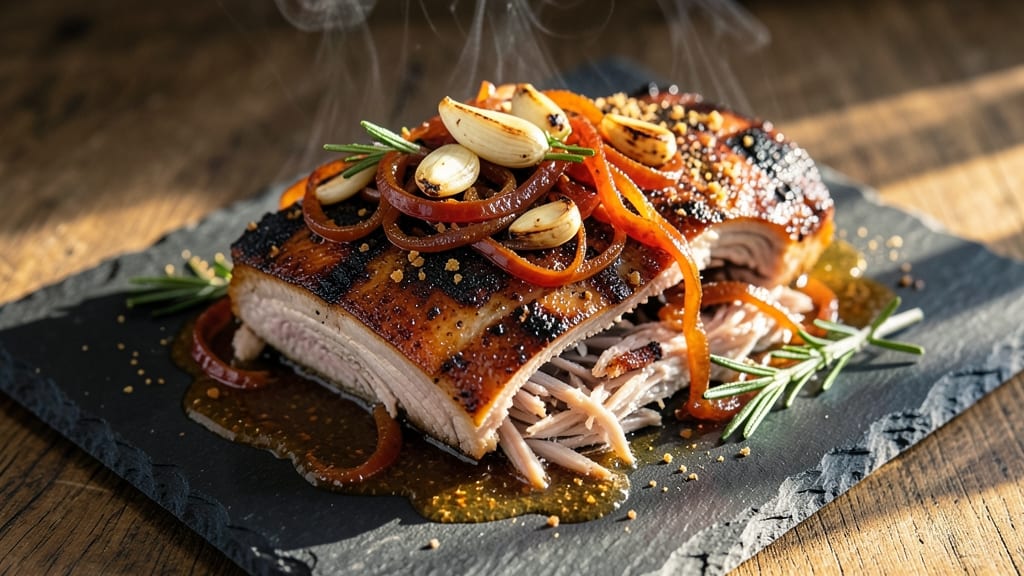
Charcoal grill pulled pork transforms tough pork shoulder into melt-in-your-mouth perfection with just fire, patience, and a well-chosen rub. 🔥 I've spent years perfecting this technique—where the smoky bark meets tender, juicy meat that practically falls apart at the touch. The secret lies in low-and-slow grilling over indirect heat, letting the collagen break down while the fat renders into flavor. What sets this recipe apart is the one-pan approach, eliminating the need for a slow cooker or oven. You'll start with a dry rub of paprika, brown sugar, and garlic powder that creates that coveted crust, then move the pork to indirect heat where it cooks until fork-tender. The key temperature to watch? 203°F internal—any lower and you risk dryness, any higher and you lose that perfect texture. By the time you're done, you'll have pulled pork so tender it shreds effortlessly, with a deep smoky flavor that comes from hours spent over real charcoal. The bark stays crispy while the meat inside remains succulent—a balance that takes practice but delivers restaurant-quality results every time. This isn't just pulled pork; it's a centerpiece for your next gathering. Serve it on buns with tangy coleslaw or alongside cornbread for a complete meal. The leftovers? Even better the next day. Let's get grilling—this is how you make memories over fire.
Ingredients for charcoal grill pulled pork
Four pounds of pork shoulder and a handful of pantry staples—this is all you need for smoky, fall-apart pulled pork.
| Ingredient | Amount | Notes |
|---|---|---|
| Pork Shoulder (Boston Butt) 🐖 | 4 lb | Bone-in, well-marbled preferred |
| Yellow Onion 🧅 | 1 whole | Large, roughly chopped |
| Garlic Cloves 🧄 | 6 cloves | Peeled, minced for rub |
| Smoked Paprika 🌶️ | 2 tbsp | For deep smoky flavor |
| Brown Sugar 🍚 | ½ cup | Light or dark variety |
| Garlic Powder 🧄 | 1 tbsp | Freshly ground preferred |
| Ground Black Pepper 🌶️ | 1 tbsp | Freshly cracked |
| Kosher Salt 🧂 | 1 tbsp | Diamond Crystal preferred |
| Apple Cider Vinegar 🍏 | ¼ cup | For tangy balance |
| Charcoal Briquettes 🔥 | 2 lbs | Lump charcoal for best heat |
| Wood Chips (Hickory or Oak) 🌳 | 1 cup | Soaked for smoky flavor |
| Unsalted Butter 🧈 | 2 tbsp | For basting pork |
| Fresh Parsley 🌿 | ¼ cup | Chopped, for garnish |
The pork shoulder is the star here—look for a well-marbled Boston butt with good fat distribution. Costco or your local butcher are great spots for a whole cut. If you're buying pre-cut, make sure it's bone-in for better flavor and moisture. The rub ingredients are simple but powerful: smoked paprika gives that signature bark, while brown sugar caramelizes beautifully during grilling. For the charcoal, lump charcoal burns hotter and cleaner than briquettes, but if you're using briquettes, go for a brand like Kingsford—they're reliable for long cooks. Soak the wood chips for at least 30 minutes before grilling to prevent flare-ups.
No smoked paprika? Regular paprika plus a pinch of liquid smoke works in a pinch. Running short on apple cider vinegar? Balsamic vinegar or even a splash of lemon juice will do. The butter is non-negotiable for basting—it keeps the meat juicy and adds richness. If you're worried about the pork being too dry, add a splash of beef broth to the pan every hour. For the wood chips, hickory gives classic BBQ flavor, but oak works too. If you're using a chimney starter, light it 30 minutes before grilling to get your coals ready for the long haul.
This pork is best made a day ahead—flavors meld beautifully overnight. Store leftovers in the fridge for up to 5 days or freeze for 3 months. For serving, I like to shred it right on the grill with two forks, then mix in a splash of the cooking juices. The bark stays crispy if you keep it on the grill until serving. If you're prepping for a crowd, double the recipe—it reheats perfectly in a covered pan with a little extra broth.
Why You'll Love This Recipe
- Smoky-Sweet Magic: That first bite? The crispy bark from the charcoal meets the tender, sticky pork soaked in caramelized onion and garlic—it’s like a hug from a food truck. The brown sugar and smoked paprika turn this into something that tastes like it simmered all day, even if it’s ready in a few hours.
- Leftovers That Shine: Between us, this recipe makes way more than I need for one meal. I freeze half for lazy Mondays, and the rest? Perfect for tacos, sandwiches, or even loaded baked potatoes. Honestly, the second day is when it really hits—because the flavors deepen like a good wine.
- Budget Feast for Crowds: A whole pork shoulder feeds six people for under $20. That’s right—one cut of meat, a handful of pantry staples, and I’ve got a meal that feels fancy but costs less than takeout. Plus, the leftovers stretch for days, so it’s basically free money in my food budget.
Step-by-step instructions for charcoal grill pulled pork
Here's how to transform that pork shoulder into melt-in-your-mouth perfection on your charcoal grill.
🔥 Step 1: Prep the Pork and Make the Rub
Start by patting the 4 lb pork shoulder (Boston Butt) dry with paper towels—this helps the rub stick and the bark develop. In a large bowl, combine the 1 whole yellow onion (roughly chopped), 6 peeled garlic cloves (minced), 2 tbsp smoked paprika, 0.5 cup brown sugar, 1 tbsp garlic powder, 1 tbsp ground black pepper, and 1 tbsp kosher salt. Pulse in a food processor until finely ground, or crush with a mortar and pestle if you're feeling old-school.
Generously coat the pork with the rub, pressing it into every nook and cranny. Wrap it tightly in plastic wrap and refrigerate for at least 4 hours (overnight is even better). This step ensures deep flavor penetration and juicy results. Real talk: don't skip the resting time—it makes all the difference.
🔥 Step 2: Set Up Your Charcoal Grill for Low and Slow
Soak the 1 cup wood chips (hickory or oak) in water for 30 minutes to prevent flare-ups. While they soak, arrange 2 lbs charcoal briquettes in a pyramid shape in your grill. Once lit, spread the coals evenly and add the soaked wood chips. Let it burn until you see clean, blue smoke (about 15-20 minutes). This is your signal that the grill is ready for the pork.
Adjust the vents to maintain a temperature of 225-250°F. I like to use a grill thermometer to monitor this—charcoal heat can be tricky to judge by feel alone. Place the pork fat-side up on the grill grates. The fat will render and baste the meat as it cooks, keeping it moist and flavorful.
⏰ Step 3: Smoke the Pork Until Probe-Tender
Close the grill lid and let the pork smoke undisturbed for 6-8 hours. Here's the thing—resist the urge to peek or move it. Every time you open the lid, you lose heat and moisture. You'll know it's ready when the internal temperature reaches 195-203°F and a knife slides in like butter with no resistance. This usually takes 8-10 hours total, but trust the thermometer over time.
About 1 hour before it's done, add the 2 tbsp unsalted butter to the grill. The pork will release its own juices, and the butter will help create a glossy finish. If the pork starts to dry out, you can wrap it in butcher paper (not foil—it breathes better) and return it to the grill for another 1-2 hours. This technique, called the "Texas crutch," helps power through the stall while keeping that beautiful bark.
🍽️ Step 4: Rest and Shred the Pulled Pork
Once the pork reaches the perfect temperature, transfer it to a cutting board and let it rest for 30-45 minutes. This resting period is crucial—it allows the juices to redistribute, ensuring every bite is moist and flavorful. While it rests, tent it loosely with foil to keep it warm.
To shred, locate the grain direction (you'll see lines running through the meat) and pull the pork apart using two forks. If it's not shredding easily, give it a few more minutes to rest. Discard any large fat chunks, then mix in the 0.25 cup apple cider vinegar and 0.25 cup chopped fresh parsley. The vinegar adds a tangy brightness that cuts through the richness of the pork, while the parsley adds a fresh finish.
Pro Tips For Making Charcoal Grill Pulled Pork
- CRANK THE HEAT FIRST: Charcoal grill pulled pork needs a 400°F+ sear for that deep crust—don’t skimp on the initial blaze. I used to play it safe with medium heat and ended up with bland, gray meat. Light the coals in a pile, wait until they’re white-hot, then spread them out. That first 20 minutes of direct heat locks in flavor and keeps the meat from drying out later.
- CHOP ONIONS LIKE IT’S 1995: Tiny onion pieces disappear into the rub and don’t caramelize properly. Cut them into ¼-inch chunks—big enough to stay visible but small enough to cook through. (Yes, even if you’re impatient like me.) My grandmother swore by this, and she was right: you’ll taste the sweetness in every bite, not just a few lucky spots.
- SKIP THE FOIL AFTER 3 HOURS: Wrapping too early turns your pork into a sad, mushy mess. Let it cook uncovered for the first 3 hours—this builds that smoky bark and renders fat properly. After that? Foil it up for the last hour to trap steam and keep it tender. I learned this the hard way after serving a batch that fell apart like wet cardboard.
- USE WET RUB, NOT DRY: Mix your smoked paprika, brown sugar, and garlic into a paste with apple cider vinegar or mustard—about 2 tablespoons liquid per pound of meat. The moisture helps the spices stick and caramelizes into a sticky, flavorful crust. Dry rubs work, but this method makes a real difference, especially on a charcoal grill where wind can blow spices away.
Common mistakes when making great charcoal grill pulled pork
Skipping the Rest
I can't stress this enough—never skip the 30-45 minute rest after removing pork from the grill. The juices need time to redistribute, and cutting into it too soon sends all that precious moisture running out.
I've seen home cooks rush this step and end up with dry, crumbly pork that falls apart before hitting the plate. Trust me, patience here pays off with every tender bite. 💪
Peeking Too Often
Charcoal grills are temperamental, and every time you lift that lid, you lose heat and moisture—both critical for perfect pulled pork. I've caught myself doing this too, especially when I'm eager to check progress.
Set a timer and resist the urge! If you must peek, do it quickly and close the lid fast. A good rule of thumb: only check with a meat thermometer—no guessing games. ⏰
Wrong Temperature Range
Many home cooks either overcook or undercook their pork, both leading to disappointing results. Aim for 203°F internal temperature—any lower and you risk toughness, any higher and you'll dry out the meat.
I've seen people pull pork at 190°F and wonder why it's not falling apart. Use a meat probe thermometer (like the ThermoWorks Smoke) for accuracy—it's worth the investment. 🌡️
Using the Wrong Wood
Not all wood chips are created equal! While hickory and oak are classic choices for pulled pork, fruit woods like cherry or apple can overpower the meat's natural flavor. I've made this mistake with mesquite—it gave the pork a bitter, almost medicinal taste.
Stick to hickory or oak for that authentic BBQ flavor profile. If you're experimenting, start with just ½ cup of alternative wood to test the flavor balance. 🌳
Ignoring the Fat Cap
The fat on pork shoulder isn't just for flavor—it's your built-in basting system. When you place the pork fat-side up, that rendered fat drips down and keeps the meat moist. I've seen people trim it off before grilling, thinking it's unhealthy.
Keep that fat cap intact! If it gets too thick, you can trim it down to about ¼ inch—just don't remove it completely. The fat is your friend here. 🧂
Not Adjusting for Weather
Wind, humidity, and even the time of year can throw off your grill temperature. On a windy day, your grill will cool faster, requiring more charcoal. In high humidity, the wood chips might produce more smoke than heat.
I learned this the hard way during a coastal ride—my pork took 2 extra hours to cook because of the breeze. Keep an extra bag of charcoal on hand and monitor your temperature closely. Adjust vents as needed to maintain that 225-250°F range. ⚡
Nutrition facts
Frequently asked questions about charcoal grill pulled pork
How do I know when my pulled pork is done on the grill?
Use a meat thermometer to check the internal temperature—it's done when it reaches 203°F. The knife test works too: if a sharp knife slides in like butter with no resistance, it's ready. Never judge by time alone, as grill temperatures can vary.
Can I use pork shoulder instead of pork butt?
Yes! Both work, but pork butt (Boston butt) has slightly more marbling and fat, which makes it more forgiving for long grilling. Pork shoulder is leaner, so keep an extra eye on the temperature to avoid dryness. Either cut will give great results with this recipe.
What's the best way to keep the pork moist during grilling?
Place the pork fat-side up so the rendered fat bastes the meat, and wrap it in butcher paper (not foil) if it starts to dry out. Basting with melted butter every 1-2 hours also helps maintain moisture. The Texas crutch method—wrapping in butcher paper—is my secret weapon.
How long can I store leftover pulled pork?
Store in an airtight container in the fridge for up to 5 days, or freeze for 3 months. The flavor actually improves overnight! Reheat gently in a covered pan with a splash of broth to keep it juicy. Freeze portions in single-serving bags for easy meals.
What are the best sides to serve with this pulled pork?
Classic pairings include tangy coleslaw, buttery cornbread, or grilled vegetables. For a full meal, add a crisp green salad with apple cider vinaigrette. The smoky pork works well with anything that balances its richness.