
Main Courses
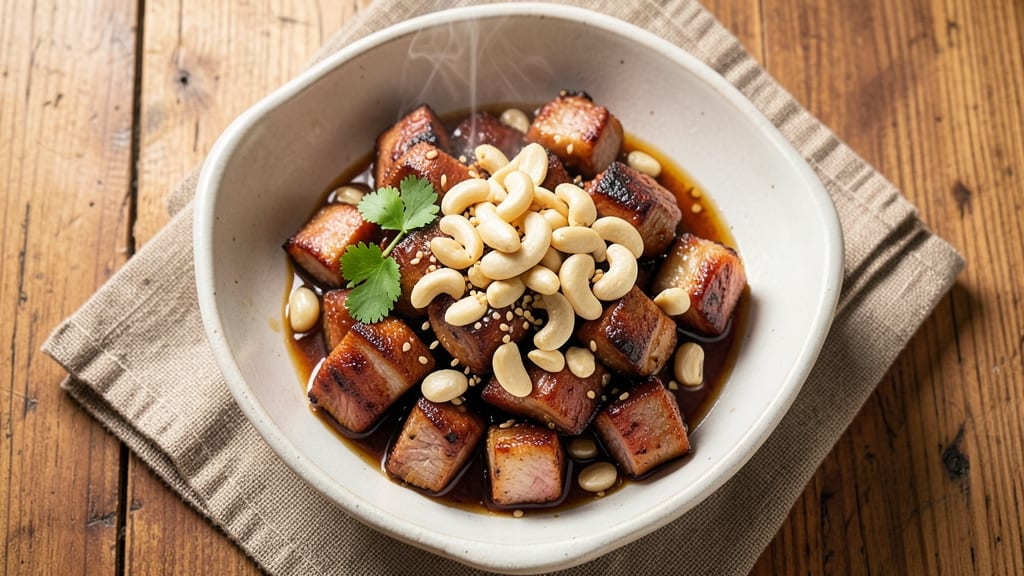
This cashew pork stir fry delivers the perfect balance of crispy pork, nutty cashew creaminess, and vibrant vegetables—all achieved in one pan.
I developed this recipe after years of perfecting stir-fry techniques in my Atlanta kitchen, where I learned that high heat and quick cooking preserve texture while building deep flavor.
The secret lies in properly searing the pork first to lock in juices before tossing everything together in a wok or cast iron skillet.
What sets this dish apart is the cashew sauce, which adds rich, velvety texture without overpowering the pork's natural savoriness. I use a blend of toasted cashews and coconut milk for that signature creamy consistency, but you can easily adapt it to be dairy-free or nut-free with simple swaps.
The stir-fry method ensures your vegetables stay crisp-tender while the pork achieves that perfect caramelized crust.
By the time you're done, you'll have a restaurant-quality meal that's ready in under 30 minutes—golden brown pork, bright vegetables, and a sauce that coats every bite. The combination of textures and flavors makes this dish equally satisfying as a weeknight dinner or a weekend gathering centerpiece.
Serve it over steamed jasmine rice or noodles for the full experience.
One of my favorite memories from cooking this dish comes from teaching it to my apprentice during a particularly busy week at The Smoky Pig. We were racing to get 2,000 pounds of pork processed, but this stir-fry came together effortlessly between shifts.
That's the beauty of this recipe—it's simple enough for any night but impressive enough to serve guests. Let's get cooking!
Ingredients for cashew pork stir fry
Crispy pork, toasted cashews, and vibrant stir-fry veggies—just 15 ingredients for a restaurant-worthy meal.
| Ingredient | Amount | Notes |
|---|---|---|
| Boneless Pork Shoulder 🥩 | 1 ½ lb | Cut into 1-inch cubes |
| Raw Cashews 🥜 | 1 cup | Toasted for nutty flavor |
| Light Coconut Milk 🥛 | ½ cup | Full-fat for creamier sauce |
| Low-Sodium Soy Sauce 🍶 | 3 tbsp | For umami depth |
| Honey 🍯 | 2 tbsp | Or maple syrup for vegan |
| Garlic Cloves 🧄 | 4 cloves | Minced for aromatic base |
| Fresh Ginger 🌿 | 1 tbsp | Grated, for zesty kick |
| Sesame Oil 🫒 | 1 tbsp | For nutty aroma |
| Vegetable Oil 🫒 | 2 tbsp | High smoke point preferred |
| Bell Peppers 🍅 | 2 whole | Red or green, sliced |
| Broccoli Florets 🥦 | 2 cups | Cut into bite-sized pieces |
| Green Onions 🧅 | 3 whole | Sliced, for garnish |
| Red Chili Flakes 🌶️ | ½ tsp | Adjust to taste |
| Salt 🧂 | ½ tsp | Kosher or sea salt |
| Black Pepper 🌶️ | ¼ tsp | Freshly ground |
The pork shoulder is your secret weapon here—it stays juicy when cubed properly. Ask your butcher for pre-cut pork shoulder if you're short on time, or grab the boneless pork loin from the grocery store's meat counter. For that perfect caramelized crust, pat the pork dry with paper towels before cooking—it makes all the difference. I always grab the organic pork shoulder from Whole Foods when I'm feeling fancy, but the regular supermarket stuff works just fine. Look for good marbling if you're buying a whole piece to cube yourself—it'll give you that rich flavor.
No cashews? Walnuts or almonds work in a pinch, but toast them first for that same nutty depth. Short on coconut milk? Heavy cream or half-and-half gives you a similar richness, though it'll be slightly lighter. The soy sauce is non-negotiable for that umami punch—Kikkoman is my go-to, but any low-sodium brand will do. Fresh ginger is ideal, but dried ginger powder at half the amount works if you're in a hurry. The bell peppers can be swapped for snap peas or zucchini if you've got those on hand. Just make sure they're cut into even-sized pieces so they cook at the same rate.
Toast your cashews in a dry pan for 3-4 minutes until fragrant—that's where the flavor comes from. Store any leftover sauce in an airtight container in the fridge for up to 5 days. The pork reheats beautifully, but I always save some fresh veggies to stir in later so they stay crisp. This dish freezes surprisingly well too—just portion the sauce separately and freeze everything for up to 3 months. I like to make a double batch on Sundays so I've got leftovers for quick lunches all week.
Why You'll Love This Recipe
- One-Pan Magic: I swear by this for nights when I’d rather not wash a million dishes. The pork and cashews cook right in the same pan—no extra bowls, no fuss—just toss, stir, and let the coconut milk do its creamy work.
- Sweet-Savory Balance: That honey-soy glaze? It’s where this dish gets its magic. The cashews add crunch, the pork stays juicy, and the coconut milk keeps it from being too heavy—like a hug for your taste buds.
- Lunchbox Hero: Between us, this is my go-to for meal prep. The flavors only get better the next day, and it reheats like a dream. Pack it in containers, and suddenly you’ve got a week’s worth of easy lunches.
- Budget-Friendly Feast: Pork shoulder stretches far, cashews add luxury without breaking the bank, and coconut milk makes it feel special. Honestly, I’ve served this at dinner parties and no one ever guessed it wasn’t takeout.
Step-by-step instructions for cashew pork stir fry
Here's how to create a perfectly balanced stir fry with tender pork and crisp-tender vegetables.
Prepare the Pork and Marinate
Cut the 1.5 lb boneless pork shoulder into 1-inch cubes - keep them uniform for even cooking. In a bowl, combine the pork with 3 tbsp low-sodium soy sauce, 1 tbsp sesame oil, and 0.25 tsp black pepper. Mix well to coat completely, then let it marinate for at least 15 minutes at room temperature. This step ensures maximum flavor penetration and prevents dry pork.
While marinating, toast the 1 cup raw cashews in a dry skillet over medium heat for 3-4 minutes until fragrant and lightly golden. Watch them closely - they'll darken quickly. Transfer to a bowl and set aside for the sauce. Toasting enhances their nutty flavor and prevents them from turning bitter in the stir fry.
Build the Flavor Base
Heat 2 tbsp vegetable oil in a large wok or skillet over high heat until shimmering. Add the marinated pork and cook for 4-5 minutes, stirring occasionally, until the edges are golden brown. Remove the pork and set aside - it will finish cooking later. The pork should be cooked through but still slightly pink in the center.
In the same pan, add 2 tbsp vegetable oil (you'll need more now) and swirl to coat. Add the 4 cloves minced garlic and 1 tbsp grated fresh ginger, stirring constantly for 30 seconds until fragrant. Immediately add the 2 whole sliced bell peppers and 2 cups broccoli florets, stirring to coat with oil. Cook for 3-4 minutes until the vegetables begin to soften but still maintain their bright color and slight crunch.
Create the Creamy Cashew Sauce
Reduce heat to medium-low and add the 0.5 cup light coconut milk, 2 tbsp honey, 0.5 tsp red chili flakes, and 0.5 tsp salt. Stir well and let it simmer for 2 minutes until slightly thickened. The sauce should coat the back of a spoon but still be pourable. If it thickens too quickly, add 1-2 tablespoons of water to adjust consistency.
Return the pork to the pan along with the toasted 1 cup cashews. Stir everything together and cook for an additional 2 minutes on medium heat. The cashews will soften slightly but maintain their texture. Taste and adjust seasoning - you may need a touch more soy sauce for saltiness or honey for sweetness.
Finish with Fresh Herbs
Remove from heat and stir in the 3 sliced green onions. Let the stir fry rest for 2-3 minutes to allow all the flavors to meld together. The pork should be fully tender with juices redistributed throughout, and the vegetables should be crisp-tender with a slight bite. If the sauce seems too thick after resting, stir in another splash of water or coconut milk.
Serve immediately over steamed rice, garnished with additional green onions if desired. The dish should have a perfect balance of creamy cashew sauce, tender pork, and crisp-tender vegetables with a subtle heat from the chili flakes. Each bite should deliver a combination of textures and flavors that make this stir fry truly special.
Pro Tips For Making Cashew Pork Stir Fry
- CUT PORK INTO BITE-SIZED BATTERS: I used to slice pork shoulder into long strips, and they’d turn into rubbery ropes by the end. Instead, chop it into 1-inch cubes—they’ll cook faster and soak up the sauce better. (Yes, it takes a few extra minutes, but the texture is worth it.)
- TOAST CASHEWS FIRST: Raw cashews taste bland and soak up too much coconut milk, turning the sauce watery. Dry-toast them in a pan for 2-3 minutes until golden—this adds crunch and depth. (Skip this, and you’ll regret the mushy texture.)
- DEGLAZE WITH SOY SAUCE: After searing the pork, don’t just dump everything in at once. Splash in 2 tablespoons of low-sodium soy sauce while the pan’s still hot—this lifts all the browned bits (fond) for richer flavor. (Your stir-fry’s flavor base starts here.)
- LOWER HEAT AT THE END: The moment you add coconut milk, crank the heat down to medium-low. It’s easy to scorch it, turning the sauce bitter. Stir gently—this keeps the sauce silky while the pork finishes cooking. (I’ve ruined three batches this way.)
Health benefits of these flavors
Protein Powerhouse
This stir fry packs a serious protein punch with 1.5 lbs of pork shoulder, delivering about 45 grams of protein per serving. That's more than half your daily protein needs in one meal, making it perfect for muscle recovery or post-workout fuel.
The pork shoulder also provides essential amino acids your body needs for tissue repair and energy. 💪
Heart-Healthy Fats
The cashews and coconut milk add beneficial fats that support heart health. Cashews are rich in monounsaturated fats, which help reduce bad cholesterol levels, while coconut milk provides medium-chain triglycerides that your body converts to energy efficiently.
Together, they create a balanced fat profile that keeps you satisfied without spiking blood sugar.
Nutrient-Dense Vegetables
Bell peppers and broccoli bring a rainbow of vitamins to your plate. The bell peppers provide vitamin C (boosting immunity) and vitamin A (supporting vision), while broccoli delivers vitamin K (essential for blood clotting) and fiber (aiding digestion).
These veggies also add volume without many calories, making this dish naturally balanced and satisfying.
Antioxidant Boost
The red chili flakes and garlic not only add flavor but also pack antioxidant power. Garlic contains allicin, which has been shown to support cardiovascular health, while chili peppers contain capsaicin, a compound that may help reduce inflammation.
Together, they give this stir fry both flavor and functional benefits that go beyond taste. ✨
Digestive Benefits
The combination of ginger and sesame oil in this recipe supports digestion. Fresh ginger helps stimulate digestive enzymes, while sesame oil contains linoleic acid, which promotes healthy gut bacteria. The fiber from the vegetables also aids in digestion, making this meal gentle on your stomach while providing substantial nutrition.
Energy Balance
This dish strikes the perfect balance between protein, healthy fats, and complex carbohydrates from the vegetables and rice. The low-glycemic index ingredients help maintain steady blood sugar levels, preventing energy crashes.
It's the kind of meal that keeps you full and focused for hours after eating - something I've learned is crucial during those busy weeks at The Smoky Pig when energy levels can dip.
Nutrition facts
Frequently asked questions
Can I use chicken or shrimp instead of pork?
This stir fry works beautifully with chicken thighs (cut into 1-inch pieces) or shrimp (peeled and deveined). For chicken, marinate for 20 minutes and cook for 5-6 minutes until fully done. Shrimp cooks in just 2-3 minutes—add them later to avoid overcooking. The sauce and cashew creaminess will complement any protein perfectly.
How do I prevent the sauce from getting too thick?
Start with light coconut milk instead of full-fat, and keep a splash of water or broth nearby. If the sauce thickens too quickly, stir in 1-2 tablespoons of water gradually while cooking. The key is to simmer on medium-low heat—never boil. For extra insurance, whisk in 1 teaspoon of cornstarch mixed with water if needed. The sauce should coat the back of a spoon but still be pourable.
What’s the best way to store leftovers?
Store in an airtight container in the fridge for up to 4 days. Reheat gently in a skillet over medium heat with a splash of water or coconut milk to restore moisture. For freezing, portion the sauce separately and freeze everything for up to 3 months. When reheating from frozen, thaw overnight in the fridge first. The pork reheats beautifully, but add fresh veggies when serving to keep them crisp.
Can I make this gluten-free or dairy-free?
Yes! Swap the soy sauce for tamari or coconut aminos (both gluten-free). For dairy-free, use coconut milk (already included) and ensure your honey is vegan (or use maple syrup). The cashew sauce is naturally dairy-free, and the recipe avoids all gluten-containing ingredients. Just double-check your sesame oil—some brands process with wheat.
Why does my pork turn out dry?
Dry pork usually means overcooking or not marinating long enough. Always marinate for at least 15 minutes (longer is better) and cook the pork to 160°F internal temp—not fully browned at first. Remove it from the pan when it’s 80% done and let it finish cooking in the sauce. Patting the pork dry before cooking also helps create a better crust. If it’s still dry, try adding a splash of coconut milk when reheating.