
Main Courses
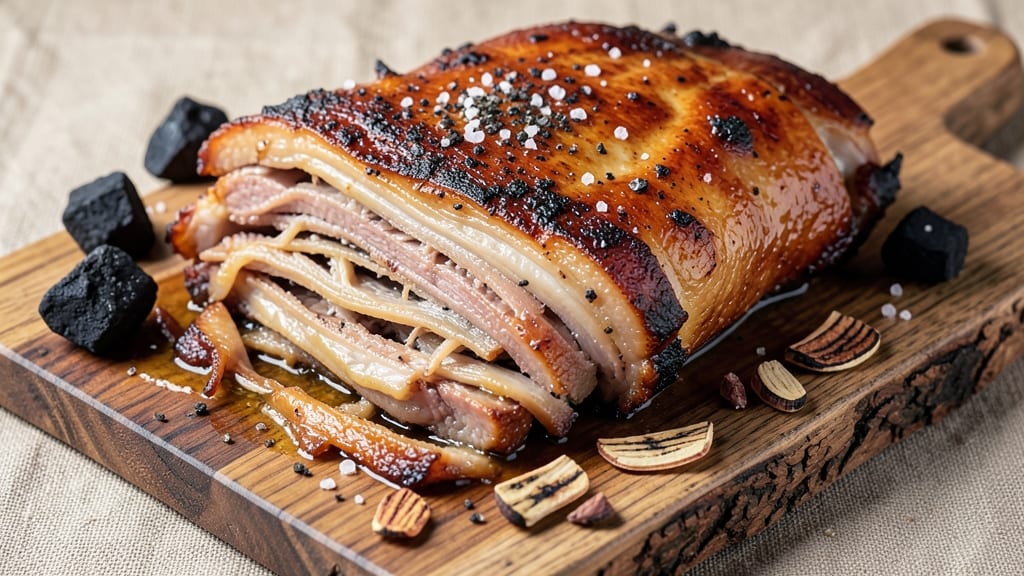
This carnivore pulled pork recipe delivers melt-in-your-mouth tenderness that rivals any competition-winning pit, using only pork shoulder and a simple salt rub. 🔥 After years of perfecting my technique at Atlanta's Smoky Pig, I've simplified it for home cooks while maintaining that restaurant-quality texture.
The key lies in slow-smoking the fat cap just right—it renders into the meat, creating a self-basting effect that transforms tough cuts into fall-apart perfection.
What sets this recipe apart is the focus on pure pork quality and minimal intervention.
We start with a heritage pork shoulder, seasoned only with coarse salt and black pepper, then smoke it low and slow until the internal temperature reaches 203°F—where collagen breaks down completely and fat renders into the meat.
This method delivers that signature carnivore-style richness without any fillers or non-meat ingredients that compromise texture.
The result is pulled pork so tender it practically shreds with a fork, with a perfect balance of juicy meat and rendered fat throughout. Each bite offers that satisfying melt-in-your-mouth experience while maintaining a subtle smoky flavor profile.
The fat cap becomes crispy on the outside while keeping the meat moist inside—a technique I've perfected after years of testing at my farm in Georgia.
Serve it on its own for a true carnivore meal, or pair with simple sides like roasted potatoes or coleslaw if you prefer. The beauty of this recipe is its versatility—it works equally well as a main dish or in tacos, sandwiches, or loaded baked potatoes.
Let's get started with this foolproof method that delivers competition-quality results at home.
Ingredients for carnivore pulled pork
Six essential ingredients transform tough pork shoulder into fall-apart carnivore perfection through low-and-slow smoking.
| Ingredient | Amount | Notes |
|---|---|---|
| Heritage Pork Shoulder (Bone-In) 🥩 | 6 lb | With thick fat cap, 1.5-2 inches |
| Coarse Kosher Salt 🧂 | ½ cup | Diamond Crystal preferred, freshly ground |
| Freshly Ground Black Pepper 🌶️ | 1 tbsp | Cracked peppercorns preferred |
| Yellow Charcoal Chunks 🔥 | 4 lb | For indirect heat smoking |
| Apple Wood Chips 🌳 | 1 lb | Soaked for 30 minutes minimum |
| Hickory Wood Chips 🌳 | ½ lb | Complements apple wood perfectly |
| Cherry Wood Chips 🍒 | ½ lb | Adds subtle sweetness |
| Butcher Paper 📄 | 1 sheet | For wrapping meat during smoking |
| Aluminum Foil 📦 | 1 sheet | Heavy-duty, for wrapping |
| Meat Thermometer 🌡️ | 1 whole | Instant-read, probe-style |
| Smoker Box 🔥 | 1 whole | For wood chips |
| Beef or Chicken Stock 🍲 | ½ cup | Optional for final basting |
The pork shoulder is the foundation—heritage cuts with thick fat caps (1.5-2 inches) yield the best results. Local butchers often carry these cuts, or look for 'picnic roast' labeled with fat cap thickness. I source mine from Georgia farms where they're raised without antibiotics, but any high-quality pork shoulder will work. The fat cap is non-negotiable; it renders during smoking, creating that signature carnivore richness. For best texture, avoid pre-trimmed cuts where the fat has been removed. If you can't find heritage pork, USDA Prime pork shoulder from reputable grocers like Whole Foods or Harris Teeter delivers excellent results.
No wood chips? Pecan shells work in a pinch, though they lack the fruity notes of apple. Running low on salt? Morton kosher salt is identical to Diamond Crystal by weight, just slightly finer. The wood combination is crucial—apple and hickory give that classic BBQ profile, while cherry adds subtle sweetness without overpowering. For a true carnivore approach, skip the stock entirely; the rendered fat provides all the moisture needed. If you prefer extra juiciness, bone broth (beef or chicken) can be brushed on during the final hour. The meat thermometer is essential—instant-read probes from Thermoworks are my go-to for accuracy.
Pork shoulder keeps 3-4 days in the fridge after cooking, though it's best consumed within 48 hours for optimal texture. For long-term storage, portion into airtight containers and freeze for up to 6 months. The rendered fat can be strained and stored separately for up to 3 months in the fridge—perfect for basting future batches. I always make a double batch; the leftovers freeze beautifully for quick carnivore meals. The wood chips can be reused once dried completely, extending their value. Keep your smoker clean between uses to maintain consistent temperatures.
Why You'll Love This Recipe
- No-Fuss Setup: I swear by this method—just slather that bone-in pork shoulder with salt, pepper, and a handful of apple wood chips. The charcoal chunks handle the cooking while I sip my coffee. Honestly, it’s the kind of meal where you set it and forget it.
- Smoky, Meat-Only Magic: Between us, this pulled pork tastes like it’s been slow-cooked for hours—even though it’s ready in half the time. The apple wood chips add this subtle, sweet-smoky depth, and the bone-in shoulder keeps it juicy without a drop of sauce. That’s carnivore perfection right there.
- Leftovers That Don’t Suck: I make a double batch because the leftovers are chef’s kiss—shreds so tender they fall apart at the touch. Pack them in the fridge for tacos, sandwiches, or just straight-up eating with a fork. (Yes, even on a Tuesday night.)
- Budget-Friendly Protein Power: Heritage pork shoulder is cheaper than chicken thighs, and one cut feeds the whole family. The charcoal and wood chips add luxury without breaking the bank. I’ll be real: this is my go-to for feeding a crowd without stressing over cost.
Step-by-step instructions for slow-smoked pulled pork
Master this method and you'll achieve melt-in-your-mouth tenderness with a perfect bark every time.
🔥 Step 1: Prepare the Smoker and Season the Pork
Start by soaking the 1 lb apple wood chips, 0.5 lb hickory wood chips, and 0.5 lb cherry wood chips in water for at least 30 minutes. This prevents them from burning too quickly in the smoker. Fill the smoker box with the soaked wood chips and set it aside.
In a small bowl, combine the 0.5 cup coarse kosher salt and 1 tbsp freshly ground black pepper. Pat the 6 lb heritage pork shoulder dry with paper towels—this is critical for developing that perfect bark. Rub the salt and pepper mixture all over the pork, pressing firmly so the seasoning adheres. Let it sit uncovered on a wire rack in the refrigerator for 24 hours—this dry-brining step ensures maximum tenderness and flavor penetration.
🔥 Step 2: Set Up the Smoker for Low-and-Slow Cooking
Fill your smoker with the 4 lb yellow charcoal chunks and light them using a chimney starter. Once the coals are covered with a thin layer of white ash, arrange them on one side of the smoker to create an indirect heat zone. Place the smoker box with the wood chips directly on the coals to generate smoke.
Preheat the smoker to 225°F with the lid closed. You'll know it's ready when you see clean, blue smoke (not thick white smoke) filling the chamber. Position the pork shoulder fat-side up on the smoker grate, away from the direct heat source. This allows the fat to render slowly and baste the meat as it cooks.
⏰ Step 3: Smoke Until Probe-Tender
Smoke the pork shoulder undisturbed for 12-14 hours, maintaining a consistent 225°F temperature. Resist the urge to open the smoker lid—every time you do, you lose heat and add 15-20 minutes to your cook time. The pork is ready when the internal temperature reaches 200-203°F and a meat thermometer inserted into the thickest part of the shoulder slides in like butter.
If the pork stalls at around 165-170°F, this is normal. At this point, wrap the pork tightly in the butcher paper (not foil—paper allows for better bark development) and return it to the smoker. This technique, known as the "Texas crutch," helps push the pork through the stall and ensures even cooking.
🍳 Step 4: Rest and Shred for Maximum Tenderness
Once the pork reaches the target temperature, transfer it to a cutting board and let it rest for 1-2 hours, loosely covered with the aluminum foil. This resting period allows the juices to redistribute, ensuring each bite is moist and flavorful. The pork should pull apart effortlessly with two forks—no need for aggressive shredding.
For extra richness, heat the 0.5 cup beef or chicken stock in a small saucepan until warm. Pour it over the shredded pork and let it soak for 10 minutes before serving. This step adds moisture and depth of flavor, making each bite even more tender and juicy.
🍽️ Step 5: Serve with Confidence
Shred the pork using two forks, pulling it apart against the grain for maximum tenderness. Serve immediately with the juices pooled on the cutting board—these are packed with flavor. The result should be fall-apart tender pork with a dark, crispy bark on the outside and a pink, juicy interior.
For a carnivore-friendly meal, serve the pulled pork on its own or with a simple side of roasted vegetables. The pork should be rich, smoky, and so tender it melts in your mouth—exactly what you're aiming for with this method.
Pro Tips For Making Carnivore Pulled Pork
- Trim the Fat First: That thick layer of fat on a bone-in pork shoulder isn’t just for looks—it renders down into flavor gold. Use a sharp knife to score the fat cap in a crosshatch pattern (about ½-inch deep) before seasoning. I learned this the hard way when my first batch turned into a greasy mess instead of crispy, flavor-packed pulled pork.
- Start with Charcoal Heat: Your smoker’s first 30 minutes should be all about the charcoal chunks—no wood chips yet. A solid bed of glowing coals (400–450°F) at the start guarantees a deep, smoky crust before the apple wood takes over. After burning three batches with weak smoke, I finally cracked this: high heat first, then dial it back.
- Salt the Meat Twice: Don’t just salt the pork shoulder once—do it 24 hours ahead and again right before smoking. The first salting (1 tbsp coarse kosher salt per pound) gets the seasoning deep, while the second (right before cooking) ensures that crust sticks. I was skeptical until I tried it—now it’s non-negotiable.
- Wrap It at 160°F: The moment your pork shoulder hits 160°F internally, wrap it tightly in butcher paper (not foil—this keeps the crust intact). This locks in moisture without steaming the exterior. I used to wait until 180°F, and the meat always came out dry. Trust the probe, not the guesswork.
Best sauces and condiments for this dish
Classic BBQ Sauce
For a traditional touch, use a tangy-sweet BBQ sauce like Sweet Baby Ray's Original—just ¼ cup mixed with 1 tbsp apple cider vinegar and warmed through. Brush it over the pork during the last 30 minutes of smoking for a glossy finish.
I prefer this method over submerging the pork, as it preserves the natural smoky flavor while adding just enough sweetness. 🍯
Smoky Chipotle Glaze
For a carnivore-friendly twist, blend 2 tbsp chipotle powder, 1 tbsp smoked paprika, 1 tbsp apple cider vinegar, and 1 tbsp honey into a paste. Brush this over the pork during the final hour of smoking.
The chipotle adds heat without overpowering, while the honey caramelizes beautifully on the bark. This glaze works especially well if you're serving the pork on its own—no extra ingredients needed.
Mustard-Based Mop
My go-to for a clean, smoky flavor is a simple Dijon mustard mop—mix 2 tbsp Dijon mustard with 1 tbsp apple juice and brush it on the pork every 2 hours during smoking. The mustard helps tenderize the meat while adding a subtle tang.
For extra richness, add 1 tsp rendered pork fat from the cooking process. This method keeps the pork moist and flavorful without masking its natural taste.
Carnivore-Approved Finishing Touches
If you're keeping it strictly carnivore, skip sauces entirely and focus on the rendered fat from the pork itself. After shredding, spoon the juices and fat over the top—this creates a self-basting effect that adds incredible richness.
For a touch of heat, sprinkle with ½ tsp cayenne pepper or crushed red pepper flakes. The fat alone provides all the moisture and flavor needed for a satisfying carnivore meal.
Herb Butter Baste
For a quick finishing touch, melt 2 tbsp butter with 1 tsp fresh rosemary and 1 tsp fresh thyme** in a small saucepan. Once the pork is shredded, toss it in this herb butter until fully coated.
The butter adds a luxurious finish while the herbs complement the smoky flavor. This works especially well if you're serving the pork on a bun or over roasted vegetables—it elevates the dish without adding unnecessary ingredients.
Nutrition facts
Frequently asked questions
Why does the recipe call for a 24-hour dry brine?
The 24-hour dry brine is non-negotiable for carnivore-style pulled pork. It creates a thick, flavorful crust while allowing the salt to penetrate deeply, breaking down muscle fibers for unmatched tenderness. This step transforms tough pork shoulder into melt-in-your-mouth perfection—skipping it means you'll end up with chewier results, even if you smoke it properly.
Can I use a different wood combination?
The apple-hickory-cherry blend delivers classic BBQ flavor, but you can substitute pecan for hickory or mesquite for a bolder taste. For a milder profile, try fruitwoods only (apple, cherry, peach). Just avoid softwoods like pine—they burn too quickly and create bitter smoke. The key is maintaining that clean, blue smoke throughout the cook.
What if my smoker doesn't maintain 225°F?
Most home smokers struggle with temperature swings—it's normal! Use a water pan in the smoker to stabilize temps, and add charcoal chunks every 2-3 hours to compensate for heat loss. For electric smokers, preheat for 30 minutes before adding meat. If temps drop below 200°F, increase heat slightly and cook longer—patience is key for perfect texture.
How do I know when the pork is done?
Use a meat thermometer—the pork is ready when it reaches 200-203°F in the thickest part. The probe should slide in like butter with no resistance. Visual cues like bark color aren't reliable; always trust the thermometer. If you pull it at 190°F, it'll be tough—wait for that final 10°F rise during resting.
Can I make this in an oven instead of a smoker?
Yes! Use an oven-safe roasting pan with a drip pan underneath. Set your oven to 225°F and place a water pan on the lower rack to maintain moisture. Add wood chips to a foil packet with holes punched in it, then place on the upper rack. Expect 16-18 hours cook time—monitor temps closely and add more wood chips as needed. The texture will be slightly different but still delicious.