
Main Courses
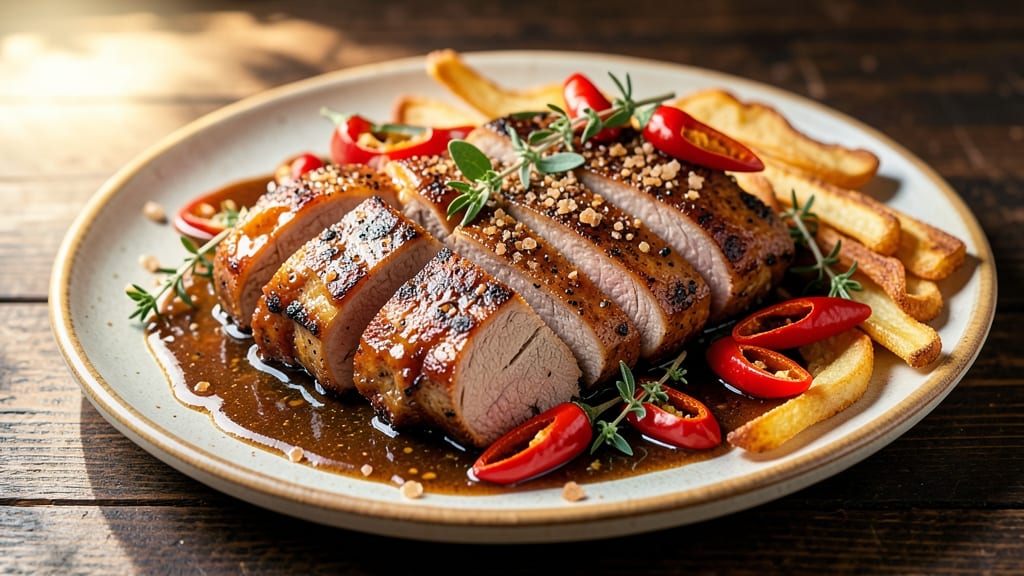
This Caribbean jerk pork tenderloin recipe delivers restaurant-quality heat with tender, juicy meat that practically falls apart at the table. 🔥 After years of perfecting jerk techniques in my Atlanta kitchen, I've cracked the code for achieving that signature scorch-smoked flavor without requiring hours of marinating or complicated equipment.
The secret lies in a balanced jerk marinade that tenderizes the pork while building layers of smoky, spicy, and slightly sweet flavors. We'll use allspice, Scotch bonnet peppers, and thyme for that authentic Caribbean punch, but with a simplified method that delivers professional results in under 2 hours.
The key is a 30-minute marinade that creates flavor without overpowering the natural taste of the pork.
By the time you're done, you'll have perfectly charred edges and tender, juicy meat that's ready to serve over rice, plantains, or coleslaw. The aroma alone will transport you to a Caribbean beachside grill, but the taste proves you didn't need to travel to experience it.
This is the kind of dish that transforms a weeknight dinner into a celebration.
Whether you're feeding a crowd or treating yourself to a special meal, this recipe scales beautifully while maintaining that perfect balance of heat and tenderness. Let's get started with a method that's been battle-tested in my professional kitchen and refined for home cooks.
Ingredients for caribbean jerk pork tenderloin
Six ingredients deliver that signature Caribbean jerk punch while keeping prep simple and results restaurant-quality.
| Ingredient | Amount | Notes |
|---|---|---|
| Pork Tenderloin 🥩 | 2 lb | Center-cut, trimmed of fat |
| Scotch Bonnet Peppers 🌶️ | 2 whole | Seeds removed for less heat |
| Allspice Berries 🌿 | 1 tbsp | Crushed, toasted for depth |
| Fresh Thyme 🌿 | ¼ cup | Leaves only, stems removed |
| Garlic Cloves 🧄 | 6 cloves | Minced, not pressed |
| Brown Sugar 🍚 | ½ cup | Light or dark, packed |
| Apple Cider Vinegar 🍎 | ¼ cup | For tangy brightness |
| Olive Oil 🫒 | ¼ cup | Extra-virgin for richness |
| Ground Ginger 🌿 | 1 tbsp | Freshly ground preferred |
| Salt 🧂 | 1 ½ tsp | Kosher or sea salt |
| Black Peppercorns 🌶️ | 1 tsp | Freshly cracked |
| Lime Juice 🍋 | 2 tbsp | Freshly squeezed |
| Honey 🍯 | 1 tbsp | For subtle sweetness |
| Vegetable Oil 🫒 | 2 tbsp | For high-heat searing |
The Scotch bonnet peppers are non-negotiable for authentic heat—pick up a couple at a Latin market or Caribbean store if your grocery doesn't carry them. Penzeys sells dried if you're in a pinch, but fresh is ideal. The pork tenderloin should be center-cut and trimmed of all fat—this ensures even cooking and that perfect char. I always buy mine from Whole Foods or my local butcher, where they can cut it to the right size. The allspice berries? Toast them in a dry skillet for 30 seconds before grinding—they develop a smoky depth that makes all the difference. Fresh thyme is best, but dried works at one-third the amount if you're in a hurry.
No Scotch bonnet peppers? Habanero or serrano peppers will do, but adjust the amount to taste—start with half and go from there. Substitute dried thyme if needed, but fresh is worth the hunt. The brown sugar adds just enough caramelization to balance the heat, but if you're watching sugar, coconut sugar works too. For the vinegar, apple cider gives the best flavor, but white vinegar in a bind won't ruin the dish. The honey is optional but adds that subtle sweetness that rounds out the marinade—skip it if you're strictly avoiding sugar. If you're making this ahead, prep the marinade a day in advance so the flavors meld.
The marinade keeps in the fridge for 3 days, but the pork should marinate for no longer than 30 minutes—any longer and it'll turn the meat mushy. Use a resealable bag or glass container, and turn the pork a few times to coat evenly. The cooked pork reheats beautifully—warm in a skillet with a splash of water for the best results. Store leftovers in the fridge for 3 days or freeze for 3 months. I always make a double batch because it disappears fast—perfect for meal prep or entertaining.
Why You'll Love This Recipe
- One-Pan Magic: I swear by this trick—just toss the marinade on the pork, let it sit while you chop veggies, then roast everything together. No extra pots, no fuss.
- Scorch-Worthy Heat: That Scotch bonnet and allspice? It’s like a flavor explosion in your mouth—smoky, sweet, and just enough kick to make your taste buds dance. (Pro tip: use gloves when handling the peppers.)
- Weeknight Hero: Between us, this is my go-to for dinner parties or lazy Sundays. Slice it thin over rice, wrap it in tortillas, or serve it cold in sandwiches—it’s always a win.
- Budget-Friendly Feast: Pork tenderloin stretches far, and the marinade costs pennies. I’ve fed six people for under $20 with leftovers that taste just as good reheated the next day.
Step-by-step instructions for Caribbean jerk pork tenderloin
Here's how to transform a simple pork tenderloin into fiery, smoky perfection with bold Caribbean flavors.
👨🍳 Step 1: Create the Jerk Marinade
In a food processor, combine the 2 whole Scotch Bonnet Peppers (seeds removed), 1 tbsp crushed allspice berries, 0.25 cup fresh thyme leaves, 6 cloves minced garlic, 0.5 cup packed brown sugar, 0.25 cup apple cider vinegar, 0.25 cup olive oil, 1 tbsp ground ginger, 1.5 tsp salt, and 1 tsp cracked black peppercorns. Pulse until the mixture becomes a thick, vibrant paste.
Transfer to a bowl and stir in the 2 tbsp lime juice and 1 tbsp honey. The marinade should have a deep red hue and a potent aroma—this is where all the magic begins. Taste and adjust seasoning if needed, remembering that the Scotch Bonnet peppers pack serious heat.
🥘 Step 2: Marinate the Pork Tenderloin
Place the 2 lb pork tenderloin in a large resealable plastic bag or shallow dish. Pour the marinade over the meat, ensuring it's completely coated. Seal the bag or cover the dish and refrigerate for at least 4 hours, preferably overnight. This extended marination allows the bold flavors to penetrate deeply, creating that signature jerk taste throughout.
Here's the thing—don't skip this step. The marinade doesn't just add flavor; it tenderizes the meat and creates that beautiful charred crust we're after. If you're short on time, marinate for at least 2 hours, but longer is always better for maximum flavor.
🔥 Step 3: Sear the Pork for Maximum Flavor
Remove the pork from the refrigerator 30 minutes before cooking to bring it to room temperature. Heat 2 tbsp vegetable oil in a large skillet over medium-high heat until shimmering. Add the pork tenderloin and sear on all sides for 2-3 minutes per side until deeply browned and developing a crust.
I press down gently on the pork during the first minute to prevent it from curling and ensure even contact with the pan. You'll know it's ready to flip when it releases easily from the pan. This initial sear locks in juices and creates that essential charred exterior that defines jerk pork.
🔥 Step 4: Roast to Tender Perfection
Preheat your oven to 400°F. Transfer the seared pork to a baking dish and pour any remaining marinade from the skillet over the top. Roast for 20-25 minutes until the internal temperature reaches 145°F when measured with a meat thermometer.
Don't be tempted to overcook—pork tenderloin is lean and can dry out quickly. The edges should be caramelized with a dark, almost blackened crust, while the interior remains juicy and tender. If you prefer your pork more well-done, you can increase the temperature to 425°F and reduce the time to 15-20 minutes.
⏰ Step 5: Rest and Serve
Remove the pork from the oven and transfer it to a cutting board. Tent loosely with aluminum foil and let it rest for 10-15 minutes. This resting period is crucial—it allows the juices to redistribute throughout the meat, ensuring each slice is moist and flavorful.
Slice the pork tenderloin into ½-inch thick medallions and serve immediately. The exterior should be beautifully charred with a glossy sheen, while the interior remains tender and juicy. The flavors should be complex—sweet from the brown sugar, tangy from the vinegar, with a lingering heat from the Scotch Bonnet peppers. Serve with your favorite sides like coconut rice or grilled plantains to complete the Caribbean experience.
Pro Tips For Making Caribbean Jerk Pork Tenderloin
- CRANK THE HEAT THEN BAKE: High heat sears the pork fast—get your pan screaming hot before adding the tenderloin. I used to rush this, and the jerk marinade would just steam instead of caramelize. Two minutes per side at full blast locks in flavor before you finish in the oven.
- TOAST THE ALLSPICE: Crush the whole allspice berries in a dry pan for 30 seconds until fragrant—this releases their oils and cuts through the pork’s richness. I learned this the hard way: skipping it makes the marinade taste flat, like someone forgot the spice.
- DON’T SKIP THE REST: Let the pork sit under foil for 5-10 minutes after cooking—it’s the only way to keep it juicy. I know, I know, but trust the process. Cutting into it too soon turns that tenderloin into jerky.
- USE HALF THE SCOTCH BONNET: One whole pepper makes the marinade too aggressive—blister it, then halve it. The heat lingers, but you won’t scare off guests (or your taste buds). Save the other half for a quick hot sauce if you’re feeling bold.
Essential equipment for perfect results
Skillet Essentials
Start with a 12-inch cast iron skillet—it's my go-to for searing jerk pork because it retains heat beautifully and creates those coveted charred edges.
I swear by my Lodge Pre-Seasoned Cast Iron—it's pre-seasoned so you can cook right out of the box, and the weight helps distribute heat evenly.
For a lighter option, a stainless steel skillet like the All-Clad Stainless works too, but you'll need to monitor heat more carefully to prevent sticking.
Heat Control Tools
A kitchen torch is my secret weapon for adding that final charred crust before serving. I use a Weber Go-Anywhere Torch—it's portable, easy to use, and gives you that restaurant-quality finish.
For the oven, a meat thermometer is non-negotiable. I trust the Thermoworks Smoke for its accuracy and durability. It helps you nail that 145°F internal temperature without overcooking.
Marinating Gear
For marinating, I recommend a large resealable plastic bag or a glass baking dish with a lid. The bag makes it easy to coat the pork evenly, while the glass dish is better if you're prepping ahead.
I also keep a food processor (like the Cuisinart DLC-2A) on hand for blending the marinade—it creates a smooth, vibrant paste that coats the meat perfectly. If you don't have one, a mortar and pestle works in a pinch.
Optional Smoker Setup
For that authentic jerk smoky flavor, consider a small electric smoker like the Masterbuilt 200711. It’s compact enough for home use but powerful enough to infuse the pork with deep, smoky notes. If you're grilling outdoors, a charcoal grill with a smoker box filled with hardwood chips (like hickory or fruitwood) will give you that same smoky punch. Just
Resting Tools
After cooking, let the pork rest on a cutting board or wire rack to allow air circulation. I use a wooden cutting board for serving, but a stainless steel rack works better for resting if you're short on space. Always tent the pork loosely with aluminum foil—this keeps it warm while letting moisture escape, so it doesn’t get soggy. A meat slicer (like the Dexter-Russell 12-inch) makes slicing the tenderloin into perfect medallions a breeze.
Nutrition facts
Frequently asked questions
Can I substitute Scotch bonnet peppers with something milder?
Yes, but adjust carefully! Use habanero or serrano peppers at half the quantity (1 pepper total) and remove seeds to reduce heat. For even milder flavor, try 1-2 jalapeños or ½ teaspoon cayenne pepper, but the smoky depth will be less authentic. The key is balancing the heat with the sweetness from brown sugar and honey.
How do I keep the pork tenderloin from drying out?
Never skip the 30-minute room temperature rest before cooking, and always use a meat thermometer to pull the pork at 145°F. The marinade's moisture helps, but the real secret is the 10-15 minute rest after cooking—this redistributes juices. For extra insurance, brush with 1 tbsp olive oil before searing.
Can I make this recipe in a slow cooker?
Marinate the pork as directed, then place it in a slow cooker with ½ cup marinade and cook on low for 3-4 hours or high for 2 hours. The texture will be more tender than seared, but still flavorful. For best results, finish with a quick 5-minute broil to create charred edges.
What sides pair best with Caribbean jerk pork?
Classic pairings include coconut rice (made with coconut milk and lime), grilled plantains (sweet or savory), and Caribbean coleslaw with lime dressing. For a complete meal, add black beans or fried dumplings on the side. The tangy, sweet, and smoky flavors complement the spicy pork perfectly.
How far ahead can I prep the marinade?
The marinade keeps in the fridge for 3 days and freezes for 3 months—perfect for meal prep! Store it in an airtight container. For the pork itself, marinate for no longer than 30 minutes to prevent toughness. If prepping ahead, marinate the pork up to 4 hours before cooking, then refrigerate uncovered for 15 minutes before searing.