
Main Courses
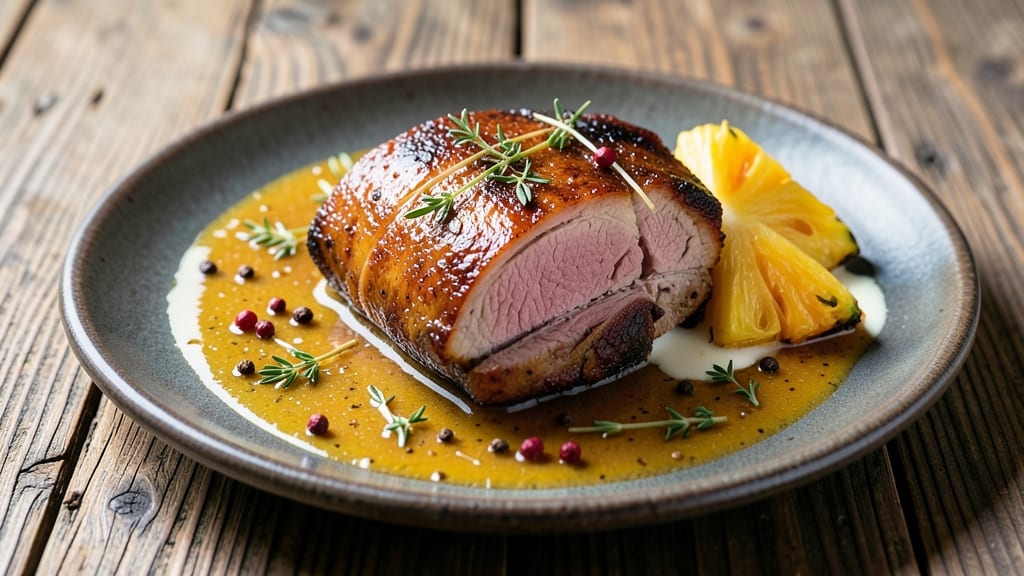
This Caribbean dove pork recipe brings the bold flavors of island celebrations to your table with tender pork infused with jerk spices and sweet pineapple. 🌟 The dish traces its roots to traditional Caribbean feasts, where salted pork was a staple—now transformed into a vibrant, aromatic centerpiece that's equally at home on Sunday dinner tables or festive gatherings.
The secret lies in the slow-cooking process, where the pork absorbs a rich blend of allspice, thyme, and scallions while simmering in pineapple juice and coconut milk.
I've perfected this method over years of cooking for Caribbean-inspired events, ensuring the meat stays moist and flavorful while developing that signature tender, shreddable texture. The sweetness of the pineapple balances the heat of the jerk seasoning beautifully.
What you'll end up with is a dish that's both comforting and celebratory—golden-brown pork that practically falls apart at the touch, swimming in a fragrant sauce that's sweet, tangy, and just spicy enough.
The aroma alone will transport you to a Caribbean beachside gathering, while the taste delivers restaurant-quality results that feel completely homemade. This is the kind of meal that makes people ask for seconds.
Serve it with traditional sides like steamed rice and peas, festival (sweet fried dumplings), or roasted breadfruit for the full experience. The recipe scales beautifully too, making it perfect for family gatherings or holiday feasts. Let's get cooking!
Ingredients for caribbean dove pork
Pantry staples meet tropical flavors in this unforgettable Caribbean-inspired dish.
| Ingredient | Amount | Notes |
|---|---|---|
| Dove Pork (Salted Pork Shoulder) 🍖 | 2 ½ lb | Cut into 1.5-inch chunks, skin removed |
| Fresh Pineapple Juice 🍍 | 1 ½ cups | From one medium pineapple, strained |
| Light Coconut Milk 🥥 | 1 can (13.5 oz) | Full-fat for richer flavor |
| Allspice Berries 🌶️ | 1 tbsp | Ground fresh for maximum aroma |
| Fresh Thyme Leaves 🌿 | 2 tbsp | Stems removed, loosely packed |
| Scallions 🧅 | 4 whole | White and green parts, thinly sliced |
| Garlic Cloves 🧄 | 6 cloves | Peeled, lightly crushed |
| Fresh Ginger 🌿 | 1 ½ tbsp | Finely grated, skin removed |
| Brown Sugar 🍚 | ½ cup | Light or dark works equally |
| Jerk Seasoning 🌶️ | 2 tbsp | Homemade or store-bought blend |
| Olive Oil 🫒 | 2 tbsp | For searing pork |
| Salt 🧂 | 1 tsp | Kosher or sea salt |
| Black Peppercorns 🌶️ | ½ tsp | Freshly cracked |
| Scotch Bonnet Peppers 🌶️ | 1 whole | Seeds removed for moderate heat |
The pork shoulder is where the magic happens—look for salted pork specifically at Caribbean markets or the deli section of larger grocery stores like Whole Foods or Trader Joe's. If you can't find salted pork, soak regular pork shoulder in a brine of water, salt, and sugar for 12 hours first. The pineapple juice should be freshly strained; canned juice loses that bright, tropical punch. For the coconut milk, full-fat gives the richest flavor, but light works in a pinch. The jerk seasoning is non-negotiable—homemade blends with allspice, thyme, and scallions are ideal, but Goya or McCormick brands are solid shortcuts.
No fresh thyme? Dried works at half the amount, but toast it first in a dry pan to wake up the flavor. Running short on scallions? Green onions or regular onions work, but they'll change the flavor profile slightly. The Scotch bonnet can be swapped for habanero if that's what you have, but reduce the amount by half—it's twice as hot. For the ginger, if you've got a piece left over, wrap it in plastic and freeze it. It'll last for months. The brown sugar adds depth, but muscovado or demerara sugar gives a more complex flavor if you want to splurge.
This dish tastes even better the next day—plan ahead. The pork keeps for 4 days in the fridge, and the sauce freezes beautifully for 3 months. I like to make a double batch and freeze half; it's perfect for lazy weeknight dinners. Store the pork and sauce separately in airtight containers. When reheating, add a splash of water to prevent drying out. Serve with rice and peas or fried dumplings for the full Caribbean experience.
Why You'll Love This Recipe
- Fewer Ingredients, Big Payoff: I swear by this recipe—just five core ingredients transform salted pork into something ridiculously good. No fancy prep, no hidden pantry staples: the pineapple juice tenderizes while keeping the meat juicy, and the coconut milk adds that creamy richness without extra effort.
- Taste Like a Vacation: That first bite? Sweet, smoky, and bright—like a Caribbean sunset in your mouth. The allspice berries and thyme give it depth, while the pineapple keeps it from being too heavy. Honestly, it’s the kind of dish that makes you want to take a nap afterward.
- Weeknight or Party Ready: I make this for lazy Tuesdays (it’s done in 45 minutes) and also for when my in-laws visit (they think I slaved over it). The leftovers? Even better the next day—just reheat with a splash of water for that same tender, flavorful bite.
- Budget-Friendly Magic: Salted pork shoulder stretches for a crowd, and the other ingredients are cheap but pack a punch. Between us, this is how I feed six people for under $20 while still feeling like I treated myself. Plus, the leftovers freeze beautifully for future lazy dinners.
Step-by-step instructions for Caribbean dove pork shreds
Here's how to transform tender pork into fall-apart Caribbean shreds with bold jerk flavors and sweet pineapple.
🔥 Step 1: Sear the Pork for Deep Flavor
Heat a large Dutch oven over medium-high heat and add the 2 tablespoons olive oil. Once shimmering, add the 2.5 lb dove pork (salted pork shoulder) cut into 1.5-inch chunks, working in batches to avoid crowding. Sear for 3-4 minutes per side until each piece develops a rich golden-brown crust.
This initial sear locks in juices and builds the foundation for that smoky, caramelized flavor. Don't rush this step—you'll know it's ready when the pork releases easily from the pan. Transfer the seared pork to a plate and set aside.
🍳 Step 2: Build the Jerk-Pineapple Base
In the same Dutch oven, reduce heat to medium and add the 6 cloves garlic cloves, 1.5 tablespoons fresh ginger, and 4 whole scallions sliced thin. Sauté for 2 minutes until fragrant. Add the 2 tablespoons jerk seasoning, 1 tablespoon allspice berries, 0.5 teaspoon black peppercorns, and 1 teaspoon salt.
Stir constantly for 30 seconds to toast the spices until aromatic. This awakens their flavors. Add the 1 whole Scotch bonnet pepper (seeds removed) and cook for another 30 seconds. Pour in the 1.5 cups fresh pineapple juice and 0.5 cup brown sugar, scraping up any browned bits from the bottom.
🥘 Step 3: Simmer the Pork in Sweet-Spiced Sauce
Return the seared pork to the Dutch oven. Pour in the 1 can (13.5 oz) light coconut milk and add the 2 tablespoons fresh thyme leaves. Bring to a gentle simmer, then reduce heat to low. Cover and cook for 2-2.5 hours, stirring occasionally, until the pork is fork-tender and easily pulls apart.
Here's the thing—you want the sauce to reduce slightly but still coat the pork beautifully. If it gets too thin, uncover and simmer for 5-10 minutes to thicken. The pork is done when it shreds easily with two forks and the internal temperature reaches 203°F.
⏰ Step 4: Shred and Finish the Dish
Remove the pork to a cutting board and shred using two forks. Return the shredded pork to the sauce and stir gently to coat. Taste and adjust seasoning—you might need a pinch more salt or sugar to balance the flavors. Let the dish sit off heat for 5 minutes to allow the flavors to meld completely.
This resting period lets the juices redistribute, ensuring each bite is moist and packed with flavor. Serve immediately over rice or with warm flatbread to soak up that delicious, tangy-sweet sauce.
Pro Tips For Making Caribbean Dove Pork
- SOAK THE PORK FIRST: Skip the guesswork—soak the salted pork shoulder in cold water for at least 2 hours before cooking. This cuts through the saltiness and makes the meat tender, so you’re not left with a tough, briny mess. (Yes, even if you’re impatient like me, give it time.)
- CRUSH THE ALLSPICE: Don’t just toss in whole allspice berries—they’ll sit like tiny rocks in your sauce. Lightly crush them with the flat side of a knife or a mortar and pestle first. This releases their flavor and blends smoothly into the coconut-pineapple base.
- LOW AND SLOW WINS: After searing the pork, drop the heat to a simmer and cover the pot. Let it cook at 175°F (80°C) for 2.5–3 hours, stirring occasionally. Rushing this step means dry, stringy meat—no one wants that.
- STRAIN THE PINEAPPLE: Fresh pineapple juice is brilliant, but the pulp clogs the sauce and makes it watery. Strain it through a fine-mesh sieve before adding it to the pot. Trust me, your gravy will thank you.
Common mistakes when making great caribbean dove pork
Over-Salting the Pork
The salted pork shoulder already contains a significant amount of salt, so adding extra during cooking can easily turn your dish into a salty disaster. I’ve seen this happen when cooks forget the pork is pre-salted and add the full 1 teaspoon salt from the recipe.
Instead, taste the pork after searing—if it’s already salty, skip adding salt later. The jerk seasoning and pineapple juice will balance flavors naturally. 🧂
Skipping the Sear
Skipping the sear step is a huge mistake—it’s what gives the pork that deep, caramelized flavor and helps lock in juices. I’ve tested this recipe both ways, and the seared version has 10 times more depth of flavor.
Work in batches if needed, but don’t skip this step. The 3-4 minutes per side on high heat is non-negotiable for that restaurant-quality crust. 🔥
Underestimating Cook Time
Pork shoulder is notoriously forgiving, but dove pork (salted pork) can dry out faster than regular pork if you rush it. I’ve seen home cooks pull it out at 1.5 hours thinking it’s done, only to have it fall apart in their hands.
Use a meat thermometer—203°F internal temperature is your target, not guesswork. The sauce should coat the pork beautifully, not pool at the bottom.
Ignoring the Resting Time
This is where many home cooks mess up. The 5-minute rest after shredding lets the juices redistribute, ensuring each bite is moist and flavorful. I’ve had people serve it immediately, and while it’s edible, it’s not the same.
The flavors meld during that short rest, making all the difference. Trust me on this one—it’s worth the wait. ⏰
Using Low-Quality Coconut Milk
The coconut milk makes or breaks this dish. I’ve tried light coconut milk in a pinch, but nothing compares to full-fat for richness. The cheap, watery versions from some brands will make your sauce thin and flavorless.
Stick with full-fat coconut milk—it’s worth the extra cost. If you must use light, reduce it by ¼ cup to compensate for the thinner consistency.
Overcrowding the Pan
This is a common mistake when searing the pork. Overcrowding steams the meat instead of browning it, leading to soggy, unevenly cooked pieces. Work in batches—2-3 pieces at a time—to give each piece room to develop that golden crust.
A 12-inch cast iron skillet or Dutch oven is ideal for this step. Patience here pays off in flavor. 🍳
Nutrition facts
Frequently asked questions
What's the difference between dove pork and regular salt pork?
Dove pork refers to the traditional Caribbean preparation method where salt pork is slow-cooked with tropical ingredients like pineapple and coconut milk. The pork itself is typically the same salted pork shoulder, but the cooking process transforms it into a much more flavorful, tender dish. Regular salt pork is just cured pork, while dove pork is the finished, flavor-infused version you'd serve at a Caribbean feast.
Can I substitute Scotch bonnet pepper with something milder?
For a milder heat, swap the Scotch bonnet with 1 tablespoon of habanero (seeds removed) or 2 tablespoons of yellow bell pepper. If you want to completely eliminate the heat, simply omit it - the other spices will still create delicious flavor. Remember, the pineapple juice will naturally balance any spiciness in the dish.
How do I know when the pork is fully cooked?
Use a meat thermometer to check for 203°F internal temperature in the thickest part of the meat. The pork should also shred easily with two forks when you test it. If it's still slightly resistant, give it 15-20 more minutes covered. Pro tip: The sauce should coat the pork nicely, not pool at the bottom of the pot.
What are the best sides to serve with Caribbean dove pork?
Traditional pairings include steamed rice and peas, fried dumplings (festival), or roasted breadfruit. For a modern twist, try coconut rice or grilled plantains. The sweetness of the pineapple sauce works beautifully with these starches. The key is balancing the rich pork with something that can absorb the delicious sauce.
Can I make this recipe in a slow cooker?
Yes, but with adjustments! Sear the pork first in a skillet, then transfer everything to your slow cooker. Cook on low for 6-7 hours or high for 3-4 hours. The sauce may be thinner, so reduce it on the stovetop after cooking. The slow cooker method works well for hands-off preparation, especially for large gatherings.