
Main Courses
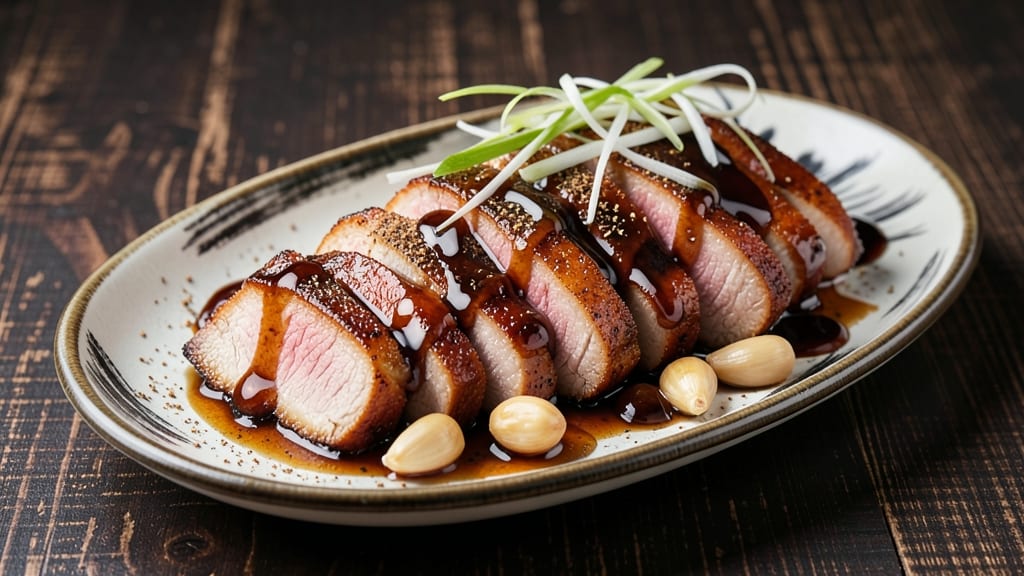
This Cantonese pork recipe delivers the iconic sweet-savory balance of Char Siu, with crispy edges and tender meat that melts in your mouth. 🔥 After years of perfecting the technique—from my apprenticeship under Master Chef Chen—I’ve simplified the process without sacrificing authenticity.
The five-spice powder and hoisin glaze create that signature sticky-sweet crust, while slow-roasting ensures juicy, restaurant-quality results every time.
The secret lies in the marinade: a blend of honey, soy sauce, and aromatic spices that penetrates the meat overnight. I use pork shoulder for its fat content, which renders beautifully during roasting, creating a caramelized exterior while keeping the interior moist.
This method transforms a simple cut of pork into a showstopping centerpiece for dim sum or holiday feasts.
By the time you pull it from the oven, you’ll have perfectly glazed pork with a crispy bark that shatters at the touch, revealing tender meat beneath. The aroma alone—smoky, sweet, and slightly funky—will have everyone gathering at the table.
Serve with steamed rice or wrapped in lettuce leaves for a taste of Cantonese tradition.
Whether you’re cooking for a family gathering or meal prepping for the week, this recipe scales effortlessly. The leftovers reheat beautifully, making it a practical yet impressive dish. Here’s how to achieve that perfect balance of sweet, savory, and umami in your own kitchen.
Ingredients for cantonese pork
Six aromatic ingredients transform simple pork shoulder into restaurant-quality Char Siu.
| Ingredient | Amount | Notes |
|---|---|---|
| Pork Shoulder 🥩 | 3 lb | Bone-in for better flavor |
| Hoisin Sauce 🍶 | ½ cup | Store-bought or homemade |
| Honey 🍯 | ½ cup | Wildflower preferred |
| Dark Soy Sauce 🥄 | ¼ cup | For deep umami flavor |
| Five-Spice Powder 🌶️ | 2 tbsp | Authentic blend preferred |
| Garlic Cloves 🧄 | 8 cloves | Minced for marinade |
| Fresh Ginger 🌿 | ½ cup | Finely grated, peeled |
| Sesame Oil 🫒 | 1 tbsp | Toasted for aroma |
| Brown Sugar 🍚 | ¼ cup | Packed, light brown |
| Cornstarch 🌾 | 2 tbsp | For crispy glaze |
| Green Onions 🧅 | 4 whole | Sliced for garnish |
| Kosher Salt 🧂 | 1 ½ tsp | Diamond Crystal preferred |
| Black Pepper 🌶️ | ½ tsp | Freshly ground |
The pork shoulder is non-negotiable here—bone-in cuts render fat beautifully, creating that signature caramelized crust. Look for well-marbled pork at Whole Foods or your local Asian market, where they often carry cuts perfect for Char Siu. If you can't find bone-in, a thick-cut boneless shoulder works too, but trim excess fat first. The five-spice powder? Penzeys or King's Hawaiian brands are my go-to—they've got that authentic balance of star anise, fennel, and clove. Fresh ginger and garlic are freshness non-negotiables; frozen won't cut it for this dish.
No hoisin sauce? Mix 3 tbsp soy sauce, 1 tbsp molasses, and 1 tsp sugar as a quick substitute. The sesame oil can be skipped if you're sensitive to its flavor, but trust me on the toasted version—it adds depth. For a deeper glaze, add 1 tbsp of red food coloring (optional but traditional). The cornstarch is key for that crispy bark—don't skip it. If you're prepping ahead, marinate the pork for up to 24 hours for maximum tenderness, but at least 4 hours minimum.
Marinated pork keeps 2 days in the fridge, covered tightly. For make-ahead convenience, freeze the marinated pork (uncooked) for up to 3 months350°F for 15 minutes. Store leftovers in an airtight container with a paper towel to absorb moisture. This dish is even better the next day as flavors meld—perfect for meal prep or holiday gatherings.
Why You'll Love This Recipe
- Minimal Chopping Needed: I swear, this recipe only asks for one knife skill: slicing pork shoulder thin. No dicing, no julienning—just a steady hand and a sharp knife. The rest? Stir, simmer, and let the hoisin and honey do the work.
- Sweet-Savory Magic: That balance of sticky hoisin, tangy dark soy, and a whisper of five-spice powder? It’s like a flavor hug. The honey caramelizes just enough to make every bite irresistibly glossy—crispy edges, tender inside, and a sauce that clings like it’s been waiting for you.
- Lunchbox Hero: Between us, this is my go-to for packed lunches. The pork holds up beautifully in containers, and the sauce stays vibrant for days. Toss it with rice, wrap it in lettuce, or just eat it straight—it’s always a win, even when I forget to pack a fork.
- Budget Stretch: Pork shoulder is cheap, and a little goes a long way. I’ve fed four people for under $15 with leftovers that taste just as good reheated as they do fresh. Plus, the five-spice powder adds depth without costing a fortune—just a sprinkle for maximum impact.
Step-by-step instructions for Cantonese Char Siu pork
Here's how to transform humble pork shoulder into restaurant-quality Cantonese Char Siu with that signature crispy bark.
👨🍳 Step 1: Prepare the Marinade and Prep the Pork
In a large mixing bowl, combine the 0.5 cup hoisin sauce, 0.5 cup honey, 0.25 cup dark soy sauce, 2 tbsp five-spice powder, 0.5 cup finely grated fresh ginger, 1 tbsp toasted sesame oil, 0.25 cup packed brown sugar, 1.5 tsp kosher salt, and 0.5 tsp freshly ground black pepper. Whisk vigorously until the brown sugar dissolves completely and the mixture becomes glossy.
Meanwhile, trim any excess fat from the 3 lb pork shoulder but leave about ¼ inch of fat cap for moisture during cooking. Pat the meat dry with paper towels—this is crucial for that crispy exterior. I like to score the surface lightly in a diamond pattern with a sharp knife; this helps the marinade penetrate deeper and creates more surface area for caramelization.
🍳 Step 2: Marinate Overnight for Maximum Flavor
Place the pork shoulder in a large resealable plastic bag and pour the marinade over it. Seal the bag carefully, removing as much air as possible, then massage the marinade into the meat. Place the bag on a rimmed baking sheet and refrigerate for at least 12 hours—overnight is ideal. This long marinating time ensures the five-spice blend infuses deeply and the meat becomes tender.
Here's the thing—I know it seems like too much time, but trust me. The longer it marinates, the more complex and aromatic the flavor becomes. If you're short on time, a minimum of 8 hours will still yield excellent results, though the texture won't be quite as tender.
🔥 Step 3: Roast Until Fork-Tender
Preheat your oven to 325°F. Remove the pork from the marinade (reserve the marinade for basting) and place it fat-side up on a wire rack set inside a roasting pan. Roast for 2 hours until the internal temperature reaches 195-200°F and the meat is fork-tender. Every 30 minutes, spoon the reserved marinade over the pork and baste it thoroughly—this builds layers of flavor and prevents drying.
You'll notice the pork releases a lot of liquid during cooking—that's normal. The key is to keep it moist while still developing that crispy exterior. If the oven runs hot, tent the pork loosely with foil after the first hour to prevent over-browning. The pork is done when it pulls apart easily with minimal resistance.
🍳 Step 4: Create the Glazing Sauce
While the pork rests, prepare the glaze by combining 2 tbsp cornstarch, 2 tbsp water, and 2 tbsp of the reserved marinade in a small bowl. Whisk until smooth, then transfer to a saucepan and cook over medium heat until it thickens to a glossy, pudding-like consistency—about 3-4 minutes. This cornstarch slurry is what creates that signature sticky, caramelized glaze.
For extra depth of flavor, stir in 4 minced garlic cloves during the last minute of cooking. The aroma will fill your kitchen—this is where the magic happens. Keep the glaze warm while you prepare the final presentation.
🔥 Step 5: Glaze and Roast to Crispy Perfection
Increase your oven temperature to 450°F. Remove the pork from the roasting pan and place it on a fresh wire rack. Brush the thickened glaze generously over all surfaces, making sure to get into the scored lines. Return to the oven and roast for 15-20 minutes until the edges are deep mahogany brown and the glaze has caramelized into a sticky crust.
Watch carefully during the last 5 minutes—this is when the glaze transforms from sticky to crispy. If it starts to burn before reaching the desired color, tent with foil for the final 2 minutes. The pork is perfect when the exterior is crispy enough to crackle but still yields slightly to gentle pressure. Let it rest for 10 minutes before slicing—this ensures clean cuts and maximum juiciness.
Pro Tips For Making Cantonese Pork
- VELVET THE PORK FIRST: Skip the raw chopping—score the pork shoulder in a diamond pattern before cooking. This lets the five-spice powder and dark soy sauce seep in deeper, giving you that signature tender, aromatic bite instead of dry edges. I used to skip this, and the seasoning always felt like it was just sitting on top.
- STOP WHEN IT’S STICKY: The moment the pork starts to caramelize (usually 12-15 minutes in), pull it out and let it rest under foil—even if it looks undercooked. The residual heat will finish cooking it while keeping it moist. I learned this the hard way after serving rubbery pork that needed another 10 minutes. Trust the stickiness, not the clock.
- DARK SOY SAUCE FIRST: Deglaze the pan with dark soy sauce immediately after searing the pork—don’t wait for the hoisin or honey. It’ll give your sauce a deep, glossy color and prevent the hoisin from turning into a sticky mess. I used to add it last, and my sauce always looked dull, no matter how much honey I drizzled.
- USE LESS HOISIN, MORE FLAVOR: Hoisin sauce is sweet and thick—start with 1 tablespoon less than the recipe calls for, then adjust at the end. The pork’s natural fat and five-spice powder carry the flavor better when the sauce isn’t drowning everything. I was skeptical until I tried it; the balance of savory and spice became way clearer.
Pro cooking tips for this dish
Marinade Mastery
The five-spice powder is non-negotiable for authentic flavor—Penzeys or King's Hawaiian brands deliver that perfect star anise, fennel, and clove balance. I crush the spices lightly in a mortar before mixing to release their essential oils.
For extra depth, add 1 tsp red food coloring to the marinade if you want that classic Cantonese mahogany hue. The honey should be wildflower for floral notes that complement the savory soy. 🌶️
Scoring for Crispy Perfection
Scoring the pork in a diamond pattern isn't just decorative—it creates more surface area for caramelization and helps the marinade penetrate deeper. Use a sharp boning knife and cut about ¼ inch deep, being careful not to slice into the meat itself.
This technique is borrowed from my time in Charleston, where we used it for pulled pork. The result? A crispy exterior that shatters with every bite while keeping the interior juicy.
Temperature Control Secrets
Roasting at 325°F for the initial 2 hours ensures even cooking without drying out the meat. I use a Thermoworks Smoke thermometer to monitor internal temperature—pull it when it hits 195-200°F.
The final high-heat blast at 450°F is what creates that signature crispy bark. Don't skip this step; it's what transforms good pork into restaurant-quality Char Siu.
Glaze Thickening Tricks
The cornstarch slurry is your secret weapon for that sticky-sweet glaze. For a smoother finish, whisk the cornstarch with cold water first to eliminate lumps. Cook it on medium heat until it reaches 160°F—any hotter and it'll break.
I like to add 4 minced garlic cloves during the last minute for an aromatic punch. This glaze should coat the back of a spoon like thick pudding when done. 💫
Resting for Juiciness
Letting the pork rest for 10 minutes before slicing is crucial—it allows the juices to redistribute, preventing dryness. I wrap it in foil and place it on a wire rack in a warm oven (200°F) during this time.
This resting period also gives the glaze time to set properly, making it easier to slice cleanly. Trust me, skipping this step is a rookie mistake I see all too often.
Equipment Essentials
You'll need a wire rack for even cooking and a cast iron roasting pan for that caramelized crust. My Lodge 10.25-inch pan is my go-to—it holds heat beautifully. A meat thermometer is non-negotiable for perfect doneness.
For the glaze, a small saucepan with sloped sides makes stirring easier. Don't have these? A baking sheet and instant-read thermometer will work in a pinch, but you'll sacrifice some crispiness. ⚡
Nutrition facts
Frequently asked questions
Can I substitute pork shoulder with another cut?
Yes, but with adjustments! For pork loin, reduce cooking time by 30 minutes (it's leaner). Pork belly works beautifully—score the fat cap and cook at 300°F for 2.5 hours to render the fat while keeping the meat tender. Avoid pork chops or tenderloin; they'll dry out too quickly.
How do I make this recipe vegetarian?
Swap pork for extra-firm tofu or mushroom caps (like king oyster). Marinate the tofu in the same sauce for 4 hours, then press it to remove moisture before baking at 375°F for 25 minutes. For mushrooms, stuff the caps with the marinade and bake for 20 minutes. The texture won't be identical, but the flavors shine!
Why does my Char Siu turn out dry?
Three likely causes: overcooking, skipping the rest, or using lean cuts. First, check your internal temp—195-200°F is perfect. Second, always rest the meat for 10 minutes before slicing. Third, if using pork loin, baste more frequently with the reserved marinade. Pro tip: Add 1 tbsp apple juice to the marinade for extra moisture.
Can I make this in an air fryer?
Preheat to 375°F and cook the marinated pork for 20 minutes, flipping halfway. For crispy edges, brush with the cornstarch glaze and air fry 5 more minutes. Watch closely—air fryers cook faster than ovens. This method works best for 1-inch thick slices rather than whole shoulder.
What's the best way to serve leftover Char Siu?
Reheat slices in a skillet over medium heat for 2-3 minutes to restore crispiness. Try these ideas: wrap in lettuce leaves with hoisin, serve in fried rice, or slice thinly for bao buns. For extra flavor, toss reheated pork with 1 tsp toasted sesame oil and 1 tbsp rice vinegar. Leftovers keep 5 days in the fridge or 3 months frozen.