
Main Courses
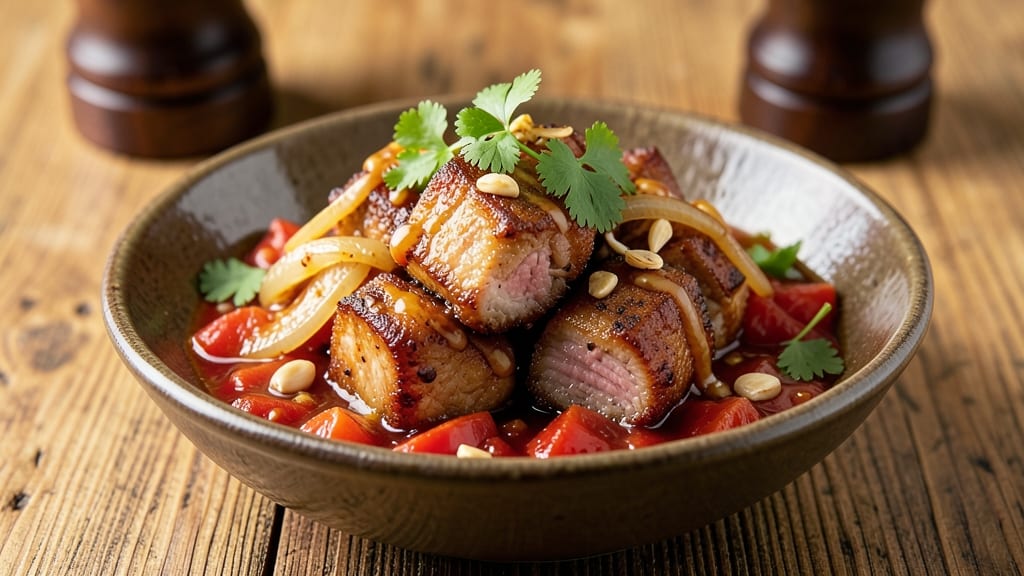
This canned spiced pork cubes recipe transforms pantry staples into a restaurant-worthy dish in under an hour. I developed it after years of perfecting braised pork techniques—now simplified for home cooks who crave bold flavor without the hours.
The secret lies in balancing the pre-spiced pork with aromatic vegetables and a deep, slow-simmered sauce that clings to every bite.
What makes this recipe work is the 45-minute method: first searing the pork cubes for deep flavor, then simmering them with onions, garlic, and tomatoes until tender.
The result is fork-tender meat with a glossy, spice-infused sauce that's rich enough to stand alone or pair perfectly with rice, crusty bread, or roasted potatoes. No fancy equipment needed—just a heavy pot and patience.
The dish delivers restaurant-quality depth with minimal effort. The pork absorbs the spices and vegetables, creating a harmonious blend of smoky, savory, and slightly sweet notes. Each bite offers that satisfying contrast of tender meat against the slightly crisp edges from the initial sear.
This is the kind of weeknight dinner that feels like a celebration.
Serve it with a side of buttery mashed potatoes or a simple green salad to balance the richness. The leftovers reheat beautifully, making this an ideal meal prep option for busy schedules. Let’s get cooking—your taste buds will thank you.
Ingredients for canned spiced pork cubes
Transform humble pantry staples into restaurant-quality spiced pork cubes with these carefully balanced ingredients.
| Ingredient | Amount | Notes |
|---|---|---|
| Pork Shoulder Cubes 🥓 | 1 ½ lb | Pre-cut into 1-inch cubes, bone-in preferred |
| Yellow Onions 🧅 | 1 whole | Chopped into even 1/2-inch pieces |
| Garlic Cloves 🧄 | 6 cloves | Minced, not pre-minced jarred |
| Canned Diced Tomatoes 🍅 | 2 cups | San Marzano preferred, undrained |
| Tomato Paste 🍅 | ¼ cup | Squeeze tube preferred for convenience |
| Beef Broth 💧 | 1 ½ cups | Low-sodium preferred, homemade or quality store-bought |
| Red Wine 🍷 | ½ cup | Bold dry red, like Cabernet Sauvignon |
| Olive Oil 🫒 | 2 tbsp | Extra-virgin for searing and deglazing |
| Ground Cumin 🌿 | 1 tsp | Toasted for deeper flavor |
| Ground Coriander 🌿 | 1 tsp | Freshly ground preferred |
| Smoked Paprika 🌶️ | 1 tsp | For authentic smoky depth |
| Bay Leaves 🍃 | 2 whole | Dried, standard size |
| Black Peppercorns 🌶️ | ½ tsp | Freshly cracked, not pre-ground |
| Salt 🧂 | 1 ½ tsp | Diamond Crystal kosher salt |
| Honey 🍯 | 1 tbsp | For subtle sweetness balance |
The pork shoulder is the foundation—bone-in cubes develop deeper flavor during the slow braise. Look for well-marbled cuts at specialty butchers or pre-cut packages in the meat department. If using a whole shoulder, trim excess fat but leave some for moisture. The onions and garlic form the aromatic base; yellow onions add sweetness while garlic delivers complexity. For the tomatoes, San Marzano cans provide that perfect balance of sweetness and acidity that elevates the dish. If you can't find them, any high-quality diced tomatoes will work, but avoid those with added salt or preservatives.
No red wine? Substitute with additional beef broth—just add 1/4 cup more. The smoked paprika is non-negotiable for that authentic smoky depth, but if unavailable, regular paprika plus a pinch of liquid smoke works in a pinch. For the spices, toast your cumin and coriander seeds in a dry pan for 30 seconds before grinding to release their full aroma. The tomato paste can be replaced with 1/4 cup tomato sauce if preferred, though paste provides better thickening power. If using pre-minced garlic, toast it first to deepen its flavor—just spread it on parchment and broil for 2-3 minutes.
This dish tastes even better the next day as flavors meld. Store in an airtight container in the fridge for up to 5 days or freeze for 3 months—portion into meal-sized containers before freezing. The sauce thickens as it cools, so you may need to add a splash of broth when reheating. For meal prep, double the recipe and freeze half immediately. When ready to serve, thaw overnight in the fridge and reheat gently on the stove with a splash of water to restore moisture. The leftovers reheat beautifully, making this an ideal make-ahead dish for busy weeks.
Why You'll Love This Recipe
- One-Pot Magic: I swear by this recipe when I’m too tired to dirty more than one pan. Brown the pork shoulder cubes, toss in the onions and garlic, then dump in the canned tomatoes and paste—no measuring cups, no extra bowls. The spices caramelize right in the pot, turning it into a rich, sticky sauce that clings to every bite.
- Deep, Smoky Richness: Between us, canned tomatoes might sound basic, but here’s the secret: simmering them with tomato paste and a pinch of smoked paprika builds layers of flavor you’d pay $20 for at a restaurant. The pork gets tender and infused with that earthy, slightly sweet depth—like a slow-cooked pot roast, but with half the effort.
- Double-Duty Dinner: This is my meal-prep MVP. Make a big batch on Sunday, and you’ve got tacos for Tuesday, pasta for Thursday, and sandwiches for Friday. The cubes stay juicy when reheated, and the sauce thickens up beautifully—just add a splash of water if it gets too dry. Honestly, I’ve even served it cold in wraps when I was too lazy to cook.
- Budget-Friendly Feast: Pork shoulder is cheap, and canned tomatoes stretch this recipe into a full meal for four (or leftovers for two more). I’ll be real: it’s not the prettiest dish, but the taste makes up for it, and my wallet thanks me every time. Plus, the leftovers freeze like a dream—just toss them in a container and pull them out when you need a quick, hearty meal.
Step-by-step instructions for canned spiced pork cubes
Transform humble pork shoulder cubes into intensely flavorful, melt-in-your-mouth spice bombs with this precise braising technique.
Sear the Pork Shoulder Cubes for Maximum Flavor
Heat 2 tablespoons olive oil in a heavy Dutch oven over medium-high heat until shimmering. Add the 1.5 lb pork shoulder cubes in a single layer, being careful not to overcrowd the pan. This initial sear creates a flavorful crust that won't dissolve during braising.
Cook the pork undisturbed for 3-4 minutes per side until deeply golden brown. I press down gently on the cubes during the first minute—this prevents them from curling and ensures even contact with the pan. Once browned on all sides, transfer the pork to a plate and set aside. The residual fat in the pot will become the foundation of your sauce.
Build the Spice Base with Aromatics and Tomatoes
In the same Dutch oven, add 1 whole yellow onion chopped into ½-inch pieces and 6 cloves garlic cloves that have been minced. Cook for 4-5 minutes until the onions soften and the garlic becomes fragrant. You'll smell the spices deepen as they release their oils—this is when the magic begins.
Stir in 1 teaspoon ground cumin, 1 teaspoon ground coriander, and 1 teaspoon smoked paprika, toasting them in the pot for 30 seconds until the spices sizzle and fill the kitchen with their aroma. Add the 2 cups canned diced tomatoes (with juices) and ¼ cup tomato paste, stirring to combine. The tomatoes will break down into a rich base that carries all the flavors.
Deglaze and Simmer the Braising Liquid
Pour in the ½ cup red wine and scrape up all the browned bits from the bottom of the pot with a wooden spoon. This deglazing step captures all the concentrated pork flavor that would otherwise go to waste. Let the wine simmer for 2-3 minutes until reduced by half, then add the 1.5 cups beef broth, 2 whole bay leaves, and ½ teaspoon cracked black peppercorns.
Return the pork cubes to the pot, along with any accumulated juices. The liquid should come about halfway up the pork. Bring to a gentle simmer, then reduce heat to low to maintain a steady bubble. Cover partially with a lid and let it cook for 30 minutes, stirring occasionally. This slow cooking breaks down the connective tissue, transforming tough pork into tender, spice-infused cubes.
Finish with Salt and Sweetness for Depth
After 30 minutes, taste the pork and sauce. Season with 1.5 teaspoons salt and 1 tablespoon honey, stirring to combine. The salt enhances all the flavors, while the honey adds a subtle sweetness that balances the acidity from the tomatoes and wine. The pork should now be fork-tender, with the cubes falling apart easily when pierced.
Continue simmering uncovered for another 10-15 minutes until the sauce thickens slightly and coats the back of a spoon. The pork cubes should be so tender they practically melt in your mouth. Remove the bay leaves before serving, as they can be bitter if overcooked. These spiced pork cubes are now ready to be canned or enjoyed immediately in tacos, sandwiches, or over rice.
Pro Tips For Making Canned Spiced Pork Cubes
- Brown the Pork First: Skip the slow start—sear those pork cubes in a hot pan with oil until they’re golden on all sides before adding liquids. I used to rush this, and the sauce never stuck to the meat like it should. Two minutes per side, no crowding, or you’ll steam instead of brown.
- Drain and Pat the Tomatoes: Open that can of diced tomatoes and drain most of the juice—keep just enough to deglaze the pan. Pat the tomatoes dry with a paper towel before adding them; this keeps the sauce thicker and richer. Trust me, your future self won’t want watery pork cubes staring back at you.
- Deglaze Aggressively: After browning the pork, don’t just splash in a little liquid—scrape up those stuck-on bits with a wooden spoon while adding the onions, garlic, and a splash of water or broth. Those bits are flavor bombs, and skipping this step means missing out on depth. A good 30 seconds of scraping makes a real difference.
- Simmer Low and Slow: Once everything’s in the pot, crank the heat to medium-high for 5 minutes to blister the garlic and onions, then drop it to a low simmer. Walking away? Cover it loosely—just enough to let steam escape. I learned this the hard way when my sauce turned into a gluey mess from boiling too hard. Patience here keeps the meat tender and the sauce velvety.
Wine and beer pairings for this recipe
Red Wine Harmony
For this dish, I always reach for a bold, dry Cabernet Sauvignon from Napa Valley—its dark fruit notes and tannic structure mirror the smoky, spiced flavors of the pork. The wine's acidity cuts through the richness while enhancing the dish's depth.
If you prefer something lighter, a Syrah from the Rhône Valley brings similar earthy undertones without overpowering the meal. 🍷
Beer Pairings
A crisp, malty amber ale like Allagash White complements the dish beautifully—its wheat and spice notes echo the coriander and cumin in the pork. For a darker option, try a Belgian-style dubbel like Westmalle Tripel, which balances the dish's richness with its caramel and vanilla sweetness.
Avoid overly hoppy IPAs or sweet lagers that might clash with the savory profile.
Local Southern Wines
If you're cooking in the Southeast, I recommend Georgia's Chateau Elan Cabernet Franc—its bright acidity and red fruit flavors shine alongside the spiced pork. For a regional twist, try a Carolina Riesling from Bald Head Island Vineyards, which offers a refreshing contrast to the dish's hearty flavors.
Both wines are widely available at local specialty stores and pair perfectly with the dish's smoky, spiced profile.
Non-Alcoholic Options
For a refreshing non-alcoholic pairing, serve the pork cubes with a sparkling hibiscus tea sweetened with honey—its tartness balances the dish's richness. Another great option is a ginger beer with a squeeze of lime, which adds a zesty kick that complements the smoky spices.
Both drinks cleanse the palate between bites and enhance the overall dining experience.
Coffee Pairing
If you're serving this dish for dinner, a bold dark roast coffee like Death Wish Coffee works surprisingly well—its bitterness contrasts the pork's sweetness, creating a satisfying finish. For a lighter option, try a medium roast with vanilla notes, which complements the dish's subtle sweetness without overpowering it. 💫
Nutrition facts
Frequently asked questions
Can I use pre-spiced pork cubes instead of raw pork?
This recipe works beautifully with store-bought spiced pork cubes to save time. Skip the searing step and reduce the cooking time to 20 minutes—just simmer until heated through. The pre-spiced cubes will still absorb the braising liquid and develop rich flavors. Look for pork cubes with visible spices like cumin or paprika for best results.
How do I store and reheat leftovers?
Store in an airtight container in the fridge for up to 5 days or freeze for 3 months. To reheat, add a splash of beef broth or water to prevent drying, then warm gently on the stove over medium-low heat for 5-7 minutes. The sauce will thicken further—stir occasionally to restore moisture. For meal prep, portion into individual containers before freezing.
What's the best way to use these pork cubes?
These versatile cubes shine in tacos, sandwiches, or over rice—just spoon the pork and sauce onto your favorite base. For extra flavor, serve with pickled onions or a dollop of yogurt sauce. They also make a hearty salad topping when cooled. The sauce thickens as it sits, so you can drizzle it generously over dishes for maximum flavor impact.
Can I make this recipe in a slow cooker? Yes! Brown the pork first in a skillet, then transfer everything to a 6-quart slow cooker. Cook on low for 6-7 hours or high for 3-4 hours until tender. The slow cooker method yields even more tender meat with minimal effort. Just
Why does my sauce turn out too thin?
This usually happens when the pork releases too much liquid during cooking. To fix it, simmer uncovered for 5-10 extra minutes to reduce the sauce, or stir in 1 tablespoon cornstarch mixed with water. For prevention, use bone-in pork (it holds its shape better) and don't overcrowd the pot during searing. The sauce should coat the back of a spoon by the end.