
Main Courses
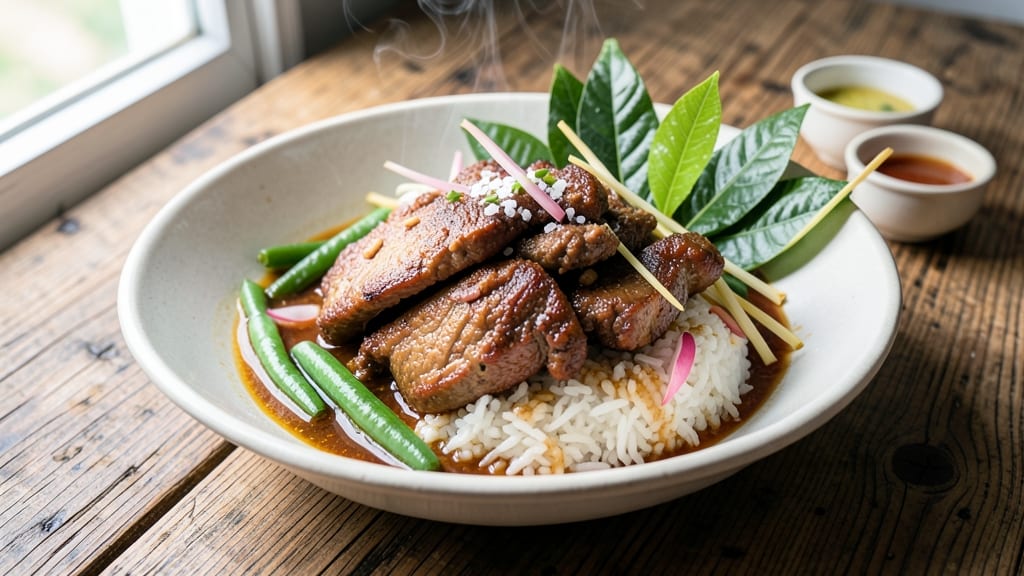
This Cambodian ground pork recipe brings the bold, aromatic flavors of Southeast Asia to your kitchen table with just 30 minutes of active prep. I first discovered the magic of lemongrass and kaffir lime while working in Charleston's international markets—these ingredients transform simple ground pork into something unforgettable.
The secret lies in balancing sweet, sour, and umami through traditional techniques that create depth without complexity.
What makes this dish special is its perfect harmony of textures and flavors: tender pork with crisp edges, bright citrus notes from kaffir lime, and a subtle sweetness from palm sugar. I've adapted the classic Lok Lak technique for home cooks, using accessible ingredients while maintaining that authentic Cambodian soul.
The dish comes together quickly but tastes like you've spent hours perfecting it.
By the time you serve this dish, you'll have a restaurant-quality meal with fragrant aromas filling your home and every bite delivering that perfect balance of spice, acidity, and richness. The pork stays juicy while developing a caramelized crust from the stir-fry, and the sauce clings perfectly to each piece.
Serve it over steamed jasmine rice with quick-pickled vegetables for the full Cambodian experience.
This recipe scales beautifully for gatherings or meal prep—just double the sauce if serving a crowd. The flavors actually improve when reheated, making it perfect for leftovers. Whether you're introducing Cambodian cuisine to your table or recreating a favorite memory, this dish delivers authentic taste without the fuss.
Ingredients for cambodian ground pork
These aromatic ingredients create a fragrant Cambodian masterpiece with bold flavors and perfect balance.
| Ingredient | Amount | Notes |
|---|---|---|
| Ground Pork 🐷 | 1 ½ lb | 80% lean, finely ground |
| Stems Lemongrass 🌿 | 6 whole | Bruised and cut into 1-inch pieces |
| Kaffir Lime Leaves 🍋 | 4 whole | Torn into thin strips |
| Palm Sugar 🍯 | ¼ cup | Finely grated or powdered |
| Fish Sauce 🍶 | 2 tbsp | Red Boat preferred |
| Soy Sauce 🥫 | 2 tbsp | Light or all-purpose |
| Garlic Cloves 🧄 | 8 cloves | Minced, fresh preferred |
| Shallots 🧅 | 4 whole | Peeled and thinly sliced |
| Thai Bird's Eye Chilies 🌶️ | 2 whole | Seeds removed for mild heat |
| Vegetable Oil 🫒 | 3 tbsp | High smoke point preferred |
| Lime Juice 🍋 | 2 tbsp | Freshly squeezed |
| Fresh Cilantro 🌿 | ¼ cup | Chopped, for garnish |
| Jasmine Rice 🍚 | 1 ½ cups | Uncooked, long-grain |
| Salt 🧂 | 1 tsp | Diamond Crystal preferred |
| Ground Black Pepper 🌶️ | ½ tsp | Freshly ground |
The heart of this dish lies in the lemongrass and kaffir lime leaves—these are non-negotiable for authentic flavor. Grab fresh lemongrass from the produce section at Whole Foods or your local Asian market, where it's often sold in bundles. Look for vibrant green stalks with no brown spots. Kaffir lime leaves can be tricky to find fresh, so check the frozen section at Trader Joe's or order online if needed. The palm sugar adds that signature sweetness—Thai brands like Mitr Phol are my go-to, but any fine granulated sugar works in a pinch. For the pork, 80% lean ground pork ensures juiciness without excess fat.
No lemongrass? Double the garlic and lime juice to mimic the citrusy depth. Kaffir lime leaves unavailable? Substitute 1 tbsp lime zest plus 1 tbsp cilantro for a similar bright note. Fish sauce is essential—Red Boat or Three Crabs brands deliver the best umami punch. Short on palm sugar? Honey or maple syrup works, but reduce to 1 tbsp to avoid over-sweetness. The Thai chilies can be swapped for serrano peppers if you prefer milder heat. For the rice, jasmine rice is ideal, but long-grain white rice is a fine alternative if that's what you've got.
The lemongrass and lime leaves can be prepped ahead—store them in a sealed container in the fridge for up to 5 days. The ground pork should be used within 2 days for best texture. This dish reheats beautifully—double the sauce if you're prepping for leftovers, as flavors meld even better the next day. Keep the cooked pork and sauce separate in the fridge for up to 3 days, then combine when reheating. For extra authenticity, serve with quick-pickled cucumbers—just thinly slice cucumbers, toss with rice vinegar, sugar, and salt, and let sit for 30 minutes.
Why You'll Love This Recipe
- No Chopping Nightmare: I swear by this recipe because the prep is actually minimal. Just pound those lemongrass stems flat—no dicing, no mincing—then toss them in while the pork browns. The kaffir lime leaves? Tear them like you’re ripping lettuce for a salad. That’s it. Done.
- Umami Bomb Combo: The fish sauce and palm sugar might sound odd together, but trust me—they’re magic. The pork gets this deep, savory-sweet glaze that sticks to every bite, while the lemongrass and lime leaves add a bright, herbal punch. It’s the kind of flavor that makes you forget you’re eating something "simple."
- Leftover Goldmine: This dish tastes better the next day, honestly. The flavors meld into something richer, and it reheats like a dream. Pack it for work, freeze portions for lazy nights, or serve it cold in rice paper rolls. I’ve had it three ways and never gotten tired of it.
- Budget-Friendly Feast: Ground pork stretches far, and the aromatics cost pennies. A single stalk of lemongrass and a handful of lime leaves go a long way, and fish sauce is the most versatile pantry MVP. Feed a crowd for less than takeout—or treat yourself to a fancy night in without breaking the bank.
Step-by-step instructions for Cambodian ground pork with lemongrass and kaffir lime
Here's how to create this aromatic, restaurant-quality dish with perfectly balanced flavors.
Prepare the Aromatic Base
Heat the 3 tablespoons vegetable oil in a large skillet over medium-high heat until shimmering. Add the 4 whole shallots and 8 cloves garlic (minced), cooking for 2-3 minutes until the shallots soften and turn translucent. This is where the foundation of your dish begins—don't rush this step.
Add the 6 whole stems lemongrass (cut into 1-inch pieces) and 4 whole kaffir lime leaves (torn into strips). Stir for 1 minute until the lemongrass releases its fragrant oils and the lime leaves begin to curl slightly at the edges. The kitchen should now smell like a Cambodian street market—this is your first sensory checkpoint.
Cook the Ground Pork Until Browned
Push the aromatics to one side of the pan and add the 1.5 lb ground pork in batches, breaking it up with a wooden spoon. Cook for 5-6 minutes until the pork loses its raw color and develops a deep golden brown crust. This browning creates the rich, meaty depth that balances the bright citrus and herbal notes.
Use a wooden spoon to break up any large clumps, ensuring even cooking. If the pork releases too much liquid, reduce heat briefly to medium to prevent steaming. You want the pork to be fully cooked but still tender—it should hold together when formed into small patties.
Build the Flavor with Sauce Components
Add the 2 whole Thai bird's eye chilies (seeds removed) and stir for 30 seconds until fragrant. Pour in the 2 tablespoons fish sauce and 2 tablespoons soy sauce, stirring vigorously to combine with the pork and aromatics. Let this mixture simmer for 2 minutes until slightly reduced and glossy.
Sprinkle in the 0.25 cup palm sugar and stir until it dissolves completely, coating the pork evenly. The sugar will caramelize slightly, adding a subtle sweetness that balances the salty fish sauce and umami soy. This is where the magic happens—all the flavors meld together in this single pan.
Finish with Acid and Fresh Herbs
Remove the pan from heat and stir in the 2 tablespoons lime juice and 0.5 teaspoon ground black pepper. The acidity brightens the dish, cutting through the richness of the pork and balancing the sweetness. Taste and adjust seasoning—you might need an additional ½ teaspoon fish sauce or ¼ teaspoon salt to achieve perfect harmony.
Garnish with the 0.25 cup fresh cilantro (chopped) just before serving. The herbs add freshness and visual appeal, completing the dish. Let the pork rest for 2-3 minutes before serving over 1.5 cups jasmine rice—this resting time allows the juices to redistribute for maximum tenderness.
Serve with Perfectly Cooked Jasmine Rice
While the pork rests, cook the 1.5 cups jasmine rice according to package instructions, using 1 teaspoon salt in the cooking water. The rice should be fluffy and slightly sticky, providing a neutral base that lets the pork's complex flavors shine.
Divide the rice among serving plates and top each portion with the ground pork mixture. The aroma alone will make your guests anticipate the explosion of flavors in each bite—lemongrass's citrusy brightness, kaffir lime's floral notes, and the pork's savory richness all coming together in perfect balance.
Pro Tips For Making Cambodian Ground Pork
- CHAR THE LEMONGRASS FIRST: Slap those lemongrass stems in a hot, dry pan for 30 seconds before adding anything else—just until you smell that citrusy punch. I learned this the hard way when my first batch tasted bland because I added the lemongrass raw. The quick char deepens the flavor without burning it.
- SMASH THE KAFFIR LIME: Don’t just chop those kaffir lime leaves—give them a good smash with the flat side of your knife first. This releases the oils and aromatics that’ll actually make your dish smell like a Cambodian street cart. (Yes, even if it looks messy.)
- COOK THE PORK LOW AND SLOW: After the initial sear, drop the heat to medium-low and let that ground pork simmer uncovered for 8-10 minutes. Rushing it turns the meat into a greasy paste—this method keeps it tender and lets the flavors meld. (Your future self will notice the difference.)
- USE FISH SAUCE IN STAGES: Add half the fish sauce with the aromatics, then taste and add the rest after the pork has cooked. This way, you’re not drowning the dish in salt early—just balancing it at the end. (And yes, you can substitute with soy sauce in a pinch, but it won’t be the same.)
Common mistakes when making great cambodian ground pork
Aromatics Overcooked
I’ve seen so many cooks burn the lemongrass and kaffir lime leaves by cooking them too long—this kills their delicate flavors. Once they release their fragrance (about 1 minute of cooking), remove them immediately.
Overcooking turns them bitter, and you’ll taste it in every bite. The leaves should curl slightly at the edges but stay vibrant green. 🌿
Underseasoned Pork
Many home cooks hold back on fish sauce and soy sauce, thinking they’ll ruin the dish. But this recipe needs both—the fish sauce for umami depth and soy for saltiness. Taste as you go!
If it’s bland after adding the full amounts, a splash of extra lime juice or chili paste can brighten it up. Trust the recipe’s measurements—they’re balanced for a reason.
Skipping the Rest
Rushing to serve the pork right after cooking is a huge mistake. Let it rest for 2-3 minutes before plating—this lets the juices redistribute so every bite stays tender.
I’ve seen people serve it immediately, and it’s noticeably drier. Think of it like resting a steak—patience pays off with juicier results. ⏰
Wrong Pork Fat Ratio
Using lean ground pork (like 90% lean) will leave you with dry, crumbly meat. This recipe calls for 80% lean—that extra fat keeps it juicy while browning beautifully.
If that’s all you can find, pat the meat extra dry before cooking to render the fat faster, but don’t skip the fat entirely. The flavor and texture depend on it.
Ignoring the Sugar
Palm sugar isn’t just for sweetness—it caramelizes slightly, adding depth to the sauce. Skipping it or using too little leaves the dish flat. If you’re worried about sweetness, start with 1 tablespoon and taste before adding more. The sugar balances the acidity and salt perfectly when used correctly. 🍯
Overcrowding the Pan
Trying to cook all the pork at once leads to steaming instead of browning. Cook it in batches, breaking it up with a wooden spoon to ensure even contact with the hot pan.
A crowded pan will make the pork greasy and unevenly cooked. Patience here means better texture and flavor in every bite. 🔥
Nutrition facts
Frequently asked questions
What makes this Cambodian ground pork different from other pork stir-fries?
This recipe uses authentic Southeast Asian aromatics like lemongrass and kaffir lime leaves that create a fragrant depth you won't find in Western pork dishes. The balance of palm sugar, fish sauce, and lime juice gives it that signature Cambodian sweet-savory-sour profile. Plus, the pork stays juicy thanks to the 80% lean ratio and proper browning technique.
Can I substitute regular sugar for palm sugar?
Yes, but use half the amount (1 tablespoon instead of ¼ cup) since palm sugar is sweeter. For best results, try coconut sugar or honey—they caramelize similarly and maintain the dish's authentic flavor. Avoid white sugar, which lacks the subtle molasses notes that complement the pork's richness.
How do I make this dish spicier?
Add 1 extra Thai chili (seeds in for heat) or ½ teaspoon chili flakes when cooking the pork. For deeper spice, stir in 1 teaspoon sambal oelek with the fish sauce. Remember, the heat builds with each bite—start with the extra chili and adjust to taste.
What sides pair best with this Cambodian ground pork?
Serve with jasmine rice (essential!) plus quick-pickled cucumbers or green papaya salad for freshness. For a complete meal, add steamed bok choy or a simple tom yum soup. The acidity from pickled veggies cuts through the pork's richness, balancing every bite.
Can I make this recipe ahead of time?
Cook the pork and sauce up to 2 days ahead, then store separately in the fridge. Reheat gently in a skillet with 1 tablespoon oil until warmed through. The flavors actually improve overnight as the aromatics meld. For best texture, add fresh cilantro and lime juice just before serving.