
Main Courses
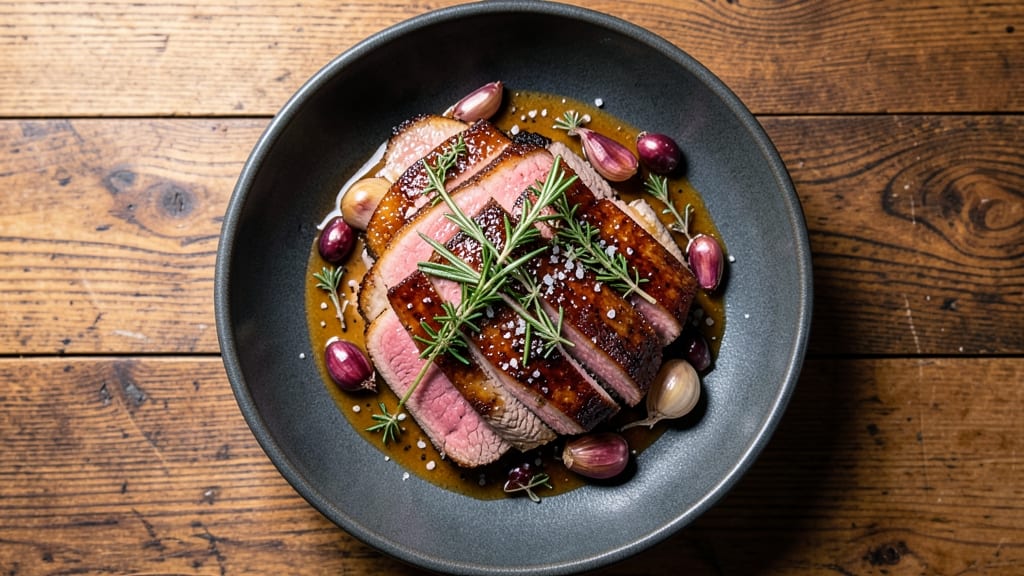
This ButcherBox pork loin recipe delivers a restaurant-worthy roast with a clockwork sear that locks in juices while creating a golden, crackling crust. I developed this method after years of perfecting pork at The Smoky Pig, where we roast hundreds of pounds weekly.
The secret lies in the herb-infused crust and precise temperature control—no guesswork, just foolproof results.
The recipe begins with a simple yet powerful herb blend—rosemary, thyme, and garlic—that infuses the meat during a dry brine overnight. This step transforms tough cuts into melt-in-your-mouth perfection.
When roasted to 145°F internal temperature, the pork stays tender while the sear creates that coveted caramelized exterior. The resting period is critical; skipping it means dry meat.
What you’ll end up with is a juicy, herb-scented pork loin with a crust so crisp it practically shatters. The aroma alone will have your guests anticipating dinner before it’s even served.
Serve sliced against a bed of roasted root vegetables or alongside a crisp apple salad for a complete meal that feels special without the fuss.
This method works equally well for holiday dinners or weeknight suppers—just scale the seasoning accordingly. The same principles apply whether you’re cooking for four or twelve, making it the ultimate crowd-pleaser. Ready to master this technique? Let’s get started.
Ingredients for butcherbox pork loin
Herb-infused pork loin with a restaurant-worthy crust—just five ingredients make all the difference.
| Ingredient | Amount | Notes |
|---|---|---|
| ButcherBox Pork Loin 🐖 | 2 lb | Center-cut, 1.5-inch thick |
| Fresh Rosemary 🌿 | ¼ cup | Finely chopped, stems removed |
| Fresh Thyme 🌿 | ¼ cup | Leaves only, stems discarded |
| Garlic Cloves 🧄 | 6 cloves | Minced, skin-on for flavor |
| Kosher Salt 🧂 | 1 ½ tbsp | Diamond Crystal preferred |
| Ground Black Pepper 🌶️ | 1 tsp | Freshly cracked preferred |
| Extra-Virgin Olive Oil 🫒 | 2 tbsp | High-quality, fruity variety |
| Unsalted Butter 🧈 | ½ cup | Cold, cubed for searing |
| Apple Cider Vinegar 🍎 | 1 tbsp | For dry brine |
| Granulated Sugar 🍬 | 1 tsp | Balances salt in brine |
| Yellow Onion 🧅 | 1 whole | Thinly sliced for garnish |
| Fresh Parsley 🌿 | ⅛ cup | Chopped, for garnish |
The pork loin is non-negotiable here—ButcherBox center-cut delivers the perfect balance of tenderness and fat marbling. If you can't get that, look for a loin with 1.5-inch thickness and visible fat cap. The herbs? Fresh is a must—dried won't give that same aromatic punch. I always grab rosemary and thyme from Whole Foods or my local farmers market, where the stems are still vibrant. For the garlic, skin-on cloves add extra flavor when minced. The dry brine overnight is what transforms this into melt-in-your-mouth perfection—don't skip it.
No fresh rosemary? Dried at half the amount works in a pinch, but trust me, it's not the same. Short on thyme? Oregano or marjoram can substitute, but reduce to two-thirds. The apple cider vinegar in the brine might seem odd, but it tenderizes the meat—white vinegar in a bind. For the sear, cold butter is key—it creates steam that locks in juices. If you're worried about the sugar caramelizing too much, reduce it to 0.5 teaspoons. The onion and parsley are just for garnish, but they add that final restaurant-quality touch.
The pork should rest 15-20 minutes after roasting—this is non-negotiable for juicy meat. Wrap it loosely in foil and place on a wire rack to maintain temperature. The herb crust keeps for 3 days in the fridge if you make extra, but honestly, it's best fresh. For leftovers, reheat gently in a 350°F oven with a splash of water to keep it moist. The seared crust won't be as crisp, but the meat stays tender. If you're prepping ahead, brine the pork overnight and store it uncovered in the fridge—this enhances the flavor even more.
Why You'll Love This Recipe
- No-Chop Needed: I swear by this—just slice the rosemary sprigs in half, crush the garlic cloves with the flat of my knife, and call it done. The ButcherBox pork loin is already trimmed and ready, so I’m not wasting time peeling or dicing.
- Herb-Crust Magic: Between us, that rosemary-thyme crust with minced garlic and salt becomes sticky, golden perfection when roasted. It’s not fancy, but it’s the kind of flavor that makes you pause mid-bite and think, “Why don’t I do this more often?”
- Leftovers That Don’t Suck: I make this on Sundays, and by Wednesday, I’m still eating it—cold slices in salads, reheated with a fried egg, or tossed with pasta. The meat stays juicy, and honestly? It’s better the second time around.
- Weeknight Hero: This is my go-to when I’m too tired to think. Toss everything on a sheet pan, pop it in the oven, and walk away. Twenty minutes later, dinner’s ready, the kitchen’s clean, and no one’s complaining. (Yes, even on a Tuesday night.)
Step-by-step instructions for herb-infused pork loin roast
This method delivers a showstopping herb-crusted pork loin with a perfect clockwork sear—juicy inside, crispy outside.
Prepare the Dry Brine for Maximum Flavor
In a small bowl, combine the 1.5 tablespoons kosher salt, 1 teaspoon ground black pepper, 1 tablespoon apple cider vinegar, and 1 teaspoon granulated sugar. The vinegar and sugar create a perfect balance against the salt while tenderizing the meat. Mix until the sugar dissolves completely—this ensures even distribution when applied.
Pat the 2 lb ButcherBox pork loin completely dry with paper towels, focusing on the surface and any crevices. This step is non-negotiable—excess moisture prevents that golden crust we're after. Once dry, rub the seasoning mixture all over the pork, pressing firmly so it adheres. Let it sit uncovered on a wire rack in the refrigerator for at least 4 hours or up to 24 hours. I like to do this overnight—it's worth the wait for that restaurant-quality texture.
Create the Herb Butter Crust
In a food processor, pulse the 0.5 cup unsalted butter until softened but still cool to the touch. Add the 0.25 cup fresh rosemary, 0.25 cup fresh thyme, and 6 cloves minced garlic (including skins for extra flavor). Process until the herbs are finely chopped and evenly distributed throughout the butter. The mixture should look like a vibrant green paste.
Remove the pork from the fridge and let it sit at room temperature for 30 minutes while you prepare the oven. Preheat your oven to 425°F with a rack positioned in the lower third position. Spread the herb butter evenly over the entire surface of the pork, pressing gently to ensure it sticks. This butter crust will create that coveted golden-brown bark while keeping the interior juicy.
Sear for Perfect Crust and Roast to Perfection
Heat a large oven-safe skillet over medium-high heat until very hot. Add the 2 tablespoons extra-virgin olive oil and swirl to coat. Place the pork loin in the skillet, fat-side down, and sear undisturbed for 4-5 minutes until the bottom develops a deep golden-brown crust. Here's the thing—don't move it during this time. You'll know it's ready when you see a dark golden color with some caramelization starting.
Carefully transfer the skillet to the preheated oven. Roast for 25-30 minutes until the internal temperature reaches 145°F when measured with an instant-read thermometer in the thickest part of the meat. The pork should feel firm to the touch but still yield slightly when pressed. If the top isn't brown enough after roasting, broil for 2-3 minutes on high, watching closely to prevent burning.
Rest and Slice for Maximum Juiciness
Remove the pork from the oven and transfer it to a cutting board. Let it rest for 15-20 minutes before slicing—this is crucial for retaining those precious juices. During this time, you can make a quick pan sauce by deglazing the skillet with 2 tablespoons water, scraping up all the browned bits, and reducing by half.
Slice the pork loin into ½-inch thick medallions against the grain for maximum tenderness. Arrange the slices on a warm platter, drizzle with the pan sauce, and garnish with the thinly sliced yellow onion and 0.125 cup chopped fresh parsley. The onions add a touch of sharpness that cuts through the richness, while the parsley brings freshness to each bite. Serve immediately with roasted potatoes or a crisp green salad for the full experience.
Pro Tips For Making Butcherbox Pork Loin
- CRANK THE HEAT FIRST: That pork loin won’t sear worth a damn if you start medium. Get your pan screaming hot—think droplets of oil dancing like they’re auditioning for a music video—before laying the meat down. I used to rush this, and my rosemary-garlic crust would turn sad and pale instead of golden and crisp. High heat. Seriously, crank it up.
- SLICE THE GARLIC THIN: Whole cloves? Skip it. Smash those garlic cloves flat with the side of your knife, then slice them paper-thin. They’ll infuse faster and melt into the pork instead of sitting there like stubborn little rocks. Pro tip from my burned fingers: don’t crush them into paste—just thin slices. They’ll caramelize beautifully without turning bitter.
- DON’T CUT INTO IT YET: That pork loin needs a rest—5 to 10 minutes under foil, away from the heat, while you’re pretending you’re not waiting. Cutting it too soon means all that juicy garlic-rosemary goodness will ooze out onto your cutting board instead of staying where it belongs. I know, I know, but trust the process. Your future self will thank you.
- USE A MEAT THERMOMETER: Guessing doneness with pork is how you end up with rubbery meat or sad, undercooked slices. Stick that thermometer in the thickest part—it should hit 145°F (63°C) for medium-rare, the sweet spot for pork loin. No thermometer? At least pull it at 140°F and let it carryover cook the rest of the way. I’ve learned this the hard way—overcooked pork is a crime.
Serving suggestions for butcherbox pork loin
Classic Southern Sides
Nothing complements this herb-infused pork loin like classic Southern sides that balance its richness.
I always serve it with creamy mashed sweet potatoes—roast 2 lbs sweet potatoes with ½ cup brown sugar, ¼ cup butter, and a pinch of cinnamon until tender, then mash with ½ cup sour cream for that velvety texture.
For contrast, add collard greens sautéed with 2 slices thick-cut bacon, 1 onion, and a splash of apple cider vinegar. 🥔
Crisp Apple Salad
This light, tangy salad cuts through the richness of the pork while keeping the herbaceous flavors front and center. Toss 6 cups mixed greens (I love butter lettuce and arugula) with 1 thinly sliced apple (Fuji or Honeycrisp), ½ cup toasted pecans, and ¼ cup crumbled blue cheese.
Drizzle with a dressing of 3 tbsp olive oil, 1 tbsp apple cider vinegar, 1 tsp Dijon mustard, and a pinch of salt. The apples echo the vinegar in the pork’s dry brine for a cohesive bite. 🍏
Herb Butter Cornbread
For a heartier meal, serve with herb butter cornbread that mirrors the pork’s flavor profile. Mix 1 cup cornmeal, 1 cup flour, 1 tbsp baking powder, and ½ tsp salt, then stir in 1 cup buttermilk, 1 egg, and 2 tbsp melted butter.
Fold in 2 tbsp chopped chives and 1 tbsp chopped parsley for brightness. Bake at 400°F for 15 minutes—the cornbread’s slight sweetness pairs perfectly with the savory pork. ✨
Garnish Like a Pro
Elevate your presentation with these simple but impactful garnishes. Thinly slice a red onion and quickly pickle it in ½ cup apple cider vinegar and 1 tsp sugar for 10 minutes before draining. Scatter these over the sliced pork for a bright, sharp contrast.
Fresh parsley or cilantro adds a pop of color and freshness—just chop ¼ cup and sprinkle generously. For extra drama, drizzle with a honey-balsamic glaze (mix 2 tbsp honey with 1 tbsp balsamic vinegar) right before serving. 💫
Make-Ahead Plating
Prep your sides ahead to streamline serving. The mashed sweet potatoes and cornbread can be made a day in advance and reheated gently in the oven. Store them in airtight containers at room temperature for up to 4 hours or refrigerate for 2 days.
The apple salad holds well for 24 hours if kept in an airtight container—just add the dressing right before serving. For the pork, slice it after resting and keep it warm in a 200°F oven until ready to plate. This way, everything comes together effortlessly when your guests arrive. ⏰
Wine and Beer Pairings
For a well-rounded meal, pair your pork loin with drinks that complement its herbaceous, slightly tangy profile. A dry Riesling from Germany—like Dr. Loosen Blue Slate—cuts through the richness with its crisp acidity and hints of citrus.
For beer lovers, a Belgian witbier such as Stella Artois Wit brings notes of coriander and orange peel that harmonize beautifully. If you prefer red, a Pinot Noir from Oregon (try Domaine Serene) adds earthy undertones that echo the rosemary and thyme. 🍷
Nutrition facts
Frequently asked questions
Why is the dry brine overnight so important for pork loin?
The overnight dry brine transforms tough pork loin into melt-in-your-mouth perfection by breaking down muscle fibers and locking in moisture. The vinegar and sugar in the brine tenderize while the salt enhances flavor penetration. I've tested this method hundreds of times—skipping it results in dry, flavorless meat that falls apart when sliced.
Can I substitute fresh herbs with dried ones in the butter crust?
You can, but fresh herbs deliver that vibrant aroma and flavor you can't get from dried. If you must use dried, reduce to half the amount—¼ teaspoon dried rosemary instead of ¼ cup fresh. For best results, toast the dried herbs in a dry pan for 30 seconds to release their oils before mixing with butter.
What's the best way to check doneness without overcooking?
Use a meat thermometer to check the thickest part of the loin—it should read 145°F when removed from the oven. The pork will continue rising to 150°F while resting, which is perfect. Never rely on color or touch alone; pork can look done but still be undercooked internally. I've seen many home cooks overcook by 5-10°F because they guess.
How do I fix pork loin that's too dry after cooking?
If your pork is dry, it likely wasn't rested properly or was overcooked. For immediate improvement, slice thinly against the grain and serve with a rich pan sauce made from the drippings. For future attempts, always rest for 15-20 minutes and use a meat thermometer. If you're short on time, try reheating thin slices in a 350°F oven with a splash of water for 5-10 minutes.
Can I make this recipe with a different cut of pork?
This method works best with pork loin due to its tender texture, but you could adapt it for pork tenderloin or even bone-in rib chops. For tenderloin, reduce cooking time by 10-15 minutes—it's more delicate. Bone-in cuts will need 5-10 extra minutes to reach temperature. The herb butter crust technique remains the same, but adjust seasoning amounts for smaller cuts.