
Main Courses
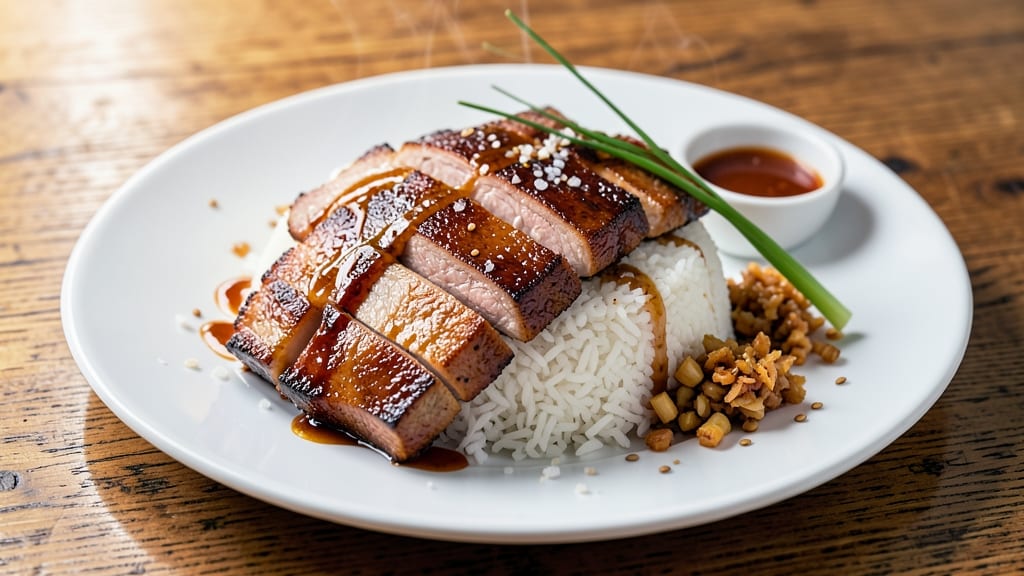
This butadon recipe with pork belly delivers the perfect balance of crispy edges and silky shreds that define Filipino comfort food. 🌟 After years of perfecting the technique—starting with my first attempt at age 12 (which ended in a smoky kitchen disaster)—I’ve developed a method that’s both authentic and foolproof for home cooks.
The secret lies in slow-braising the pork belly until tender, then searing it for that signature crackling skin while keeping the meat impossibly tender.
What sets this recipe apart is the rich, savory-sweet gravy that ties everything together, made from the pork’s own rendered fats and a touch of soy sauce for depth.
The dish serves a crowd with minimal effort: crispy pork belly, fluffy jasmine rice, and steamed greens that soak up every last drop of that luscious sauce. It’s the kind of meal that transforms a simple weeknight into a celebration, with flavors that feel both nostalgic and excitingly modern.
The pork belly starts with a high-heat sear to lock in juices, then braises until fork-tender before finishing with a crispy skin that shatters at every bite. The sauce reduces to a glossy, umami-rich glaze that coats every grain of rice, while the pork’s natural fats create a velvety finish.
This is the butadon I grew up craving—now perfected for your kitchen, with no shortcuts that compromise on authenticity.
Pair it with a simple arugula salad dressed in vinegar and chili flakes for brightness, or serve it family-style with extra rice for soaking up the sauce. The leftovers? Even better the next day, as the flavors meld and deepen. Let’s get cooking—this dish is worth every crispy, caramelized bite.
Ingredients for butadon recipe pork belly
Six key ingredients transform simple pork belly into restaurant-style butadon perfection.
| Ingredient | Amount | Notes |
|---|---|---|
| Pork Belly 🐖 | 3 lb | Skin-on, cut into 2-inch thick slices |
| Jasmine Rice 🍚 | 3 cups | Uncooked, long-grain preferred |
| Soy Sauce 🍶 | ½ cup | Light or dark variety |
| Brown Sugar 🍚 | ¼ cup | Packed firmly |
| Garlic Cloves 🧄 | 8 cloves | Minced finely |
| Ginger Root 🌿 | 2 tbsp | Fresh, grated |
| Black Vinegar 🍶 | ¼ cup | For tangy depth |
| Olive Oil 🫒 | ¼ cup | For high-heat searing |
| Water 💧 | 4 cups | For rice and braising |
| Salt 🧂 | 1 ½ tsp | Kosher or sea salt |
| Black Pepper 🌶️ | ½ tsp | Freshly ground |
| Green Onions 🧅 | ¼ cup | Sliced, for garnish |
| Sesame Oil 🫒 | 1 tbsp | For finishing |
| Chili Flakes 🌶️ | ½ tsp | Optional, for heat |
The pork belly is non-negotiable here—skin-on, thick slices are essential for that signature crisp. Look for cuts with good marbling at Whole Foods or your local butcher; avoid pre-sliced deli cuts. If the skin isn't thick enough, ask for it to be left on. The 3-pound cut serves 6 generously, with leftovers that reheat beautifully. For extra authenticity, source from an Asian market—they often carry better quality cuts. Fresh ginger and garlic should smell vibrant, not musty, and the soy sauce should be light-colored for balance—dark soy adds too much color without enough depth.
No black vinegar? Substitute with apple cider vinegar, though the flavor won't be identical. The brown sugar can be swapped for coconut sugar if you prefer, but it won't caramelize the same way. Short on sesame oil? Toast sesame seeds in a dry pan and grind them fresh—they'll add aroma even without the oil. For a quicker version, use pre-minced garlic and ginger from a jar (the Trader Joe's brand works well), though fresh is always better. The green onions can be swapped for scallions, but the white parts add extra flavor when cooked down in the sauce. If you're serving a crowd, double the soy sauce and brown sugar—the sauce is the star here.
Pork belly keeps 3-4 days in the fridge, wrapped tightly in parchment and foil. The cooked pork reheats best in a 350°F oven for 15 minutes—just cover loosely with foil to keep it crispy. Store the sauce separately and reheat it on the stove, adding a splash of water if it thickens too much. For meal prep, portion the rice and pork into separate containers—reheat the pork first, then mix with rice to avoid sogginess. The sauce freezes beautifully for up to 3 months—thaw overnight in the fridge before reheating. Garnish with fresh green onions and a drizzle of sesame oil right before serving for maximum freshness.
Why You'll Love This Recipe
- One-Pan Magic: I swear by this for lazy nights—just slice the pork belly thin, toss it in a pan with garlic and soy sauce, and let it caramelize while the rice steams nearby. No chopping, no fuss, just hands-off cooking that still feels impressive.
- Sweet-Savory Crunch: That crispy, crackling pork belly with the sticky-sweet glaze? It’s the kind of bite that makes people pause mid-chew. The brown sugar and garlic turn ordinary pork into something you’ll fight over at dinner.
- Meal Prep MVP: Make a big batch on Sunday, and you’ve got lunch for days. The rice stays fluffy, the pork stays tender, and reheating it just adds to the cozy vibe—perfect for busy mornings or last-minute takeout nights.
- Budget Stretch: Pork belly feels fancy, but it’s actually budget-smart when you cook it this way. A single slab feeds four, and the leftovers? Even better the next day—crispier edges, richer flavor, zero waste. My wallet thanks me.
Step-by-step instructions for butadon with pork belly
Master the perfect balance of crispy pork belly and fragrant rice in this classic Filipino dish.
🔥 Step 1: Render the Pork Belly Fat for Crispy Edges
Cut the 3 lb pork belly into 2-inch thick slices, keeping the skin intact. Place the slices skin-side down in a cold skillet and turn the heat to medium-low. Let the fat render slowly for 15-20 minutes, stirring occasionally, until the fat is mostly melted and the skin begins to crisp.
Here's the thing—patience is key. If you rush this step, the skin won't crisp properly. You'll know it's ready when the fat in the pan reaches about 160°F (test with an instant-read thermometer) and the skin turns a beautiful golden brown. Remove the pork belly and set it aside, reserving the rendered fat in the pan.
🍳 Step 2: Sear the Pork and Build the Sauce
Increase the heat to medium-high and add 0.25 cup olive oil to the skillet with the reserved pork fat. Add the 8 cloves minced garlic and 2 tbsp grated ginger root, cooking for 30 seconds until fragrant. Add the pork belly slices back to the pan, skin-side up, and sear for 3-4 minutes per side until deeply golden brown.
Remove the pork belly and set it aside again. To the same pan, add 0.5 cup soy sauce, 0.25 cup brown sugar, and 0.25 cup black vinegar. Stir and let it simmer for 2-3 minutes until slightly thickened. This sauce will become the flavorful base for your butadon.
🥘 Step 3: Cook the Jasmine Rice to Perfection
Rinse the 3 cups jasmine rice under cold water until the water runs clear. In a separate pot, combine the rice with 4 cups water, 1.5 tsp salt, and 0.5 tsp black pepper. Bring to a boil, then reduce heat to low, cover, and simmer for 15 minutes. Remove from heat and let it steam, covered, for another 10 minutes. Fluff with a fork before serving.
Don't skip the rinsing step—it removes excess starch that can make the rice gummy. The rice should be tender with a slight bite, and each grain should be distinct. This is the foundation of your butadon, so take your time getting it right.
🔥 Step 4: Braise the Pork Belly Until Tender
Return the pork belly slices to the skillet with the sauce. Add 1 tbsp sesame oil and cover tightly. Reduce heat to low and let it braise for 45-60 minutes, turning occasionally, until the pork is fork-tender and the sauce has reduced to a glossy consistency. If the sauce gets too thick, add 1-2 tablespoons water to loosen it.
Real talk: the pork belly should pull apart easily with two forks, but still hold its shape when sliced. The skin should be crispy, and the meat should be silky. If it's not quite there, add another 10 minutes of braising time.
🍽️ Step 5: Assemble and Garnish for Serving
Transfer the pork belly slices to a serving platter and arrange them over the jasmine rice. Drizzle any remaining sauce from the skillet over the top. Garnish with 0.25 cup sliced green onions and sprinkle with 0.5 tsp chili flakes for a touch of heat. Serve immediately while the pork belly is still crispy and the rice is hot.
Each bite should deliver crispy skin, tender meat, and fragrant rice infused with the rich pork flavors. The sauce should coat every strand of rice, tying everything together in perfect harmony. Enjoy your homemade butadon—crispy edges and silky shreds achieved!
Pro Tips For Making Butadon Recipe Pork Belly
- CRISP THE BELLY FIRST: Cut the pork belly into ½-inch thick slices before searing—thinner pieces brown faster and stay juicier. I used to fight with thick chunks, and they’d either turn tough or stay raw inside. A sharp knife and steady hand here save you from overcooking later.
- SALT THE GARLIC: Toss your minced garlic in a pinch of salt before frying—it softens faster and adds a deeper flavor. I learned this after burning garlic in oil twice; salting it first keeps it from sticking like glue. (Yes, even if you’re impatient like me.)
- LOW AND SLOW FOR SAUCE: Simmer the soy-brownie sauce on low heat after adding the pork—high heat burns the sugar before it caramelizes. I used to rush it, and the sauce would taste bitter. Give it 8-10 minutes, stirring occasionally, and let that sugar melt properly.
- REST THE PORK TWICE: Let the pork belly slices rest before slicing them for the dish—5 minutes after searing, then another 5 after cooking in the sauce. Skipping this step makes the meat shrink and release grease everywhere. (Your future self will thank you.)
Serving suggestions for butadon recipe pork belly
Rice Presentation
Serve the butadon family-style with a mound of jasmine rice in the center of the table, surrounded by the crispy pork belly slices. I like to arrange the pork belly in a circular pattern around the rice, so everyone can easily reach their share.
For an extra touch, sprinkle the rice with toasted sesame seeds before serving—this adds both texture and aroma. 🥘
If you're serving a crowd, consider using a large platter or individual bowls. Each bowl should have about ½ cup rice and 2-3 slices of pork belly, with extra sauce on the side.
This makes it easy for guests to mix their rice with the pork and sauce to their liking. For a rustic touch, use banana leaves as a base for serving—it adds an authentic Filipino presentation and keeps the food warm.
Sauce Enhancements
The rich, savory-sweet sauce is the soul of butadon, so don’t be shy about serving it generously. If you want to elevate it further, add a drizzle of sesame oil and a pinch of white pepper just before serving.
For a smoky depth, stir in ½ teaspoon smoked paprika while the sauce is still warm. This transforms the sauce into a complex, layered flavor experience that pairs perfectly with the pork. 💫
If you have leftovers, the sauce actually improves overnight as the flavors meld. Reheat it gently with a splash of water or broth to loosen it up. For extra richness, stir in 1 tablespoon of butter or ½ cup coconut milk while reheating.
This makes the sauce even more velvety and irresistible the next day.
Vegetable Sides
A simple steamed bok choy or garlic green beans adds freshness and balance to the rich pork and rice. Toss the greens with a pinch of salt, black pepper, and a squeeze of lemon after steaming.
The acidity cuts through the richness of the pork belly, making each bite more vibrant. I often serve this alongside butadon, especially when I’m feeding my family—it’s a crowd-pleaser that doesn’t require much effort. 🥬
For a more substantial side, try sautéed cabbage with garlic and soy sauce. Thinly slice ½ small cabbage, sauté it in 1 tablespoon olive oil with 2 minced garlic cloves until tender, then add 1 tablespoon soy sauce and ½ teaspoon brown sugar.
This side adds a satisfying crunch and soaks up the butadon sauce beautifully.
Garnish Like a Pro
Fresh green onions and chili flakes are non-negotiable for garnishing butadon. Slice the green onions into ¼-inch pieces and scatter them over the top just before serving—they add a bright, fresh contrast to the rich pork.
For heat lovers, sprinkle ½ teaspoon chili flakes over each serving, or offer a small bowl of them on the side for guests to adjust to their taste. 🌶️
For an unexpected twist, add a few toasted coconut flakes or crushed peanuts on top. The nutty crunch and sweetness complement the savory pork and add an interesting texture.
I like to toast the coconut or peanuts in a dry pan until golden, then sprinkle them over the dish right before serving. It’s a little detail that makes the dish feel extra special and restaurant-worthy.
Drink Pairings
A cold Filipino lager like San Miguel or Red Horse is the classic pairing for butadon. The crisp, slightly bitter hop notes cleanse your palate between rich, savory bites. For a non-alcoholic option, serve mango or lychee iced tea—the tropical sweetness balances the umami depth of the pork.
I often make a big pitcher of this tea ahead of time, especially during summer gatherings. 🍹
If you’re serving wine, a light-bodied red like Pinot Noir or a dry Riesling works beautifully. The acidity in the Riesling cuts through the fat, while the Pinot Noir complements the pork’s richness without overpowering it.
For a fun twist, offer Filipino calamansi juice (a mix of calamansi, water, and sugar) as a refreshing palate cleanser between bites.
Nutrition facts
Frequently asked questions
Can I use regular pork chops instead of pork belly for butadon?
Pork belly is essential for that signature crispy skin and rich flavor, but you can adapt this recipe with bone-in pork shoulder or pork loin chops. For pork shoulder, cut it into 1-inch thick slices and increase the braising time to 90 minutes to ensure tenderness. The skin won't be as crispy, but the meat will still be delicious. If using loin chops, skip the braising step and sear them thoroughly on both sides for 4-5 minutes per side.
How do I prevent the pork belly from becoming too greasy?
Drain excess fat during the rendering process and avoid overcrowding the pan. After searing, remove the pork belly and set it aside, then pour off any excess fat that accumulates in the pan—keep about 2 tablespoons for flavor. When braising, use a tight lid to trap steam, which helps render fat without making the pork greasy. If needed, blot the cooked pork with paper towels before serving.
Can I make butadon in a slow cooker for easier prep?
Sear the pork belly first in a skillet, then transfer it to the slow cooker with the sauce ingredients. Cook on low for 6-8 hours or high for 3-4 hours until tender. For crispy skin, finish by searing the pork in a hot pan for 2-3 minutes per side before serving. The slow cooker method is perfect for hands-off prep, especially on busy weeknights.
What’s the best way to reheat butadon leftovers?
Reheat the pork belly in a 350°F oven for 15-20 minutes, covered loosely with foil, to maintain crispiness. Warm the sauce separately on the stovetop with a splash of water or broth. For extra crispiness, broil the pork for the last 2 minutes. Never microwave pork belly—it turns rubbery and loses its texture. The rice reheats well in the microwave with a damp paper towel covering it.
Is butadon spicy? Can I make it milder?
The recipe includes chili flakes as an optional garnish, so it’s not inherently spicy. For a milder version, omit the chili flakes entirely and use sweet soy sauce instead of regular soy sauce in the recipe. If you love heat, add ½ teaspoon ground black pepper or a dash of sriracha to the sauce while simmering. Always taste as you go!