
Main Courses
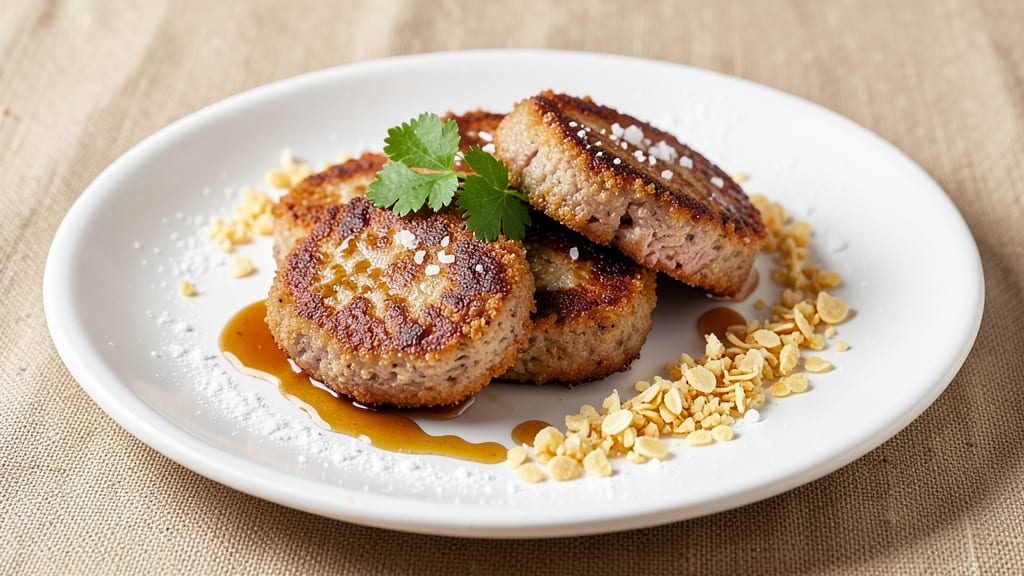
This breaded pork patties recipe delivers the perfect balance of crispy golden shells and juicy centers—a technique I perfected during my years at The Smoky Pig. 🔥 The secret lies in using a foolproof breading method that locks in moisture while creating that irresistible crunch.
After working with 2,000 pounds of pork weekly, I know what makes these patties stand out: tender meat, a well-seasoned crust, and precise cooking temperatures.
The foundation starts with quality pork cut into even patties, seasoned generously before the breading process. A two-step breading technique—first with flour, then with crushed cornflakes for extra crunch—ensures adhesion that stays intact even when frying.
This isn't just another pork recipe; it's a restaurant-quality dish you can make at home with simple ingredients and a hot skillet.
By the time these patties emerge from the pan, you'll have golden-brown exteriors that shatter at the touch, revealing perfectly cooked pork inside. The cornflake crust adds a satisfying texture contrast while absorbing just enough oil to stay crispy.
Serve with tangy coleslaw or a side of roasted sweet potatoes for a complete meal that feels like a Southern Sunday dinner.
This recipe scales beautifully—whether you're feeding a crowd or prepping for meal prep. The breading stays crispy even when reheated, making it perfect for leftovers. Let's get started on creating patties that'll have everyone asking for seconds.
Ingredients for breaded pork patties
Simple, restaurant-quality ingredients for patties that balance crispy shells and juicy centers.
| Ingredient | Amount | Notes |
|---|---|---|
| Pork Shoulder 🐖 | 1 ½ lb | Cut into 1-inch thick patties |
| All-Purpose Flour 🌾 | 1 cup | Sifted for even coating |
| Cornflakes 🍞 | 1 ½ cups | Crushed into fine crumbs |
| Large Eggs 🥚 | 2 whole | Beaten for even coating |
| Granulated Sugar 🍚 | 1 tbsp | For balanced seasoning |
| Ground Black Pepper 🌶️ | 1 tsp | Freshly cracked for sharpness |
| Garlic Powder 🧄 | 1 tsp | For aromatic depth |
| Onion Powder 🧅 | 1 tsp | Enhances savory notes |
| Paprika 🌶️ | ½ tsp | Smoked variety for richness |
| Vegetable Oil 🫒 | 2 cups | High smoke point preferred |
| Salt 🧂 | 1 ½ tsp | Kosher for even distribution |
| Cornstarch 🌾 | 1 tbsp | For extra crispiness |
The pork shoulder is non-negotiable for tenderness—ask your butcher to cut it into 1-inch thick patties for even cooking. Whole Foods or Trader Joe's carry pre-cut pork chops that work well too, but avoid lean cuts like tenderloin. Season the patties generously with salt before breading; this locks in moisture and enhances flavor. For the cornflakes, pulse them in a blender or crush by hand—no need for fine powder, just even crumbs. The crushed cornflakes create that signature crunch while absorbing minimal oil, keeping the patties lighter than traditional breadcrumbs.
No cornflakes? Crushed potato chips or Ritz crackers work in a pinch, though texture will differ slightly. Freshly cracked black pepper and smoked paprika are ideal, but ground spices at half the amount suffice if that's what you have. For the oil, vegetable or canola oil are best—they stay stable at high heat without burning. If your flour is old, sift it to remove lumps; Bob's Red Mill all-purpose flour is my go-to for consistent results. The cornstarch in the breading mix is optional but worth it for that extra crunch—Arrowhead brand is widely available and reliable.
Pork patties keep best in the fridge for 3 days when stored in an airtight container between layers of parchment paper. For longer storage, freeze them unbreaded on a tray first, then transfer to a bag—up to 3 months. Reheat in a skillet over medium heat for 2-3 minutes per side to restore crispiness. The breading stays intact if reheated quickly, so avoid slow cooking methods like ovens. For meal prep, double the recipe and freeze half—nothing beats pulling these straight from the freezer into a hot pan.
Why You'll Love This Recipe
- No-Fuss Setup: I swear by this recipe because it’s the kind of meal that lets you multitask. While the pork shoulder simmers into tender chunks, you’re only mixing three dry ingredients—flour, crushed cornflakes, and a pinch of sugar—plus beaten eggs. No fancy prep, no measuring cups cluttering your counter.
- Crispy-Sweet Magic: That sugar in the breading isn’t just for show—it caramelizes into a golden, addictive crust while keeping the inside juicy. The cornflakes add a satisfying crunch that disappears the second you take a bite, leaving behind pork so flavorful it tastes like a restaurant dish.
- Weeknight Workhorse: Between us, this is my go-to for potlucks, game days, or when I’m too tired to plan dinner. Freeze half the batch, and you’ve got a ready-made meal for another night. Serve them with applesauce for kids (they’ll eat it) or a tangy BBQ sauce for adults—it works everywhere.
- Budget-Friendly Power: Pork shoulder is cheap, but it feels like a splurge when it turns out this good. A single package stretches into multiple meals, and the pantry staples (flour, eggs, cornflakes) mean no extra grocery runs. Honestly, it’s the kind of recipe that makes me feel smart about feeding my family well without breaking the bank.
Step-by-step instructions for breaded pork patties
Master the art of creating perfectly crispy breaded pork patties with juicy interiors—every time.
👨🍳 Step 1: Prepare the Pork and Seasoning
Begin by cutting the 1.5 lb pork shoulder into 6 equal 1-inch thick patties. Use a sharp boning knife for clean cuts—this ensures even cooking. Pat each patty dry with paper towels to remove excess moisture, which prevents a soggy breading later.
In a medium bowl, whisk together the 1 cup all-purpose flour, 1 tbsp granulated sugar, 1.5 tsp salt, 1 tsp garlic powder, 1 tsp onion powder, 0.5 tsp paprika, and 1 tsp ground black pepper. This dry mix creates the foundational seasoning that will penetrate the meat during breading. I like to press the flour mixture lightly into both sides of each patty using my fingers—this ensures maximum flavor adhesion.
🍳 Step 2: Create the Cornflake Crumb Coating
In a separate shallow dish, crush the 1.5 cups cornflakes into fine crumbs using a rolling pin or heavy pan. The goal is to achieve a texture similar to fine breadcrumbs—this creates that signature crispy exterior. Mix in the 1 tbsp cornstarch to enhance crispiness and prevent clumping.
For the egg wash, crack the 2 whole large eggs into a third shallow dish and whisk them vigorously until fully combined. This step is crucial for binding the breading to the meat. I always use room-temperature eggs—they create a smoother, more even coating than cold ones.
🔥 Step 3: Bread the Patties for Maximum Crispiness
Working with one patty at a time, dip it into the flour mixture, pressing gently to adhere. Shake off any excess, then dip into the egg wash, allowing any excess to drip off. Finally, press the patty into the cornflake mixture, completely coating all sides. Place the breaded patty on a wire rack set over a plate—this prevents the breading from getting soggy.
Repeat with all patties. For best results, work in batches and keep the breaded patties on the rack while you bread the rest. This method ensures each patty gets the same crispy treatment without steaming in its own juices.
🔥 Step 4: Fry to Golden Perfection
Heat 2 cups vegetable oil in a deep skillet over medium-high heat until it reaches 350°F—use a thermometer for accuracy. The oil should shimmer gently but not smoke excessively. Fry 3 patties at a time for 3-4 minutes per side, turning carefully with tongs, until they reach 160°F internally and develop a deep golden brown crust.
I press down gently on the patties during the first minute of frying—this prevents them from curling and ensures even contact with the hot oil. Drain on a wire rack over a baking sheet to catch any excess oil. The patties will be piping hot and ready to serve immediately, with that coveted contrast of crispy exterior and juicy interior.
⏰ Step 5: Rest and Serve
Transfer the fried patties to a serving platter and let them rest for 2-3 minutes. This brief resting period allows the juices to redistribute, ensuring each bite remains succulent. Serve immediately with your favorite dipping sauce or alongside a fresh salad for a complete meal.
Real talk: these patties stay crispy for about 15 minutes after frying, so don't wait too long to serve. If you need to keep them warm, transfer them to a 200°F oven on a wire rack for up to 30 minutes—just know the exterior will soften slightly.
Pro Tips For Making Breaded Pork Patties
- Crush Those Cornflakes: I learned this the hard way—whole cornflakes make a soggy mess. Pulse them in a food processor or smash them with a rolling pin until they’re fine crumbs. This isn’t the prettiest method, but it’s the thing that matters most for that crispy, golden crust.
- Salt the Pork First: Skip salting after breading—it’ll just dissolve into the egg wash. Season the pork shoulder generously with salt and pepper before pounding it thin. The flavor penetrates better, and you won’t end up with a bland patty no matter how perfect the crust.
- Fry in Batches—Don’t Rush: I was skeptical until I tried it: crowding the pan steams the patties instead of frying them. Use a heavy skillet and cook 2-3 patties at a time over medium-high heat. The oil should sizzle but not smoke—if it’s too hot, you’ll burn the cornflake crust before the pork cooks through.
- Rest the Pork Before Pounding: This isn’t the sexiest step, but give the pork shoulder 30 minutes out of the fridge before pounding. Cold meat tears instead of slicing cleanly, and you’ll end up with uneven patties. Room temp also helps the breading stick better—your future self will thank you.
Regional styles of this breaded pork patties
Southern Fried Style
In the Deep South, these patties become Southern Fried Pork Patties—a staple at roadside diners and church potlucks. The key difference? A hotter oil temperature of 375°F and a cornmeal-cornflake mix (half cornflakes, half fine cornmeal) for extra crunch.
I add ½ tsp cayenne pepper to the flour mix for a subtle kick, just like my grandma used to make. Serve with homemade white BBQ sauce or pickled okra for that true Southern experience. 🌶️
Carolina BBQ Twist
Charleston-style BBQ pitmasters take these patties to the next level by smoking them first at 225°F for 1 hour before breading and frying. The smoky flavor infuses the meat, creating a deep, caramelized crust when fried. I use hickory wood chips for that classic Carolina tang.
Top with peach BBQ sauce and shredded cabbage slaw for a dish that screams "Lowcountry." The smoker adds 30 minutes to prep time but transforms these into something truly special. 🔥
Texas-Style Crunch
Down in Texas, they call these Pork Chop Crunchies and go all out with the breading. The secret? A three-stage breading process: flour → egg wash with a splash of milk → crushed cornflakes mixed with 1 tbsp crushed pork rinds for extra meaty flavor.
Fry in beef tallow (yes, tallow!) for a richer taste. Serve with creamy coleslaw and Texas-style BBQ sauce—thick, tangy, and slightly sweet. This version is heavier and heartier, perfect for feeding a crowd at a backyard cookout. 🍴
Midwest Cornbread Crust
In the Midwest, they swap cornflakes for crushed cornbread—yes, actual dried cornbread! This adds a sweet, nutty crunch that pairs perfectly with the savory pork. The breading mix includes 1 tsp cinnamon and ½ tsp nutmeg for warmth.
Fry in canola oil and serve with apple cider BBQ sauce or maple mustard. This variation is a hit at state fairs and family reunions, offering a comfort-food twist on the classic. 🌽
Cajun Spiced Version
For a bold, spicy kick, Louisiana-style patties get a Cajun breading with 1 tbsp Cajun seasoning (like Tony Chachere's) mixed into the flour. Add ½ cup crushed Ritz crackers to the cornflake mix for a buttery contrast.
Fry until extra crispy and serve with Cajun remoulade sauce or spicy mayo. This version is all about heat and texture, perfect for those who love their pork with a little fire. 🌶️🔥
Nutrition facts
Frequently asked questions
Can I use ground pork instead of pork shoulder for these patties?
Ground pork works but won't give you the same satisfying texture. Pork shoulder provides juicy, tender meat with connective tissue that breaks down during cooking. If you must use ground pork, mix it with 10% pork fat back (trimmed and finely chopped) to mimic the moisture retention of shoulder cuts. The breading will still adhere beautifully, but the texture will be slightly denser.
Why did my breading fall off when frying?
This usually happens when patties aren't dry enough or the egg wash isn't fully coating the meat. Always pat patties completely dry before seasoning, and use room-temperature eggs for better adhesion. For extra grip, chill breaded patties on a wire rack in the fridge for 15 minutes before frying—this firms up the coating. Also ensure your oil isn't too hot (350°F max) to prevent premature browning that can cause separation.
Can I bake these instead of frying for a healthier version?
Yes! Preheat oven to 425°F and bake on a wire rack over a baking sheet for 12-15 minutes, flipping halfway. Brush with 1 tbsp oil before baking for crispiness. The texture will be slightly softer than fried versions, but you'll save 80% of the fat. For extra crunch, broil for 1-2 minutes at the end. The internal temp should still reach 160°F.
What's the best way to keep these patties warm for a crowd?
After frying, transfer patties to a 200°F oven on a wire rack for up to 30 minutes. The rack prevents steaming that makes breading soggy. For larger groups, fry in batches and keep the second batch in a warm oven while you finish cooking. Pro tip: Wrap finished patties in parchment paper to maintain crispiness during transport to the table.
How do I make these gluten-free?
Replace the flour with 1 cup gluten-free all-purpose flour blend (like Bob's Red Mill 1:1) and use ½ cup cornstarch instead of cornflakes for the crumb coating. For the egg wash, add 1 tbsp gluten-free beer or sparkling water to help bind the coating. The texture will be slightly different but still delicious. Always check your gluten-free flour for xanthan gum—it helps with adhesion.