
Main Courses
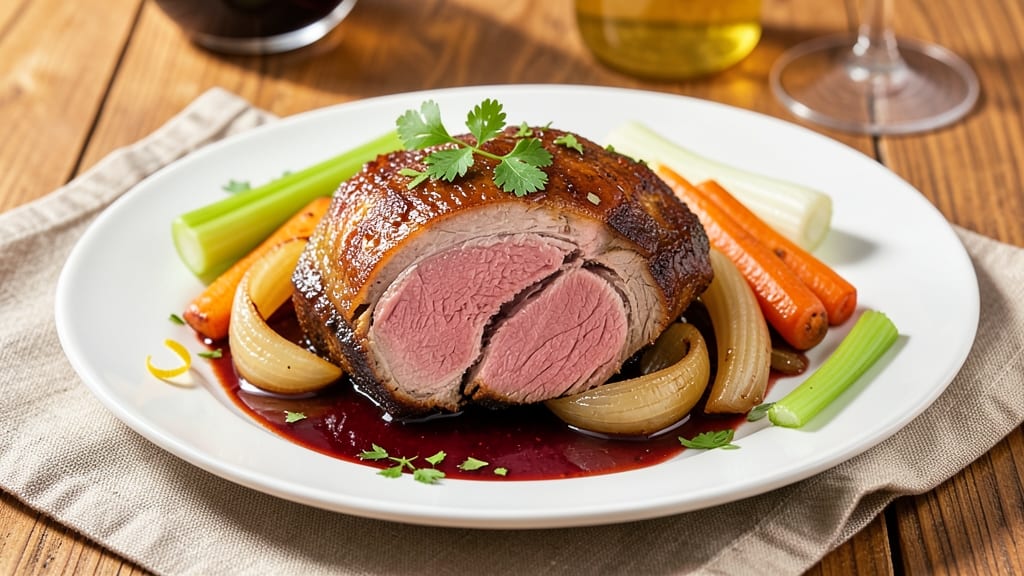
This braised pork shoulder steak transforms tough cuts into melt-in-your-mouth perfection through slow-simmered richness and caramelized fond. 🔥 As a pitmaster who's cooked thousands of pounds of pork, I know the secret lies in patience—letting the collagen break down over hours to create a sauce so flavorful it deserves its own bowl.
The result? Juicy, tender steak that practically falls apart at the touch, bathed in a glossy, aromatic sauce that clings to every bite.
What sets this recipe apart is the balance between traditional braising methods and modern efficiency. While I'll walk you through the classic slow-cooker approach that builds deep flavor, I'll also share how to adapt it for pressure cookers when time is tight.
The key ingredients—red wine, aromatics, and proper seasoning—work together to create that signature caramelized fond at the bottom of the pot, which becomes the star of the dish when deglazed into a velvety sauce.
The beauty of braised pork shoulder steak is its versatility—serve it sliced over creamy mashed potatoes, alongside roasted root vegetables, or even as tacos for a crowd-pleasing meal. Each bite delivers that perfect marriage of tender meat and rich sauce, making it ideal for family dinners or special occasions.
The technique is straightforward once you understand the science behind it, and I'll guide you through every step to ensure success.
Whether you're cooking for a holiday feast or just craving comfort food, this recipe delivers restaurant-quality results at home. The slow cooking process transforms inexpensive cuts into something extraordinary, proving that great flavor doesn't require expensive ingredients—just time and technique.
Let's get started on creating your most tender, flavorful pork shoulder steak yet.
Ingredients for braised pork shoulder steak
Here's everything you need to transform tough pork into melt-in-your-mouth perfection.
| Ingredient | Amount | Notes |
|---|---|---|
| Pork Shoulder Steak 🥩 | 3 lb | Bone-in, 1.5-inch thick cuts |
| Red Wine 🍷 | 1 ½ cups | Bold dry variety like Cabernet |
| Yellow Onion 🧅 | 2 whole | Chopped into 1-inch pieces |
| Garlic Cloves 🧄 | 6 cloves | Smashed but not minced |
| Carrots 🥕 | 4 whole | Cut into 2-inch chunks |
| Celery Stalks 🥬 | 4 whole | Cut into 1-inch pieces |
| Tomato Paste 🍅 | ½ cup | Squeeze tube or canned |
| Beef Broth 💧 | 2 cups | Low-sodium preferred |
| Olive Oil 🫒 | ¼ cup | Extra-virgin for richness |
| Fresh Thyme 🌿 | ¼ cup | Leaves only, stems removed |
| Fresh Rosemary 🌿 | ¼ cup | Chopped, not powdered |
| Salt 🧂 | 1 ½ tbsp | Kosher or sea salt |
| Black Peppercorns 🌶️ | 1 tbsp | Freshly cracked |
| Bay Leaves 🍃 | 2 whole | Dried, standard size |
The pork shoulder steak is where it all begins. Look for bone-in cuts—they add flavor and moisture. Costco or your local butcher shop usually have the best selection, but any grocery store will carry them. Thickness matters too: 1.5-inch cuts braise perfectly without drying out. If you can't find bone-in, bone-out works, but you'll lose some of that deep flavor. For the wine, Cabernet Sauvignon or Merlot are your best bets—they stand up to the pork without overpowering it. And don't worry if you don't have fresh thyme or rosemary; dried works at one-third the amount, though fresh has that extra punch.
No red wine? Beef broth with a splash of balsamic vinegar does the trick. The tomato paste can be skipped if you're short, but add an extra pinch of sugar to balance the acidity. For the aromatics, Trader Joe's sells pre-chopped onion, celery, and carrot mixes that save time. If you're using dried herbs, crush them between your palms first to release their oils. The bay leaves might seem small, but they're essential—they add that subtle earthy depth that makes the sauce sing. And if you're feeling fancy, toast the peppercorns in a dry pan for 30 seconds before adding them to the pot—trust me on this.
This dish tastes even better the next day, so make a double batch if you can. The sauce keeps for 5 days in the fridge, and the meat stays tender for 4 days if stored properly. For leftovers, I like to shred the meat and serve it on sandwiches or tacos—game-changer for lunches. Freeze portions for up to 3 months, but thaw slowly in the fridge overnight. And if you're prepping ahead, you can par-cook the meat and finish it later—just reheat it gently with a splash of broth to keep it moist.
Why You'll Love This Recipe
- One-Pan Magic: I swear by this for nights when I’d rather not scrub pots—just sear the pork, toss in chopped onions and carrots, then let the red wine and garlic work their magic in the same pan. The onions caramelize right along with the meat, and cleanup is just a wipe-down.
- Rich Without Effort: That deep, slow-braised flavor? It’s all in the wine and garlic—no fancy techniques, just letting the pork shoulder get tender while the aromatics build layers of taste. Honestly, the first bite makes you forget how little work it took.
- Leftover Goldmine: This dish only gets better the next day, and I mean actually better. Shred it for tacos, slice it for sandwiches, or reheat it straight from the pot—every time, it’s the star of the meal. (Yes, even on a Tuesday night.)
- Budget-Friendly Feast: Pork shoulder is my go-to for feeding a crowd without breaking the bank, and the veggies stretch it even further. A bottle of red wine? That’s the only splurge, and it makes the whole thing taste like a restaurant dish. Not the prettiest, but the taste makes up for it.
Step-by-step instructions for braised pork shoulder steak
Here's how to transform tough pork into melt-in-your-mouth perfection with a rich, caramelized fond.
🔥 Step 1: Sear the Pork Shoulder for Deep Flavor
Heat a large Dutch oven over medium-high heat until very hot. Add the 3 lb pork shoulder steak and sear on all sides until deeply browned, about 8-10 minutes. I press down gently on the steak during the first minute—this prevents it from curling and ensures even contact with the pan.
Remove the steak and set it aside. You'll notice the pan has developed a beautiful brown crust—this is the foundation of your braising liquid. Don't wipe it clean; those browned bits (fond) will dissolve into the sauce later, adding incredible depth of flavor.
👨🍳 Step 2: Build the Aromatic Base
In the same Dutch oven, add the 0.25 cup olive oil and let it heat until shimmering. Add the 2 whole yellow onion, 4 whole carrots, and 4 whole celery stalks, stirring to coat in the oil. Cook for 8-10 minutes until the vegetables begin to soften and the onions turn translucent.
Add the 6 cloves garlic cloves, 0.25 cup fresh thyme, 0.25 cup fresh rosemary, and 2 whole bay leaves. Stir for 30 seconds until fragrant—you'll smell that earthy, herbal aroma filling your kitchen. This aromatic base forms the flavor backbone of your braise.
🍳 Step 3: Deglaze and Simmer the Braise
Pour in the 1.5 cups red wine and scrape up all those browned bits from the bottom of the pan with a wooden spoon. This deglazing step captures all that concentrated flavor. Let the wine simmer for 3-4 minutes until reduced by half, then stir in the 0.5 cup tomato paste and 2 cups beef broth.
Return the pork shoulder to the pot, along with the 1.5 tbsp salt and 1 tbsp black peppercorns. The liquid should come about halfway up the sides of the pork. Bring to a gentle simmer, then reduce heat to low and cover partially. This is where the magic happens—slow cooking transforms tough meat into tender perfection.
⏰ Step 4: Braise Until Fork-Tender
Simmer the pork shoulder for 2.5-3 hours until the meat is fork-tender and easily pulls apart. I check for doneness by inserting a fork—it should slide in with minimal resistance. The braising liquid should have reduced to a thick, rich sauce that coats the back of a spoon.
Here's the thing—don't lift the lid during cooking. Every time you peek, you release steam and add 15-20 minutes to your cook time. Trust the process and let that pork work its magic in the gentle heat. The longer it cooks, the more flavorful and tender it becomes.
🥘 Step 5: Finish and Serve with Caramelized Fond
Once the pork is tender, transfer it to a cutting board and let it rest for 10 minutes while you finish the sauce. Increase the heat to medium-high and simmer the braising liquid uncovered for 5-7 minutes until it thickens and develops a beautiful caramelized fond on the bottom of the pan.
Slice the pork shoulder against the grain into ½-inch thick slices and serve with the rich, caramelized sauce spooned over the top. Each bite should deliver tender, flavorful pork with a sauce that's perfectly balanced between wine's acidity, herbs' earthiness, and the deep umami of the fond. Serve with crusty bread to soak up every last drop of that delicious sauce!
Pro Tips For Making Braised Pork Shoulder Steak
- SEAR THE PORK FIRST: I learned this the hard way—skipping the initial sear means flavorless braise. Get your pork shoulder steak screaming hot in a dry pan with oil until it’s deep brown on all sides. That crust locks in moisture and builds the foundation for the wine’s depth.
- SWEAT THE ONIONS LOW: High heat turns onions to mush, and mushy onions in braise? No thank you. Cook your sliced yellow onions over medium-low with a pinch of salt until they’re translucent but still hold shape—about 8-10 minutes. Patience here means better texture in every bite.
- DEGLAZE WITH WINE IMMEDIATELY: Let that seared pork sit for 30 seconds after removing it—then pour in the red wine right away. The residual heat helps lift all those browned bits from the pan, turning them into a rich, flavorful sauce. Scrape with a wooden spoon; don’t just pour and walk away.
- SIMMER CARROTS SEPARATELY: After browning the pork and onions, toss the carrots in a splash of water or broth and blanch them for 5 minutes. Then add them to the braise last—they’ll cook faster and stay crisp-tender instead of turning to mush. Your future self will thank you for not crowding the pot.
Troubleshooting your braised pork shoulder steak
Meat Too Tough
If your pork shoulder steak remains tough after braising, you likely didn't cook it long enough. The magic happens at 200-210°F internal temperature—use a meat thermometer to check. I've seen beginners pull pork at 165°F and wonder why it's chewy.
For 3 lb cuts, plan for 2.5-3 hours of braising time. My trick? Add 1 cup extra beef broth halfway through if the liquid reduces too much—this keeps the meat moist and helps tenderize it further. 💪
Sauce Too Thin
A watery sauce usually means you didn't reduce the braising liquid enough. After removing the pork, simmer the sauce uncovered over medium-high heat for 10-15 minutes, stirring occasionally. For extra thickness, I mash 1-2 cooked carrots directly into the sauce—they release starch that naturally thickens it.
If you're short on time, mix 1 tbsp cornstarch with 2 tbsp cold water, stir into the sauce, and simmer until it reaches your desired consistency.
Burnt Fond
That beautiful caramelized fond can quickly turn bitter if left unattended. Keep the heat at medium-low when finishing the sauce and stir frequently with a wooden spoon. I like to add 1 tbsp butter at the end—it coats the fond and adds richness while preventing burning.
If you do burn it, don't panic! Just scrape off the blackened bits and use the rest of the sauce as-is. The flavor will still be delicious, just slightly smokier.
Pork Too Dry
Dry pork often results from overcooking or insufficient braising liquid. To fix this, add ½ cup beef broth and cover the pot, then return to low heat for 30-45 minutes. For prevention, I recommend using bone-in cuts—the bones release collagen that keeps the meat moist.
If you're using a pressure cooker, follow the manufacturer's guidelines for high pressure for 45 minutes followed by a 10-minute natural release to avoid overcooking.
Weak Flavor
If your braised pork lacks depth, the issue is usually insufficient searing or deglazing. For next time, sear the pork until it develops a deep brown crust—this is where most of the flavor comes from.
When deglazing, use 1.5 cups dry red wine (not cooking wine) and scrape every last bit of fond from the pan. For an instant flavor boost, add 1 tsp fish sauce or ½ tsp smoked paprika to the braising liquid.
I also recommend using fresh herbs instead of dried—they add a brightness that dried versions can't match. 🌿
Liquid Overflows
This happens when the braising liquid reduces too quickly, especially with larger cuts. To prevent overflowing, use a Dutch oven with a 6-8 quart capacity—it provides enough space for the pork and liquid without crowding.
If you're concerned, place the Dutch oven on a sturdy baking sheet before putting it on the stove. For extra insurance, reduce the heat to lowest setting once the liquid starts simmering vigorously. If it does overflow, just add ½ cup more broth and continue cooking as planned.
Nutrition facts
Frequently asked questions about braised pork shoulder steak
Can I use pork shoulder instead of pork shoulder steak?
While this recipe calls for steak cuts (typically 1.5-inch thick slices), you can use a whole 3-4 lb pork shoulder roast instead. For a whole shoulder, increase the braising time to 3-4 hours and add 1 extra cup of liquid to prevent drying. The key is maintaining that 200-210°F internal temperature for perfect tenderness. Just slice against the grain after cooking for maximum juiciness.
How do I know when the pork is fully tender?
Use the fork test: Insert a fork into the thickest part of the meat—it should slide in with minimal resistance and the meat should pull apart easily. The internal temperature should read 200-210°F on a meat thermometer. For 3 lb cuts, this typically takes 2.5-3 hours of braising. Pro tip: The sauce should also thicken noticeably as the pork releases collagen into the liquid.
What's the best way to reheat leftovers?
For best results, reheat in the same Dutch oven you braised it in. Add ¼ cup beef broth to prevent drying, cover, and warm over low heat for 10-15 minutes until heated through. Never microwave—it makes the meat tough. If reheating slices, use a skillet with 1 tbsp butter over medium heat for 3-4 minutes per side. Leftovers keep well for 4 days in the fridge.
Can I make this in a slow cooker or Instant Pot? Yes! For a slow cooker, sear the pork first, then transfer to the pot with all ingredients (except tomato paste) and cook on low for 8 hours or high for 5 hours. For an Instant Pot, sear first, then cook on high pressure for 45 minutes followed by a 10-minute natural release. The pressure cooker version takes about 1 hour total. Just
What are the best side dishes to serve with this?
This rich, saucy pork pairs perfectly with creamy mashed potatoes (the sauce soaks right in), roasted root vegetables (carrots, parsnips, or sweet potatoes), or crusty bread for mopping up the sauce. For a Southern twist, serve with cornbread or collard greens. The acidity in the braising sauce also makes it a great match for bright green salads with lemon vinaigrette.