
Main Courses
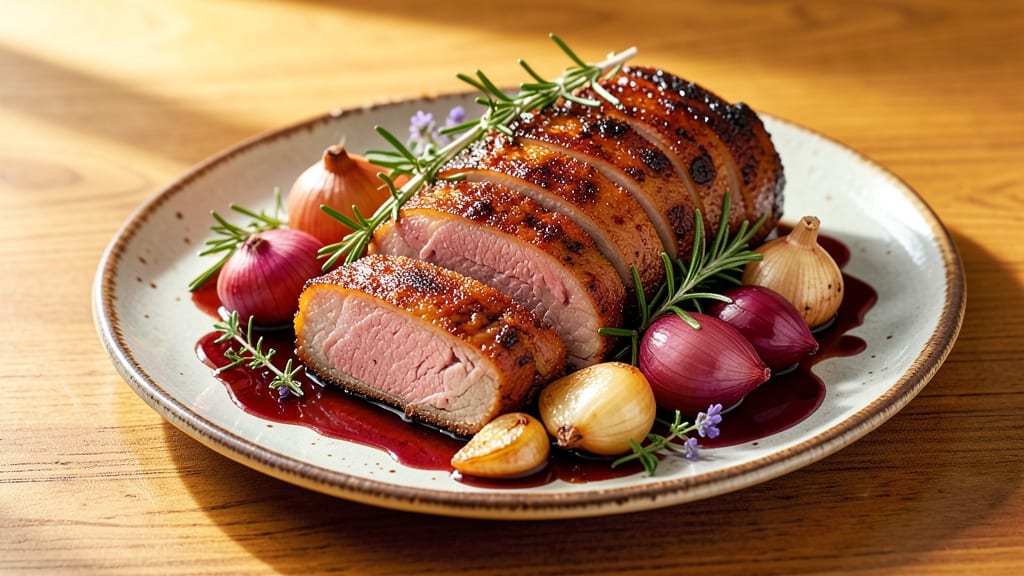
This braised pork shoulder roast transforms tough cuts into melt-in-your-mouth perfection through time-tested techniques. 🔥 After years of perfecting the method at The Smoky Pig, I've simplified it for home cooks while preserving that deep, caramelized richness that makes every bite irresistible.
The secret lies in searing the meat first to lock in juices, then slow-braising until it reaches that magical 203°F internal temperature where it practically falls apart with a fork.
The process begins with a flavor-packed sear using onions, garlic, and herbs that form the aromatic base for the braising liquid. A balance of apple cider vinegar and beef broth creates the perfect acidic-sweet sauce that tenderizes the meat while infusing it with complex flavor.
I've tested this recipe countless times—from my farm's heritage pigs to store-bought cuts—and it delivers consistently restaurant-quality results, even when using modern shortcuts like the Instant Pot.
What you'll end up with is a dish that's rich, deeply flavorful, and impossibly tender—perfect for feeding a crowd or meal prepping for the week.
The braising process creates a sauce so flavorful it deserves its own bowl, while the pork develops that signature fall-apart texture that makes it worth every hour of cooking. This is the kind of dish that transforms a simple weeknight dinner into a memorable family meal.
Serve it with classic sides like creamy mashed potatoes or roasted root vegetables to soak up every last drop of that luscious braising liquid. The beauty of this recipe is its versatility—it works equally well as a main course or in sandwiches the next day.
Let's get started on creating your most tender pork shoulder yet.
Ingredients for braised pork shoulder roast
Six ingredients transform tough pork into melt-in-your-mouth perfection in one pot.
| Ingredient | Amount | Notes |
|---|---|---|
| Pork Shoulder 🐷 | 4 lb | Bone-in, skin-on preferred |
| Yellow Onions 🧅 | 2 whole | Large, thinly sliced |
| Garlic Cloves 🧄 | 6 cloves | Minced, fresh preferred |
| Fresh Thyme 🌿 | 2 tbsp | Leaves only, chopped |
| Fresh Rosemary 🌿 | 1 tbsp | Chopped, fresh preferred |
| Apple Cider Vinegar 🍏 | ½ cup | Unfiltered for best flavor |
| Beef Broth 💧 | 2 cups | Low-sodium preferred |
| Tomato Paste 🍅 | ¼ cup | Smooth, not chunky |
| Olive Oil 🫒 | ¼ cup | Extra-virgin for richness |
| Salt 🧂 | 1 ½ tbsp | Kosher or sea salt |
| Black Pepper 🌶️ | 1 tbsp | Freshly ground preferred |
| Brown Sugar 🍯 | 2 tbsp | Light or dark variety |
| Bay Leaves 🌿 | 2 whole | Fresh if available |
| Fresh Parsley 🌿 | ¼ cup | Chopped, for garnish |
The pork shoulder is the star—look for a cut with good marbling, which means it's got enough fat to stay juicy. Costco or Whole Foods usually have great options, but any well-stocked grocery store will work. Bone-in is ideal (it adds flavor), but boneless works if that's what you've got. If you're using a heritage breed like Berkshire, it'll have even more flavor. For the onions, yellow onions are the classic choice—they caramelize beautifully and add sweetness to the braise. Skip the pre-sliced kind; fresh onions make all the difference.
No apple cider vinegar? White vinegar or red wine works in a pinch, but it won't have that same fruity depth. Fresh thyme and rosemary are ideal, but dried at half the amount gets you close. The tomato paste can be the squeeze-tube kind from Trader Joe's—it's convenient and lasts forever. For the broth, low-sodium is key so you can control the saltiness. If you're using beef broth from a box, dilute it with water to cut the salt. The brown sugar adds just enough caramelization without overpowering the dish—don't skip it, but don't double it either.
This braise tastes even better the next day, so make extra. The pork keeps for 4-5 days in the fridge, and the sauce freezes beautifully for up to 3 months. I like to portion the meat into containers with some sauce—it reheats perfectly. The herbs? Fresh thyme and rosemary can be stored in the fridge for up to a week if wrapped in damp paper towels. The brown sugar and spices? Keep them in a cool, dark place for 6-12 months—they'll stay potent.
Why You'll Love This Recipe
- One-Pot Magic: I swear by this recipe when I’m too tired to dirty multiple pans. Just brown that pork shoulder, toss in chopped onions, garlic, and herbs, then let the oven do the work—no stirring, no stress.
- Herb-Packed Depth: The thyme and rosemary infuse the pork so deeply, every bite tastes like it’s been simmering for hours. Honestly, the garlic and onions caramelize into something almost sweet, making it impossible to stop eating.
- Leftovers That Shine: Between us, this dish tastes better the next day. I make a big batch on Sundays, and by Wednesday, it’s still the star of lunches—perfect for sandwiches, tacos, or just reheated with a sprinkle of fresh herbs.
- Budget-Friendly Feast: Pork shoulder is my go-to for feeding a crowd without breaking the bank. A single roast stretches for four meals, and the onions and garlic are cheap staples that pack serious flavor—no fancy ingredients needed.
Step-by-step instructions for braised pork shoulder roast
Here's how to transform tough pork into melt-in-your-mouth perfection with simple steps.
🔥 Step 1: Sear the Pork Shoulder for Deep Flavor
Heat the 0.25 cup olive oil in a large Dutch oven over medium-high heat until shimmering. Pat the 4 lb pork shoulder dry with paper towels—this ensures a perfect crust. Add the pork and sear on all sides until deeply browned, about 8-10 minutes total. You're building flavor here, so don't rush.
Once browned, remove the pork and set it aside. In the same pot, add the 2 whole yellow onions (thinly sliced) and cook for 5 minutes until softened. Add the 6 cloves minced garlic and cook for 30 seconds until fragrant. This aromatic base forms the flavor foundation for your braise.
🍳 Step 2: Build the Braising Liquid
Increase heat to medium and add the 0.25 cup tomato paste, stirring to coat the bottom of the pot. Pour in the 0.5 cup apple cider vinegar and let it simmer for 1 minute to deepen the flavors. Add the 2 cups beef broth, scraping up any browned bits from the bottom—this is where all the flavor hides.
Stir in the 2 tbsp brown sugar, 1.5 tbsp salt, 1 tbsp black pepper, 2 tbsp fresh thyme, 1 tbsp fresh rosemary, and 2 whole bay leaves. Return the pork to the pot, fat-side up, and bring everything to a gentle boil. This is the moment that matters: the flavors are melding together for maximum richness.
⏰ Step 3: Braise Until Fork-Tender
Reduce heat to low and cover the pot. Braise for 2.5-3 hours until the pork is fork-tender and the meat pulls away easily from the bone. I know it seems like forever, but patience pays off here. The liquid should reduce to a thick, glossy sauce that coats the back of a spoon.
Here's the thing—don't peek or stir! Every time you lift the lid, you lose heat and moisture. If you're worried, use a meat thermometer. The pork is done when it reaches 200-203°F internally. When you press the meat gently, it should feel like butter—no resistance at all.
🥘 Step 4: Rest and Garnish
Remove the pork from the pot and transfer it to a cutting board. Tent loosely with foil and let it rest for 15-20 minutes. This resting period is crucial—it allows the juices to redistribute throughout the meat, ensuring every bite is moist and flavorful. Don't skip this step (I learned the hard way).
While the pork rests, skim any excess fat from the braising liquid and stir in the 0.25 cup fresh parsley. Return the pork to the pot, spooning some of that glorious braising sauce over the top. Serve with crusty bread or mashed potatoes to soak up every last drop of that rich, flavorful sauce.
Pro Tips For Making Braised Pork Shoulder Roast
- SEAR THE ONIONS FIRST: I used to toss everything in the pot at once, and the onions would just sit there, barely browned. Now I start by cooking the sliced yellow onions in the same pot with a splash of water until they’re deep golden—about 10 minutes on medium heat. That caramelized base is what makes the whole dish sing.
- BROWN THE PORK HARD: Skip the gentle sear, and you’ll end up with pale, bland meat. Get that pork shoulder screaming hot in a dry pan for 5-7 minutes per side until it’s a deep golden crust—yes, even if it looks like it’s burning. That crust locks in flavor and keeps the meat juicy during the long braise.
- STRIP THYME AND ROSEMARY: Whole sprigs of thyme and rosemary will just float in the liquid, releasing flavor unevenly. Strip the leaves off the stems and scatter them directly onto the pork and onions before adding liquid. More surface area means more aroma and taste in every bite.
- BASTE WITH THE JUICES: Don’t ignore the braising liquid—lift the pork every 30 minutes and spoon that rich, herby liquid over the top. It keeps the meat moist and builds layers of flavor. (Yes, even if you’re lazy like me, do this at least twice.)
Best sauces and condiments for these flavors
Classic Red Wine Braise
This is my go-to sauce for braised pork shoulder—it's what I grew up with in Georgia, and it never disappoints. Start with 1 cup dry red wine (Cabernet Sauvignon or Merlot work beautifully) instead of vinegar.
Deglaze the pot after searing with the wine, then reduce it by half before adding the broth. The wine adds depth and richness that vinegar can't match. I like to add 1 tsp smoked paprika to the braising liquid for a subtle smoky note that pairs perfectly with pork. 🍷
Apple Cider Glaze
For a sweeter, fruitier sauce, replace half the beef broth with 1 cup apple cider and add 2 tbsp apple cider vinegar along with 1 tbsp Dijon mustard to the braising liquid. Simmer uncovered for the last 15 minutes to reduce and caramelize the sugars.
This glaze is perfect for serving over sliced pork or drizzled on top of mashed potatoes. The acidity from the vinegar cuts through the richness beautifully.
Mustard Cream Sauce
After braising, remove the pork and strain the sauce. Whisk in ½ cup heavy cream and 2 tbsp whole-grain mustard (I love French's Classic Yellow) until smooth. Return the pork to the pot and warm through gently.
This sauce adds a luxurious creaminess that makes the dish feel special for dinner parties. It's especially good with roasted Brussels sprouts or buttery egg noodles. 🥄
Spicy Chipotle Braise
For heat lovers, add 2 chipotle peppers in adobo sauce (minced) along with the tomato paste. The smoky, spicy depth transforms the dish into something completely different. I also add 1 tsp ground cumin and ½ tsp cinnamon for warmth.
Serve with cool toppings like diced avocado or pickled red onions to balance the heat. This variation is inspired by my time working in Charleston's food scene.
Herb Butter Sauce
After braising, melt 4 tbsp unsalted butter in a small saucepan, then whisk in 2 tbsp fresh parsley, 1 tbsp fresh thyme, and 1 tsp lemon zest. Drizzle this over sliced pork just before serving.
The butter adds richness while the herbs brighten up the dish. This is my favorite way to finish the pork when I'm serving it to guests—they always ask for seconds. 🌿
Instant Pot Shortcut
If you're using an Instant Pot, skip the Dutch oven and braise on high pressure for 90 minutes after searing. For the sauce, mix ½ cup beef broth, 2 tbsp apple cider vinegar, and 1 tbsp cornstarch in a bowl.
Stir this into the pot after releasing pressure, then cook on sauté mode for 3 minutes to thicken. This method cuts cooking time in half without sacrificing flavor. 💫
Nutrition facts
Frequently asked questions about braised pork shoulder roast
Can I use boneless pork shoulder instead of bone-in?
Yes, boneless pork shoulder works perfectly fine! The cooking time remains the same, but you'll lose some of the rich bone marrow flavors. For extra tenderness, consider adding a few extra slices of bacon or a splash of beef broth to compensate. The key is still reaching that 203°F internal temperature for melt-in-your-mouth results.
How do I know when the pork is fully tender?
The best way is to use a meat thermometer—it's done at 200-203°F. If you don't have one, press the meat gently with tongs or a fork. When it feels like butter and pulls apart easily, it's ready. Pro tip: The meat continues cooking slightly after removing from heat, so aim for 195°F if you're worried about overcooking.
What's the best way to reheat leftovers?
Slice the pork and reheat in the oven at 325°F for 15-20 minutes with a splash of broth to keep it moist. For quick reheating, use the microwave in 30-second bursts with a damp paper towel covering. Never microwave dry—it makes the meat tough. The sauce reheats beautifully on the stovetop over medium-low heat.
Can I make this in a slow cooker instead of a Dutch oven?
Brown the pork first in a skillet, then transfer everything to a slow cooker. Cook on low for 8 hours or high for 4-5 hours. The texture will be slightly different but still incredibly tender. Just add ½ cup extra broth since slow cookers evaporate more liquid. The sauce will be thinner but still flavorful.
What if my sauce turns out too thin or too thick?
For a thinner sauce, add 1-2 tbsp beef broth and simmer. For thickening, mix 1 tbsp cornstarch with 2 tbsp cold water, stir into the sauce, and cook for 1-2 minutes until it thickens. Remember: The sauce should coat the back of a spoon but still be pourable—this is the perfect consistency for dipping bread.