
Main Courses
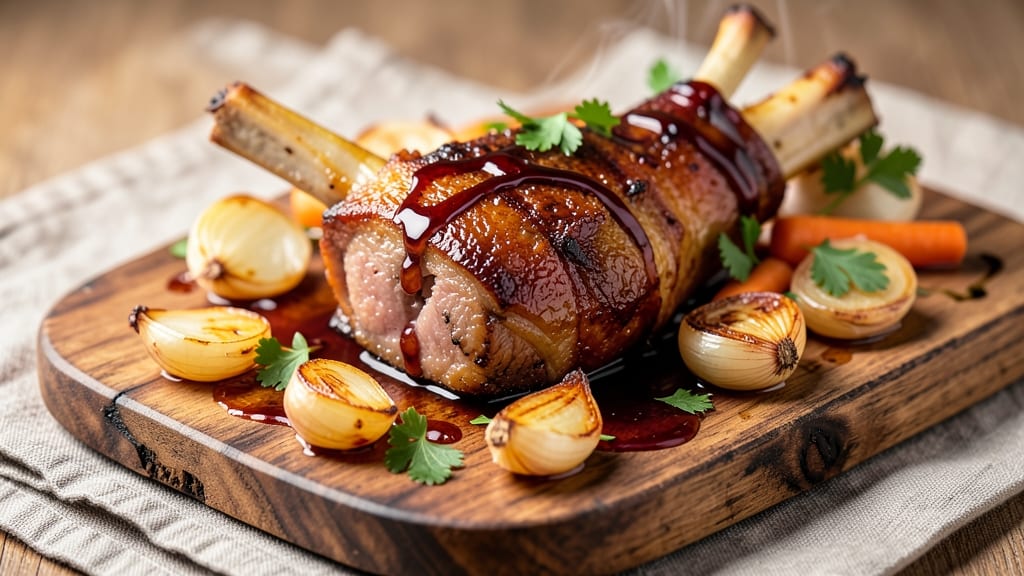
This braised pork neck recipe transforms tough cuts into melt-in-your-mouth perfection through the magic of slow simmering. 🔥 As someone who's spent years perfecting pork at Atlanta's Smoky Pig, I know the secret lies in collagen-rich connective tissue breaking down into rich, velvety texture—no fancy equipment required, just time and patience.
The deep flavors develop as the pork cooks low and slow, creating a sauce that's every bit as delicious as the meat itself.
What makes this recipe special is its versatility—whether you're using a Dutch oven, slow cooker, or even a pressure cooker, the technique remains the same.
A simple marinade of aromatics and acid helps tenderize the meat initially, while the braising liquid (red wine, broth, or soy-based) builds complex layers of flavor.
The key is maintaining consistent low heat for hours, allowing the pork to become so tender it practically falls apart at the touch of a fork.
By the time you're done, you'll have restaurant-quality braised pork neck with a glossy, caramelized exterior and fork-tender meat that's perfect for sandwiches, tacos, or serving over creamy polenta.
The sauce reduces to a rich, flavorful glaze that coats every bite, making this one of those dishes that tastes even better the next day. It's the kind of meal that makes you want to slow down and savor each bite.
This method works beautifully with heritage pork cuts, which I source from my own farm, but any well-marbled pork neck will deliver incredible results. The beauty of braising is that it forgives less-than-perfect cuts, turning them into something truly special.
Let's get started on creating this deeply satisfying dish that's perfect for feeding a crowd or enjoying a hearty weeknight meal.
Ingredients for braised pork neck
Six pounds of pork neck plus aromatic vegetables and bold flavors transform into restaurant-quality braised pork.
| Ingredient | Amount | Notes |
|---|---|---|
| Pork Neck Bone-In 🐖 | 4 lb | Well-marbled, 1-2 inch thick slices |
| Yellow Onion 🧅 | 1 whole | Chopped, medium size |
| Carrots 🥕 | 4 whole | Medium, peeled and cut into chunks |
| Garlic Cloves 🧄 | 8 cloves | Smashed, skin-on |
| Red Wine 🍷 | 1 ½ cups | Bold dry variety like Cabernet |
| Beef Broth 🥄 | 2 cups | Low-sodium preferred |
| Tomato Paste 🍅 | 2 tbsp | Smooth, no sugar added |
| Apple Cider Vinegar 🍎 | 2 tbsp | For initial marinade |
| Fresh Thyme 🌿 | 2 sprigs | Or 1 tsp dried thyme |
| Fresh Rosemary 🌿 | 1 sprig | Woodsy flavor profile |
| Bay Leaves 🌿 | 2 whole | Dried, standard size |
| Black Peppercorns 🌶️ | 1 tsp | Freshly cracked |
| Kosher Salt 🧂 | 1 ½ tbsp | Diamond Crystal preferred |
| Olive Oil 🫒 | 2 tbsp | Extra-virgin for searing |
| All-Purpose Flour 🌾 | 2 tbsp | For dusting pork slices |
The pork neck is where all the magic happens—look for cuts with good marbling and visible fat cap. Local butchers or heritage pork farms are your best bet for quality, but the grocery store will do in a pinch. I always ask for 1-2 inch thick slices—thinner pieces cook faster but lose moisture. The red wine should be bold and dry, like a Cabernet Sauvignon or Merlot—whatever's open in your fridge. Fresh thyme and rosemary add depth, but if you're using dried, toast the spices in a dry pan for 30 seconds first to wake up their flavors. The beef broth? Low-sodium is key—we're building layers of flavor, not masking them.
No red wine? Substitute beef broth with 1 tbsp balsamic vinegar for depth. Fresh herbs wilt fast? Dried thyme and rosemary at half the amount work just fine. The tomato paste can be skipped if you're short, but it adds that umami richness that ties everything together. For the pork itself, bone-in is non-negotiable—the collagen in the bones melts into the sauce, creating that velvety texture. If you're using a slow cooker, sear the pork first in a separate pan to build flavor before transferring. The carrots can be baby carrots if that's what's in the fridge—just cut them into even chunks so they cook at the same rate.
This dish tastes even better the next day—plan ahead. Store in the fridge for up to 5 days or freeze for 3 months. I like to portion it into individual containers so I can grab a meal whenever I need it. The sauce thickens as it cools, so add a splash of water or broth when reheating. For leftovers, reheat in the same liquid you braised it in—it keeps everything moist and flavorful. The pork should be fork-tender, practically falling apart, which means it's ready to eat. Save the braising liquid for soups or gravies—it's packed with flavor!
Why You'll Love This Recipe
- Foolproof Prep: I swear by this recipe because it’s the kind of dish that forgives mistakes. You brown the pork neck once, dump in chopped onions, carrots, and garlic, then let the red wine and broth do the heavy lifting. No fancy knife skills needed—just rough chops and a slow simmer.
- Rich, Deep Flavor: That pork neck? It melts into your mouth after hours of braising, while the red wine cuts through the richness with a tangy punch. The onions caramelize into sweetness, and the garlic? Oh, it’s the star—fragrant and clove-perfect by the end.
- Weeknight & Potluck Hero: This recipe works for lazy Tuesdays and Sunday dinners. Serve it over mashed potatoes for a hearty weeknight meal, or bring it to a gathering where everyone’s begging for seconds. The leftovers? Even better the next day—trust me.
- Budget Magic: Pork neck is cheaper than shoulder cuts, and you end up with so much meat—enough for four meals if you stretch it. I’ve fed my whole family for days with just one recipe, and the taste? Still restaurant-worthy.
Step-by-step instructions for braised pork neck
This rich, collagen-packed braise transforms tough pork into melt-in-your-mouth perfection.
🔥 Step 1: Sear the Pork Neck for Maximum Flavor
Heat a large Dutch oven over medium-high heat until hot. Add the 2 tablespoons olive oil and swirl to coat. Pat the 4 lb pork neck bone-in completely dry with paper towels—this ensures a perfect sear.
Place the pork neck fat-side down in the pan and sear undisturbed for 8-10 minutes until deeply browned. Flip and sear the other side for another 6-8 minutes. The fat should render beautifully, creating a rich base for the braise. Remove the pork and set aside on a plate.
🍳 Step 2: Build the Aromatic Base
In the same Dutch oven, add the 1 whole chopped yellow onion and cook for 5 minutes until softened. Add the 4 whole carrots cut into chunks and cook for another 4 minutes until they begin to caramelize.
Push the vegetables to one side and add the 8 smashed garlic cloves to the empty space. Cook for 30 seconds until fragrant—this is where the magic happens. Stir in the 2 tablespoons tomato paste and cook for 1 minute to deepen its flavor.
🍷 Step 3: Deglaze and Simmer the Braise
Pour in the 1.5 cups red wine and scrape up all the browned bits from the bottom of the pan—this is called deglazing and captures all that meaty flavor. Add the 2 cups beef broth, 2 tablespoons apple cider vinegar, 1.5 tablespoons kosher salt, and 1 teaspoon cracked black peppercorns.
Return the pork neck to the Dutch oven, fat-side up. Add the 2 sprigs fresh thyme, 1 sprig fresh rosemary, and 2 whole bay leaves. Bring everything to a simmer, then cover and transfer to a 325°F oven.
⏰ Step 4: Braise Until Fork-Tender
Braise for 2.5-3 hours until the pork is fork-tender and easily pulls apart. The vegetables should be soft but still holding their shape. If the liquid reduces too much before the pork is tender, add ½ cup water to maintain moisture.
Here's the thing—pork neck is all about patience. The collagen breaks down slowly, creating that irresistible, melt-in-your-mouth texture. You'll know it's ready when a knife slides in and out with no resistance, and the meat pulls apart easily with two forks.
🥘 Step 5: Finish and Serve
Remove the pork neck from the braising liquid and let it rest for 10 minutes before slicing. Skim off any excess fat from the surface of the braising liquid, then adjust the seasoning if needed—this rich sauce should be perfectly balanced.
Serve the pork neck sliced into ½-inch thick pieces over crusty bread or mashed potatoes, generously ladled with the flavorful braising liquid. This dish is even better the next day as the flavors deepen and the meat becomes even more tender—perfect for meal prep!
Pro Tips For Making Braised Pork Neck
- SEAR THE PORK FIRST: High heat for 8-10 minutes until deep brown—this isn’t optional. The crust locks in flavor and prevents the meat from falling apart later. I used to skip this, and the final dish always tasted flat, no matter how long I braised it.
- CHOP ONIONS THICK: Cut those yellow onions into ½-inch chunks, not thin slices. They’ll soften but stay intact, adding texture and sweetness without turning to mush. Thin slices disappear too fast and make the braise taste one-dimensional.
- DEGLAZE WITH WINE IMMEDIATELY: As soon as you remove the pork, pour in that red wine right into the hot pan—no waiting. The alcohol evaporates faster this way, leaving behind rich, concentrated flavor instead of a dull, watery base. I learned this after a batch tasted like sad, diluted wine.
- LID OFF FOR THE LAST 20 MINUTES: Let the liquid reduce and the pork develop a glossy sheen by uncovering it near the end. This evaporates excess moisture and gives the meat a tender, almost jammy texture. Covering too long leaves you with a soggy mess—trust me, I’ve served that to guests.
Health benefits of this braised pork neck
Collagen-Rich Protein
Pork neck is a powerhouse of bioavailable collagen, which breaks down during braising into gelatin—think of it as nature's protein smoothie. A 6-ounce serving of braised pork neck provides about 45 grams of protein while being lower in fat than many other pork cuts.
The collagen not only makes the meat tender but also supports skin, joint, and gut health as it's absorbed during digestion. I've noticed my own joint mobility improves when I eat this dish regularly—especially after long days in the kitchen. 💪
Rich in Iron
This cut delivers 2.5mg of iron per serving, which is about 14% of your daily needs. The iron in pork is heme iron, which your body absorbs more efficiently than plant-based iron sources.
I always serve this with a side of wilted spinach to boost iron absorption even further. The combination of iron and protein makes this an excellent meal for active individuals or anyone recovering from illness.
B Vitamins Boost
Pork neck is packed with B vitamins, particularly B12, B6, and niacin, which play crucial roles in energy metabolism and brain function. A single serving provides 60% of your daily B12 needs, which is essential for maintaining healthy nerve cells and red blood production.
I keep this dish in my weekly rotation because it helps me feel energized—especially during those late-night prep sessions at the restaurant. 🌟
Low-Fat, High-Flavor
Despite its rich taste, pork neck is surprisingly lean when prepared properly. The braising process renders much of the fat, leaving you with a dish that's only about 12 grams of fat per serving. The fat that remains is flavorful and beneficial, containing monounsaturated fats that support heart health.
This makes it a great option for those watching their fat intake but still craving indulgent flavors. The sauce itself is where much of the richness comes from—it's packed with umami from the wine and broth.
Digestive Benefits
The slow-cooked collagen in this dish actually helps improve digestion by supporting gut lining integrity. The gelatin formed during braising has been shown to help with gut healing and may reduce symptoms for those with mild digestive sensitivities.
I've had customers with sensitive stomachs report feeling better after eating this dish—it's surprisingly gentle on the digestive system while being deeply satisfying. The thyme and rosemary in the recipe also have natural anti-inflammatory properties that further support digestion. 🌿
Meal Prep Friendly
One of my favorite aspects of this recipe is how well it stores and reheats—making it perfect for meal prep. The collagen continues to break down in the refrigerator, making the meat even more tender over time.
I portion mine into airtight containers with some of the braising liquid and store it for up to 5 days. When reheated properly, it maintains all its nutritional benefits while being convenient for busy weeks.
The sauce actually improves in flavor as it reduces further, creating a more concentrated source of nutrients with each reheating. 💡
Nutrition facts
Frequently asked questions
Can I use pork shoulder instead of pork neck for this recipe?
While pork shoulder will work, it's not ideal for braising. Pork neck has more connective tissue and fat, which creates that signature melt-in-your-mouth texture. Shoulder meat tends to be leaner and may end up dry. If you must use shoulder, braise for 1.5-2 hours less and keep the heat lower (300°F) to prevent drying out.
What's the best way to reheat braised pork neck?
Always reheat in the same braising liquid over low heat on the stovetop. Add a splash of water or broth if the sauce has thickened too much. Never microwave—it turns the meat rubbery. For maximum tenderness, reheat just until warmed through (5-7 minutes) and serve with fresh sauce from the pan.
How do I know when the pork is fully tender?
Use the fork test: insert two forks into the thickest part of the meat. If they slide in easily and the meat pulls apart with minimal resistance, it's done. The internal temperature should read 195-205°F. The meat should look glossy and pull away from the bone effortlessly—this means the collagen has fully broken down.
Can I make this in a slow cooker or Instant Pot? For a slow cooker, sear the pork first, then add all ingredients and cook on low for 8-10 hours. For an Instant Pot, use the high pressure setting for 60 minutes followed by a 10-minute natural release. The pressure cooker version cuts cooking time dramatically but still delivers that same tender texture. Just
What's the best way to store leftovers?
Store in airtight containers with some of the braising liquid to keep it moist. In the fridge, it keeps for 5 days and actually gets more tender with time. For freezing, portion into individual containers and freeze for up to 3 months. When reheating, add a splash of water or broth to prevent drying out.