
Main Courses
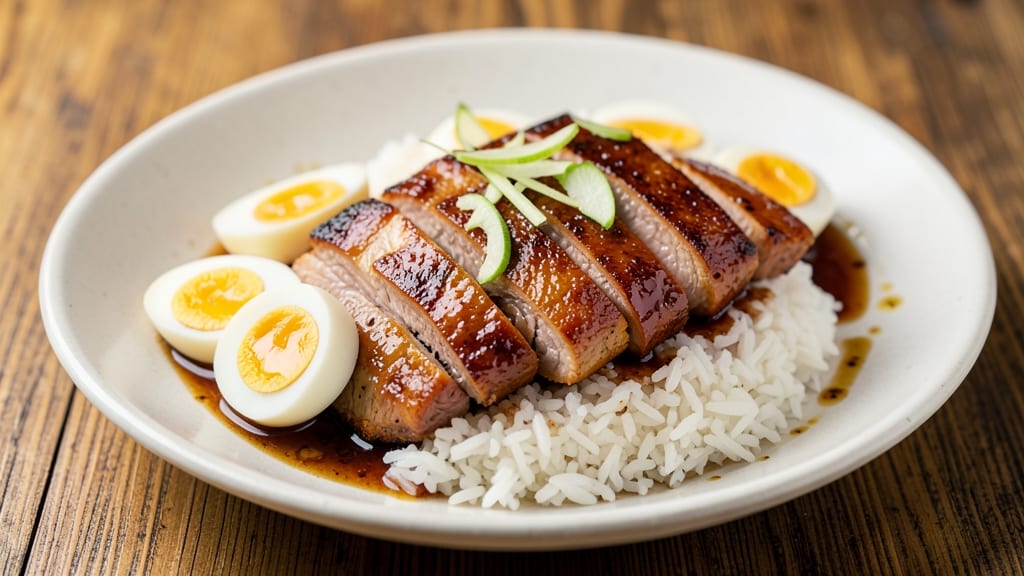
This braised pork and eggs recipe transforms humble ingredients into a luxurious dish that balances rich, savory pork with silky eggs—perfect for a hearty weeknight dinner. The secret lies in slow-braising pork until tender, then poaching eggs directly in the fragrant gravy for maximum flavor infusion.
I first discovered this technique while studying Chinese comfort food, and it quickly became a staple in my restaurant menu for its ability to satisfy even the most discerning diners.
The process begins with marinating pork belly or shoulder to develop deep flavor, followed by a high-heat sear to lock in juices. Then comes the slow cook, where the meat becomes fork-tender in a rich, aromatic broth.
The eggs are poached in this same liquid, absorbing the pork's savory essence while maintaining their delicate texture. This method ensures every bite delivers both protein-packed richness and the velvety smoothness of perfectly cooked eggs.
What makes this dish truly special is its versatility—serve it over steamed rice for a complete meal or alongside crusty bread to soak up the luxurious gravy. The combination of textures and flavors creates a harmonious balance that's both comforting and sophisticated.
Whether you're feeding your family or hosting dinner guests, this recipe delivers restaurant-quality results with minimal effort.
The braising process also makes this dish incredibly forgiving—ideal for busy cooks. The flavors only deepen as the pork sits, so it reheats beautifully for leftovers. For an extra touch of elegance, garnish with fresh cilantro or scallions before serving.
This is comfort food at its finest, where every spoonful tells a story of patience and care.
Ingredients for braised pork and egg
Pork shoulder and eggs take center stage in this restaurant-quality dish.
| Ingredient | Amount | Notes |
|---|---|---|
| Pork Shoulder 🥩 | 2 lb | Bone-in for flavor, cut into 2-inch chunks |
| Large Eggs 🥚 | 4 whole | Fresh, room temperature preferred |
| White Rice 🍚 | 1 ½ cups | Uncooked, long-grain preferred |
| Soy Sauce 🍶 | ½ cup | Light or all-purpose variety |
| Shaoxing Wine 🍷 | ¼ cup | Substitute dry sherry if unavailable |
| Fresh Ginger 🧅 | 2 tbsp | Finely grated, peeled |
| Garlic Cloves 🧄 | 6 cloves | Minced, fresh preferred |
| Green Onions 🧅 | ½ cup | Sliced, white and green parts |
| Sesame Oil 🫒 | 1 tbsp | Toasted, for finishing |
| Vegetable Oil 🫒 | ¼ cup | High smoke point for searing |
| Water 💧 | 2 cups | For braising liquid |
| Salt 🧂 | 1 ½ tsp | Kosher or sea salt |
| Black Pepper 🌶️ | ½ tsp | Freshly ground |
| Sugar 🍚 | 1 tbsp | White granulated |
| Cornstarch 🌾 | 1 tbsp | For thickening gravy |
The pork shoulder is the heart of this recipe. Look for bone-in cuts at your butcher—they add depth of flavor that boneless can't match. Costco or Whole Foods usually carry excellent quality, but any well-marbled piece will work. Cut it into 2-inch chunks before cooking for even browning. Fresh ginger and garlic are non-negotiable here—Asian markets often have better quality than grocery stores, but the regular produce section works fine. Shaoxing wine gives authentic flavor, but dry sherry is a perfect substitute if you can't find it. The rice should be long-grain—jasmine works beautifully if you want to splurge.
No Shaoxing wine? Dry sherry or even a splash of red wine vinegar will work in a pinch. Fresh ginger too strong? Powdered ginger at half the amount mellows it out. The pork can be pre-cut by your butcher if you're short on time—just ask for 2-inch chunks. For the eggs, room temperature poaches more evenly, but cold eggs work too if you're in a hurry. The cornstarch is crucial for thickening the gravy—arrowroot powder works identically if you prefer. Green onions add freshness, but scallions or chives make great substitutes if that's what you have on hand.
This dish tastes even better the next day as flavors meld. Store leftovers in airtight containers for up to 4 days in the fridge. The pork stays tender, but the eggs may firm up slightly—just reheat gently in the gravy. For freezing, portion the pork and sauce separately—3 months maximum. The rice reheats beautifully on its own. Garnish with fresh cilantro or scallions before serving for that restaurant touch. Double the recipe if you're feeding a crowd—it's even more impressive when served family-style.
Why You'll Love This Recipe
- One-Pan Wonder: I swear by this for nights when I don’t want to dirty three pots—just brown the pork, crack in eggs, and let the soy and wine do their magic. The rice steams right alongside, so you’re basically making dinner while scrolling.
- Umami Bomb: That first bite? The pork shoulder gets tender and sticky from the braise, then the eggs add this rich, custardy finish—like a hug for your taste buds. Shaoxing wine and soy sauce turn this into something restaurant-quality without trying too hard.
- Lunchbox Hero: Between us, this is my go-to for packed lunches. The pork stays juicy for days, and the eggs? They reheat like a dream. Toss it over cold rice, and suddenly you’ve got a meal that tastes like you actually cooked it.
- Budget Stretch: Pork shoulder’s cheap, eggs are cheap, and a bottle of Shaoxing wine lasts forever when you use just a splash. Honestly, it’s the kind of dish that makes grocery day feel like a win—especially when leftovers taste just as good the third day.
Step-by-step instructions for braised pork and eggs
Here's how to create tender braised pork shoulder with silky eggs poached in rich, savory gravy.
Sear the Pork Shoulder for Deep Flavor
Heat the 0.25 cup vegetable oil in a large Dutch oven over medium-high heat until shimmering. Pat the 2 lb pork shoulder dry with paper towels and season generously with 1.5 tsp salt and 0.5 tsp black pepper. Working in batches if needed, sear the pork on all sides until deeply browned, about 8-10 minutes total. This step develops the Maillard reaction, creating complex flavors that will infuse the braising liquid.
Once browned, remove the pork and set it aside. You'll notice the oil will be rich with browned bits—this is flavor gold. Don't wipe out the pan; those bits will form the base for your braising liquid later. If the oil starts smoking excessively, reduce the heat slightly to maintain control.
Braise the Pork with Aromatics
In the same Dutch oven, add 2 tbsp fresh ginger and 6 cloves garlic cloves, stirring for 30 seconds until fragrant. Pour in 0.25 cup Shaoxing wine and scrape up all the browned bits from the bottom with a wooden spoon. Let the wine reduce by half, about 2-3 minutes, until slightly syrupy.
Add 0.5 cup soy sauce, 1 tbsp sugar, and 2 cups water. Return the pork to the pot, making sure it's mostly submerged. Bring to a simmer, then reduce heat to low, cover, and braise for 2 hours. You'll want the liquid to bubble gently but not boil vigorously—this ensures tender meat without toughening it. Check occasionally to ensure the pork stays submerged, adding a splash of water if needed.
Prepare the Eggs and Rice
While the pork braises, prepare the 1.5 cups white rice by rinsing it thoroughly under cold water until the water runs clear. Drain well and set aside. In a small bowl, lightly beat the 4 whole large eggs with a fork—just enough to blend the yolks and whites without creating bubbles. This gentle preparation helps the eggs poach evenly in the rich gravy later.
In a separate small bowl, mix 1 tbsp cornstarch with 2 tablespoons of cold water to create a slurry. This will help thicken the gravy at the end. Keep both the beaten eggs and cornstarch slurry at room temperature—cold ingredients can cause the eggs to curdle when added to the hot braising liquid.
Shred the Pork and Thicken the Gravy
After 2 hours, the pork should be fork-tender. Remove it from the braising liquid and shred it using two forks. Discard any large fat pieces, but save the meat. Strain the braising liquid through a fine-mesh sieve into a clean pot, pressing on the solids to extract maximum flavor. This step ensures a silky, smooth gravy without any gritty bits.
Return the shredded pork to the strained liquid and bring to a gentle simmer. Stir in the cornstarch slurry and cook for 2-3 minutes until the gravy thickens enough to coat the back of a spoon. Taste and adjust seasoning with additional soy sauce or salt if needed. The gravy should be rich, savory, and just thick enough to cling to the pork and eggs.
Poach the Eggs and Finish
Bring the thickened gravy to a gentle simmer, then carefully lower the beaten eggs into the pot using a small ladle or spoon. The eggs should poach gently in the hot liquid. Simmer for 3-4 minutes until the whites are just set but the yolks remain runny and silky. This is the moment that matters: the eggs should be tender and creamy, not scrambled or overcooked.
To serve, divide the 1.5 cups cooked white rice among four bowls. Top each portion with shredded pork, a generous spoonful of the egg-infused gravy, and a few slices of 0.5 cup green onions. Drizzle with 1 tbsp sesame oil just before serving to add a nutty aroma and depth of flavor. The combination of tender pork, silky eggs, and rich gravy creates a harmonious balance in every bite.
Pro Tips For Making Braised Pork And Egg
- Parboil Pork First: Toss the pork shoulder in boiling water for 3-4 minutes before braising—it tightens the collagen so it stays tender, not mushy. I learned this the hard way after serving rubbery pork to guests (who didn’t say a word, but I knew).
- Crack Eggs Cold: Use ice-cold eggs straight from the fridge—they’ll hold their shape better when poached in the braising liquid. Warm eggs? They’ll turn into scrambled messes in seconds. Trust me, this isn’t overthinking.
- Deglaze with Wine: Don’t just dump Shaoxing wine—let it sizzle for 30 seconds first to cook off the alcohol. That’s when the real flavor wakes up, not when you’re already adding soy sauce. (Yes, even if you’re impatient like me.)
- Simmer Slow and Low: Cover the pot and keep the heat at a bare simmer—no boiling, no rushing. I used to crank the heat, and the eggs would turn into sad, waterlogged blobs. Low and steady wins this race.
Make-ahead tips for this braised pork and egg
Braising Prep Ahead
Start the pork braising process 24 hours ahead—this is where the magic happens. I often braise mine overnight in my slow cooker on low, then finish in the oven for deeper flavor. The pork becomes incredibly tender, almost falling apart, and the aromatics infuse longer.
Store the braised pork in its braising liquid in a large airtight container in the refrigerator. The flavors will meld beautifully overnight, making assembly the next day effortless. 💫
Egg Prep Strategy
Beat your eggs 12 hours ahead and store them in the fridge in a small airtight container. The room temperature adjustment happens naturally when you bring them out—just let them sit for 30 minutes before poaching. For extra convenience, pre-mix the cornstarch slurry and store it separately.
This way, you only need to focus on reheating the pork and gravy when ready to serve. I've found this method keeps the eggs from curdling when added to hot liquids. ✨
Gravy Thickening Shortcut
Make the cornstarch slurry a day ahead and store it in the fridge. When you're ready to finish the dish, simply strain the braising liquid and thicken it with the pre-made slurry. This saves you from measuring ingredients last-minute.
For even more convenience, prepare the green onion garnish and sesame oil in small containers ahead of time. The key is keeping everything separate until the final assembly—this prevents the rice from getting soggy. 🔥
Complete Meal Assembly
Cook your rice 1 day ahead and store it in an airtight container at room temperature. Reheat it gently in a steamer basket over simmering water just before serving to maintain perfect texture.
When ready to assemble, simply reheat the pork and gravy together, poach the eggs, and plate everything family-style. This approach turns a multi-step process into a 10-minute assembly—ideal for busy weeknights or dinner parties. The dish tastes even better when served this way! 💪
Freezer-Friendly Components
This recipe freezes beautifully in components. Store the braised pork and gravy separately from the rice in freezer-safe bags for up to 3 months. When ready to serve, thaw overnight in the fridge, then reheat the pork and gravy together.
Cook fresh rice and poach fresh eggs for the best results. I often make double batches during holiday gatherings—it's perfect for meal prep and reheats like a dream. 🥶
Weeknight Time-Saver
For the ultimate shortcut, prepare everything except the eggs the day before. Store the braised pork, thickened gravy, and cooked rice separately in the fridge. On serving day, simply reheat everything together, then poach the eggs fresh.
This method cuts your active cooking time to just 15 minutes while maintaining restaurant-quality results. Trust me, your guests will never know it wasn't made from scratch! 💡
Nutrition facts
Frequently asked questions
Can I substitute pork shoulder with pork belly?
Pork belly adds even more richness and fat content, which creates a more decadent dish. For best results, cut it into 1-inch thick slices and braise for 3-4 hours instead of 2 to render the fat properly. The extra fat will make the gravy silkier, but you may need to skim some off before poaching the eggs.
What if I don't have Shaoxing wine?
No problem! Use dry sherry as a 1:1 substitute, or try red wine vinegar (reduce by half) for acidity. For a non-alcoholic option, substitute with extra soy sauce (add 1 tbsp) plus a splash of rice vinegar. The key is balancing sweetness and acidity—adjust to taste after braising.
How do I prevent the eggs from curdling in the gravy?
Keep the eggs and cornstarch slurry at room temperature before adding to hot liquid. Never use cold eggs directly from the fridge. Also, maintain a gentle simmer (180°F) rather than a rolling boil when poaching. If the gravy is too hot, reduce heat and let it cool slightly before adding eggs.
Can I make this dish in a slow cooker?
Yes! Brown the pork first in a skillet, then transfer to your slow cooker with all braising ingredients. Cook on low for 6-8 hours or high for 4-5 hours. For the eggs, remove the pork, strain the liquid, thicken with cornstarch, then poach eggs separately in a small saucepan with some of the reserved gravy.
What's the best way to reheat leftovers?
Reheat gently in a skillet with a splash of water or broth to prevent drying. For best texture, focus on the pork and gravy only—cook fresh rice and poach fresh eggs when serving. Store leftovers in airtight containers for up to 4 days, or freeze components separately for 3 months.