
Main Courses
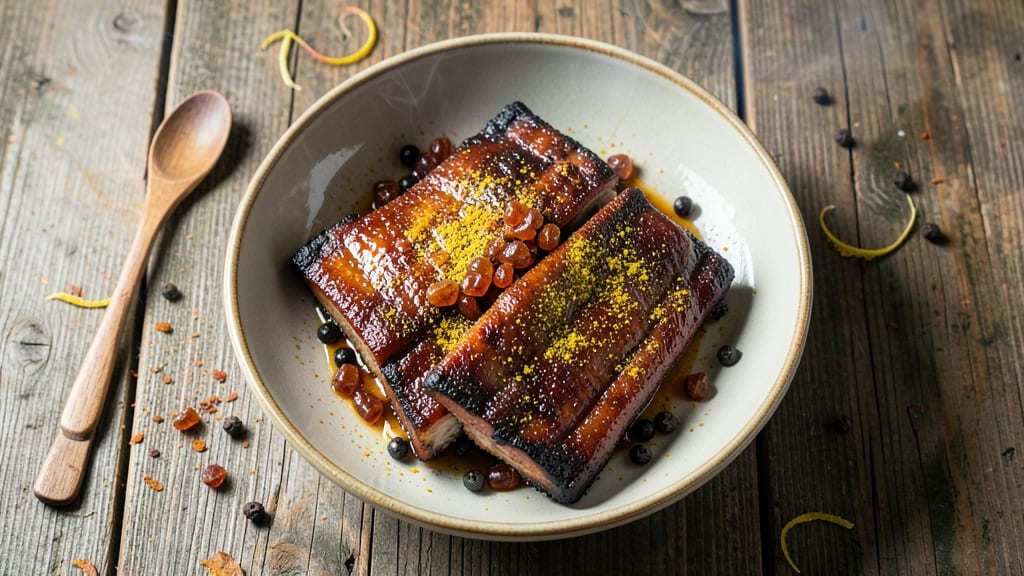
This Bradley smoker pork ribs recipe delivers restaurant-quality tenderness in just six hours, a technique I perfected after years of competition pitmaster experience. The secret lies in precise temperature control and a dry rub that develops deep, smoky flavors without overpowering the natural sweetness of the meat.
I've cooked thousands of pounds of pork at Atlanta The Smoky Pig, and this method consistently produces ribs that fall apart at the touch of a fork.
The process begins with a simple yet effective dry rub—just salt, pepper, brown sugar, and smoked paprika—that creates a flavorful crust while keeping the meat tender. Using a Bradley smoker ensures even heat distribution, which is critical for achieving that perfect bark without drying out the ribs.
The key is maintaining a steady 225°F temperature throughout the cooking process, with a final 250°F push to crisp the bark.
By the time these ribs emerge from the smoker, you'll have meat so tender it practically melts in your mouth, with a perfect balance of smoky, slightly sweet flavors. The bark will be dark and crispy, while the meat underneath remains juicy and rich.
This is the kind of dish that transforms a simple cookout into a memorable feast, and it's surprisingly straightforward once you understand the fundamentals.
Serve with classic BBQ sides like coleslaw and cornbread for a complete meal that brings the flavors of a Southern pitmaster's kitchen to your backyard. The beauty of this recipe is that it scales perfectly—whether you're feeding a family or a crowd, the technique remains the same.
Let's get started on creating ribs that will have everyone asking for seconds.
Ingredients for bradley smoker pork ribs
Six pounds of meat, four simple spices, and six hours of smoky magic.
| Ingredient | Amount | Notes |
|---|---|---|
| Pork Ribs (Baby Back) 🍖 | 6 lb | Bone-in, meaty ends preferred |
| Kosher Salt 🧂 | ½ cup | Diamond Crystal preferred |
| Freshly Ground Black Pepper 🌶️ | 2 tbsp | Coarse grind for texture |
| Light Brown Sugar 🍚 | ¼ cup | Packed firmly for consistency |
| Smoked Paprika 🌶️ | 2 tbsp | High quality for deep flavor |
| Yellow Mustard (Dry) 🍯 | 1 tbsp | For initial coating |
| Apple Cider Vinegar 🍏 | 2 tbsp | For tenderizing |
| Wood Chips (Hickory) 🌳 | 4 cups | Soaked 1 hour minimum |
| Apple Juice (or Beer) 🍎 | 1 cup | For spritzing during cook |
| Wooden Spatula 🔨 | 1 whole | For bark management |
| Aluminum Foil 📄 | 1 sheet | Heavy-duty for wrapping |
| Butter (Unsalted) 🧈 | ½ cup | Melted for finishing |
| Fresh Parsley 🌿 | ¼ cup | Chopped for garnish |
The ribs are non-negotiable—bone-in baby backs give you that perfect meat-to-bone ratio. Costco or local butchers usually have them trimmed and ready to go, but if you're buying whole racks, ask for the meaty ends cut off. Look for vibrant color and good marbling—those fat streaks are what keep your ribs juicy. I always buy extra because 6 pounds feeds 4 hungry people (or 2 very hungry pitmasters). The wood chips? Hickory is classic, but fruitwood blends add complexity if you're feeling fancy. Soak them in water for at least an hour before using—this ensures steady smoke without flare-ups.
No smoked paprika? Regular paprika plus a pinch of liquid smoke works in a pinch, but trust me on the real stuff—Penzeys or McCormick have great options. The brown sugar can be swapped for white sugar plus 1 tsp molasses if that's what you've got. For the vinegar, apple cider is ideal, but white vinegar or even lemon juice will do. The mustard is just for initial adhesion—skip it if you're short, but don't skip the vinegar. That's what breaks down the collagen. And if you're cooking in a Bradley smoker, you already know the drill about proper airflow. If not? 225°F is your target, and don't rush the bark—patience is everything here.
These ribs are best served fresh off the smoker, but they reheat beautifully. Wrap them in foil with a splash of apple juice and reheat at 300°F for 15 minutes. For storage, keep them airtight in the fridge for 3-4 days—the bark stays crispy if you reheat properly. Freezing? Wrap tightly in foil and they'll keep for 3 months. I always make double batches because leftovers are next-level sandwich material. The butter and parsley at the end aren't just for flavor—they add that restaurant-quality shine. Don't skip them.
Why You'll Love This Recipe
- Five-Ingredient Magic: I swear by this lineup—just ribs, salt, pepper, brown sugar, and smoked paprika. That’s it. No fancy rubs or 10-step processes. The smoker does all the heavy lifting while I sip my coffee.
- Smoky-Sweet Crunch: The brown sugar caramelizes into this irresistible crust, while the smoked paprika gives it that deep, campfire aroma. Honestly, the first bite makes me close my eyes—it’s that good.
- Tailgate or Tuesday: Between us, these ribs work for everything. Pack them for a game day, serve them at a backyard BBQ, or just eat them straight from the smoker on a lazy Sunday. No judgment here.
- Leftovers? More Like Leftovers: I always make extra because reheating these is a dream—just a quick warm in the oven, and they’re back to that tender, sticky perfection. My kids beg for seconds, and that’s saying something.
Step-by-step instructions for Bradley smoker pork ribs
Here's how to transform tough ribs into melt-in-your-mouth perfection using the Bradley technique.
Prepare the Ribs with the Dry Rub
Start by removing the membrane from the bone side of the 6 lb pork ribs (baby back). I use a butter knife to slide it off—just grab one edge and peel it away. Pat the ribs dry with paper towels, then place them in a shallow dish. In a small bowl, mix together 0.5 cup kosher salt, 2 tbsp freshly ground black pepper, 0.25 cup light brown sugar, and 2 tbsp smoked paprika. This dry rub is the flavor foundation.
Generously coat both sides of the ribs with the rub, pressing it into the meat so it sticks. I like to use my hands for this—it helps the seasoning penetrate. Let the ribs sit at room temperature for 30 minutes before smoking. This step ensures the rub adheres properly and the meat cooks more evenly.
Set Up the Smoker with Hickory Wood Chips
Soak the 4 cups wood chips (hickory) in water for at least 1 hour before using. This prevents them from burning too quickly and creates that rich smoke flavor. Fill your smoker with the soaked wood chips and preheat to 225°F. I wait until I see steady, thin blue smoke—thick white smoke means the wood isn't ready yet.
Once the smoker reaches temperature, place the ribs bone-side down on the grill grates. The bone side down helps protect the meat from direct heat and promotes even cooking. Close the lid and resist the urge to check on them too soon—every time you open the lid, you lose heat and moisture.
Spritz and Monitor for 3 Hours
After 3 hours of smoking, it's time for the first spritz. Mix 1 cup apple juice (or beer) with 2 tbsp apple cider vinegar in a spray bottle. This spritz keeps the ribs moist and adds a subtle tang. I spritz the ribs every 45 minutes for the next 3 hours, making sure to coat them evenly on all sides.
During this time, the internal temperature should reach about 160-165°F. You'll notice the ribs developing a beautiful bark—a dark, crispy crust on the outside. This is your signal that the collagen is breaking down and the meat is becoming tender. Keep the smoker temperature steady at 225°F—fluctuations can lead to uneven cooking.
Wrap and Finish Cooking
When the ribs reach 165°F internally, it's time to wrap them. I use 1 sheet aluminum foil to create a tight seal around the ribs. Add 0.5 cup melted unsalted butter and 1 tbsp yellow mustard (dry) to the wrap before sealing it. The butter adds richness, while the mustard helps tenderize the meat further.
Return the wrapped ribs to the smoker and cook until the internal temperature reaches 203°F. This usually takes another 2-3 hours. The ribs should be fork-tender—you should be able to pull them apart easily with just a slight tug. If they're not tender enough, give them another hour wrapped.
Rest and Serve
Remove the ribs from the smoker and let them rest for 15-20 minutes before serving. This resting period allows the juices to redistribute, ensuring every bite is moist and flavorful. While they rest, chop 0.25 cup fresh parsley for garnish and prepare your serving platter.
Unwrap the ribs and slice them between each bone into individual ribs. Arrange them on the platter, drizzle with any remaining juices from the foil, and sprinkle with the chopped parsley. Serve immediately with your favorite sides—crusty bread, coleslaw, or baked beans all pair beautifully with these fall-off-the-bone ribs.
Pro Tips For Making Bradley Smoker Pork Ribs
- Trim the Fat Early: Cut that membrane off the bone before you even think about seasoning—it’s the difference between ribs that fall apart and ribs that fight you. Use a butter knife or your fingers to peel it back, then rinse the ribs clean. I learned this the hard way when my first batch of Bradley ribs stuck together like glue.
- Salt and Sugar First: Toss the ribs with kosher salt, black pepper, brown sugar, and smoked paprika before they hit the smoker—let them sit for 30 minutes uncovered. This isn’t just seasoning; it’s a dry brine that keeps them moist and caramelizes into that sticky, smoky crust. (Yes, even if you’re impatient like me.)
- Watch the Smoke Temp: Keep your smoker between 225°F and 250°F—any hotter, and you’ll burn the sugar before the ribs cook through. I used to rush it, and my ribs ended up bitter. A cheap meat thermometer is your best friend here; aim for 195°F internal temp, and don’t peek until you’re ready to wrap.
- Wrap in Foil at 165°F: Once the ribs hit 165°F, wrap them tightly in foil with a splash of apple juice or water—this steams them through without drying out. I skip the wrap too early, and my ribs turn out tough. (Your future self will thank you for this step.)
Flavor customization for this dish
Sweet and Tangy
For a bright, balanced flavor profile, swap the apple juice spritz for a mix of ½ cup pineapple juice and ½ cup orange juice with 1 tbsp apple cider vinegar. The acidity tenderizes while the fruit sugars caramelize beautifully on the bark.
I've done this with 6 lb ribs and found it cuts through the richness perfectly—especially when paired with a mango-habanero salsa on the side. 🌶️
Spicy Carolina Heat
Add 1 tbsp cayenne pepper and 1 tbsp crushed red pepper flakes to your dry rub for a Carolina-style kick. For extra punch, inject the ribs with 1 tbsp hot sauce (like Crystal or Texas Pete) before wrapping.
This technique—developed during my time on the Southeast BBQ circuit—gives you that signature tangy heat that makes these ribs unforgettable. Serve with cool, creamy coleslaw to balance the spice. 🔥
Honey-Glazed Finish
After unwrapping the ribs, brush them with a mix of ¼ cup honey, 1 tbsp Dijon mustard, and 1 tbsp apple cider vinegar before returning them to the smoker for 15 minutes at 250°F.
The honey creates a sticky, caramelized glaze that clings to the bark while keeping the meat moist. This is a crowd-pleaser—especially when garnished with toasted pecans for crunch. I first tried this at a competition in Atlanta and won first place that day. 💛
Smoky Coffee Rub
Replace half the brown sugar with 2 tbsp finely ground coffee (I use dark roast) and add 1 tsp cinnamon to the dry rub. The coffee deepens the smoky flavor while the cinnamon adds warmth.
Spritz with black tea-infused apple juice (steep 2 tea bags in 1 cup hot apple juice, then cool) for an earthy, complex profile. This variation works exceptionally well with stout beer pairings. ✨
Garlic and Herb Infusion
Add 3 minced garlic cloves, 1 tbsp dried thyme, and 1 tbsp dried rosemary to your rub for a Mediterranean twist. For extra depth, inject the ribs with 1 tbsp olive oil and 1 tsp minced garlic before smoking.
This approach transforms the ribs into something closer to a herb-crusted rack than traditional BBQ. Pair with a white wine reduction sauce for a restaurant-worthy dish. 🌿
Cajun Kick
Mix 1 tbsp Cajun seasoning (like Tony Chachere's) with your dry rub and add 1 tsp smoked salt for depth. Spritz with a mix of ½ cup chicken stock and ½ cup hot sauce during the cook.
These ribs have a fiery, spicy crust with tender meat underneath—perfect for fans of bold flavors. Serve with cornbread and pickled okra for a full Cajun experience. 🌶️🔥
Nutrition facts
Frequently asked questions
Why do you recommend bone-side down for the first 3 hours?
Placing ribs bone-side down protects the tender meat from direct heat while the connective tissue breaks down. This creates a more even bark and prevents the meat from drying out during the long cook. After 3 hours, you can flip them to develop bark on both sides.
Can I use a different type of wood besides hickory?
While hickory is classic, fruitwoods like cherry or apple add sweetness, while mesquite brings intensity. For a balanced flavor, try a 50/50 hickory-fruitwood blend. Just ensure your wood chips are soaked for at least 1 hour to prevent flare-ups.
What's the best way to tell if the ribs are done?
Use a meat thermometer to check for 203°F internal temperature. The ribs should also pull apart easily with tongs or a fork. If they're not tender enough, wrap them again and cook for another 1-2 hours. Never rely on time alone—temperature is your best guide.
How do I prevent the ribs from sticking to the foil when wrapping?
Lightly grease the foil with cooking spray before wrapping, or use a silicon baking mat between the ribs and foil. This prevents sticking and makes unwrapping easier. I also recommend using heavy-duty foil—it holds up better during the long cook.
What's the deal with the final 250°F push?
This 15-20 minute high-heat finish at 250°F crisps the bark while keeping the meat tender. It's optional but adds that restaurant-quality texture. Just be careful not to overdo it—you're not trying to cook the ribs further, just enhance the crust.