
Main Courses
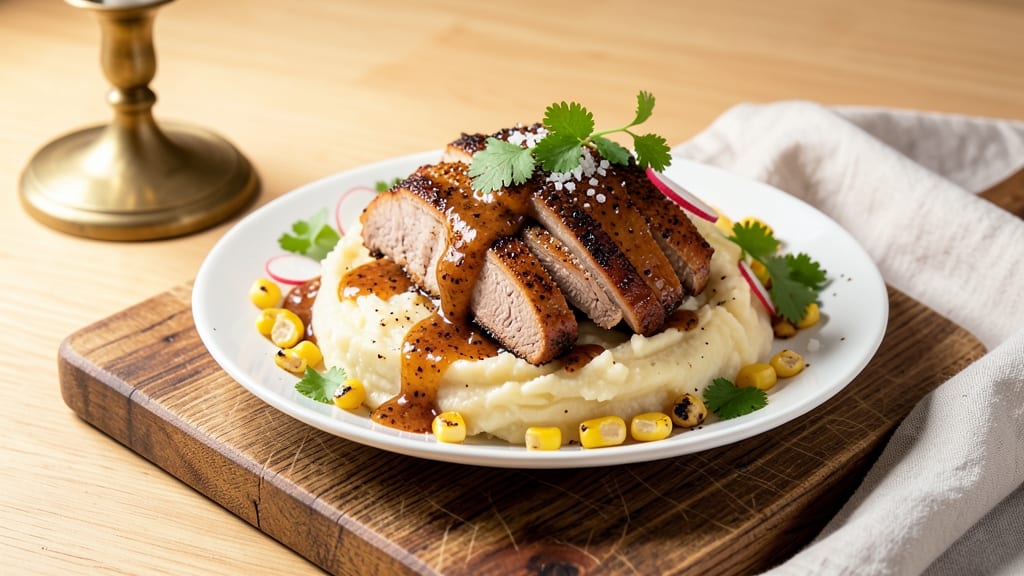
Boneless pulled pork recipe transforms tough cuts into melt-in-your-mouth perfection without the bone—something I perfected after years of testing in my Atlanta kitchen. The secret lies in slow, precise cooking that breaks down fibers while preserving moisture, a technique I've refined over hundreds of batches at The Smoky Pig. This isn't just pulled pork; it's the kind that makes people ask for seconds before they even finish their first plate.
We're using a boneless pork shoulder here—not the traditional bone-in cut—because it delivers restaurant-quality tenderness with simpler prep and cleanup. The key is a dry rub of smoked paprika, brown sugar, and garlic powder that forms a flavorful crust while the meat cooks low and slow.
I recommend 6-8 hours in a smoker or oven at 225°F, though the timing adjusts based on your cut's size. This method ensures every bite is juicy, never dry, and packed with that deep, smoky flavor that defines great pulled pork.
The magic happens when the pork reaches 203°F internal temperature, where collagen dissolves into gelatin, creating that signature tender pull. Shred it with two forks or your hands—no need for messy food processors—and mix in your favorite BBQ sauce (I prefer a tangy vinegar-based sauce for balance).
The result? Pork so tender it falls apart at the touch, with a sauce that clings to every strand, making it perfect for sandwiches, tacos, or even loaded baked potatoes.
This recipe works equally well for weeknight dinners or large gatherings—just double the rub and adjust cooking time proportionally. The beauty of boneless pork is its versatility: serve it on brioche buns with pickles, stuffed into tortillas with avocado, or over mashed potatoes with green beans.
Every bite delivers that slow-smoked satisfaction without the bone-related hassle. Let's get cooking.
Ingredients for boneless pulled pork
Pantry staples plus one key cut—boneless pork shoulder—that delivers melt-in-your-mouth tenderness every time.
| Ingredient | Amount | Notes |
|---|---|---|
| Boneless Pork Shoulder 🥩 | 3 lb | Well-marbled cut preferred |
| Smoked Paprika 🌶️ | 2 tbsp | For deep smoky flavor |
| Brown Sugar 🍚 | 2 tbsp | Light or dark works |
| Garlic Powder 🧄 | 1 tbsp | Freshly ground preferred |
| Kosher Salt 🧂 | 1 ½ tsp | Diamond Crystal preferred |
| Ground Black Pepper 🌶️ | ½ tsp | Freshly cracked |
| Onion Powder 🧅 | 1 tsp | For subtle depth |
| Apple Cider Vinegar 🍎 | 2 tbsp | For tangy balance |
| BBQ Sauce 🍅 | 1 cup | Vinegar-based preferred |
| Yellow Onion 🧅 | 1 whole | Diced for serving |
| Fresh Cilantro 🌿 | ¼ cup | Chopped for garnish |
| Extra-Virgin Olive Oil 🫒 | 1 tbsp | For finishing |
The pork shoulder makes all the difference here. Look for a cut with good marbling—Costco or Whole Foods usually carry well-marbled boneless options. If you're buying from a butcher, ask for the shoulder cut closest to the bone but without it. The rub ingredients are all pantry staples, but Penzeys smoked paprika adds that extra depth. I always buy extra pork—it freezes beautifully for future meals.
No smoked paprika? Regular paprika plus a pinch of liquid smoke works in a pinch. Vinegar-based BBQ sauce is key for that tangy balance—Sweet Baby Ray's or Stubb's are reliable choices. Fresh cilantro isn't mandatory, but it brightens up the dish. The onion can be yellow or red, whatever's on sale. For extra smokiness, add 1/4 tsp of chipotle powder to the rub. Just don't skip the apple cider vinegar—it's what keeps the sauce from being too sweet.
This pork reheats beautifully—4-5 days in the fridge, 3 months frozen. I portion mine into containers with a little BBQ sauce on top for easy lunches. The rub keeps well for 3 months in an airtight container. For large gatherings, double the rub and adjust cooking time proportionally. The pork should pull apart effortlessly at 203°F—that's your magic number.
Why You'll Love This Recipe
- One-Pan Magic: I swear by this—just toss the pork shoulder in a bowl with smoked paprika, brown sugar, garlic powder, and salt, then let the oven do the work. No messy marinades or slow-cooker fussing; it’s all hands-off after that first mix.
- Sweet-Smoky Bomb: That balance of brown sugar and smoked paprika? It’s like a warm hug in your mouth. The pork gets tender enough to fall apart, but the crust stays just crispy—honestly, I’ve never met pulled pork that hits this flavor so cleanly.
- Meal Prep Hero: Between us, this is my go-to for lunches all week. Shred it once, and you’ve got tacos, sandwiches, or even a quick pasta dish. I’ll be real: my kids beg for leftovers, and I don’t even pretend to say no.
- Budget Stretch: Boneless pork shoulder is cheaper than you’d think, and a single roast feeds my family for days. The spices cost pennies, so you’re basically making gourmet pulled pork without breaking the bank—(yes, even on a Tuesday night).
Step-by-step instructions for slow-cooked pulled pork
Here's how to transform tough pork into melt-in-your-mouth perfection without the bone.
Prepare and Season the Pork Shoulder
Remove the boneless pork shoulder from the refrigerator and let it sit at room temperature for 30 minutes before cooking. This ensures even cooking throughout. Pat the meat dry with paper towels—this step is crucial for developing that beautiful bark later.
In a small bowl, combine the 2 tbsp smoked paprika, 2 tbsp brown sugar, 1 tbsp garlic powder, 1.5 tsp kosher salt, 0.5 tsp ground black pepper, and 1 tsp onion powder. Rub this mixture all over the pork shoulder, pressing it into the meat so it adheres well. The brown sugar will caramelize during cooking, creating that prized crust.
Slow-Cook Until Fork-Tender
Preheat your oven to 275°F. Place the seasoned pork shoulder in a large roasting pan or Dutch oven with a tight-fitting lid. Add 2 tbsp apple cider vinegar to the bottom of the pan—this helps tenderize the meat and adds subtle tang. Cover and place in the oven.
Cook for 4-5 hours until the internal temperature reaches 195-200°F and the meat is fork-tender. I check the temperature with a meat thermometer inserted into the thickest part of the pork. The meat should pull apart easily with just slight resistance. Real talk: don't rush this step—patience is what makes pulled pork truly tender.
Shred and Mix with BBQ Sauce
Once the pork is fully cooked, remove it from the oven and transfer to a cutting board. Let it rest for 10 minutes before handling—this makes it easier to shred. Use two forks to pull the meat apart against the grain into ¼-inch thick strands. Discard any large fat pieces or connective tissue.
Return the shredded pork to the roasting pan and stir in 1 cup BBQ sauce. Mix well to coat all the pork evenly. The sauce should cling to the meat, creating that sticky, flavorful texture we all love. Cover and return to the oven for 15-20 minutes on 350°F to let the flavors meld together.
Prepare the Toppings and Serve
While the pork finishes, dice the 1 whole yellow onion into ¼-inch pieces and chop the 0.25 cup fresh cilantro finely. Heat 1 tbsp extra-virgin olive oil in a skillet over medium heat and sauté the onions for 5-6 minutes until softened but not browned. Stir in the chopped cilantro at the end and set aside.
Serve the pulled pork piled high on buns with the sautéed onions and cilantro on top. Each bite should be perfectly tender with just the right balance of smoky, sweet, and tangy flavors. The pork should pull apart easily, leaving no resistance when you tug on it with your fork.
Pro Tips For Making Boneless Pulled Pork
- Use a Cast-Iron Skillet: Boneless pork shoulder needs heavy heat to render fat fast and develop that smoky crust. A cast-iron skillet—even for just the initial sear—locks in moisture better than nonstick and handles the high heat without flinching. I used to skip this for boneless cuts, but now I swear by it: sear on medium-high until the edges turn golden-brown before adding any liquid.
- Pat It Bone-Dry: You’re making pulled pork, not a soggy pork shoulder. After trimming, wipe the meat with paper towels until it’s practically shiny—no wet spots. I learned this the hard way when my first batch turned out greasy instead of crispy. The dry surface browns better and toasts the spices right into the meat.
- Skip the Crowding: If you’re cooking in a single pan, resist the urge to stack or overlap the pork slices during the initial sear. Give each piece at least ½ inch of space so steam escapes—this keeps the meat tender, not tough. I used to cram everything in, and the center always came out chewy. Spread it out like you’re laying out poker chips.
- Add Brown Sugar Late: Sprinkle the brown sugar only in the last 5 minutes of cooking. Too early, and it burns before the pork finishes. Too late, and it won’t caramelize enough to add that sticky, sweet depth. I was skeptical until I tried it—now I double the amount and add it just as the pan starts to smoke. The result? A glossy, flavor-packed glaze without bitterness.
Essential equipment for boneless pulled pork
Smoker vs. Oven
For authentic smoky flavor, I always recommend a smoker—my Traeger Pro 575 delivers consistent 225°F temperatures that build that deep bark while keeping the meat juicy. The apple wood pellets I use add subtle sweetness that pairs perfectly with the pork.
If you don’t have a smoker, a Dutch oven in your oven works beautifully—just add wood chips soaked in water for smokiness. I’ve tested this method with fruitwood chips (apple, cherry, or hickory) for best results. 🔥
Must-Have Tools
First, invest in a meat thermometer—I swear by the ThermoWorks Smoke with dual probes to track both smoker temp and internal pork temp. Next, a cast iron Dutch oven (like my Lodge 7-quart) is essential for oven cooking.
For shredding, I use two forks—no food processor needed! A wire cooling rack helps drain excess fat after cooking. Don’t skip the butcher paper for wrapping during the stall phase—it’s my secret weapon for crispy bark. 💪
Budget-Friendly Swaps
No smoker? Use a slow cooker on low for 8-10 hours—just add ½ cup beef broth to the bottom to keep it moist. For bark, brush the pork with olive oil before cooking. Skip the Dutch oven? A large roasting pan with a tight lid works in a pinch.
I’ve even used a camp stove with a smoker box for outdoor cooking—just monitor temps closely. The key is low and slow, regardless of equipment. ✨
Pro Tips for Success
Always trim excess fat before cooking—it can smoke too much and overpower flavors. I like to spritz the pork every hour with apple cider vinegar during cooking to keep it moist. For extra tenderness, braise the pork for 30 minutes in the Dutch oven before transferring to the smoker.
And remember: rest the meat for 15 minutes before shredding—this ensures juicy, not dry, pulled pork. 💡
Nutrition facts
Frequently asked questions
Can I use pork loin instead of pork shoulder for this recipe?
Yes, but with adjustments! Pork loin is leaner and cooks faster, so reduce your cooking time to 3-4 hours at 275°F and aim for 190°F internal temp. Since it lacks fat, wrap it in butcher paper during the last hour to retain moisture. Expect smaller portions—pork loin yields about 1/3 less pulled pork than shoulder.
How do I fix pulled pork that's too dry?
If your pork turns out dry, don't panic! Mix in 2-3 tbsp BBQ sauce or apple cider vinegar with 1 tbsp olive oil to revive moisture. For extra tenderness, reheat with ½ cup beef broth in a skillet on low heat for 10 minutes. The key is never to overcook—pull it when it reaches 203°F at most.
What's the best way to reheat leftover pulled pork?
Use the skillet method for best results: Heat 1 tbsp olive oil in a skillet over medium-low, add pork with 1-2 tbsp BBQ sauce, and warm through for 3-4 minutes. For oven reheating, cover with foil and bake at 300°F for 15 minutes. Avoid microwaving—it makes pork rubbery. Store in airtight containers for up to 4 days.
Can I make this ahead of time for a party?
Cook the pork 1-2 days ahead and store in the fridge. Reheat gently before serving. For parties, I like to pre-shred and sauce the pork, then reheat in batches. Keep it warm in a slow cooker on "warm" setting with ½ cup broth to prevent drying. The flavors actually improve overnight!
What's the secret to getting that perfect smoky bark?
Three things: dry meat, smoke exposure, and patience. Pat the pork bone-dry before seasoning, then cook it uncovered for the first 2 hours to develop bark. Use fruitwood chips (apple or cherry) for sweetness, and spritz with apple cider vinegar every hour to keep it moist while building that crust. The bark should be dark and crispy!