
Main Courses
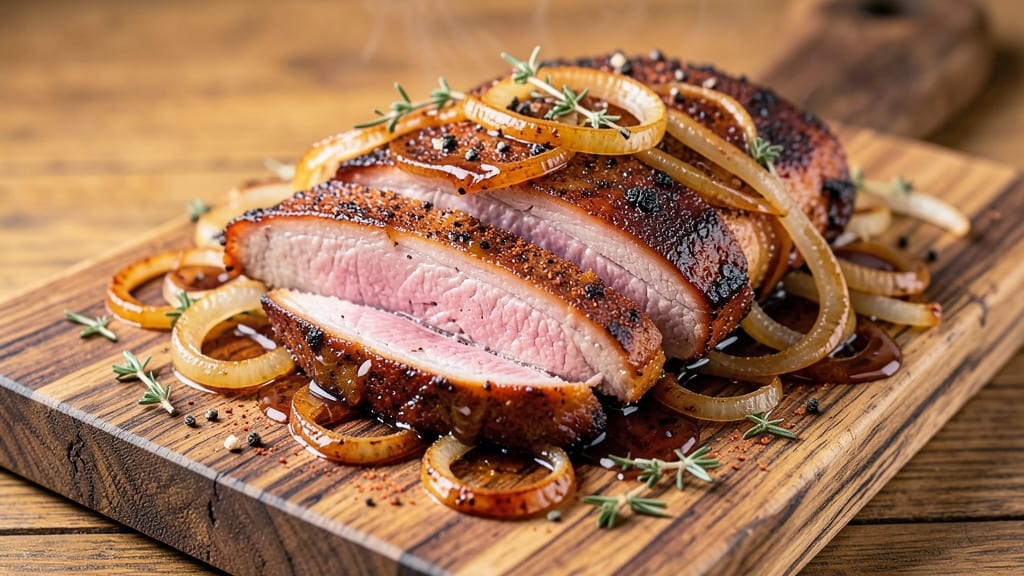
Boneless pork shoulder on the smoker transforms tough meat into melt-in-your-mouth perfection—no bones to fuss with, just pure, smoky flavor. After years of perfecting this cut at my Atlanta smokehouse, I’ve cracked the code for consistent, restaurant-quality results every time. The secret lies in temperature control and patience.
Smoking at a steady 225°F for 8-10 hours ensures tender meat without drying it out, while spritzing every 90 minutes keeps the bark crisp and flavorful. We’re targeting 195°F–203°F internal temp, where collagen breaks down into silky, buttery goodness.
This isn’t just pulled pork—it’s a showstopper that makes your smoker the star of the meal.
What you’ll end up with is meat so tender it practically falls apart at the touch, with a deep mahogany bark that crackles with every bite.
The aroma alone will have your neighbors asking for seconds. Serve it on buns with tangy coleslaw or alongside cornbread for the full Southern experience.
This method works whether you’re feeding a crowd or meal prepping for the week. The beauty of boneless pork shoulder is its versatility—use it for sandwiches, tacos, or even breakfast hash. Let’s get smoking!
Ingredients for boneless pork shoulder smoker
Six pounds of pork shoulder, a smoker, and patience—this is all you need for showstopping pulled pork.
| Ingredient | Amount | Notes |
|---|---|---|
| Boneless Pork Shoulder 🥩 | 6 lb | Trimmed of excess fat |
| Yellow Onion 🧅 | 1 whole | Quartered, for spritz |
| Apple Cider Vinegar 🍏 | ½ cup | For spritz liquid |
| Brown Sugar 🍚 | ¼ cup | Packed, for bark |
| Smoked Paprika 🌶️ | 2 tbsp | For deep smoky flavor |
| Ground Black Pepper 🌶️ | 1 ½ tsp | Freshly cracked |
| Garlic Powder 🧄 | 1 tbsp | For aromatic depth |
| Apple Juice 🍎 | ½ cup | For spritz moisture |
| Hickory Wood Chips 🌳 | 1 package | For authentic smoke flavor |
| Kosher Salt 🧂 | 2 tbsp | Diamond Crystal preferred |
| Mustard Powder 🌶️ | 1 tsp | For subtle tang |
| Cayenne Pepper 🔥 | ½ tsp | Adjust for heat |
| Butter 🧈 | ¼ cup | For finishing rub |
| Fresh Rosemary 🌿 | ¼ cup | Chopped, optional garnish |
The pork shoulder is the star, so pick a well-marbled cut—visible fat means juicier meat. Costco or local butchers often have the best quality, but any grocery store with a meat counter will work. Trim excess fat to about 1/4-inch thickness—this helps with bark formation. For the wood chips, hickory is classic, but fruitwoods like apple or cherry add sweetness. If you're short on time, pre-soaked wood chips from Traeger or Weber make setup easier. The key is consistency: keep your smoker at 225°F—any hotter and you risk drying out the meat.
No apple cider vinegar? White vinegar or lemon juice works in a pinch, though the flavor will be sharper. Short on brown sugar? White sugar or even molasses can stand in, but the bark won't be as rich. For the rub, Penzeys spices are my go-to, but grocery store brands are fine if they're fresh. The cayenne is optional—skip it if you're serving kids or heat-sensitive guests. If you're meal prepping, double the batch and freeze half—it reheats beautifully. For the spritz, mix equal parts apple juice and vinegar in a spray bottle; keep it chilled in the fridge until ready to use.
This meat is best served immediately after smoking, but it reheats like a dream. Wrap tightly in foil and refrigerate for up to 5 days, or freeze for 3 months—the flavor actually improves with time. For serving, shred with two forks or pull it apart by hand. Store leftovers in airtight containers with a little extra spritz liquid to keep them moist. Pro tip: Save the fat from the pork—it's liquid gold for cooking rice or roasting potatoes later. The bark? That's the prize—save a few pieces to show off to your friends.
Why You'll Love This Recipe
- No-Cut Struggle: I swear by boneless pork shoulder—no butchering, no fuss. Just season, smoke, and let the smoker do the work while I sip my coffee.
- Sweet-Smoky Magic: That apple cider vinegar and brown sugar combo? It caramelizes into a glossy, tangy crust that’ll make you lick the plate. (Yes, I’ve done it.)
- Game for Any Gathering: Feed a crowd for less than $10/lb, or pack leftovers for lunches—it stays juicy for days. My book club’s new favorite, honestly.
- Budget Smoker Gold: Pork shoulder stretches farther than chicken, and the smoky paprika adds depth without breaking the bank. Three meals out of one cut, every time.
Step-by-step instructions for smoked boneless pork shoulder
Here's how to transform a simple boneless pork shoulder into tender, smoky perfection.
Prepare the Pork Shoulder for Smoking
Start by trimming any remaining fat from the 6 lb boneless pork shoulder, leaving about ¼ inch of fat cap for flavor and moisture retention. Pat the meat completely dry with paper towels—this step is critical for developing that prized smoky bark. Place the shoulder in your refrigerator uncovered for 1 hour to dry the surface further.
While the meat chills, prepare your spritz mixture by combining the 0.5 cup apple cider vinegar, 0.5 cup apple juice, and 1 tbsp garlic powder in a bowl. This blend will keep the meat moist during the long cook and enhance flavor. Store it in the refrigerator until ready to use.
Create the Dry Rub and Apply to the Meat
In a small bowl, mix together the 2 tbsp kosher salt, 2 tbsp smoked paprika, 1.5 tsp ground black pepper, 1 tsp mustard powder, 0.5 tsp cayenne pepper, and 0.25 cup brown sugar. This rub delivers a perfect balance of smoky, sweet, and slightly spicy flavors. Press the rub firmly into every inch of the pork shoulder, including all sides and the fat cap. Let it sit at room temperature for 30 minutes before smoking.
Here's the thing—don't skip pressing the rub in well. If it just sits on top, you'll lose flavor during the cook. The sugar in the rub will caramelize beautifully during smoking, creating that coveted bark.
Set Up the Smoker for Low-and-Slow Cooking
Soak the 1 package hickory wood chips in water for 30 minutes before using. Preheat your smoker to 225°F using these soaked wood chips. You want to see thin, blue smoke—this indicates proper combustion without excessive heat. Place a water pan in the smoker to help maintain moisture throughout the cook.
When the smoker reaches temperature, place the rubbed pork shoulder fat-side up on the grill grates. The fat will render slowly and baste the meat as it cooks. Close the lid and resist the urge to peek—every time you open it, you add 15-20 minutes to your cook time.
Smoke Until Probe-Tender with Regular Spritzing
Smoke the pork shoulder for 6-8 hours, spritzing it every 90 minutes with your prepared apple cider vinegar mixture. This keeps the meat moist and helps develop that beautiful bark. You'll know it's ready when the internal temperature reaches 195-203°F and a meat probe slides in like butter with no resistance.
Here's where patience pays off. The meat will hit "the stall" around 165°F—this is normal. Don't panic; just keep smoking. The internal temperature will eventually rise again as the meat continues to break down.
Rest and Slice for Maximum Juiciness
Once probe-tender, transfer the pork shoulder to a cutting board and tent loosely with foil. Let it rest for at least 1 hour (I prefer 2 hours) before slicing. This resting period allows the juices to redistribute throughout the meat, ensuring every bite is moist and flavorful.
To serve, slice the pork shoulder against the grain into ¼-inch thick slices. The meat should be fork-tender with a beautiful mahogany bark on the outside. For extra richness, brush the slices with melted 0.25 cup butter and garnish with 0.25 cup chopped fresh rosemary before serving. Each slice should pull apart easily with a gentle tug, delivering that perfect balance of smoky, sweet, and savory flavors.
Pro Tips For Making Boneless Pork Shoulder Smoker
- USE A MEAT THERMOMETER: Boneless pork shoulder hits its sweet spot at 203°F—any lower and it’ll be tough, any higher and you’re risking dryness. I learned this the hard way by eyeballing it once and serving up rubbery slices that looked perfect on the outside. Trust the probe, not the guesswork.
- SWEAT THE ONIONS FIRST: Chop your yellow onions into ¼-inch slices and cook them in a dry pan for 8–10 minutes before adding them to the smoker. This caramelizes their natural sugars, giving your rub a deeper, richer base. Skipping this step means your flavor profile will taste more like seasoning than a cohesive sauce.
- WRAP IT AT 165°F: Once your pork shoulder hits 165°F internally, wrap it tightly in butcher paper or foil with a splash of apple cider vinegar. This traps steam and coaxes out juices without overcooking—my grandmother’s trick for pull-apart tenderness. Resist the urge to wrap early; you’ll end up with a soggy crust instead of a crispy bark.
- BROWN SUGAR NEEDS TIME: Don’t just sprinkle brown sugar on top of the rub and call it a day. Mix it into the dry ingredients and let the pork sit uncovered on a rack for 30 minutes before smoking. This lets the sugar bloom and form a sticky, caramelized crust that clings to the meat instead of turning to ash. I used to skip this, and my bark always looked sad.
Pro cooking tips for perfect results
Temperature Control
Your smoker’s temperature is the single most critical factor—225°F is non-negotiable for this cut. I use a Meater thermometer with dual probes: one in the smoker, one in the meat. Any fluctuation above 250°F risks drying out the boneless pork shoulder, while below 220°F prolongs cook time unnecessarily.
Remember, the Maillard reaction (what creates that bark) happens best between 250-300°F, but we’re keeping it low for tenderness. 🌡️
Spritzing Strategy
Every 90 minutes, spritz your pork shoulder with the apple cider vinegar mixture—this isn’t optional. The acidity tenderizes the meat while the moisture prevents a dry bark. I use a spray bottle with a fine mist nozzle to avoid soaking the rub.
For extra flavor, I add 1 tsp Worcestershire sauce to each quart of spritz liquid during the last 3 hours of cooking. This keeps the meat juicy and adds depth.
Bark Development
That mahogany bark isn’t just for looks—it’s packed with concentrated flavor. The brown sugar in your rub caramelizes during smoking, creating a crust that’s both crisp and tender. For an even darker bark, sprinkle an extra 1 tbsp brown sugar on the meat after the first 4 hours.
Just don’t overdo it—too much sugar can burn. I like to add a pinch of cinnamon to the final sugar sprinkle for a subtle warmth. 🍚
The Stall Mastery
Around 165°F internal temperature, your pork shoulder will hit “the stall”—a plateau where evaporation cools the meat, slowing cooking. This is where patience pays off. Keep smoking at 225°F and resist the urge to crank up the heat.
The stall typically lasts 1-2 hours, but it’s critical for even cooking. I’ve seen home cooks add ice cubes to the smoker to lower temps temporarily, but I prefer to let nature take its course. 💡
Resting Rules
Never, ever skip resting your pork shoulder. After hitting 203°F, transfer it to a cutting board and tent loosely with foil. Let it rest for at least 1 hour—I often rest mine for 2 hours when feeding a crowd.
This allows collagen to fully convert to gelatin, making the meat fork-tender. Pro tip: Use this resting time to prepare your sides or make sauce. The meat will stay warm in the residual heat while you finish everything else. ✨
Equipment Upgrades
If you’re serious about smoking pork shoulder, invest in a digital thermometer with alerts—I swear by the ThermoWorks Smoke. For wood chips, I prefer Traeger’s pre-soaked hickory because they ignite instantly and produce consistent smoke.
A wire rack on your smoker grates elevates the meat, allowing smoke to circulate better. And trust me, a good meat hook makes transferring the pork shoulder from smoker to cutting board effortless. These small upgrades make a big difference in consistency. 🔥
Nutrition facts
Frequently asked questions
Why does boneless pork shoulder cook faster than bone-in?
Without the bone's insulating effect, heat penetrates more quickly—typically 2-3 hours faster than bone-in cuts. The lack of bone also means more surface area for bark development, so monitor your smoker closely after 4 hours to prevent over-browning. Aim for 195°F-203°F internal temp regardless of cook time.
Can I use a pellet grill instead of a traditional smoker?
Pellet grills excel at maintaining 225°F consistently. Just select hickory pellets and add a water pan to mimic smokehouse humidity. The only adjustment: increase spritzing to every 60 minutes since pellet grills circulate air differently. My Traeger makes this recipe foolproof!
What if my pork shoulder hits 165°F and stalls?
This is normal! The "stall" occurs when moisture evaporates, cooling the meat. Keep smoking at 225°F—don't raise heat. The stall typically lasts 1-2 hours. For stubborn stalls, add 1 cup ice cubes to your water pan (temporarily lowers temps). Patience pays off when it finally climbs to 203°F.
How do I store leftovers without drying them out?
Wrap slices tightly in plastic wrap with a spritz of apple cider vinegar between layers. Store in airtight containers for 5 days refrigerated or 3 months frozen. For reheating, use a 350°F oven with a splash of water or broth until steaming hot (165°F). Microwaving works in 30-second bursts covered with damp paper towels.