
Main Courses
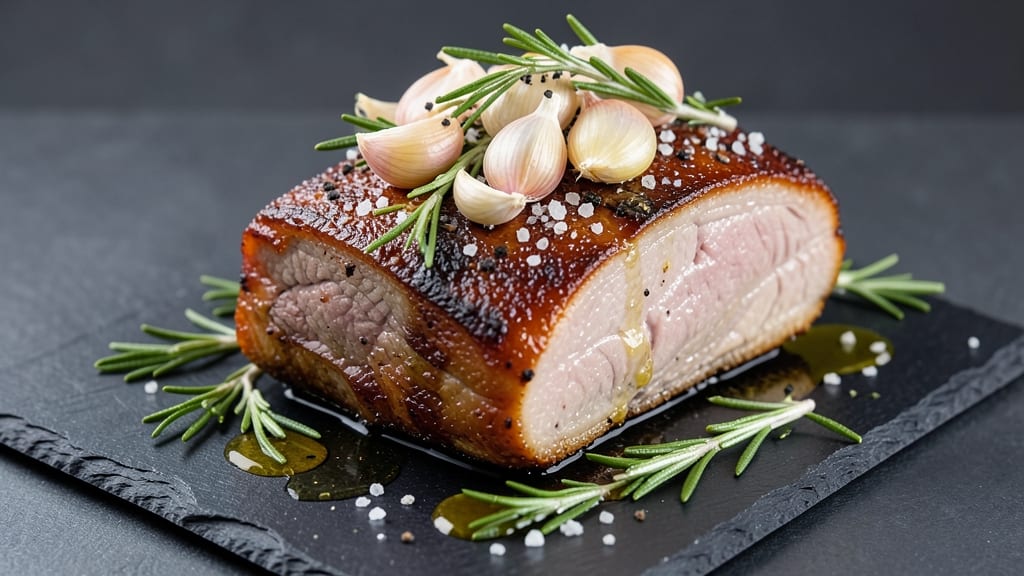
This boneless pork loin roast sous vide recipe transforms a simple cut into melt-in-your-mouth perfection—no dryness, no guesswork, just juicy, restaurant-quality results every time. I learned the hard way that pork loin demands precision, and sous vide delivers it flawlessly.
The secret? Cooking at 140°F for 24 hours ensures tender, even doneness without overcooking the edges.
What makes this recipe stand out is the foolproof technique that even home cooks can master. You’ll start by vacuum-sealing the pork with aromatics like garlic and rosemary, then let the immersion circulator do the work while you prep sides.
The finishing sear in a screaming-hot pan creates that coveted caramelized crust, sealing in all the juices you worked so hard to preserve.
By the time you plate it, you’ll have perfectly pink, buttery pork that slices like butter and stays moist for days. The crust will be golden and crisp, while the interior remains tender and succulent—no tough, chewy surprises here.
This is the kind of dish that makes weeknight dinners feel like a special occasion without requiring hours of active cooking.
Pair it with roasted root vegetables or creamy mashed potatoes for a complete meal that’ll impress anyone lucky enough to taste it. The beauty of sous vide is that it forgives minor timing missteps, so even if you’re not a seasoned cook, you’ll get consistent, professional results every single time.
Let’s get started—your taste buds will thank you.
Ingredients for boneless pork loin roast recipe sous vide
Precision-crafted ingredients for melt-in-your-mouth pork loin perfection—no dryness, just juicy, restaurant-style results.
| Ingredient | Amount | Notes |
|---|---|---|
| Boneless Pork Loin Roast 🥩 | 2 lb | Center-cut, 1.5-inch thick |
| Garlic Cloves 🧄 | 6 cloves | Smash slightly for flavor infusion |
| Fresh Rosemary 🌿 | ¼ cup | Needles only, finely chopped |
| Extra-Virgin Olive Oil 🫒 | 2 tbsp | For basting and finishing sear |
| Kosher Salt 🧂 | 1 ½ tsp | Diamond Crystal preferred |
| Freshly Ground Black Pepper 🌶️ | 1 tsp | Coarse grind for texture |
| Dry White Wine 🍷 | ½ cup | Sauvignon Blanc or Pinot Grigio |
| Vegetable Oil 🫒 | ¼ cup | For searing (high smoke point) |
| Unsalted Butter 🧈 | 2 tbsp | Cold, for finishing crust |
| Fresh Thyme Leaves 🌿 | ⅛ cup | From 4-5 sprigs |
| Onion Powder 🧅 | ½ tsp | For depth of flavor |
| Honey 🍯 | 1 tbsp | For finishing glaze (optional) |
The pork loin is non-negotiable here. Center-cut ensures even cooking, and 1.5-inch thickness guarantees perfect doneness without overcooking. Most butchers will trim it for you, but if you're doing it yourself, look for a roast with good marbling—Costco or Whole Foods carry excellent quality. Fresh rosemary and thyme should smell vibrant, not woody. If they're past their prime, dried works at half the amount, but trust me on the fresh stuff for this technique. The wine? Any dry white will do, but Sauvignon Blanc or Pinot Grigio add a nice brightness that pairs perfectly with the pork's richness.
No vacuum sealer? Double-bagging with a straw to suck out air works surprisingly well. Short on rosemary? Thyme plus a pinch of marjoram gets you close. The honey glaze is optional but worth it—local raw honey adds subtle floral notes that balance the savory crust. If you're avoiding sugar, skip it entirely; the butter and wine will still create a delicious crust. The olive oil matters too—extra-virgin with fruity notes adds complexity, while cheap oil can taste flat. And yes, you can use a different white wine, but save the cheap boxed stuff for something else.
This pork stays perfect for 4 days refrigerated or 3 months frozen—though honestly, it's so good you'll eat it all in two. For storage, wrap tightly in plastic wrap, then foil, and it'll stay moist. Reheat gently in a 350°F oven with a splash of water or wine to keep it tender. The seared crust won't survive reheating, but that's part of the charm—it's meant to be enjoyed fresh. Portion into individual slices for easy serving, or keep it whole for dramatic presentation. Leftovers make amazing sandwiches the next day.
Why You'll Love This Recipe
- Set-and-Forget Magic: I swear by sous vide for this—just seal the pork, garlic, rosemary, and olive oil in a bag, toss it in the water bath, and walk away. No standing at the stove, no guessing temperatures, no stress. My weeknight dinners finally feel like a vacation.
- Herb-Infused Perfection: That rosemary and garlic combo? It’s like a warm hug for your taste buds. The pork stays juicy with a subtle herbal punch, and the olive oil finish ties everything together—simple, but ridiculously good. Honestly, I’ve tried fancier cuts, but this one’s my go-to.
- Leftovers That Don’t Suck: Sous vide pork loin stays tender for days, so I make a big batch and repurpose it—sandwiches, salads, even tacos. No sad, dried-out meat here. Between us, this is how I feed my family without spending hours in the kitchen.
- Budget-Friendly Luxury: Pork loin is cheaper than you’d think, and sous vide makes it feel special. A single roast stretches across meals, and the ingredients? Just a handful of pantry staples. I’ll be real: it’s my secret weapon for making midweek dinners feel like a fancy night out.
Step-by-step instructions for precision sous vide pork loin
Here's how to transform a simple pork loin into melt-in-your-mouth perfection using sous vide technique.
Prepare and Season the Pork Loin
Remove the 2 lb boneless pork loin roast from its packaging and pat it completely dry with paper towels. This step is crucial for achieving that perfect sear later—any moisture will prevent proper browning. Place the roast on a cutting board and make a few shallow slashes in the surface with a sharp knife, about ¼-inch deep and 1-inch apart. These small cuts allow the seasonings to penetrate deeper and create more surface area for flavor development.
In a small bowl, combine the 1.5 tsp kosher salt, 1 tsp freshly ground black pepper, 0.5 tsp onion powder, 0.25 cup finely chopped fresh rosemary, and 0.125 cup fresh thyme leaves. Rub this mixture all over the pork loin, pressing it gently into the slashes. The seasoning should adhere well to the meat. Let the seasoned pork sit at room temperature for 30 minutes before cooking—this ensures even cooking throughout.
Set Up the Sous Vide Bath
Fill a large sous vide container with water and set the temperature to 140°F for medium-rare doneness. This temperature guarantees tender, juicy pork without drying it out. Place the pork loin in a vacuum-sealed bag or a zip-top bag designed for sous vide cooking. If using a regular zip-top bag, remove as much air as possible before sealing to prevent water from entering during cooking.
Submerge the bagged pork completely in the water bath, making sure it's fully immersed. The pork will cook gently and evenly in this water bath, with the temperature maintained within ±0.1°F. Let it cook for 8-10 hours—this long cook time ensures the pork reaches perfect tenderness without overcooking. The meat should feel very tender when you test it with tongs, almost like it's falling apart.
Sear and Finish with Pan Sauce
Once the pork reaches the perfect internal temperature of 140°F, remove it from the bag and pat it dry again with paper towels. Heat a large skillet over medium-high heat until it's very hot. Add the 0.25 cup vegetable oil and swirl to coat the bottom evenly. Place the pork loin in the skillet and sear for 2-3 minutes per side until it develops a deep golden-brown crust. This searing step creates that beautiful caramelized exterior that adds so much flavor.
While the pork is searing, prepare the pan sauce. Reduce the heat to medium and add the 2 tbsp cold unsalted butter and the 6 smashed garlic cloves to the skillet. Let them cook for 1 minute until the butter melts and the garlic becomes fragrant but doesn't brown. Pour in the 0.5 cup dry white wine and scrape up any browned bits from the bottom of the pan. Let the wine simmer for 2-3 minutes until reduced by half. Finally, stir in the 2 tbsp extra-virgin olive oil and 1 tbsp honey to create a glossy, flavorful sauce.
Rest and Serve with Confidence
Transfer the seared pork loin to a cutting board and let it rest for 10-15 minutes before slicing. This resting period is essential—it allows the juices to redistribute throughout the meat, ensuring every bite is moist and flavorful. During this time, keep the pork covered loosely with aluminum foil to retain heat.
Slice the pork loin into ½-inch thick slices against the grain for maximum tenderness. Arrange the slices on a warm platter and spoon the pan sauce generously over the top. The pork should be pink in the center with a beautiful golden-brown crust, and each slice should be incredibly tender with a perfect balance of seasoning. Serve immediately with your favorite sides to enjoy this restaurant-quality pork loin at home.
Pro Tips For Making Boneless Pork Loin Roast Recipe Sous Vide
- Trim the Fat First: Boneless pork loin is already lean, but any remaining fat or silver skin can make your sous vide bag cloudy and ruin the texture. Grab a sharp knife and trim it all off—yes, even the little bits—before sealing. I learned this the hard way when my first batch came out with that weird, slimy film inside the bag.
- Crush Those Garlic Cloves: Whole garlic cloves in a sous vide bag just sit there like decorative rocks. Lightly crush them with the flat side of your knife or smash them with a mortar and pestle—just enough to break the skins so the flavor infuses properly. You’re not making garlic paste, just waking up those cloves.
- Don’t Overpack the Bag: Tossing in too much aromatics (rosemary, garlic, oil) crowds the pork and steams instead of basting it. Aim for a 1:1 ratio of pork to loose aromatics—think 3-4 sprigs of rosemary and 4-5 crushed cloves for a 2-pound roast. Trust me, your pork will thank you.
- Finish with a Hot Sear: Sous vide gives you perfect doneness, but a quick sear in a screaming-hot pan with olive oil and a pinch of salt is what turns "good" into "restaurant-quality." Hit all sides for 30 seconds each—you’re not cooking it, just caramelizing the surface. (Yes, even if you’re impatient like me.)
Best sauces and condiments for this dish
Classic Wine Reduction
This is my go-to sauce for sous vide pork—it’s simple but packs serious flavor. After searing the pork, deglaze your pan with ½ cup dry white wine (I love Sauvignon Blanc or Pinot Grigio), then reduce by half over medium heat.
Finish with 2 tbsp extra-virgin olive oil and a pinch of salt. The wine’s acidity cuts through the richness while the oil adds silkiness. 🍷
Honey-Mustard Glaze
For a sweet-and-tangy twist, mix 2 tbsp honey with 1 tbsp Dijon mustard and 1 tsp apple cider vinegar. Brush this glaze on the pork during the final 5 minutes of searing for a sticky, caramelized crust.
The honey adds depth, while the mustard keeps it from being too sweet. Perfect for a crowd-pleasing presentation!
Herb Butter Compound
Skip the wine reduction and go for a herb butter compound—melt 4 tbsp unsalted butter with 1 tbsp chopped fresh rosemary, 1 tsp thyme, and ½ tsp garlic powder. Swirl it into the pan after searing, then spoon it over the sliced pork.
The butter bastes the meat while infusing it with aromatic herbs. Trust me, this is a game-changer for flavor without extra effort. 🌿
Spicy Chili-Lime Sauce
If you love heat, blend ½ cup sour cream, 1 tbsp lime juice, 1 tsp chili powder, and ½ tsp smoked paprika into a creamy sauce. Drizzle it over sliced pork for a zesty kick.
The lime brightens the dish, while the chili powder adds warmth. Serve with cilantro garnish for a fresh finish—this sauce is especially great for summer dinners. 🌶️
Creamy Mushroom Pan Sauce
For a richer option, sauté 1 cup sliced mushrooms in the pork’s searing pan until golden. Deglaze with ¼ cup beef broth, then stir in 2 tbsp heavy cream and 1 tbsp butter.
The earthy mushrooms add depth, while the cream rounds out the sauce. This pairs beautifully with roasted root vegetables for a hearty meal. 🍄
Simple Olive Oil Finish
Sometimes, less is more. After searing, drizzle the pork with 1 tbsp extra-virgin olive oil and a sprinkle of flaky sea salt. The oil enhances the natural flavors without overpowering them. This is my go-to for a minimalist, elegant presentation—especially when I’m short on time. 🫒
Nutrition facts
Frequently asked questions
Can I use a regular zip-top bag instead of a vacuum sealer?
Yes! You can absolutely use a zip-top bag—just remove as much air as possible before sealing. Place the pork in the bag, then suck out the air by sealing the bag around a straw (place the straw in the bag, seal the opening around it, then suck hard before removing the straw). For best results, submerge the bag completely in the water bath to prevent water from entering during cooking.
How do I know when the pork is fully cooked?
The pork is perfectly done when it reaches 140°F internally. Use a meat thermometer to check the thickest part—it should register exactly 140°F for medium-rare. The texture will feel incredibly tender, almost falling-apart when pressed gently with tongs. Overcooking will dry it out, so trust your thermometer!
What sides pair best with sous vide pork loin?
This dish shines with rich, complementary sides like creamy mashed potatoes, roasted root vegetables (carrots, parsnips, or celery root), or a bright green salad with citrus vinaigrette. For a heartier meal, try braised red cabbage or buttery egg noodles. The wine reduction sauce also pairs beautifully with crusty bread for dipping!
Can I make this ahead of time?
The sous vide process means you can cook the pork up to 2 days ahead and store it in the fridge. Reheat gently in a 350°F oven with a splash of water or wine to maintain moisture. The seared crust won't survive reheating, but the meat stays perfectly tender. For best results, sear and serve fresh—just slice and reheat the sous vide-cooked portion.
What if my pork loin has fat caps?
Leave them on! The fat caps add flavor and help keep the meat moist during cooking. If they're thick, trim them slightly for even cooking, but don't remove them completely. The fat renders during the sous vide process, infusing the meat with rich flavor. Just be sure to pat the meat dry before searing to get that perfect crust.