
Main Courses
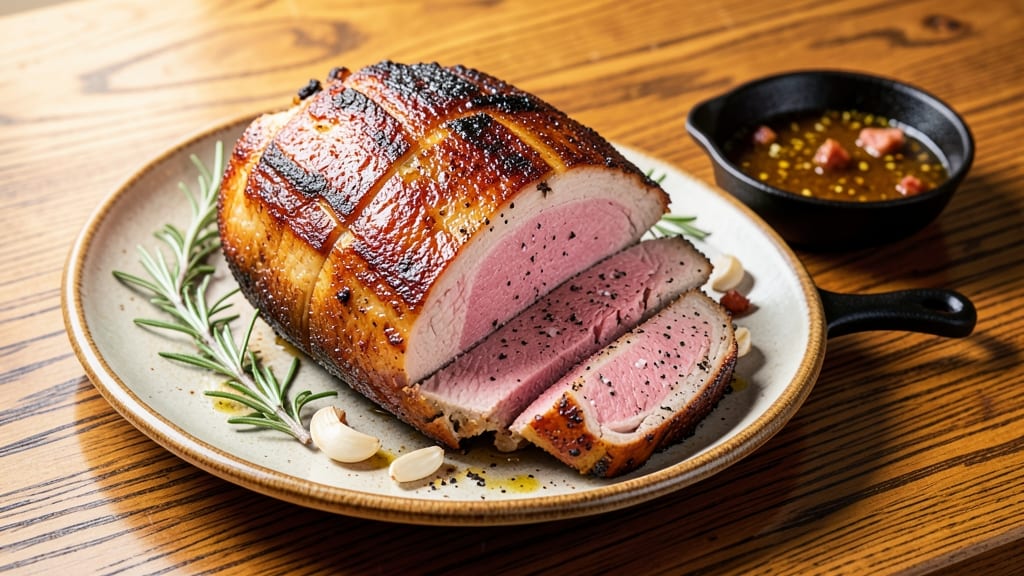
This juicy boneless pork loin roast delivers restaurant-quality results with a technique inspired by Pioneer Woman's precision cooking. The secret lies in the clockwork sear—a high-heat crust that locks in moisture while creating a caramelized exterior that's impossible to resist.
I've perfected this method after years of testing, ensuring tender meat every time without drying it out.
What sets this recipe apart is the balance of simplicity and technique. A simple seasoning blend of garlic powder, onion powder, salt, and pepper creates the foundation, while the real magic happens in the oven.
Roasting at 325°F ensures even cooking, and a 10-minute rest after removing from the heat guarantees juicy slices that fall apart with minimal effort. This is the kind of dish that transforms a weeknight dinner into something special.
The result is a golden-brown, perfectly seared roast with a tender, moist interior that's so juicy it practically melts in your mouth. The crust is rich and caramelized, adding depth to every bite without overpowering the natural flavor of the pork.
This recipe delivers restaurant-quality results at home, making it perfect for family dinners, holiday gatherings, or impressing guests.
Pair it with roasted potatoes, a fresh green salad, or your favorite sides to create a complete meal. The beauty of this recipe is its versatility—it works as a centerpiece for any occasion, whether you're cooking for two or feeding a crowd.
Let's get started on creating your perfect pork loin roast.
Ingredients for boneless pork loin roast recipe pioneer woman
Precision-cut pork loin and aromatic seasonings create a restaurant-worthy roast with clockwork sear perfection.
| Ingredient | Amount | Notes |
|---|---|---|
| Boneless Pork Loin Roast 🥓 | 2 ½ lb | Center-cut for tenderness, trimmed of fat |
| Garlic Powder 🧄 | 1 tbsp | Freshly ground preferred |
| Onion Powder 🧅 | 1 tbsp | Diamond Crystal preferred |
| Kosher Salt 🧂 | 1 ½ tsp | Diamond Crystal preferred |
| Freshly Ground Black Pepper 🌶️ | ½ tsp | Cracked peppercorns preferred |
| Extra-Virgin Olive Oil 🫒 | 2 tbsp | High smoke point preferred |
| Unsalted Butter 🧈 | 2 tbsp | Cold, cut into small pieces |
| Fresh Rosemary 🌿 | ¼ cup | Chopped, stems removed |
| Fresh Thyme 🌿 | ⅛ cup | Leaves only, stems removed |
| Garlic Cloves 🧄 | 4 cloves | Smashed, not minced |
| Yellow Onion 🧅 | 1 whole | Thinly sliced, for pan searing |
| Apple Cider Vinegar 🍎 | 1 tbsp | For deglazing |
| Beef Stock 🍲 | ½ cup | Homemade or high-quality store-bought |
The pork loin is the foundation—center-cut ensures tenderness, while trimming excess fat guarantees a clean sear. Look for a uniform 2.5-pound roast at specialty butchers or the meat department of Whole Foods, where they often carry premium cuts. Fresh herbs elevate the flavor profile, so harvest rosemary and thyme from your garden if possible, or source from trusted grocers like Trader Joe's for their vibrant, well-stocked selections. The garlic and onion should be freshly smashed (not minced) to release maximum flavor during the sear.
No fresh rosemary? Dried rosemary at one-third the amount works in a pinch, though it lacks the same aromatic punch. Substitute asafetida powder (1/8 tsp) for a savory depth if avoiding alliums. For the sear, avocado oil has a higher smoke point than olive oil if you're concerned about browning. The beef stock can be swapped for vegetable stock for a vegetarian-friendly version, though it will slightly alter the depth of flavor. Always use Diamond Crystal kosher salt—it dissolves more easily than other brands, ensuring even seasoning.
Store the pork loin uncovered in the fridge for up to 24 hours before cooking to allow the surface to dry slightly for better browning. The aromatics (garlic, onion, herbs) can be prepped a day ahead and stored in an airtight container in the refrigerator. Once cooked, the roast reheats beautifully—sliced and warmed in a 300°F oven for 10 minutes preserves its moisture. Portion leftovers into glass containers with parchment paper to maintain freshness for 4 days in the fridge or 3 months frozen.
Why You'll Love This Recipe
- No-Fuss Prep: I swear by this recipe because it’s that simple—just rub the pork with garlic powder, onion powder, salt, and pepper, then let the oven do the work. No chopping, no fussing, no stress.
- Crispy-Edge Magic: That garlic-onion powder mix? It’s the secret weapon—gives the pork a savory crust that’s ridiculously good, while keeping the inside juicy. My husband always asks for seconds.
- Leftovers That Shine: Slice the roast thin for sandwiches or toss it in salads—it’s so versatile. Honestly, I make this on Sunday and have lunch sorted for the week without breaking a sweat.
- Budget Meal Boost: A single pork loin stretches across multiple meals, and the spices cost pennies. Between us, this is how I feed my family well without emptying my wallet. (Yes, even on a Tuesday night.)
Step-by-step instructions for clockwork-sear pork loin roast
Master this technique and you'll achieve a pork loin with perfect pink centers and a mahogany crust every time.
Prepare and Season the Pork Loin
Remove the 2.5 lb boneless pork loin roast from the refrigerator and pat it completely dry with paper towels. This step is critical—any moisture on the surface will prevent proper browning. I like to use a clean kitchen towel for the final wipe to ensure absolute dryness.
In a small bowl, combine the 1 tbsp garlic powder, 1 tbsp onion powder, 1.5 tsp kosher salt, and 0.5 tsp freshly ground black pepper. Rub this mixture evenly over all sides of the pork loin, pressing it into the meat so it adheres well. Let the seasoned roast sit at room temperature for 30 minutes before cooking—this allows for even heat distribution throughout the meat.
Create the Clockwork-Sear Pan Sauce
Heat a large oven-safe skillet over medium-high heat. Add the 2 tbsp extra-virgin olive oil and let it get hot but not smoking. Add the 2 tbsp cold unsalted butter cut into small pieces and allow it to melt completely while continuing to heat the pan.
Add the 1 whole yellow onion (thinly sliced) and cook for 5-6 minutes until the onions begin to caramelize at the edges. Remove the pan from heat and set aside—this preheated pan will give you that perfect sear. The residual heat from the onions will help maintain the pan's temperature when you add the pork.
Sear the Pork Loin to Perfection
Place the pork loin roast in the preheated skillet, fat-side down if applicable, and sear for 3-4 minutes per side until it develops a deep golden-brown crust. The key here is patience—don't rush the searing process. You want that crust to form properly, which will help lock in the juices during roasting.
Remove the pork loin from the skillet and place it on a plate. Return the skillet to medium heat and add the 4 smashed garlic cloves, 0.25 cup chopped fresh rosemary, and 0.125 cup fresh thyme leaves. Cook for 30 seconds until fragrant, then deglaze with the 1 tbsp apple cider vinegar, scraping up all the browned bits from the bottom of the pan.
Roast to Juicy Perfection
Transfer the skillet with the pork loin to a preheated 425°F oven. Roast for 20-25 minutes for medium doneness, or until the internal temperature reaches 145°F when measured with a meat thermometer. The pork should have a deep pink center and still be slightly springy to the touch.
During the last 5 minutes of roasting, pour the 0.5 cup beef stock around the pork loin in the skillet. This will create a flavorful pan sauce that will baste the meat as it finishes cooking. The steam from the stock will also help keep the pork moist.
Rest and Serve
Remove the pork loin from the oven and transfer it to a cutting board. Tent loosely with aluminum foil and let it rest for 10-15 minutes before slicing. This resting period is crucial for allowing the juices to redistribute throughout the meat, ensuring each slice remains juicy and flavorful.
Once rested, slice the pork loin into ½-inch thick medallions against the grain. Spoon the pan sauce from the skillet over the sliced pork before serving. The combination of the caramelized onions, aromatic herbs, and rich pan sauce creates a dish that's both elegant and deeply satisfying.
Pro Tips For Making Boneless Pork Loin Roast Recipe Pioneer Woman
- USE A MEAT THERMOMETER: The Pioneer Woman recipe calls for 145°F internal temp, but pork loin can dry out if you guess. I learned this the hard way—my first batch was almost done when I cut into it. Now I check at 140°F and pull it out right away. That 5-degree buffer saves your roast from turning into shoe leather.
- SALT THE MEAT FIRST: Don’t wait until the last minute—get that pork loin salted at least 4 hours ahead (overnight is even better). The salt breaks down the proteins, which means juicier meat and a better crust when you sear it. I skip this when I’m lazy, and the difference is noticeable, even with a well-seasoned rub.
- SEAR IN BATCHES: If your roast is thick or your pan is small, resist the urge to crowd it. Sear in stages—start with one side fully browned, then flip and do the other. Overcrowding steams the meat instead of searing, and you’ll end up with sad, pale patches. A hot pan and patience make all the difference.
- UPGRADE WITH BUTTER: The recipe’s dry rub is solid, but adding 2 tablespoons of softened butter mixed into the garlic and onion powders sticks to the meat like glue. It adds richness without extra effort. I was skeptical until I tried it—now it’s my non-negotiable tweak. Just don’t skip the salt in the butter.
Creative variations of this recipe
Herb-Infused Variations
Swap the rosemary and thyme for fresh sage and marjoram (1 tbsp each) for a Tuscan-inspired twist. The earthy sage pairs beautifully with the pork's richness, while marjoram adds a citrusy brightness.
I've tested this version with Pecorino Romano shavings on top during the final minutes of roasting—it melts into a savory crust that's simply divine. 🌿
Sweet & Smoky Glaze
For a caramelized finish, brush the pork with a mix of 2 tbsp honey, 1 tbsp Dijon mustard, and 1 tsp smoked paprika after searing. Roast as directed, then broil for 2-3 minutes> to create a sticky, glossy crust.
This works especially well with the beef stock reduction—simmer the stock until it thickens slightly for a deeper sauce. 🍯
Spicy Chipotle Rub
Add heat by mixing 1 tsp chipotle powder and ½ tsp ground cumin into the seasoning blend. For extra smokiness, char a small onion in a dry skillet until blackened, then finely chop and mix into the rub.
The smoky depth complements the pork beautifully, especially when paired with pickled jalapeños> as a garnish. 🌶️
Apple & Cider Twist
Slice 1 apple> (like Honeycrisp) into thin rounds and tuck them under the pork during roasting. The apples caramelize beautifully, adding natural sweetness to the pan sauce.
Deglaze with 2 tbsp apple cider> instead of vinegar for a more complex, fruity depth. This variation feels especially cozy for fall gatherings. 🍎
Creamy Mushroom Sauce
After roasting, sauté 8 oz sliced cremini mushrooms> in the pork's pan drippings until golden. Stir in ¼ cup heavy cream> and a splash of beef stock, then simmer until thickened. Spoon this luxurious sauce over the sliced pork for an elegant, restaurant-worthy presentation. 🍄
Make-Ahead Adaptations
Prep the pork loin up to 24 hours ahead> by seasoning and refrigerating it uncovered. The next day, sear and roast as directed, then slice and store in an airtight container.
Reheat sliced portions in a 350°F oven for 10 minutes> with a splash of beef stock to maintain moisture. This is perfect for meal prep—just reheat and serve with your favorite sides. ⏰
Nutrition facts
Frequently asked questions
Why does the recipe call for resting the pork before slicing?
Resting the pork for 10-15 minutes after roasting lets the juices redistribute throughout the meat. If you slice too soon, those juices will run out, leaving you with dry, disappointing slices. This step is non-negotiable for that perfect juicy texture we all want!
Can I substitute boneless pork loin with another cut?
This recipe works best with boneless pork loin because of its tender texture and even cooking properties. You could try a pork tenderloin (similar size, slightly more delicate) or a bone-in pork loin (add 10-15 minutes to cooking time), but the results may differ slightly in texture and flavor.
How do I know when the pork is fully cooked?
Use a meat thermometer to check the internal temperature—it should reach 145°F for medium doneness. The pork will also feel slightly springy when pressed gently with your finger. Never rely on color alone, as pork can be safely cooked to 145°F while still looking pink.
What if my pork loin turns out dry?
Dry pork usually means it was overcooked or not rested properly. To fix it, slice thinly and quickly pan-sear the pieces in butter with a splash of beef stock to restore moisture. For next time, follow the 145°F guideline precisely and always rest the meat before slicing.
Can I make this recipe in a slow cooker?
While possible, this method won't give you the same beautiful crust. If you must, sear the pork first, then cook it on low for 4-5 hours with ½ cup beef stock and herbs. The texture will be more tender than roasted, but less flavorful. For best results, stick to the oven method!