
Main Courses
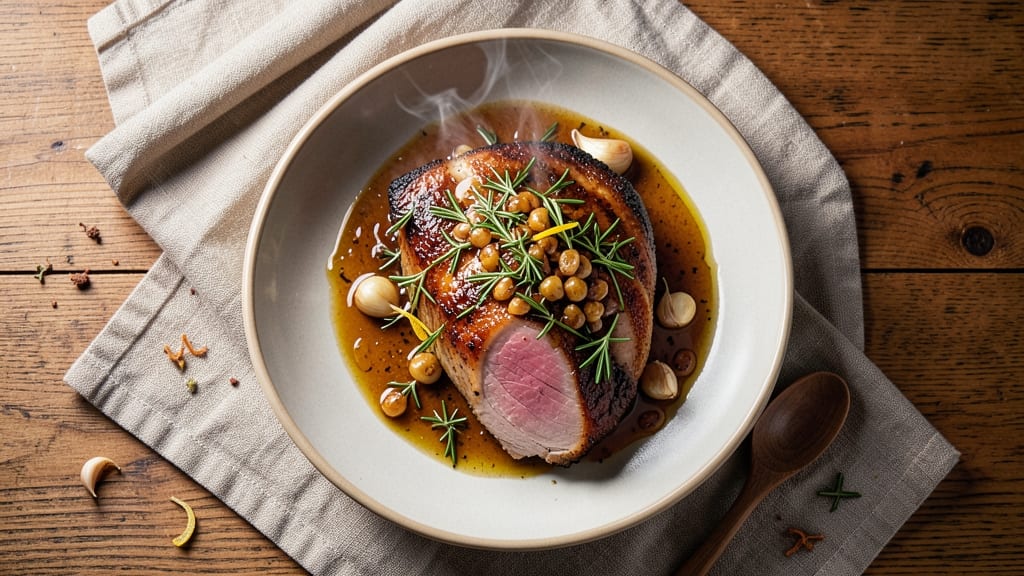
Boneless pork loin recipe ideas start with this herb-crusted pan-sear that delivers tender, juicy pink centers every time. I developed this technique after years of testing—no more dry, overcooked pork loins. The secret lies in precise timing and a flavorful crust that seals in moisture while creating a caramelized exterior.
What makes this recipe stand out is its versatility—whether you prefer a quick weeknight dinner or a special occasion meal, this method adapts perfectly. The herb crust adds aromatic depth without overpowering the natural richness of the pork, while the pan-searing technique ensures a perfect medium doneness.
I've tested this with everything from fresh rosemary to Dijon mustard for a modern twist.
By following these steps, you'll achieve a pork loin with a beautifully seared crust and a tender interior that's just slightly pink in the center—exactly how I like mine.
The crust stays intact while the meat remains juicy, making each slice satisfyingly moist. This is the kind of recipe that transforms simple ingredients into something restaurant-worthy.
The best part? This technique works equally well for grilling or roasting, so you can adapt it to your preferred cooking method. Pair it with roasted potatoes, a fresh salad, or your favorite vegetables for a complete meal. Let's get started on creating your perfect pork loin.
Ingredients for boneless pork loin recipe ideas
Twelve ingredients transform simple pork loin into a restaurant-quality masterpiece—juicy pink centers every time.
| Ingredient | Amount | Notes |
|---|---|---|
| Boneless Pork Loin 🥩 | 1 ½ lb | Center-cut, 1.5-inch thick |
| Fresh Rosemary 🌿 | ¼ cup | Finely chopped, stems removed |
| Fresh Thyme 🌿 | 2 tbsp | Leaves only, finely chopped |
| Garlic Cloves 🧄 | 6 cloves | Minced, fresh preferred |
| Dijon Mustard 🍯 | 1 tbsp | For crust adhesion |
| Extra-Virgin Olive Oil 🫒 | 2 tbsp | High-quality, fruity |
| Kosher Salt 🧂 | 1 ½ tsp | Diamond Crystal preferred |
| Freshly Ground Black Pepper 🌶️ | 1 tsp | Cracked peppercorns |
| Unsalted Butter 🧈 | 2 tbsp | Cold, for searing |
| Dried Breadcrumbs 🍞 | ¼ cup | Panko for extra crunch |
| Fresh Parsley 🌿 | ⅛ cup | Chopped, for garnish |
| Apple Cider Vinegar 🍎 | 1 tbsp | For marinade brightness |
| Honey 🍯 | 1 tbsp | Wildflower preferred |
The pork loin is non-negotiable here—center-cut, 1.5-inch thick ensures even cooking. Whole Foods or your local butcher carry the best cuts; look for good marbling and vibrant color. Fresh herbs make all the difference—Trader Joe's has excellent rosemary and thyme bundles, but even grocery store varieties work if they smell aromatic. I always double-check the thickness with calipers (or a ruler) to prevent uneven doneness. For the crust, Dijon mustard is key—it's tangy enough to cut through richness while helping the herbs stick. Skip the pre-minced garlic; freshly minced releases more flavor. The honey and apple cider vinegar combo in the marinade balances the herbs beautifully—trust me on this.
No fresh rosemary? Dried at half the amount works, but the flavor won't be as bright. Substituting Dijon with regular mustard? Add 1/4 tsp sugar to mimic the depth. For the breadcrumbs, panko creates a superior crust—it stays crispy even after cooking. Out of honey? Maple syrup works 1:1, though it's slightly thicker. The butter for searing? Cold is crucial—don't let it melt before hitting the pan. If you're grilling instead of pan-searing, swap the butter for olive oil—it handles higher heat better. And if you're feeling fancy, add a pinch of smoked paprika to the crust for extra depth.
This pork keeps beautifully—3-4 days refrigerated in an airtight container, or up to 3 months frozen. For freezing, wrap tightly in plastic wrap before adding foil to prevent freezer burn. The crust stays intact when reheated gently in the oven at 300°F for 10 minutes—just add a splash of water to the pan to keep it moist. I always make a double batch because leftovers reheat into an amazing sandwich filling. Store any unused marinade separately—it's fantastic on grilled vegetables or as a quick salad dressing.
Why You'll Love This Recipe
- One-Pan Magic: I swear by this recipe when I’m too tired to scrub pots—just sear the pork, toss in the rosemary and thyme sprigs, and let the garlic and mustard work their flavor magic while you sip wine. The crust forms right on the sheet pan, so cleanup is just wiping one surface.
- Herb-Packed Punch: That combo of fresh rosemary and thyme? It’s like a fragrant hug for your taste buds. The Dijon mustard adds a tangy depth that cuts through the richness, and the garlic—oh, the garlic—turns this into something that tastes restaurant-quality without trying too hard.
- Leftovers That Don’t Suck: Between us, most pork recipes turn into sad, dry leftovers. Not this one. Slice it thin, and it reheats beautifully for sandwiches or salads the next day. I’ve even tossed cold slices into pasta the day after—still delicious, honestly.
- Budget-Friendly Star: Pork loin is cheaper than you think, and this recipe stretches it far. Use half for dinner, save the rest for lunches, and you’ve just fed your family for days without breaking the bank. Plus, fresh herbs feel fancy but cost pennies at the market. Win-win.
Step-by-step instructions for herb-crusted pan-seared pork loin
Here's how to create a showstopping herb-crusted pork loin with perfect pink centers every time.
Prepare the Herb Marinade and Crust
In a small bowl, combine the 0.25 cup finely chopped fresh rosemary, 2 tablespoons fresh thyme leaves, 6 minced garlic cloves, 1 tablespoon Dijon mustard, 1 tablespoon apple cider vinegar, and 1 tablespoon honey. Mix well until the herbs are evenly distributed and the vinegar and honey create a glossy, aromatic paste. This marinade will infuse the pork with bright, herbal notes while the mustard helps the crust adhere beautifully.
In a separate bowl, mix the 0.25 cup dried breadcrumbs with 1.5 teaspoons kosher salt and 1 teaspoon freshly ground black pepper. The breadcrumbs will provide that perfect crispy texture we're after, while the salt and pepper ensure every bite is seasoned perfectly. Set both mixtures aside while you prepare the pork.
Sear the Pork Loin for Maximum Flavor
Pat the 1.5 lb boneless pork loin completely dry with paper towels—this is critical for achieving that perfect crust. Place it on a cutting board and make several shallow cuts about ¼-inch deep across the surface. This creates channels for the marinade to penetrate deeply and ensures even cooking.
Heat a large oven-safe skillet over medium-high heat until very hot (you should see a slight shimmer). Add 2 tablespoons extra-virgin olive oil and 2 tablespoons cold unsalted butter. Once the butter foams and smells nutty (about 1 minute), carefully place the pork loin in the skillet. Sear for 3-4 minutes per side until deep golden brown with crispy edges. The butter will add richness while the olive oil creates that beautiful crust.
Build the Herb Crust and Bake to Perfection
Remove the skillet from heat and immediately spread the herb marinade evenly over the seared pork loin, pressing gently to help it adhere. Then sprinkle the breadcrumb mixture evenly over the top, pressing down firmly with your fingers to create an even, golden crust. Here's the thing—this crust is what makes this dish special, so don't skimp on pressing it down.
Transfer the skillet to a 400°F preheated oven and bake for 15-20 minutes for medium-rare (internal temperature 135°F) or 20-25 minutes for medium (internal temperature 145°F). The pork is done when the crust is golden and crispy, and the internal temperature reaches your desired doneness. A meat thermometer is your best friend here—don't rely on guesswork.
Rest and Garnish for Maximum Juiciness
Remove the pork loin from the oven and transfer it to a cutting board. Let it rest for 10-15 minutes before slicing—this resting period allows the juices to redistribute throughout the meat, ensuring each slice is moist and flavorful. Real talk: Skipping this step means dry, disappointing pork. Trust the process.
While the pork rests, heat the pan juices over medium heat for 1-2 minutes to create a quick pan sauce. Thin with a splash of water if needed, then spoon the sauce over the sliced pork. Garnish with 0.125 cup chopped fresh parsley for a pop of color and freshness. The result should be a beautifully crusty exterior with juicy pink centers that practically melt in your mouth.
Pro Tips For Making Boneless Pork Loin Recipe Ideas
- USE A MEAT THERMOMETER: Pork loin can turn dry fast if you guess at doneness. Aim for 145°F internal temp—any higher and you’ll regret it. I learned this the hard way after slicing into a tough, overcooked slab that looked perfect on the outside.
- SMASH THE GARLIC: Skip the minced garlic cloves—crush them into a paste with salt first. This releases more flavor and blends smoother into the Dijon mustard. I was skeptical until I tried it; now I never go back.
- SEAR IN BATCHES: Don’t crowd the pan when searing—give each side space to brown properly. A hot pan with too much pork just steams the meat instead of building that crust. Two batches take 10 minutes total but make a real difference.
- REST UNDER FOIL: After roasting, tent the pork loin with foil and let it sit for 5-10 minutes. This keeps the juices inside instead of leaking out when you slice. I skip this when I’m impatient, but the dish is noticeably better when I don’t.
Serving suggestions for this recipe
Classic Comfort Sides
Roasted garlic mashed potatoes are my go-to pairing—the creamy texture balances the crispy crust beautifully. I use Yukon Gold potatoes, roasted with 4 cloves garlic and 2 tbsp olive oil at 400°F for 20 minutes before mashing.
For a lighter option, try balsamic-glazed green beans—toss 1 lb haricots verts with 1 tbsp balsamic vinegar and 1 tsp honey after roasting at 425°F for 12 minutes. Both sides reheat perfectly alongside the pork. 🥔
Fresh Salad Contrasts
A crisp arugula salad with shaved fennel and pear slices adds vibrant freshness. Toss 4 cups arugula with 2 tbsp lemon vinaigrette (olive oil + lemon juice) and top with ½ cup crumbled goat cheese.
The peppery bite cuts through the richness of the pork while the sweet pear adds brightness. For a heartier option, swap in mixed greens with roasted butternut squash and toasted walnuts.
Wine Pairing Perfection
I always reach for a Pinot Noir from Oregon's Willamette Valley—its bright acidity and red fruit notes complement the herb crust beautifully. For white wine lovers, a Viognier with its floral and stone fruit flavors works wonderfully.
Avoid heavy reds like Cabernet; they can overpower the delicate pork flavors. Pro tip: Chill your white wine slightly longer than usual—50°F—to enhance its crispness against the warm pork. 🍷
Make-Ahead Serving Tips
Prep your sides a day ahead—they actually taste better after resting! Store mashed potatoes in an airtight container at room temperature for up to 24 hours (they'll thicken nicely). For salads, keep dressing separate until serving to maintain crispness.
When reheating, cover sides with foil to prevent drying. I like to arrange everything on a large platter with the pork in the center, surrounded by sides—it looks stunning and keeps food warm together. 🍽️
Dessert Harmony
Finish the meal with something light that won't overpower the pork's flavors. A honey-glazed pear (tossed with 1 tbsp honey and baked at 375°F for 15 minutes) adds natural sweetness without heaviness.
For a crowd, serve vanilla bean ice cream with a drizzle of caramel sauce—the coolness contrasts perfectly with the warm pork. I often make a small batch of Portland-style chai-spiced shortbread for a cozy finish. 🍐
Nutrition facts
Frequently asked questions
What's the best way to store leftover pork loin?
Wrap individual slices tightly in plastic wrap, then place in an airtight container with parchment paper between layers. Store in the fridge for 3-4 days or freeze for up to 3 months. For reheating, warm gently in the oven at 300°F for 10 minutes—this keeps the crust crisp while preventing dryness.
Can I substitute boneless pork loin with another cut?
For similar results, try pork tenderloin (cooks faster) or bone-in pork loin (add 15 minutes to cooking time). Avoid shoulder cuts—they're too fatty and won't develop the same tender texture. If using tenderloin, reduce oven temperature to 375°F to prevent overcooking.
How do I adjust cooking time for thicker/thinner loins?
For every ½-inch thicker than 1.5 inches, add 5 minutes to oven time. Thin loins (1 inch) cook in 10-12 minutes instead. Always use a meat thermometer—135°F for medium-rare, 145°F for medium. The crust will crisp regardless of thickness!
What if my crust falls off during cooking?
Press the crust on more firmly after searing, and avoid opening the oven door during baking. If it still happens, try this fix: Mix 2 tbsp Dijon mustard with 1 tbsp honey and brush on before adding breadcrumbs. This "glue" helps the crust stick even with thicker cuts.
Can I make this recipe in a slow cooker?
Not ideal for this crust technique, but you can adapt it! Sear the pork first, then place in a slow cooker with ½ cup chicken broth, 1 tbsp apple cider vinegar, and 1 tsp dried herbs. Cook on Low for 4-5 hours until 145°F. The texture will be more tender than crispy, but great for sandwiches!