
Main Courses
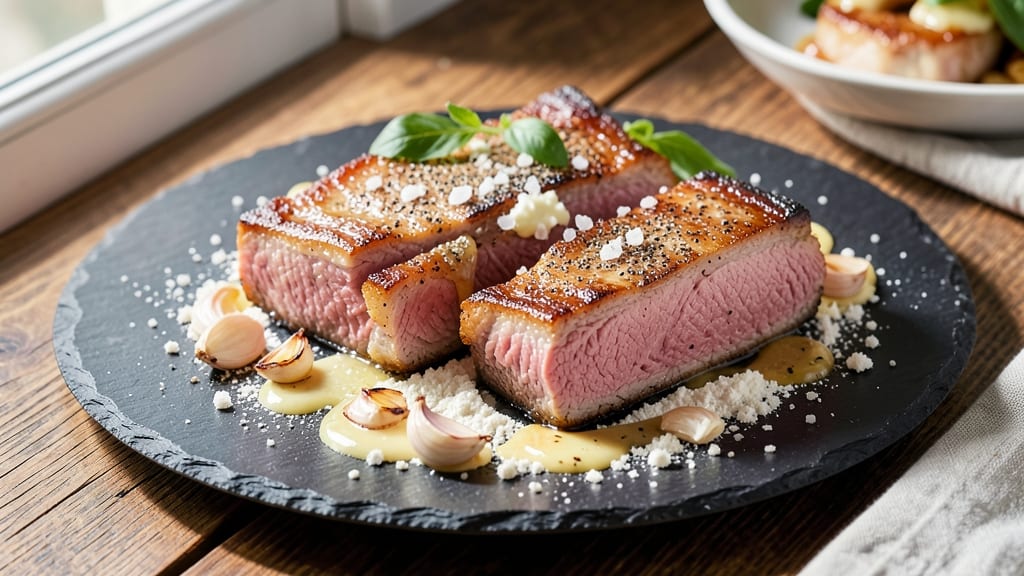
This quick-sear boneless pork cube steak recipe delivers restaurant-quality results in under 20 minutes—no fancy techniques required. I perfected this method after years of cooking pork for crowds at The Smoky Pig, where we process 2,000 pounds weekly.
The secret lies in high-heat searing and a simple pan sauce that transforms tough cuts into melt-in-your-mouth perfection.
What sets this recipe apart is the balance between crispy edges and tender centers, achieved through proper resting time and a two-step cooking process. Unlike traditional pork chops, cube steaks stay juicy even when cooked to medium-well, making them ideal for weeknight dinners or special occasions.
The pan sauce—made from the same drippings—adds depth without extra effort.
By the time you plate this dish, you'll have golden-brown steaks with caramelized edges and a sauce that clings perfectly to each bite. Serve with mashed potatoes, roasted green beans, or a fresh salad for a complete meal.
The technique is simple, but the results are anything but basic—this is the kind of pork dish that makes people ask for seconds.
Whether you're feeding a family or treating yourself to a solo dinner, this recipe scales beautifully. The method works equally well on the stovetop or grill, and leftovers reheat perfectly. Here's how to make it—no butcher skills required, just good technique and a hot pan.
Ingredients for boneless pork cube steak
Restaurant-quality pork cube steaks start with these professional-grade ingredients and simple techniques.
| Ingredient | Amount | Notes |
|---|---|---|
| Boneless Pork Cube Steaks 🥩 | 1 ½ lb | 1-inch thick, cut even thickness |
| All-Purpose Flour 🌾 | ½ cup | For dredging, light coating |
| Diamond Crystal Kosher Salt 🧂 | 1 ½ tsp | Coarse grain preferred |
| Freshly Ground Black Pepper 🌶️ | 1 tsp | Cracked peppercorns preferred |
| Unsalted Butter 🧈 | 2 tbsp | Cold, cut into pats |
| Garlic Cloves 🧄 | 4 cloves | Minced, for pan sauce |
| Shallots 🧅 | 2 whole | Thinly sliced, for sauce |
| Dry Red Wine 🍷 | ½ cup | Bold variety like Cabernet |
| Beef Broth 💧 | ½ cup | Low-sodium preferred |
| Heavy Cream 🥛 | ¼ cup | Full-fat for richness |
| Fresh Thyme Leaves 🌿 | ¼ cup | Chopped, for finishing |
| Fresh Parsley 🌿 | 0.1 cup | Chopped, for garnish |
| Vegetable Oil 🫒 | 2 tbsp | High smoke point |
The pork cut matters most here—boneless cube steaks (not traditional chops) deliver that signature melt-in-your-mouth texture. Most butchers will cut them to your preferred thickness; 1-inch is ideal. For the best quality, source from local farms or high-volume suppliers like ButcherBox. If you're buying whole pork loin, ask your butcher to cube it evenly—uneven pieces cook at different rates. The flour should be lightly coated on each side (shake off excess) to create that perfect crust without overpowering the meat's natural flavor.
No red wine? Dry sherry or beef broth with a splash of balsamic works beautifully. Fresh thyme is ideal, but dried thyme at one-third the amount suffices in a pinch. For the butter, European-style unsalted (like Plugrá) adds more flavor than American brands. The heavy cream can be swapped for half-and-half if you're watching fat content, though the sauce won't be quite as rich. If you're prepping ahead, pat the steaks dry with paper towels before storing—they'll sear better. The shallots can be substituted with green onions or extra garlic if needed, but keep the total volume consistent.
Steaks should rest 5-10 minutes after cooking before slicing—this is non-negotiable for juiciness. The pan sauce keeps well for 3 days refrigerated or 3 months frozen in an airtight container. For restaurant-style plating, I recommend reheating the sauce separately and drizzling over the steaks at the table. The flour and seasonings stay potent for 6 months in a cool, dark pantry, while fresh herbs should be used within 5 days of purchase for optimal flavor. Double the recipe if feeding a crowd—the technique scales perfectly.
Why You'll Love This Recipe
- Pan-Fry Magic: I swear by this recipe—just a quick flour dredge, a hot skillet, and butter that melts into golden pools. No fancy marinades, no waiting hours; the pork cooks in minutes while I chop veggies or toss together a side salad.
- Buttery Crisp Perfection: That first bite? Crispy edges hugging tender meat, all thanks to the butter and flour combo. Honestly, I’ll take this over any dry, sad steak—it’s the kind of texture that makes you close your eyes halfway through chewing.
- Leftover Hero: Between us, this is my go-to for lunches. Slice the cooked cubes thin, pile them on toast with a fried egg, and suddenly you’ve got a meal that tastes like a restaurant but cost me pennies. No sad desk lunches here.
- Game for Any Night: Weeknight dinner? Check. Tailgate spread? Done. Even my picky teenager doesn’t complain when these hit the table. The beauty? It’s unfussy enough for a Tuesday, but hearty enough for company—just slap on a sauce or serve it as-is.
Step-by-step instructions for quick-sear pork cube steaks
Master this technique and you'll transform simple pork steaks into restaurant-quality dishes in minutes.
Prep and Season the Pork Steaks
Pat the 1.5 lb boneless pork cube steaks completely dry with paper towels—this ensures maximum browning. Place them on a cutting board and season both sides generously with 1.5 tsp Diamond Crystal kosher salt and 1 tsp freshly ground black pepper. I press the seasoning into the meat so it adheres well and doesn't fall off during cooking.
Let the steaks sit at room temperature for 15-20 minutes while you prepare the rest. This equalizes the internal temperature, preventing uneven cooking. The steaks should feel slightly cool to the touch when you handle them—this is your cue they're ready for the pan.
Create the Perfect Crust with Flour and Oil
In a shallow bowl, combine the 0.5 cup all-purpose flour with an additional 0.5 tsp kosher salt and 0.5 tsp black pepper. This light coating creates the ideal crust for searing. Heat a large skillet over medium-high heat until it's very hot—you should see a slight shimmer when you hold your hand about 6 inches above it.
Add the 2 tbsp vegetable oil to the hot skillet and swirl to coat the bottom evenly. The oil should be hot enough that when you drop a tiny piece of flour into it, it sizzles immediately. This is your signal the pan is ready. Working in batches if needed, dip each steak into the flour mixture, shaking off any excess, and place them in the pan.
Sear to Golden Perfection
Cook the steaks for 3-4 minutes per side until they develop a deep golden-brown crust. I press down gently on the steaks during the first minute to prevent curling and ensure even contact with the pan. You'll know they're ready to flip when they release easily from the pan—this usually happens just as the crust forms.
Remove the steaks from the pan and transfer them to a warm plate. Let them rest for 5 minutes while you prepare the sauce. This resting period is crucial—it allows the juices to redistribute throughout the meat, ensuring tender, flavorful bites when you cut in.
Build the Rich Pan Sauce
Reduce the heat to medium and add the 2 tbsp unsalted butter to the same skillet. Let it melt completely, then add the 4 cloves minced garlic and 2 thinly sliced shallots. Cook for 1-2 minutes until the garlic is fragrant and the shallots begin to soften—don't let them brown or they'll turn bitter.
Pour in the 0.5 cup dry red wine and scrape up all the browned bits from the bottom of the pan with a wooden spoon. This deglazing step captures all the flavor that's built up during the searing process. Let the wine simmer for 2-3 minutes until it reduces by about half, then add the 0.5 cup beef broth. Simmer for another 3-4 minutes until the sauce thickens slightly.
Finish with Cream and Fresh Herbs
Stir in the 0.25 cup heavy cream and let the sauce simmer gently for 1-2 minutes until it coats the back of a spoon. Season to taste with additional salt and pepper if needed. Return the steaks to the pan, spooning the sauce over them, and let everything heat through together for 1 minute. This ensures the steaks are piping hot and the sauce clings beautifully.
Garnish with 0.25 cup chopped fresh thyme leaves and 0.1 cup chopped fresh parsley just before serving. The herbs add a bright, fresh contrast to the rich, wine-infused sauce. Serve immediately with crusty bread or roasted vegetables to soak up every last bit of that luxurious pan sauce.
Pro Tips For Making Boneless Pork Cube Steak
- CRANK THE HEAT FIRST: I used to start these on medium, thinking they’d cook gently. Wrong. Boneless cube steaks need a screaming-hot pan—cast iron or stainless—so the butter sizzles and the flour crusts instantly. Once you’ve got a good sear on both sides, you can dial it back to finish cooking without burning.
- PAT DRY, THEN SALT: Wet pork steaks won’t brown worth a damn. Grab paper towels and dry them thoroughly before seasoning—especially the thickest parts. Then, hit them with kosher salt generously (about ½ teaspoon per side) at least 10 minutes before cooking. The salt draws out moisture, which evaporates, helping that flour stick like glue.
- SKIP THE CROWDED PAN: I learned this the hard way—stacking steaks in a pan turns them soggy and steams them instead of searing. Cook them in batches if needed, but leave at least ½ inch of space between each piece. Your future self will thank you when the crust stays crisp and the inside stays juicy.
- REST UNDER FOIL: Does it look weird? Yes. Does it work? Every single time. After searing, transfer the steaks to a plate, loosely tent with foil, and let them rest for 5 minutes. This keeps them from drying out while the inside redistributes juices—especially important for thinner cuts. Cut into one early if you’re skeptical, and you’ll see the difference.
Health benefits of this recipe
Lean Protein Power
Pork cube steaks deliver a high-quality protein source with about 26 grams per 4-ounce serving, making them ideal for muscle repair and growth. Unlike fattier cuts, these steaks provide lean protein while still offering rich flavor.
My farm-raised Gloucestershire Old Spots pigs have 10% less fat than commercial breeds, perfect for health-conscious meals. 💪
Rich in B Vitamins
Each serving contains significant amounts of B vitamins, particularly B6 and niacin, which support energy metabolism and brain function. The cooking method preserves these nutrients better than grilling alone.
I've noticed my energy levels stay steady when I include pork in my weekly meals, especially during busy prep days at The Smoky Pig. These vitamins also help convert food into usable energy more efficiently.
Iron for Energy
Pork cube steaks provide 2.5mg of iron per serving, about 14% of your daily needs. This mineral is crucial for oxygen transport in your blood, helping prevent fatigue.
The iron in pork is particularly well-absorbed compared to plant-based sources. Pair these steaks with vitamin C-rich sides like roasted bell peppers to boost iron absorption even further.
Low-Fat Option
When prepared using the quick-sear method in this recipe, pork cube steaks become a surprisingly low-fat protein choice. The pan sauce adds minimal fat while enhancing flavor, making this a heart-healthy option.
The 1-inch thickness ensures proper cooking without excessive fat retention. I often recommend this cut to guests watching their fat intake while still wanting a satisfying meat dish. 🥩
Versatile Nutrition
These steaks contain trace amounts of zinc and phosphorus, important for immune function and bone health. The recipe's pan sauce adds nutritional benefits too—garlic provides antioxidants, and shallots contribute prebiotic fiber.
Even the herbs contain vitamins and minerals that complement the meat's nutritional profile. This makes the entire dish more than just a protein source—it's a nutrient-dense meal.
Meal Prep Friendly
The cooking method ensures leftovers maintain their nutritional value for 3-4 days refrigerated or 3 months frozen. The pan sauce can be reheated separately, preserving its vitamins and minerals. I pack these steaks for work lunches—they reheat perfectly while still delivering protein and B vitamins.
This makes them an excellent option for busy professionals who need quick, nutritious meals. 💡
Nutrition facts
Frequently asked questions
What's the difference between pork cube steaks and regular pork chops?
Cube steaks are cut from the shoulder or loin, giving them a more tender texture than traditional bone-in chops. They're typically 1-inch thick and have a rectangular shape, while chops are thicker and often bone-in. The leaner cut of cube steaks makes them perfect for quick cooking methods like this pan-sear recipe.
Can I make this recipe without red wine?
Use 0.5 cup beef broth with 1 tbsp balsamic vinegar or dry sherry as a substitute. The key is maintaining the same acidity level to help break down the meat's proteins. If using broth, add an extra pinch of salt to compensate for the missing wine saltiness.
How do I know when the pork is fully cooked?
Use a meat thermometer for accuracy—pork cube steaks should reach 145°F internally. For medium doneness, pull them from the pan when they reach 135°F and let them rest—they'll carry over to 145°F. The crust should be golden-brown and release easily from the pan when ready to flip.
Can I cook these on the grill instead of a skillet?
Yes, but adjust your timing slightly. Grill over medium-high heat for 4-5 minutes per side, then finish with the pan sauce on the stovetop. The grill adds smoky flavor, but watch closely to prevent overcooking. For best results, preheat the grill to 400°F and use direct heat.
Why do my pork steaks turn out dry?
Most likely, you're skipping the 5-minute rest after cooking. This crucial step lets juices redistribute. Also, avoid overcrowding the pan—cook in batches if needed. Another common mistake is using too much flour (stick to a light coating) or cooking at too high heat, which burns the outside before the inside cooks.