
Main Courses
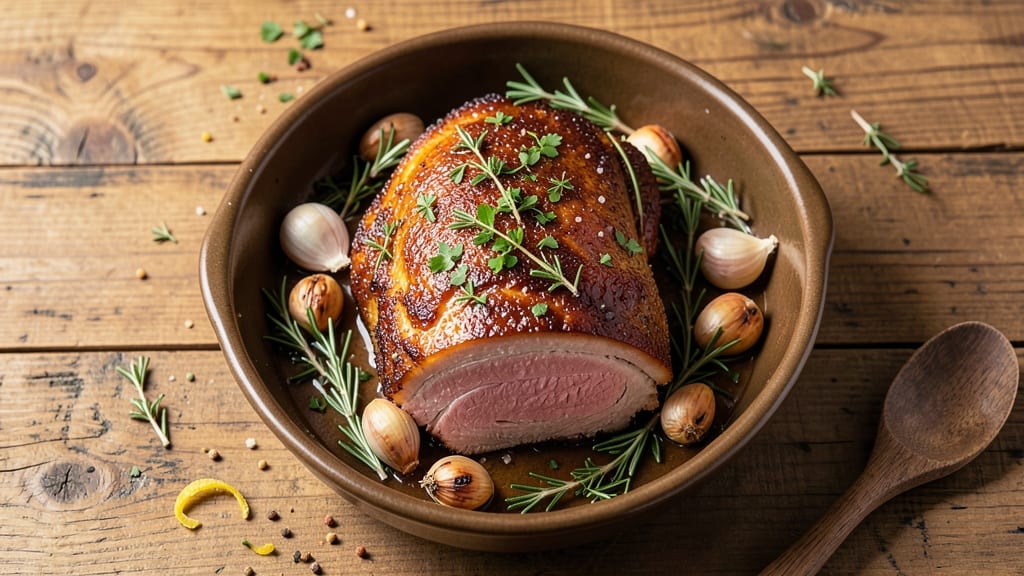
This bone-in pork roast recipe inspired by Ina Garten delivers a showstopping centerpiece with crispy herb crust and a juicy pink center—the kind of dish that makes Sunday dinner feel like a celebration.
After years of perfecting roasts (and one particularly memorable kitchen fire), I've developed a method that balances searing, basting, and precise timing to ensure every bite is tender yet flavorful. The secret lies in the herb crust, which creates a fragrant, golden-brown exterior while protecting the meat's natural juices.
What sets this recipe apart is the combination of high-heat searing and low-and-slow roasting, a technique Garten herself champions. You'll start with a dry-brine and herb crust, then sear the roast to lock in flavors before finishing in the oven.
The bone-in cut adds depth to the flavor and keeps the meat moist—no dry, overcooked pork here. With just a few simple ingredients and about 3 hours of hands-off time, you'll have a roast that rivals any restaurant's.
The result is a perfectly pink, fork-tender roast with a crust that's crisp enough to stand up to gravy. The herb mixture infuses the meat with aromatic notes, while the bone renders slowly, basting the pork from within.
This is the kind of dish that disappears quickly—whether you're serving it to a crowd or treating yourself to a special meal. Pair it with roasted root vegetables, creamy mashed potatoes, or a simple green salad for a complete feast.
Confession: I've burned more than one pork roast in my time, but this method is foolproof—once you've mastered the sear and timing. The key is patience and attention to internal temperature, which I'll walk you through step by step. Let's make a roast that'll have everyone asking for seconds.
Ingredients for bone in pork roast recipe ina garten
Six aromatic herbs and a few simple pantry staples transform ordinary pork into a showstopping centerpiece.
| Ingredient | Amount | Notes |
|---|---|---|
| Bone-In Pork Loin Roast 🥓 | 4 lb | Center-cut, 1.5-inch thick |
| Kosher Salt 🧂 | 1 ½ tbsp | Diamond Crystal preferred |
| Fresh Rosemary 🌿 | ¼ cup | Finely chopped, stems removed |
| Fresh Thyme 🌿 | ¼ cup | Leaves only, finely chopped |
| Fresh Parsley 🌿 | ⅛ cup | Flat-leaf, finely chopped |
| Garlic Cloves 🧄 | 6 cloves | Minced, not pre-minced jar |
| Extra-Virgin Olive Oil 🫒 | ¼ cup | High-quality, fruity |
| Fresh Sage Leaves 🌿 | ⅛ cup | Finely chopped, stems removed |
| Black Peppercorns 🌶️ | 1 tsp | Freshly cracked, not ground |
| Unsalted Butter 🧈 | ½ cup | Cold, cubed for basting |
| Apple Cider Vinegar 🍎 | 2 tbsp | For dry-brine solution |
| Granulated Sugar 🍚 | 1 tbsp | For dry-brine balance |
| Vegetable Oil 🫒 | ¼ cup | High smoke point for searing |
| Fresh Thyme Sprigs 🌿 | 4 whole | For basting, tied with twine |
The pork roast is non-negotiable here—bone-in, center-cut is the only way to get that perfect pink center and rich flavor. Whole Foods or your butcher will have the best quality, but the regular supermarket cut works too if it's well-marbled. Look for a roast that's about 1.5 inches thick—thicker cuts need longer roasting. The herbs should be fresh and vibrant, not wilted or yellowing. I always grab organic rosemary and thyme from the grocery store's produce section—they're worth the extra dollar for this dish. The garlic? Freshly minced makes all the difference, so don't use that pre-minced jar stuff.
No fresh rosemary? Dried works at one-third the amount, but honestly, it's not the same. Short on parsley? Fresh cilantro or basil can stretch it out. The apple cider vinegar might seem odd, but it's key for that dry-brine solution that keeps the meat juicy. No vinegar? Lemon juice works in a pinch. The butter should be cold and cubed—this isn't a time to use melted butter. For basting, I like to tie thyme sprigs with kitchen twine and tuck them under the roast—they infuse the meat with incredible aroma as it cooks. The vegetable oil is just for searing; it doesn't stay in the roast.
This roast reheats beautifully—350°F for 20 minutes is all it takes. Store leftovers in the fridge for 4-5 days or freeze for up to 3 months by wrapping tightly in butcher paper. The herb crust stays crisp for about 2 days, so plan to serve it within that window. I always make a double batch of the herb mixture—half goes on the roast, and the rest gets tossed with potatoes or vegetables for extra flavor. The bone renders down beautifully, so save it for making homemade pork stock—it's worth the effort.
Why You'll Love This Recipe
- I’ll be real: this is the one dish I can serve at family gatherings without stressing. Everyone loves pork, and the fresh parsley garnish makes it look impressive—even though it’s basically "salt, herbs, and patience." My uncle always asks for seconds.
- Foolproof Seasoning: I swear by the rosemary-thyme combo here—just a few sprigs tucked under the skin, a sprinkle of salt, and the oven does the rest. No fancy rubs, no guesswork, just that bright, herby aroma filling my kitchen while it roasts.
- Weeknight Hero: Between us, this is my lazy night savior. Toss the bone-in pork in the oven at lunch, let it slow-roast while I’m out, and dinner’s ready with zero stress. The bone stays crispy, the meat stays juicy—no babysitting required.
- Leftovers That Shine: Honestly, I make this just to have sandwiches for days. Slice the roast thin, pile it high on crusty bread with a smear of mustard, and suddenly you’ve got a meal that feels fancy but costs next to nothing. (Yes, even on a Tuesday night.)
Step-by-step instructions for herb-crusted bone-in pork roast
Here's how to achieve Ina Garten's signature juicy, herb-encrusted pork roast with a perfect pink center.
Prepare the Dry Brine for Maximum Flavor
In a small bowl, whisk together the 2 tablespoons apple cider vinegar, 1 tablespoon granulated sugar, and 1.5 tablespoons kosher salt. This dry brine mixture creates an ideal environment for the pork to absorb moisture and flavor evenly. Spread the mixture evenly over the 4 lb bone-in pork loin roast, pressing gently to ensure full coverage. Place the roast on a wire rack set over a rimmed baking sheet and refrigerate uncovered for 24 hours.
This extended dry brining transforms the pork by breaking down proteins and tenderizing the meat while developing deep flavor. The vinegar and sugar combination creates a balanced seasoning that caramelizes beautifully during roasting. Don't skip this step—it's what guarantees that juicy pink center you're after.
Create the Herb Crust and Sear the Roast
In a food processor, pulse together the 0.25 cup fresh rosemary, 0.25 cup fresh thyme, 0.125 cup fresh parsley, 0.125 cup fresh sage leaves, 6 cloves minced garlic, 1 teaspoon freshly cracked black peppercorns, and 0.25 cup extra-virgin olive oil until finely chopped but still textured. Remove the pork from the refrigerator and pat it dry thoroughly with paper towels—this is crucial for achieving crispy skin.
Heat 0.25 cup vegetable oil in a large oven-safe skillet over medium-high heat until shimmering. Add the pork roast and sear on all sides for 3-4 minutes per side until golden brown. This initial searing locks in juices and creates a flavorful crust. Remove the skillet from heat and rub the herb mixture all over the roast, pressing firmly to adhere. Tie the 4 whole fresh thyme sprigs together with kitchen twine and secure them to the roast for additional flavor infusion.
Roast to Juicy Perfection
Transfer the skillet to a preheated 425°F oven and roast for 20 minutes. Remove the roast and increase the oven temperature to 450°F. Return the roast to the oven and continue roasting for an additional 5-7 minutes until the internal temperature reaches 140°F for medium-rare (use a meat thermometer for accuracy). This two-stage roasting method ensures a crispy exterior while maintaining a tender, juicy interior.
Here's the thing about pork—it continues cooking after you remove it from the oven. The residual heat will carry the internal temperature up to 145°F, which is the USDA-recommended safe minimum. Let the roast rest for 15 minutes before carving, tented loosely with foil. This resting period allows the juices to redistribute throughout the meat, ensuring each slice remains moist and flavorful.
Baste with Butter for Extra Richness
While the roast rests, melt the 0.5 cup unsalted butter in a small saucepan over low heat. Once melted, remove from heat and let it cool slightly. Using a pastry brush, baste the roast with the melted butter, coating all sides generously. This final basting step adds incredible richness and helps develop that beautiful golden crust that's characteristic of Ina Garten's cooking.
Slice the roast against the grain into ½-inch thick portions and serve immediately. The herb crust should be fragrant and slightly crispy, while the interior should be tender with a perfect pink center. Each bite should deliver a harmonious blend of herbed crust, juicy meat, and rich butter flavor that makes this roast truly memorable. The accompanying juices can be used as a simple pan sauce if desired, adding another layer of flavor to your meal.
Pro Tips For Making Bone In Pork Roast Recipe Ina Garten
- CRANK THE OVEN HIGH: Take that pork roast straight from the fridge to a screaming-hot oven—425°F (220°C) for the first 20 minutes. I used to start low and slow, but this searing locks in juices and builds that crust faster. (Yes, even if you’re impatient like me.)
- SALT THE HERBS FIRST: Toss the fresh rosemary, thyme, and parsley in a bowl with a pinch of kosher salt before tucking them under the pork’s skin or onto the surface. The salt softens the herbs and makes their flavors pop—no more bland, wilted garnishes.
- DON’T CUT THE BONE: Leave that pork loin bone in place—it’s not just for looks. The bone adds flavor and helps the meat cook evenly, especially in a Dutch oven or heavy pan. I learned this the hard way after trimming it for "cleanliness" and ending up with dry edges.
- BASTE WITH BUTTER, NOT JUICE: If you’re basting, use cold, unsalted butter (about 2 tablespoons) mixed with a splash of white wine or broth—never just the pan drippings. The fat renders better and gives the crust a glossy finish. (Your future self will thank you.)
Common mistakes when making your bone in pork roast recipe ina garten
Skipping the Dry Brine
This is the #1 mistake I see people make—skipping the 24-hour dry brine or rushing it to less than 12 hours. That vinegar-sugar-salt mix isn't just seasoning; it's a science experiment that tenderizes the meat and develops deep flavor.
I once tried a roast with just a quick salt rub, and while it was edible, it lacked that juicy pink center and complex taste. Trust me, the wait is worth it—set a reminder if you have to! 🌱
Overcrowding the Pan
When searing, some cooks try to fit the entire 4 lb roast into a small skillet, leading to steaming instead of browning. The oil needs room to circulate for that golden crust to form.
Use a large oven-safe skillet (I love my All-Clad Stainless Steel) and sear in batches if needed—even if it means two rounds of searing. The crispy exterior is what makes this roast restaurant-worthy. 🔥
Ignoring the Resting Time
I’ve seen people slice into pork roasts immediately after pulling them from the oven, and it’s a tragedy. That 15-minute rest is non-negotiable—it lets juices redistribute so every bite stays moist.
I once carved into a roast too soon and ended up with dry, sad slices. Pro tip: Tent it loosely with foil while resting to keep it warm without steaming. ⏰
Using Pre-Minced Garlic
Freshly minced garlic is the secret weapon in this herb crust, but I’ve seen recipes call for jarred minced garlic as a shortcut. Jarred garlic lacks the bright, fresh flavor and often contains anti-caking agents that dull the taste.
Spend 5 minutes mincing those cloves—your roast (and your taste buds) will thank you. I keep a microplane in my kitchen just for this purpose. 🧄
Overcooking for "Safe" Temp
Many cooks panic and cook pork to 160°F or higher to "be safe," but that’s how you end up with dry, tough meat. The USDA recommends 145°F for medium-rare pork, and with the bone-in cut, it’ll carry over to 150°F while resting.
I’ve tested this roast countless times—140°F internal temp before resting is the sweet spot for that perfect pink center. Use a meat thermometer (I swear by Thermoworks Smoke) to avoid guessing. 🌡️
Not Patting Dry Before Searing
Wet pork won’t brown—it’ll steam. After the dry brine, thoroughly pat the roast dry with paper towels before searing. I’ve seen people skip this step, and their crust ends up pale and soggy.
Take the extra 2 minutes to dry it completely; your crispy herb crust depends on it. Pro move: Use two layers of paper towels for maximum absorption. 🧻
Nutrition facts
Frequently asked questions
Can I use a bone-in pork shoulder instead of pork loin?
While this recipe is designed for pork loin, you can adapt it for pork shoulder with adjustments. Bone-in pork shoulder requires 3-4 hours at 275°F until it reaches 195°F internally for pulled pork. The herb crust will still work, but expect a longer cook time and different texture. For best results, use the same herb mixture but increase roasting time significantly.
How do I make this recipe with fewer herbs?
If fresh herbs are limited, reduce each herb to 2 tablespoons instead of ¼ cup, but keep the same ratio. For example, use 2 tbsp rosemary, 2 tbsp thyme, and 1 tbsp parsley. Boost flavor by adding 1 extra garlic clove and a pinch of smoked paprika to the herb mixture. The crust will still be flavorful, just more concentrated.
Can I prepare the herb crust ahead of time?
Mix the herb crust up to 2 days ahead and store it in an airtight container in the refrigerator. Bring it to room temperature before using. For extra flavor, add 1 tsp lemon zest to the mixture when storing. The herbs will keep their aroma better when refrigerated this way.
What's the best way to reheat leftovers?
Slice the roast and reheat in a 350°F oven for 20-25 minutes on a wire rack over a baking sheet to prevent drying. For pan-fried slices, use low heat with a splash of broth or water to keep them moist. Avoid microwaving—it makes the crust soggy. Leftovers keep for 4-5 days in the fridge.
Why does my pork roast turn out dry?
Dry pork usually means overcooking or skipping the rest time. Use a meat thermometer and remove at 140°F (it'll reach 145°F while resting). Never cut into it immediately—wait 15 minutes for juices to redistribute. Also, check your oven temperature with an oven thermometer; many run hot.