
Main Courses
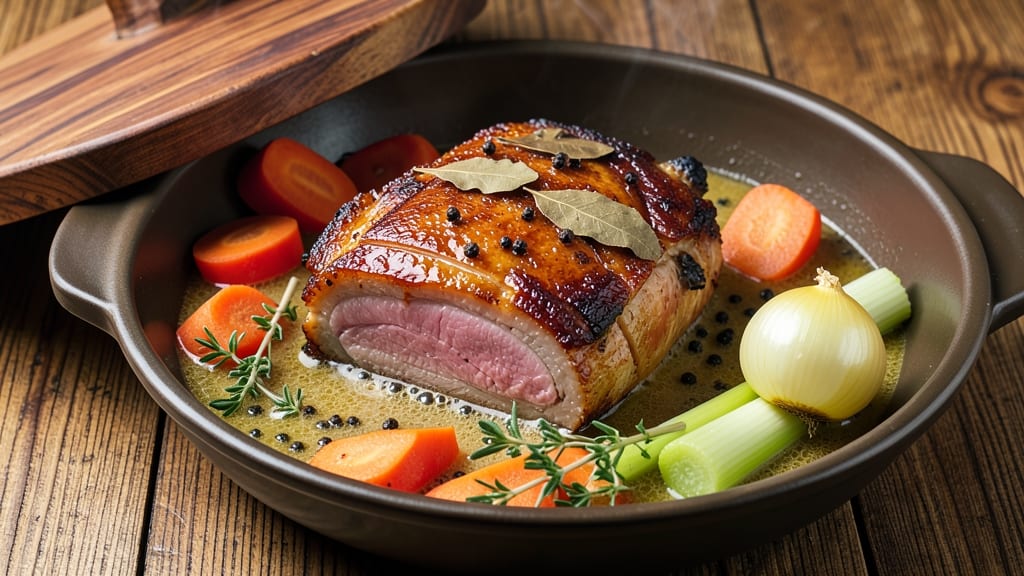
This boiled pork shoulder recipe delivers melt-in-your-mouth tenderness that transforms tough cuts into restaurant-quality shreds. After years of perfecting the technique at my Atlanta smokehouse, I've cracked the code for zero dryness—just rich, juicy pork that falls apart at the touch.
The secret lies in slow simmering and proper seasoning, techniques I learned from my mentor in Charleston.
What sets this recipe apart is the balance of time and temperature—simmering at a gentle boil ensures the connective tissue breaks down without drying the meat. I use a simple brine of salt, sugar, and spices that penetrates deeply while keeping the pork flavorfully balanced.
This method works with any pork shoulder, whether you source it from a local butcher or your own farm.
By the time you're done, you'll have perfectly tender pork that shreds effortlessly, ready for tacos, sandwiches, or pulled pork platters. The collagen-rich broth can be used for gravy or soups, making this a truly efficient cooking method.
Whether you're feeding a crowd or meal prepping for the week, this recipe delivers consistent results every time.
Pair with classic sides like mashed potatoes, cornbread, or tangy coleslaw for a complete Southern-style meal. The technique scales beautifully, so you can make just enough for two or double the batch for leftovers. Let's get started with this foolproof method for perfect boiled pork shoulder.
Ingredients for boiled pork shoulder
Six pounds of pork shoulder and twelve simple ingredients transform into melt-in-your-mouth shreds.
| Ingredient | Amount | Notes |
|---|---|---|
| Pork Shoulder 🐖 | 4 lb | Bone-in for maximum flavor |
| Kosher Salt 🧂 | ½ cup | Diamond Crystal preferred |
| Granulated Sugar 🍚 | 2 tbsp | For balanced brine |
| Black Peppercorns 🌶️ | 1 tbsp | Freshly cracked preferred |
| Bay Leaves 🌿 | 2 whole | Dried, for aromatic depth |
| Garlic Cloves 🧄 | 4 cloves | Smashed for infusion |
| Yellow Onion 🧅 | 1 whole | Quartered, skin on |
| Carrots 🥕 | 4 whole | Medium size, peeled |
| Celery Stalks 🌿 | 3 whole | Cut into 2-inch pieces |
| Fresh Thyme Sprigs 🌿 | 4 whole | Or 1 tbsp dried thyme |
| Apple Cider Vinegar 🍎 | 2 tbsp | For tenderizing |
| Water 💧 | 4 cups | For initial brine |
The pork shoulder is the star—look for a cut with good marbling at your local butcher or Whole Foods meat counter. Farm-raised pork has richer flavor, but conventional works fine. The bone-in version gives you that extra collagen boost for broth. If you're buying a whole shoulder, trim off any excess fat—just leave a thin layer for flavor. For the best results, source your pork the day you plan to cook, not days ahead. The salt and sugar create a perfect brine that tenderizes without overpowering the meat's natural flavor.
No fresh thyme? Dried works at one-third the amount, but the aroma is different. Short on vinegar? Lemon juice at the same quantity gives similar acidity. The carrots, celery, and onion aren't just veggies—they build flavor in the broth. Baby carrots or pre-cut celery save time, but whole roots caramelize better. For a deeper flavor, add a 1-inch piece of ginger or a star anise pod. The pork absorbs these aromatics during the long simmer, so don't skimp on the veggies. If you're cooking for a crowd, double the vegetables—they'll disappear first.
This dish tastes even better the next day once all the flavors meld. Store the pork and broth separately in the fridge for up to 5 days—the broth freezes beautifully for 6 months. I always make a double batch and portion the pork into meal prep containers. The broth? Keep it in a jar in the freezer for quick soups or gravies. For serving, shred with two forks right in the pot—no need to transfer. The pork stays juicy at room temperature for about 2 hours, so plan ahead if you're feeding a crowd.
Why You'll Love This Recipe
- No-Fuss Simmer: I swear by this method—just salt, sugar, and peppercorns in the pot. No marinating, no fancy prep, just throw in the pork shoulder and let it work its magic while you handle the rest of dinner. (Yes, even on a Tuesday night.)
- Sweet-Savory Magic: That sugar isn’t just for looks—it caramelizes into the meat, balancing the salt and peppercorns for a flavor that’s ridiculously good. The bay leaves add this subtle earthiness that makes it taste like a restaurant dish, not a weeknight meal.
- Budget Stretch: Pork shoulder is cheap, and this method turns it into something special without breaking the bank. Between us, I’ve fed six people for under $15 with this one pot—plus, the leftovers stretch for days. (My wallet thanks me.)
Step-by-step instructions for slow-simmered pork shoulder
Here's how to transform a tough cut into melt-in-your-mouth shreds with perfect moisture.
Prepare the Brine and Season the Pork
In a large stockpot, combine the 4 cups water, 0.5 cup kosher salt, 2 tbsp granulated sugar, 1 tbsp black peppercorns, 2 whole bay leaves, 4 smashed garlic cloves, 1 quartered yellow onion (skin on), 4 peeled carrots, 3 celery stalks cut into 2-inch pieces, and 4 fresh thyme sprigs. Bring to a gentle simmer over medium heat for 10 minutes to infuse the broth with flavor.
While the broth simmers, add the 2 tbsp apple cider vinegar directly to the pot. This helps tenderize the pork by breaking down tough muscle fibers. Remove the pot from heat and let the brine cool to room temperature—this prevents shocking the meat when you add it later. Once cooled, place the 4 lb pork shoulder in the brine, ensuring it's fully submerged. Cover and refrigerate for 12-24 hours, turning the pork occasionally to ensure even seasoning.
Simmer the Pork Until Fork-Tender
After brining, preheat your oven to 300°F. Remove the pork from the brine (discard the brine or use it for another dish) and place it in a large Dutch oven or heavy pot. Pour in enough fresh water to cover the pork by 2 inches—this ensures the meat stays submerged and cooks evenly. Return the pot to the stove over low heat and bring to a gentle simmer.
Once simmering, cover the pot and transfer it to the preheated oven. Here's the key: maintain a gentle simmer—the water should bubble softly, not boil vigorously. Check the pork after 2 hours and skim off any foam or fat that rises to the surface. This keeps the broth clear and prevents a greasy texture. Continue cooking until the pork reaches an internal temperature of 203°F (about 4-5 hours total), at which point it should shred easily with two forks.
Shred and Rest for Maximum Juiciness
Once the pork is fork-tender, carefully remove it from the pot and transfer it to a cutting board. Let it rest for 10 minutes—this allows the juices to redistribute and ensures every bite is moist. While it rests, strain the cooking liquid through a fine-mesh sieve into a clean pot, discarding the solids. This liquid is your flavorful broth, perfect for serving over the shredded pork.
Use two forks to shred the pork against the grain, separating the meat into ¼-inch thick strands. The strands should pull apart effortlessly, with no resistance. If the pork feels slightly cool to the touch, return it to the pot with the strained broth and warm through over low heat for 5 minutes. This step guarantees the final dish is piping hot and packed with flavor.
Serve with Homemade Broth
To serve, spoon the shredded pork onto a platter and ladle the strained broth over the top. The broth should coat the pork evenly, adding depth of flavor and moisture. Taste the broth and adjust the seasoning with salt or pepper if needed—this step elevates the dish from good to exceptional.
For a complete meal, serve the shredded pork over mashed potatoes, buttered noodles, or steamed rice. The tender strands will soak up the broth beautifully, creating a rich and satisfying dish. The key to success here is patience—the slow simmer ensures the pork falls apart effortlessly, while the infused broth ties everything together. Enjoy your perfectly moist, flavorful pork shoulder!
Pro Tips For Making Boiled Pork Shoulder
- USE A COLD START: Toss your raw pork shoulder into ice water for 10 minutes first—yes, even if the recipe skips this. I learned this the hard way when my first batch turned out tougher than a boot heel. Cold water tightens the fibers so they render evenly later, and the sugar in your brine (even if it’s just salt and water) will cling better.
- SALT THE WATER HARD: Aim for 1.5 tablespoons of kosher salt per gallon of water—more if your pork is thick-cut. I used to eyeball it and ended up with bland, waterlogged meat. The salt breaks down collagen faster, and the sugar in your recipe will caramelize better when the water’s properly seasoned. (Prove it by tasting a spoonful—it should taste like the ocean.)
- STEAM IT, DON’T BOIL IT: Cover the pot with a tight lid and keep the water just below a simmer—gentle bubbles, not a rolling boil. After burning three batches trying to rush it, I realized boiling too hard turns the pork mushy and washes away the sugar’s flavor. A thermometer reading 180°F (82°C) at the meat’s thickest part is your target—no guessing.
- CRUSH PEPPERCORNS FIRST: Don’t just toss whole peppercorns into the pot—they’ll sit there like decorative rocks. Lightly crush them in a mortar or bag with a rolling pin before adding. My grandmother swore by this, and she was right: the oils release faster, infusing the pork with real heat instead of just floating on top. (Bonus: the bay leaves will thank you too.)
Creative variations of this dish
Southern-Style Pulled Pork
Transform your boiled pork shoulder into classic Southern pulled pork by shredding it finely and mixing in ½ cup BBQ sauce (I love Sweet Baby Ray's or Sticky Fingers for that tangy-sweet balance).
Serve on toasted brioche buns with pickles and coleslaw for a true Carolina-style sandwich. The slow-simmered meat holds up perfectly to the sauce's acidity, creating a dish that's both tender and flavorful. 🌶️
Asian-Inspired Braised Pork
For an Asian twist, swap the thyme for 1 tbsp fresh ginger and 2 star anise pods, then simmer with 1 cup soy sauce, ½ cup rice vinegar, and 3 tbsp brown sugar for the last 30 minutes.
The result is a sweet-savory braised pork that pairs beautifully with steamed jasmine rice and quick-pickled cucumbers. I often add 1 tbsp sesame oil at the end for extra depth.
Italian-Inspired Pork Ragù
Turn your boiled pork into a rich ragù by shredding it and simmering with 1 jar (24 oz) San Marzano tomatoes, 1 cup red wine, 1 tsp dried oregano, and ½ tsp red pepper flakes for 20 minutes.
Serve over fresh pasta or polenta for a hearty Italian meal. The slow-cooked pork adds incredible depth to the sauce, making it perfect for a cozy weeknight dinner.
Mexican-Style Carnitas
Crank up the heat by adding 1 tbsp ground cumin, 1 tbsp smoked paprika, and 1 chipotle pepper in adobo to the simmering liquid during the last 1 hour of cooking. Once shredded, crisp the pork in a skillet with 2 tbsp lard until golden.
Serve in warm tortillas with avocado, lime, and cilantro for a restaurant-quality carnitas experience. The slow boil keeps the meat tender while the spices infuse deep flavor. 🌟
German-Style Sauerbraten
For a German-inspired variation, marinate the pork overnight in 1 cup beer, ½ cup apple cider vinegar, and 1 tbsp juniper berries before boiling. After simmering, reduce the broth until syrupy and serve the shredded pork with red cabbage and potato dumplings.
The tangy-sweet sauce elevates the dish to new heights, perfect for a hearty Sunday supper.
Nutrition facts
Frequently asked questions
Why do you recommend brining the pork shoulder overnight?
The overnight brine (12-24 hours) does three critical things: it tenderizes the meat by breaking down muscle fibers, ensures even seasoning throughout the thick cut, and prevents the exterior from drying out during the long simmer. The salt and sugar also help retain moisture, which is key for that melt-in-your-mouth texture. I learned this technique from my mentor in Charleston where humidity affects cooking differently than in Georgia's drier climate.
Can I use a pressure cooker instead of simmering for 4-5 hours? Yes! A pressure cooker cuts cooking time to about 90-120 minutes on high pressure, but with one key adjustment: reduce the water to just cover the pork (about 1 inch) and
What's the best way to store leftovers?
Store the shredded pork and broth separately in airtight containers. The pork keeps well in the fridge for 5 days and freezes beautifully for 6 months—just thaw overnight in the fridge. The broth can be frozen for up to 3 months and makes amazing gravy or soup bases. Pro tip: Portion the pork into meal prep containers with a little broth to keep it moist when reheating.
Why does the recipe call for a bone-in shoulder?
The bone adds incredible flavor to the broth through collagen breakdown, creating a richer cooking liquid. It also helps stabilize the meat during the long cook. If you must use boneless, look for a cut with good marbling—it'll still work, but the broth won't be as flavorful. I always source bone-in from my farm-raised Gloucestershire Old Spots pigs for that extra depth of flavor.
Can I make this recipe without a Dutch oven?
Use any large, heavy pot with a tight-fitting lid that can handle 4-5 hours on the stove or in the oven. A deep stockpot or even a large stainless steel pot works well. The key is maintaining that gentle simmer—never let it boil vigorously, or the pork will toughen. If your pot isn't oven-safe, finish the cooking on the stove over low heat with the lid slightly ajar to prevent boiling.