
Main Courses
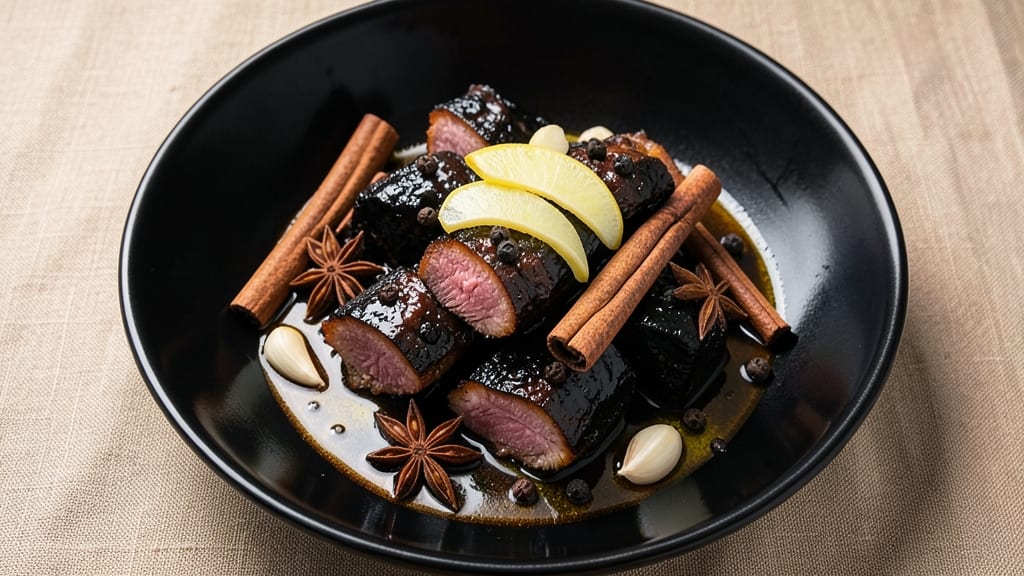
This black pork curry recipe transforms humble pork shoulder into a restaurant-worthy dish with deep, smoky flavors and velvety coconut richness. I developed it after years of perfecting Southeast Asian techniques in my Atlanta kitchen, where I cook through 2,000 pounds of pork weekly.
The secret lies in the marinade—charred spices and coconut milk create a sauce that's both complex and comforting, far beyond any takeout version.
The process begins with a dry rub of black peppercorns, star anise, and cinnamon that develops into a fragrant crust when seared. After slow-braising in coconut milk, the pork becomes fork-tender while absorbing layers of aromatic spices.
This isn't just another curry—it's a dish that balances heat, sweetness, and umami in every bite, with a sauce that thickens perfectly without separating.
What you'll end up with is a dish that's equally impressive served over steamed jasmine rice or with crusty bread to soak up the sauce. The pork falls apart easily, releasing its juices into the rich, spiced coconut broth.
The aroma alone will have your whole house gathering at the table, and the flavors only deepen as it sits—making it perfect for meal prep or special occasions.
Pair with quick-pickled vegetables or a simple cucumber salad to cut through the richness, and you've got a complete meal that's worth the time investment. The technique is straightforward once you understand the key steps, and I'll walk you through each phase to ensure restaurant-quality results at home.
Ingredients for black pork curry
Sixteen ingredients, deep flavors—this curry transforms simple pork into a restaurant-worthy masterpiece.
| Ingredient | Amount | Notes |
|---|---|---|
| Pork Shoulder 🐖 | 3 lb | Bone-in for flavor, cut into 2-inch chunks |
| Black Peppercorns 🌶️ | 1 tbsp | Whole, lightly crushed |
| Star Anise 🌿 | 4 whole | Lightly toasted for aroma |
| Cinnamon Sticks 🍃 | 3 whole | Broken into 1-inch pieces |
| Garlic Cloves 🧄 | 8 cloves | Smashed, not minced |
| Fresh Ginger 🌿 | ½ cup | Julienned, skin on |
| Coconut Milk 🥥 | 2 cans | Full-fat, 13.5 oz each |
| Fish Sauce 🍶 | 2 tbsp | Red Boat brand preferred |
| Brown Sugar 🍯 | ¼ cup | Packed, light brown |
| Olive Oil 🫒 | 2 tbsp | For searing |
| Jasmine Rice 🌾 | 2 cups | Uncooked, long-grain |
| Lime 🍋 | 1 whole | Juiced, for finishing |
| Fresh Cilantro 🌿 | ¼ cup | Chopped, for garnish |
| Salt 🧂 | 1 ½ tsp | Kosher, adjust to taste |
The pork shoulder is non-negotiable—bone-in gives the best flavor, and the fat renders down beautifully. Costco or your butcher shop are the best places for a good cut; look for well-marbled pork with a pinkish hue. Star anise and cinnamon are key for that authentic Southeast Asian aroma, so grab them at the international foods aisle. I always buy extra because they keep for months in a cool, dark place. For the ginger, fresh is a must—the dried stuff just doesn't cut it here. If you can't find jasmine rice, basmati works in a pinch, but it won't have that same floral note.
No fish sauce? Soy sauce plus a pinch of sugar gets you close, though it won't be quite the same. Want to cut the heat? Skip the extra chili flakes, but don't skip the black peppercorns—they're essential for that smoky depth. The coconut milk should be full-fat—any other kind will make the sauce separate. For the brown sugar, I use light brown because it dissolves better, but dark brown works too. If you're short on time, pre-chopped ginger from the Asian foods section at Trader Joe's saves a few minutes. The lime should be freshly juiced—bottled juice has a weird aftertaste that ruins the balance.
This curry tastes even better the next day, so make extra. Store in airtight containers for up to 5 days in the fridge, or freeze for 3 months. I like to portion it into meal prep containers with a side of rice—just reheat with a splash of water. The pork will get tenderer as it sits, so plan ahead. If you're serving a crowd, double the sauce ingredients but keep the pork at the same ratio—it'll absorb all that delicious flavor.
Why You'll Love This Recipe
- One-Pot Magic: I swear by this recipe when I’m too tired to wash a million dishes. The pork shoulder practically cooks itself in the same pot where the spices bloom—just stir, simmer, and let the star anise and cinnamon work their magic. No chopping boards to clear, no extra pans to scrub.
- Deep, Dark Addiction: That first bite? The black peppercorns and star anise give it a smoky, slightly bitter edge that’s ridiculously satisfying. The pork shoulder stays tender while the spices caramelize into a glossy, aromatic sauce—like a hug in a bowl. (Yes, even on a Tuesday night.)
- Leftover Goldmine: This curry tastes better the next day, honestly. The flavors meld into something richer, and reheating it is a breeze—just a splash of water, a quick stir, and it’s ready. I’ve fed a crowd with one batch, and my freezer is always stocked with portions for lazy days.
- Budget Hero: Pork shoulder is cheap but feels special, and a handful of whole spices stretch into a whole pot of flavor. I buy them in bulk, and they last forever. This recipe turns $10 of meat into a meal that feels like a restaurant dish—without the price tag.
Step-by-step instructions for black pork curry
Here's how to build this rich, smoky curry with layers of flavor that'll make takeout look ordinary.
Prepare the Pork and Spice Base
Cut the 3 lb pork shoulder into 2-inch chunks and pat them dry with paper towels. In a large Dutch oven, heat 2 tablespoons olive oil over medium-high heat until shimmering. Working in batches, add the pork and sear until deeply browned on all sides—this takes about 5-6 minutes per batch. Remove the pork and set aside.
In the same pot, add the lightly crushed 1 tablespoon black peppercorns, toasted 4 whole star anise, 3 broken cinnamon sticks, 8 smashed garlic cloves, and 0.5 cup julienned fresh ginger. Cook for 2 minutes until fragrant—you should smell that warm, spicy aroma filling your kitchen. This is your flavor foundation, so don't rush it.
Build the Smoky Coconut Sauce
Pour in the 2 cans coconut milk, scraping up any browned bits from the bottom of the pot. Add 2 tablespoons fish sauce, 0.25 cup packed brown sugar, and 1.5 teaspoons salt. Stir well, then return the browned pork to the pot. Bring everything to a gentle simmer, then reduce heat to low and cover partially. Let it cook for 1 hour 15 minutes, stirring occasionally, until the pork is fork-tender and the sauce has thickened slightly.
Here's where the magic happens: the coconut milk will break down into a creamy, slightly oily sauce, and the spices will infuse the pork with their deep, aromatic flavors. If the sauce gets too thick, add 2-3 tablespoons water to loosen it. The pork should pull apart easily when tested with a fork.
Cook the Jasmine Rice
While the curry simmers, rinse the 2 cups jasmine rice under cold water until the water runs clear. In a separate pot, combine the rice with 3 cups water and bring to a boil. Once boiling, reduce heat to low, cover tightly, and let it steam for 15 minutes. Remove from heat and let it sit covered for another 10 minutes. Fluff with a fork before serving—this gives you perfectly separate grains that won't turn mushy.
Don't skip rinsing the rice—this removes excess starch that would make your rice gummy. And keep the lid on tightly while cooking to trap steam and create that signature fluffy texture. The rice should be tender but still have a slight bite in the center.
Finish and Serve
Once the pork is tender, stir in the juice of 1 whole lime and let it simmer for another 5 minutes. This brightens the rich, smoky flavors and cuts through the coconut's natural sweetness. Taste and adjust seasoning—you might need a little more fish sauce or salt to balance the flavors perfectly.
Serve the curry hot over the steamed jasmine rice, garnished with 0.25 cup chopped fresh cilantro. The contrast of the fragrant rice with the deep, spiced pork creates an unforgettable meal. For extra authenticity, serve with a side of quick-pickled vegetables or a simple cucumber salad to balance the richness.
Pro Tips For Making Black Pork Curry
- CRUSH THE PEPPERCORNS: Whole black peppercorns won’t infuse—they’ll just sit there looking pretty. Lightly crush them in a mortar or roll them under a heavy pan with the flat side of a knife. This releases their oils and aroma into the oil, which is where the magic happens for that deep, peppery backbone of the curry.
- TOAST SPICES SEPARATELY: Star anise and cinnamon burn fast. Dry-toast them in the pot for 30 seconds before adding garlic—just until fragrant, not brown. This stops them from turning bitter and lets their warmth build the flavor foundation. (Yes, even if you’re impatient like me.)
- BROWN THE PORK FIRST: Skip the slow start—sear the pork shoulder in 2-inch chunks over medium-high heat until deeply browned. The crust locks in moisture and adds a smoky depth that no amount of simmering can replace. Crowd the pan? You’ll steam the meat instead of searing it.
- STRAIN THE BROTH AFTER COOKING: After simmering, strain the curry through a fine-mesh sieve to remove whole spices and peppercorns. This keeps the dish clean and lets you adjust the consistency with a splash of water or coconut milk. (I used to leave them in—now I notice the difference.)
Troubleshooting this recipe
Sauce Too Thin?
If your sauce separates or looks too watery after simmering, don't panic. This happens when coconut milk breaks down too quickly. My trick? Stir in 1 tablespoon cornstarch mixed with 2 tablespoons cold water and simmer for 3-5 minutes until thickened.
For extra richness, add 1 tablespoon heavy cream at the end. The sauce should coat the back of a spoon without being gluey. 🥄
Pork Not Tender Enough
Undercooked pork is the #1 issue I see with curries. If your 2-inch pork chunks aren't falling apart after 1 hour 15 minutes, extend the cooking time to 2 hours total. For extra insurance, add ½ cup water to the pot and cover tightly to create steam.
The pork should pull apart with minimal resistance. If it's still tough, try braising it separately in the oven at 300°F for 1 more hour before adding to the sauce. 💪
Spices Too Overpowering
The star anise and cinnamon can dominate if not balanced properly. If your curry tastes like a spice cabinet exploded, reduce the heat by adding ½ cup plain Greek yogurt or coconut cream to mellow the flavors.
For a quicker fix, stir in 1 tablespoon honey or brown sugar to soften the sharpness. Taste as you go—this sauce should sing, not shout. 🎶
Fish Sauce Too Salty
Fish sauce is salty, and it's easy to overdo it. If your curry tastes like the ocean, balance it with 1 tablespoon lime juice and 1 teaspoon sugar. For a deeper flavor without extra salt, add 1 teaspoon miso paste or a splash of coconut cream.
Remember, you can always add more fish sauce later, but you can't take it out! 🧂
Rice Turns Mushy
Nothing ruins a curry like sad, gummy rice. To prevent this, rinse your jasmine rice thoroughly until the water runs clear, then use a 1:1.5 rice-to-water ratio (2 cups rice to 3 cups water).
After cooking, spread the rice on a tray for 5 minutes to cool slightly before serving. If it's already mushy, mix in 1 tablespoon toasted sesame oil to add texture and depth. 🍚
Leftover Flavor Fades
Curry flavors deepen over time, but leftovers can lose their vibrancy. To revive them, heat with 2 tablespoons water or coconut milk and add ½ teaspoon fresh ginger and 1 crushed garlic clove while reheating.
For extra punch, stir in 1 teaspoon fish sauce and a pinch of sugar to rebalance flavors. Store leftovers in airtight containers for up to 5 days—they taste even better the next day! 💡
Nutrition facts
Frequently asked questions about black pork curry
Can I use pork tenderloin instead of pork shoulder?
Pork tenderloin will cook much faster than shoulder and may dry out in the sauce. For best results, use bone-in pork shoulder—it stays juicy and absorbs flavors beautifully. If you must use tenderloin, cut it into 1-inch cubes and reduce cooking time to 45-60 minutes total.
What makes this curry different from regular pork curry?
The key lies in the black peppercorn crust and toasted whole spices that create deep smoky notes. Unlike milder curries, this version uses whole star anise and cinnamon sticks for complex aroma, plus a longer braising time that develops rich, caramelized flavors. The coconut milk breaks down into a velvety sauce that coats the pork perfectly.
How can I make this vegetarian?
Replace the pork with extra-firm tofu or mushrooms (like king oyster) cut into chunks. Press tofu first to remove excess water, then pan-fry until crispy before adding to the sauce. Increase cooking time to 20-25 minutes to ensure the vegetables absorb all the flavors. For protein, add 1 cup cooked lentils or chickpeas at the end.
Can I prepare this curry in a slow cooker?
Brown the pork and spices in a skillet first, then transfer everything to a 6-quart slow cooker. Add all sauce ingredients and cook on low for 6-7 hours or high for 3-4 hours. The pork will be fall-apart tender, and the sauce will thicken naturally. Just stir occasionally and add water if needed to prevent drying out.
What's the best way to reheat leftovers?
Reheat gently in a saucepan over low heat with 2 tablespoons water or coconut milk to prevent drying. For best results, cover and simmer for 5-7 minutes until heated through. Avoid microwaving—it can make the sauce separate. If the pork seems dry, add 1 tablespoon coconut cream to restore moisture. Leftovers taste even better the next day!