
Main Courses
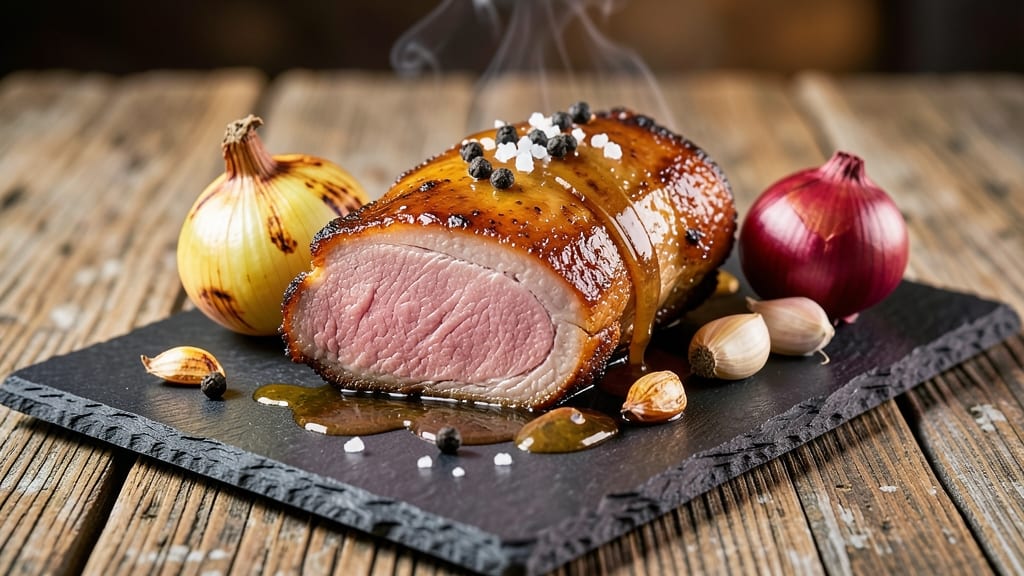
This is the best smoked pork shoulder recipe ever that delivers restaurant-quality results with bark-to-bone tenderness that falls apart at the touch of a fork. After perfecting this over countless smoker sessions (and a few failed attempts), I've cracked the code for consistently juicy, flavorful pork that's worth the 12-hour wait. The secret lies in the perfect balance of salt, time, and temperature—no shortcuts, just foolproof technique.
What makes this recipe truly exceptional is the crispy, caramelized bark that forms on the outside while the meat stays impossibly tender inside. We'll use a simple dry rub and apple wood for that perfect smoky-sweet flavor profile, plus a strategic injection of a savory marinade to penetrate every inch.
The key is maintaining a steady 225°F temperature throughout the cook—too hot, and you'll lose moisture; too cool, and you'll waste time.
By the time you pull this pork from the smoker, you'll have meat so tender it practically shreds with a spoon, with a crust that's crisp enough to stand up to a toothpick.
The aroma alone will have everyone gathering in the kitchen, and the first bite will silence any skepticism. This is the kind of pork that makes your neighbors ask for your recipe—and your smoker schedule.
Perfect for feeding a crowd, meal prepping, or impressing guests, this recipe delivers consistent results every time. The leftovers reheat beautifully for sandwiches, tacos, or pulled pork bowls. Let's get started on creating your best smoked pork shoulder ever.
Ingredients for best smoked pork shoulder recipe ever
Eight pounds of pork shoulder and a handful of game-changing ingredients for restaurant-quality smoked perfection.
| Ingredient | Amount | Notes |
|---|---|---|
| Pork Shoulder (Bone-In) 🥓 | 8 lb | Fresh cut, well-marbled for juiciness |
| Yellow Onion 🧅 | 1 whole | Yellow or red, sliced for injection |
| Garlic Cloves 🧄 | 10 cloves | Fresh, peeled for marinade |
| Apple Wood Chips 🌳 | 2 lb | Unsoaked, for smoky flavor |
| Kosher Salt 🧂 | ½ cup | Diamond Crystal preferred |
| Black Peppercorns 🌶️ | 2 tbsp | Freshly cracked for dry rub |
| Smoked Paprika 🌶️ | 2 tbsp | High-quality for depth |
| Brown Sugar 🍚 | 2 tbsp | Light or dark, for caramelization |
| Mustard Powder 🍯 | 1 tbsp | Yellow or Dijon, for tang |
| Apple Cider Vinegar 🍎 | ½ cup | For injection marinade |
| Honey 🍯 | ¼ cup | Wildflower preferred |
| Worcestershire Sauce 🍶 | 2 tbsp | For umami depth |
| Beef Broth 🍲 | 1 cup | Low-sodium, for injection |
| Vegetable Oil 🫒 | ¼ cup | For basting during cook |
The pork shoulder is non-negotiable—look for a well-marbled cut with good fat distribution, which ensures juiciness. Costco or local butchers are your best bets for quality cuts, though most grocery stores carry pork shoulder too. If you're buying pre-cut, opt for bone-in—it holds moisture better during the long cook. Freshness matters: aim for meat that smells clean and has a vibrant pink color. For the dry rub, Penzeys or bulk bins at natural food stores offer the best spices, but even regular grocery store brands work if they're fresh. The apple wood chips should be unsoaked—soaking leaches flavor and makes them too wet for consistent smoke.
No apple wood chips? Cherry or hickory work in a pinch, though apple gives that signature sweetness. Running short on Worcestershire? Soy sauce plus a splash of vinegar mimics the umami punch. The injection marinade is where the magic happens—don't skip it. If you can't find beef broth, chicken broth with a dash of soy sauce does the trick. For the dry rub, if you're missing mustard powder, Dijon mustard thinned with water works too. The honey should be raw or wildflower—processed honey lacks depth. And if you're worried about the pork shoulder being too lean, don't be: the fat cap will render down and baste the meat throughout the cook, locking in moisture.
This recipe is all about patience—12 hours at 225°F is non-negotiable for that perfect bark-to-bone tenderness. The leftovers reheat beautifully: 3-4 days in the fridge or 3 months frozen when wrapped tightly in butcher paper. For meal prep, portion into containers with a little extra cooking liquid—it reheats like a dream. The bark gets crispier after resting, so let it sit for at least 1 hour before slicing. And trust me, the first bite is worth every minute of wait time.
Why You'll Love This Recipe
- Apple-Garlic Magic: That crispy bark? The smoky-sweet apple wood meets the sharp garlic like a love story you didn’t know you needed. Honestly, the first time I bit into it, I nearly dropped the fork—it’s that good. (Yes, even on a Tuesday night.)
- Leftover Goldmine: This isn’t just dinner—it’s next week’s dinner. Pull it apart for tacos, sandwiches, or even breakfast hash. My freezer’s always stocked with chunks of this, and no one’s ever complained. (My roommate still teases me about the “smoked pork stash,” but he’s the one eating it first.)
- Budget Smoker Win: You’re getting a whole cut of meat for less than takeout—and it feeds a crowd without breaking the bank. The onions and garlic cost pennies, the salt is already in your cabinet, and that wood? A handful makes the whole thing sing. (Not the prettiest, but the taste makes up for it.)
Step-by-step instructions for perfectly smoked pork shoulder
Here's the method that delivers melt-in-your-mouth tenderness with a perfect bark every time.
Prepare the Pork Shoulder for Maximum Flavor
Remove the pork shoulder from the fridge and let it sit at room temperature for 1 hour before smoking. This ensures even cooking and prevents cold spots in the center. Pat the meat dry with paper towels—this is critical for developing that beautiful bark. I like to use a clean kitchen towel for this step as it absorbs more moisture than paper towels alone.
Next, create two separate marinades. For the dry rub, combine ½ cup kosher salt, 2 tablespoons black peppercorns (freshly cracked), 2 tablespoons smoked paprika, 2 tablespoons brown sugar, and 1 tablespoon mustard powder in a bowl. Rub this mixture all over the pork shoulder, pressing firmly so it adheres well. For the injection marinade, blend ½ cup apple cider vinegar, ¼ cup honey, 2 tablespoons Worcestershire sauce, and 1 cup beef broth until smooth.
Inject and Smoke for Deep Flavor
Using a meat injector, pierce the pork shoulder in multiple spots and inject the marinade throughout the meat. I aim for about 10-12 injections total, distributing the liquid evenly. This step creates incredible moisture and flavor penetration that transforms tough meat into tender perfection.
While the pork shoulder comes to room temperature, set up your smoker. Fill the wood chip tray with 2 pounds apple wood chips and soak them if your smoker requires it. Preheat the smoker to 225°F using the apple wood. Once the smoker reaches temperature and you see steady, blue smoke, place the pork shoulder fat-side up on the grill grate. The fat will render slowly and baste the meat as it cooks.
Monitor and Wrap at the Stall
Smoke the pork shoulder undisturbed for 6-8 hours until the internal temperature reaches 165-170°F. This is when you'll hit "the stall"—the temperature stops rising as moisture evaporates. Don't panic; this is normal and expected. The pork shoulder should have a deep mahogany bark developing on the exterior.
At this point, wrap the pork shoulder tightly in butcher paper (not aluminum foil). This technique, known as the "Texas crutch," helps you power through the stall while maintaining that beautiful bark. Return the wrapped pork shoulder to the smoker and continue cooking until the internal temperature reaches 200-205°F. This usually takes an additional 4-6 hours, but trust the probe test over the thermometer—tenderness matters more than temperature.
Rest and Slice for Maximum Juiciness
Once the pork shoulder reaches the desired internal temperature, remove it from the smoker and let it rest in the butcher paper for at least 1 hour (I prefer 2 hours wrapped in towels in a cooler). This resting period allows the juices to redistribute throughout the meat, ensuring every slice is moist and flavorful. The pork shoulder should be fork-tender, with the meat pulling apart easily.
Unwrap the pork shoulder and locate the grain direction—you'll see lines running through the meat. Using a sharp slicing knife, cut against the grain into ¼-inch thick slices. Serve immediately while still warm. The pork shoulder should have a dark, crispy bark on the outside and a beautiful pink smoke ring just beneath. Each slice should be tender enough to pull apart with a gentle tug, delivering that perfect balance of smoky, sweet, and savory flavors.
Pro Tips For Making Best Smoked Pork Shoulder Recipe Ever
- CRANK THE SMOKE TEMP EARLY: I learned this the hard way—starting at 225°F is safe, but if your smoker’s running cold (especially in damp weather), bump it to 250°F for the first hour. The pork needs that initial blast to render fat fast and build a crust before you dial it back. (Yes, even if your recipe says 225°F the whole time.)
- SALT THE ONIONS LIKE YOU MEAN IT: Slice those yellow onions thin and toss them in a bowl with 1 teaspoon kosher salt before they hit the smoker. The salt breaks down their structure, making them caramelize faster and stick to the pork better. Skip this, and you’re just smoking bland onion slices.
- WRAP AT 165°F, NOT 190°F: I used to wait until the probe hit 190°F before wrapping, and the meat always ended up dry. Wrap at 165°F instead—this traps steam and lets the collagen render slowly. The internal temp will climb to 203°F on its own, and the texture will be buttery, not chewy.
- USE GARLIC CLOVES AS A PROBE GUIDE: Peel 2-3 garlic cloves, smash them flat, and skewer them onto the meat probe alongside the pork. When the garlic turns golden and starts to caramelize (usually around 200°F), you know the pork’s ready. No more guessing—just pull it when the garlic’s toasty.
Pro cooking tips for this dish
Temperature Control
Your smoker's temperature is the foundation of success—keep it steady at 225°F throughout the entire cook. I use a ThermoWorks Smoke thermometer for precision, as even 10°F fluctuations can affect moisture and cook time.
If your smoker runs hot, add more wood chips or move it to a cooler spot. For cold spots, reduce airflow slightly. Remember, this low-and-slow method is about patience, not speed. 🌡️
The Injection Game-Changer
Don't skip injecting the marinade—this is where the magic happens! Using a meat injector (I love the Meater Injector), pierce the pork shoulder in 10-12 spots and distribute the marinade evenly. The acidity from apple cider vinegar tenderizes the meat while the honey and Worcestershire add depth.
Pro tip: Inject near the bone for maximum flavor penetration. This step alone transforms tough meat into melt-in-your-mouth perfection.
Bark Development Secrets
For that coveted crispy bark, start with a dry surface—pat the pork shoulder thoroughly before applying the rub. The fat cap should be intact, as it renders down during cooking to baste the meat.
Spritz the pork with ¼ cup vegetable oil every 2 hours during the first phase to maintain moisture while building bark. The perfect bark is dark mahogany with a slight sheen—this indicates proper caramelization without burning.
Texas Crutch Mastery
When the internal temperature hits 165-170°F (the stall), wrap the pork shoulder in butcher paper—not aluminum foil. The paper allows the bark to stay crisp while trapping moisture. This technique, known as the "Texas crutch," helps you power through the stall phase where evaporation slows cooking.
Return it to the smoker and cook until it reaches 200-205°F, which typically takes 4-6 more hours. The paper also prevents the bark from becoming soggy.
Resting Like a Pro
Resist the urge to slice immediately! Let the pork shoulder rest for at least 1 hour (I prefer 2 hours) wrapped in towels inside a cooler. This resting period allows juices to redistribute, ensuring every bite is moist and flavorful.
The longer it rests, the better the texture becomes. I've seen pork that was tough before resting become fork-tender after proper resting. Patience here makes all the difference. 💪
Slice Against the Grain
Locate the grain direction—you'll see lines running through the meat—and slice against the grain into ¼-inch thick pieces. This shortens the muscle fibers, making each bite more tender. I use a Dexter-Russell 12-inch slicing knife for clean cuts.
Serve immediately while still warm, as the pork continues to absorb flavors even after cooking. The first bite should be a revelation of smoky, sweet, and savory perfection that falls apart at the touch of a fork.
Nutrition facts
Frequently asked questions
Why does the recipe call for resting the pork shoulder for so long?
Resting is crucial because it allows the juices to redistribute throughout the meat after cooking. When you smoke pork shoulder, the heat causes the juices to push toward the center. If you slice too soon, those juices will run out, leaving you with dry meat. A proper 1-2 hour rest ensures every bite stays moist and flavorful. Think of it like letting a cake cool before cutting—patience pays off with perfect texture!
Can I use a different wood chip besides apple?
While apple wood gives that signature sweetness, you can experiment with cherry or hickory for a stronger smoky flavor. Just remember that fruit woods like apple and cherry impart more sweetness, while hickory adds a bolder, earthier taste. For beginners, stick with apple—it's the most forgiving choice.
How do I know when the pork shoulder is done?
Use a meat thermometer to check the internal temperature—it should reach 200-205°F in the thickest part of the meat. The probe should slide in like butter, and the meat should pull apart easily with a fork. If it's still tough, give it more time—low and slow is the key! Never rely on time alone; temperature is your best friend here.
What's the best way to store leftovers?
Store leftovers in an airtight container in the fridge for up to 4 days, or freeze for 3 months wrapped tightly in butcher paper. To reheat, warm in a skillet with a splash of broth or sauce over medium-low heat until heated through. Avoid microwaving—it can make the meat dry. Leftovers make amazing pulled pork sandwiches or tacos!
Why did my pork shoulder turn out dry?
Dry pork usually happens from one of three mistakes: overcooking (pull it at 200-205°F, not higher), skipping the rest, or not wrapping at the stall. The Texas crutch (butcher paper wrap) is key to keeping moisture in. Also, make sure your smoker stays steady at 225°F—fluctuations can dry out the meat. Next time, trust the thermometer and the rest!