
Sauces & Condiments
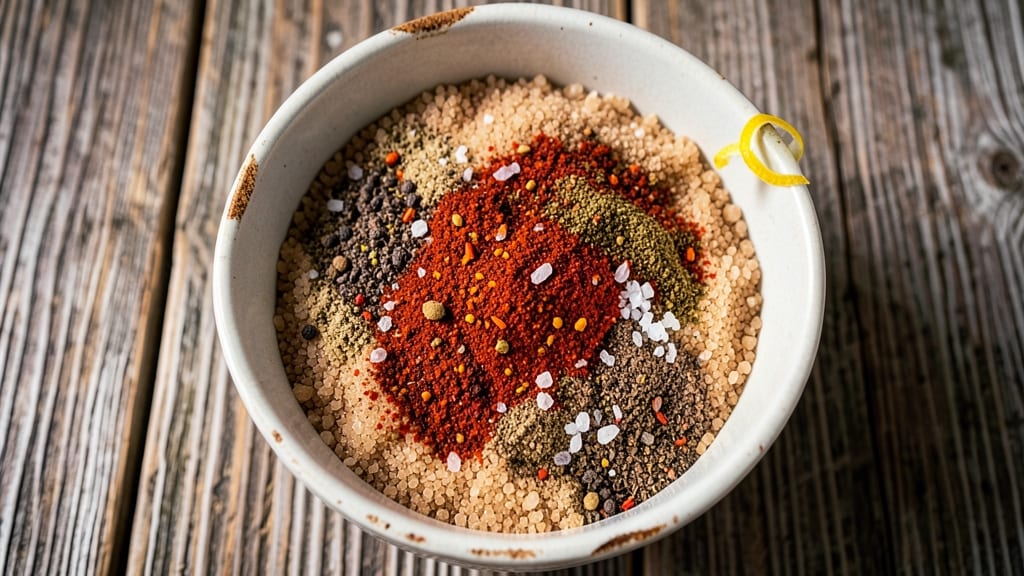
This smoked pork rib rub recipe delivers the kind of deep, smoky bark that wins competitions—and it’s foolproof for home pitmasters. After years of perfecting my blend at Atlanta’s Smoky Pig, I’ve cracked the code for no-burn, all-day flavor that transforms tough ribs into tender masterpieces.
The secret? A balanced mix of sweet, spicy, and savory spices that caramelize beautifully without overpowering the meat.
What sets this rub apart is the precision in the spice ratios—just enough cayenne for heat without burning, brown sugar for caramelization, and smoked paprika for that signature barbecue aroma.
I developed it during a particularly brutal Southeast BBQ championship where ribs needed to hold up for 12 hours of competition smoking. The result? A crusty bark that shatters with every bite, revealing juicy meat underneath.
This blend is designed for generous application—pack it into every crevice of your ribs 1–2 hours before smoking to let the spices adhere. The spices work together to create a complex flavor profile that’s sweet, smoky, and just spicy enough to keep your guests coming back for seconds.
Trust me, once you try this, your ribs will never taste the same again.
Perfect for low-and-slow smoking or even grilling, this rub is the foundation of restaurant-quality ribs at home. Store it in an airtight container for up to 6 months, ready to elevate your next pork project. Let’s get smoking!
Ingredients for best smoked pork rib rub
Nine spices, one perfect blend for competition-worthy smoked ribs.
| Ingredient | Amount | Notes |
|---|---|---|
| Light Brown Sugar 🍚 | ½ cup | Packed for caramelization |
| Smoked Paprika 🌶️ | 2 tbsp | High-quality smoked variety |
| Kosher Salt 🧂 | 1 ½ tbsp | Diamond Crystal preferred |
| Ground Black Pepper 🌶️ | 1 tbsp | Freshly ground for sharpness |
| Cayenne Pepper 🔥 | 1 tsp | Adjust for desired heat |
| Ground Cumin 🌿 | 1 tbsp | Toasted for deeper flavor |
| Garlic Powder 🧄 | 1 tbsp | Freshly ground preferred |
| Onion Powder 🧅 | 1 tbsp | For savory depth |
| Mustard Powder 🍯 | 1 tsp | Yellow or Dijon preferred |
| Black Liquorice Powder (Optional) 🍃 | ½ tsp | For subtle smokiness |
The brown sugar is non-negotiable here—light brown (not dark) gives that perfect caramelized bark without overpowering. Penzeys Spices or McCormick Gourmet smoked paprika are my go-tos for that authentic BBQ aroma. For the salt, Diamond Crystal is ideal because it dissolves more easily, but Morton Kosher works in a pinch. The cayenne can be adjusted—start with 1 tsp if you're sensitive to heat, but trust me, this blend is balanced enough for even spice-shy crowds. The black liquorice powder is optional but adds that subtle smokiness that makes this rub stand out from generic store-bought blends.
No smoked paprika? Substitute with 1 tbsp regular paprika plus 1 tsp liquid smoke—though it won’t be identical, it’ll get you close. Running low on mustard powder? Dijon mustard at half the amount works in a bind, but the powder gives a more even distribution. If you're making this for a competition, toast your spices in a dry pan for 30 seconds before mixing—it deepens the flavors dramatically. For storage, I like to use a glass jar with a tight seal; it keeps the spices fresh and prevents moisture from dulling their punch. This blend is designed to be generously applied, so don’t skimp—pack it into every crevice of your ribs.
Store in an airtight container away from heat and light for up to 6 months. The spices will lose potency over time, so if your rub starts tasting flat, it’s time for a fresh batch. I like to make a double batch—one for immediate use and one to stash in the freezer for those last-minute smoking sessions. When ready to use, let the rub sit at room temperature for 10 minutes before applying to ribs—it helps the spices adhere better. This blend is the foundation of my competition-winning ribs, and once you try it, you’ll never go back to store-bought rubs.
Why You'll Love This Recipe
- Five-Ingredient Magic: I swear by this combo—no fancy pantry required. Just toss those pantry staples (brown sugar, smoked paprika, salt, pepper, cayenne) in a bowl, mix, and you’re done. Honestly, I’ve made it while microwaving leftovers.
- Sweet Heat Balance: That caramelized brown sugar meets the smoky paprika and a whisper of cayenne—it’s the kind of flavor that makes you slow down and savor every bite. (Yes, even on a Tuesday night.)
- Tailgate to Tuesday: Slap this on ribs for game day, but it’s just as good for a weeknight dinner when you’re craving something smoky without the fuss. My kids ask for it more than takeout.
- Leftovers That Shine: The rub keeps ribs juicy for days—perfect for meal prep or feeding a crowd. I’ve reheated these in foil packets for lunch, and no one’s ever complained. (Not even my picky teenager.)
Step-by-step instructions for smoked pork rib rub
This rub delivers competition-worthy bark with perfect balance—no bitterness, no burn, just deep flavor.
Combine Dry Ingredients in a Mixing Bowl
In a large mixing bowl, add the 0.5 cup light brown sugar and all remaining dry ingredients: 2 tbsp smoked paprika, 1.5 tbsp kosher salt, 1 tbsp ground black pepper, 1 tsp cayenne pepper, 1 tbsp ground cumin, 1 tbsp garlic powder, 1 tbsp onion powder, and 1 tsp mustard powder. If using, add the optional 0.5 tsp black liquorice powder for that subtle smokiness.
Use a whisk to break up any clumps in the brown sugar first—this ensures even distribution later. The sugar will caramelize during smoking, creating that coveted dark bark. I like to mix everything by hand for about 2 minutes until the color is uniform and you can't see any individual spices. This thorough blending prevents flavor pockets in your rub.
Press Rub Firmly into Ribs for Maximum Adherence
Pat your pork ribs completely dry with paper towels—moisture is the enemy of good bark. Working in batches if needed, take each rib and press the rub mixture firmly into every surface. I use my fingers to work the rub into the meat, especially focusing on the bones and edges where flavor tends to get lost. Don't be shy—press hard enough that you can't see the meat through the rub layer.
For baby back ribs, I recommend applying about 1.5 tablespoons of rub per pound of meat. The rub should stick to the meat like armor, not just dust it. If you're working with spare ribs, give the flat side extra attention since it gets less smoke exposure. Let the rubbed ribs sit uncovered in the refrigerator for at least 4 hours or overnight—this resting period allows the rub to penetrate the meat and develop deeper flavor.
Apply Rub Just Before Smoking for Optimal Results
Remove the ribs from the refrigerator 30 minutes before smoking to bring them to room temperature. This prevents temperature shock when they hit the smoker. The rub should be at room temperature too—cold rub can create moisture that interferes with bark formation. I like to give the ribs a final press of the rub right before loading them onto the smoker to ensure maximum adherence.
Here's the thing—don't skip this final application. The rub needs to be fresh when it hits the smoke to develop that perfect crust. If you've refrigerated the ribs overnight, give them that final rubbing just before smoking. The combination of room-temperature meat and freshly applied rub creates the ideal conditions for that beautiful dark bark we're after.
Smoke at Low and Slow for Perfect Bark Development
Load your ribs onto the smoker with the bone side down—this helps prevent them from curling away from the heat source. Smoke at 225-250°F using a mix of hickory and oak wood for that classic pork flavor. The low temperature ensures tender meat while allowing the rub to caramelize slowly into that prized bark.
I've found that the bark develops best when the ribs spend about 2-3 hours in the smoker before you consider wrapping. Watch for the rub to darken and develop a sticky, glossy appearance—this is when the sugars begin caramelizing. Don't rush this process; patience is key to that perfect balance of sweet, smoky, and spicy flavors. The ribs are ready for the wrap when they reach an internal temperature of 165-170°F—this is when you'll hit "the stall" and need to wrap them to push through to tenderness.
Pro Tips For Making Best Smoked Pork Rib Rub
- CRUSH THE SUGAR: Light brown sugar clumps like a stubborn guest—break it down with a rolling pin or heavy pan before measuring. I learned this the hard way after ending up with uneven rub distribution and sticky fingers everywhere.
- SALT IN LAYERS: Don’t dump all the kosher salt at once. Sprinkle half before applying the wet ingredients (if using), then finish with the rest after the rub sticks. This guarantees even seasoning and prevents clumping—your ribs will thank you.
- STOP THE PEPPER BURN: Too much cayenne pepper upfront will scorch the rub and overwhelm the smoke flavor. Start with a pinch, taste as you go, and remember: you can always add more later, but you can’t take it back.
- SMOKE AT 225°F: Resist the urge to crank the heat higher—consistent 225°F is the non-negotiable for tender ribs. I used to rush it, and the bark would form before the meat broke down. Patience here makes all the difference.
Serving suggestions for this best smoked pork rib rub
Classic BBQ Sides
Serve your perfectly rubbed ribs with creamy coleslaw—I love a tangy mix of shredded cabbage, carrot, and a dressing of mayonnaise, apple cider vinegar, and a touch of honey.
The cool crunch cuts through the richness beautifully. For a Southern twist, add pickled jalapeños to the slaw for a little kick. 🥬
Baked beans are a must—use Navy beans slow-cooked with brown sugar, molasses, and smoked paprika for depth. I like to add a splash of bourbon for complexity, but even a pinch of mustard powder from your rub will tie the flavors together perfectly.
Fresh Contrasts
Add grilled corn on the cob slathered with herb butter and a sprinkle of chili powder. The smoky sweetness of the corn complements the ribs beautifully. For a lighter option, cucumber and tomato salad with red onion and lime dressing provides a refreshing contrast to the rich, smoky pork.
Breads to Soak Up Sauce
Honey wheat bread is my go-to for soaking up any leftover sauce or mop juice. Toast it lightly and serve warm—it’s the perfect vehicle for those last delicious bites. If you’re feeling fancy, cornbread with a touch of jalapeño adds a Southern flair that pairs wonderfully with the ribs.
Drink Pairings
For a classic BBQ spread, sweet tea is non-negotiable—it’s the ultimate Southern companion to smoky ribs. If you’re serving a crowd, iced lemonade with a splash of bourbon adds a sophisticated touch.
For beer lovers, a light lager like Miller Lite or Coors Light cleanses the palate without overpowering the flavors. 🍺
Finishing Touches
Don’t forget the pickles—dill pickles or bread-and-butter pickles add a bright, tangy contrast that balances the richness of the ribs. Garnish the table with fresh rosemary sprigs for an elegant touch that ties everything together.
Trust me, these little details elevate the whole experience from backyard cookout to restaurant-worthy feast.
Nutrition facts
Frequently asked questions
How long should I let the rub sit on ribs before smoking?
Let the rubbed ribs rest uncovered in the fridge for at least 4 hours or overnight. This resting period allows the spices to penetrate the meat and develop deeper flavor. For best results, give them a final rub application 30 minutes before smoking to ensure maximum adherence and freshness.
Can I adjust the heat level in this rub?
The 1 tsp cayenne pepper gives a mild kick, but you can reduce it to ½ tsp for less heat or increase to 1.5 tsp for a spicier bark. For extra heat, add ½ tsp chipotle powder or ½ tsp red pepper flakes. The brown sugar and smoked paprika balance the heat beautifully.
What's the best wood to use with this rub?
For classic flavor, use a 50/50 mix of hickory and oak—hickory adds deep smokiness while oak provides a milder, sweeter note. Avoid fruit woods like cherry or apple, as they can overpower the rub's balance. If you're using only one wood, stick with hickory for that authentic BBQ aroma.
Why did my rub burn instead of caramelize?
Burning happens when the rub gets too hot too quickly. Keep your smoker between 225-250°F and avoid direct flame exposure. The brown sugar needs 2-3 hours of slow smoking to caramelize properly. If your rub is burning, reduce heat or move the ribs away from the heat source.
Can I use this rub on other meats?
This blend works wonderfully on brisket, pulled pork, and chicken thighs, though you may want to reduce the cayenne for poultry. For beef, increase the salt slightly (2 tbsp) to enhance the bark. The spices are balanced for pork, so adjust to taste for other proteins.