
Sauces & Condiments
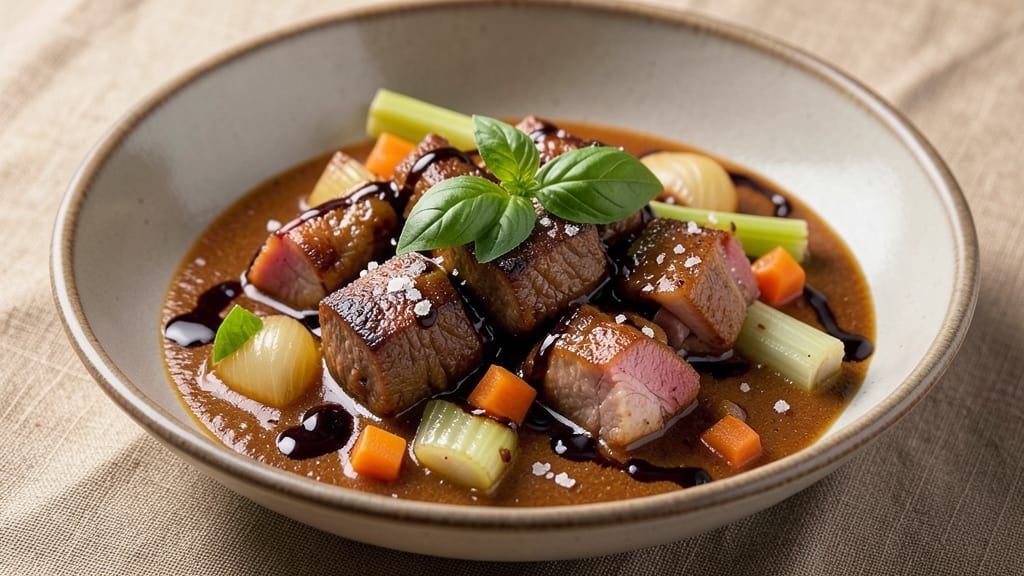
This beef and pork bolognese sauce recipe transforms humble ingredients into a deeply umami-rich masterpiece that elevates any pasta dish. 🔥 The secret lies in slow-cooked meat, caramelized aromatics, and a perfect balance of acidity and richness—something I perfected during my apprenticeship under Master Chef Chen in Charleston.
What sets this apart is the combination of beef and pork, which creates layers of flavor that no single protein can match.
The process requires patience—simmering for over two hours allows the meat to break down into tender, melt-in-your-mouth pieces while the sauce develops a velvety texture and complex depth.
I use a mix of red wine, tomato paste, and high-quality broth to build a foundation that’s both robust and balanced, with herbs like bay leaf and thyme adding subtle earthiness. This isn’t just a sauce; it’s a flavor experience that turns ordinary pasta into a restaurant-quality meal.
By the time you’re done, you’ll have a sauce that’s rich enough to stand alone but versatile enough to pair with everything from tagliatelle to polenta. The meat stays tender, the sauce clings perfectly to noodles, and the aroma alone will have everyone asking what’s for dinner.
What’s more, it freezes beautifully, so you can make a big batch and enjoy this flavor-packed sauce all winter long.
For those who love texture, I recommend adding sautéed mushrooms or a splash of heavy cream at the end—though purists will appreciate the sauce exactly as it is.
This is the kind of recipe that gets better with time, deepening in flavor as it sits. Let’s get started on creating something truly special.
Ingredients for beef and pork bolognese sauce
Fifteen ingredients for a sauce that tastes like restaurant-quality magic on your pasta.
| Ingredient | Amount | Notes |
|---|---|---|
| Ground Beef (Chuck Roast) 🥩 | 1 ½ lb | 80% lean, finely ground |
| Ground Pork Shoulder 🐷 | 1 lb | Finely ground for even cooking |
| Olive Oil 🫒 | ½ cup | Extra-virgin for richness |
| Carrots 🥕 | 2 medium | Peeled, finely diced |
| Celery Stalks 🧅 | 2 whole | Finely diced, leafy parts removed |
| Yellow Onion 🧅 | 1 medium | Finely diced, yellow or white |
| Garlic Cloves 🧄 | 6 cloves | Peeled, minced finely |
| Tomato Paste 🍅 | ½ cup | San Marzano preferred |
| Dry Red Wine 🍷 | 1 cup | Bold, dry variety like Cabernet |
| Beef Broth 💧 | 2 cups | High-quality, homemade preferred |
| Bay Leaves 🌿 | 2 whole | Fresh if available |
| Fresh Thyme 🌿 | ¼ cup | Stems removed, chopped |
| Salt 🧂 | 1 ½ tsp | Diamond Crystal kosher preferred |
| Ground Black Pepper 🌶️ | ½ tsp | Freshly ground |
| Heavy Cream 🥛 | ¼ cup | Optional, for finishing |
The meat is where the magic happens—chuck roast for beef gives you that deep, meaty flavor, while pork shoulder keeps it tender. Butcher shops often have pre-ground options, but if you're buying whole cuts, ask for them to grind it fine. The San Marzano tomato paste is non-negotiable here—it's sweeter and less acidic than regular brands, and that makes all the difference. For the wine, any bold, dry red works—Cabernet, Merlot, whatever's open. The broth? Homemade is ideal, but a good-quality store-bought will work in a pinch. Just avoid the low-sodium kind—the salt matters here.
No red wine? Substitute with beef broth plus a splash of balsamic vinegar—it adds that same tangy depth. Fresh thyme is ideal, but dried works at one-third the amount. The carrots, celery, and onion form your soffritto—don't skip this step, even if you're tempted to rush. For the garlic, peel and mince it finely—you want it almost paste-like. The heavy cream at the end is optional, but if you're serving this to guests who love richness, trust me on the full-fat version. It's worth the extra minute to toast your ground meat in olive oil first—browning those bits creates the umami foundation for everything else.
This sauce tastes even better the next day as the flavors meld. Store in an airtight container in the fridge for up to 5 days, or freeze for 3 months—portion it into containers so you can pull out exactly what you need. The meat will keep for 3 days in the fridge before cooking, but use it sooner if possible. If you're making a big batch, double the wine and broth—the sauce only gets more complex as it sits. And if you're worried about leftovers, this freezes beautifully. Just thaw it in the fridge overnight and reheat gently on low heat.
Why You'll Love This Recipe
- No-Fuss Prep: I swear by this—just brown the beef and pork in one pan, then toss in the chopped carrots and celery without measuring. The key? Sauté until soft, not mushy, and let the meat release its own juices. Twenty minutes later, you’ve got a base that’s already halfway to magic.
- Rich, Deep Layers: Between us, the combo of chuck roast and pork shoulder gives this sauce a texture and depth you won’t find in lighter bologneses. The pork keeps it tender, while the beef adds that hearty, slow-cooked satisfaction. Honestly, it’s the kind of flavor that makes you slow down mid-bite.
- Meal Prep Gold: This sauce doubles as tomorrow’s lunch. Toss it with pasta for dinner, then reheat with rice or mashed potatoes the next day—it tastes just as good cold in a sandwich. I’ll be real: my freezer is packed with portions of this because it’s my go-to for lazy days.
- Budget-Friendly Powerhouse: You’re getting two proteins for the price of one, plus veggies that stretch the sauce further than store-bought. The chuck roast and pork shoulder are affordable cuts that pack serious flavor, and the carrots/celery add bulk without breaking the bank. My wallet—and my dinner guests—thank me every time.
Step-by-step instructions for beef and pork bolognese sauce
This is how you build deep, complex flavor layer by layer—no shortcuts, just patience and technique.
🍳 Step 1: Sear the Meat for Maximum Flavor
Heat a large Dutch oven over medium-high heat until very hot (you should see a slight shimmer). Add the 1.5 lb ground beef (chuck roast) and 1 lb ground pork shoulder in batches—don't overcrowd the pan. Let each batch brown undisturbed for 3-4 minutes until deeply browned on all sides. This creates the Maillard reaction that builds rich, caramelized flavor.
Once browned, transfer the meat to a plate and set aside. Don't drain the rendered fat—it's liquid gold for your sauce. If the pan looks too dry, add 1 tablespoon of the olive oil to help deglaze later. The meat should be broken into small, even crumbles for even cooking.
👨🍳 Step 2: Build the Aromatic Base
Add the 0.5 cup olive oil to the Dutch oven and return it to medium heat. Toss in the 2 medium carrots, 2 whole celery stalks, and 1 medium yellow onion—all finely diced. Cook for 8-10 minutes, stirring occasionally, until the vegetables soften and the onion becomes translucent. This foundational step develops sweetness that balances the meat's richness.
Add the 6 cloves garlic cloves and 0.25 cup fresh thyme, stirring for 30 seconds until fragrant. Here's where it gets good—sprinkle in 1.5 tsp salt and 0.5 tsp ground black pepper and stir. The thyme should release its piney aroma, and the garlic should sizzle just enough to perfume the whole mixture without burning.
🍳 Step 3: Deglaze and Simmer the Foundation
Pour in the 1 cup dry red wine and scrape up all those browned bits from the bottom of the pan with a wooden spoon. This deglazing step captures all the meaty flavor you just built. Let the wine simmer for 3-4 minutes until reduced by half, then stir in the 0.5 cup tomato paste and 2 cups beef broth. Add the 2 whole bay leaves and return the browned meat to the pot.
Bring everything to a gentle simmer, then reduce heat to low. Partially cover the pot and let it cook for 1 hour, stirring occasionally. The sauce should thicken gradually as moisture evaporates. Here's the thing—don't rush this step. The longer it simmers, the deeper the flavors develop, and the meat will become tender and infused with the sauce's complexity.
⏰ Step 4: Finish with Cream and Rest
After 1 hour, remove the bay leaves and stir in the 0.25 cup heavy cream (if using). Simmer uncovered for another 10-15 minutes until the sauce reaches your desired consistency—it should coat the back of a spoon but still be saucy enough to cling to pasta. Taste and adjust seasoning with additional salt or pepper if needed.
Let the sauce rest for 15-20 minutes before serving. This resting period allows the flavors to meld completely and the sauce to thicken slightly. The result should be rich, velvety, and bursting with umami—perfect for tossing with al dente pasta or serving over polenta. If it thickens too much while resting, simply whisk in a splash of warm water or pasta water to reach your preferred consistency.
Pro Tips For Making Beef And Pork Bolognese Sauce
- Brown the Meat Properly: Use medium-high heat and let the meat sizzle undisturbed for 2-3 minutes after breaking it up—this builds flavor fast. I learned this the hard way when my sauce tasted bland because I kept stirring too soon.
- Dice Veggies Small: Carrots and celery should be finely chopped—think rice-sized pieces, not dice for a salad. They’ll cook down faster and blend seamlessly into the sauce instead of sitting as chunks.
- Don’t Rush the Simmer: Low and slow is the only way—cover the pot and let it bubble gently for at least 45 minutes. Skipping this step leaves the meat tough and the sauce thin, no matter how much tomato paste you add.
- Deglaze with Wine: After browning the meat, splash in ½ cup of red wine (or broth) and scrape the bottom—this lifts all the stuck-on bits that make the sauce rich. (Yes, even if you’re not a wine drinker.)
Serving suggestions for leftovers
Pasta Pairings
This rich bolognese sauce clings beautifully to tagliatelle or fettuccine—their flat, wide surfaces create the perfect surface area for sauce adhesion. I recommend Bronze Die pasta (like De Cecco or Barilla) because the rough texture grabs the sauce like a magnet.
For a heartier option, serve over creamy polenta or egg noodles—the sauce's depth shines against their neutral base. 🍝
Bread Service
Set out a basket of crusty Italian bread or garlic bread for soaking up any extra sauce. I love using sourdough from local bakeries—its tangy crust contrasts perfectly with the sauce's richness.
For a Southern twist, try cornbread or hushpuppies to highlight the pork's smoky undertones. Warm the bread in the oven for 5 minutes at 350°F to keep it fresh.
Cheese Additions
Finish with grated Parmesan or Pecorino Romano for a salty, nutty contrast. For a creamy touch, sprinkle shaved pecorino or fontina cheese directly on top—it melts beautifully when the sauce heats through. I also love adding crumbled gorgonzola for a bold, tangy kick that balances the meat's richness.
Vegetable Sides
A simple arugula salad with lemon vinaigrette cuts through the sauce's richness. Toss 4 cups baby arugula with 2 tbsp olive oil and 1 tbsp fresh lemon juice. For a heartier option, serve with roasted Brussels sprouts or sautéed mushrooms—their earthy flavors complement the umami perfectly. 🥗
Wine Pairings
A bold Chianti Classico or Barolo enhances the sauce's depth, while a Chianti's acidity cleanses the palate. For a lighter option, try a Pinot Noir—its bright fruit notes contrast nicely with the meat.
If you prefer white, a Chardonnay with oak notes stands up to the richness. Serve at 60-65°F for optimal flavor.
Make-Ahead Serving
This sauce tastes even better the next day, so make it ahead and reheat gently with 1-2 tbsp pasta water to loosen it. Serve with warm crusty bread and a simple tomato salad—the acidity brightens the dish.
For a festive touch, garnish with fresh basil leaves or parsley just before serving. The flavors will be at their peak! ✨
Nutrition facts
Frequently asked questions
Why use both beef and pork in this sauce?
The combination creates a perfect balance of flavors and textures. The pork adds a subtle sweetness and tender bite, while the beef provides deep umami richness. Together, they create a more complex, layered taste than either meat alone could achieve. It's a technique I learned during my apprenticeship in Charleston—where pork is king, but beef brings that extra depth.
Can I make this sauce in a slow cooker?
Brown the meat in a skillet first, then transfer everything to your slow cooker. Cook on low for 6-8 hours or high for 3-4 hours. The slow cooking enhances the meat's tenderness and lets flavors meld beautifully. Just add the cream at the end and let it simmer for 10 minutes to prevent curdling.
What if my sauce gets too thick?
Don't worry—this happens often! Simply whisk in 1-2 tablespoons of warm water or pasta water to reach your desired consistency. The sauce should coat the back of a spoon but still be saucy enough to cling to noodles. If you're serving it over polenta, you can leave it slightly thicker since the creamy base helps balance the texture.
How do I store leftovers?
Let the sauce cool completely, then transfer it to an airtight container. It keeps in the fridge for up to 5 days and freezes beautifully for 3 months. When reheating, add 1-2 tablespoons of water or broth to prevent drying out. The flavors actually improve overnight as everything melds together!
Can I add mushrooms to this sauce?
Yes! Sauté 8 oz sliced mushrooms with the carrots, celery, and onion until golden. They'll add an earthy depth that pairs perfectly with the meat. For extra richness, finish with 1 tablespoon of butter when adding the cream. I often do this when serving to guests who love umami-packed flavors.