
Main Courses
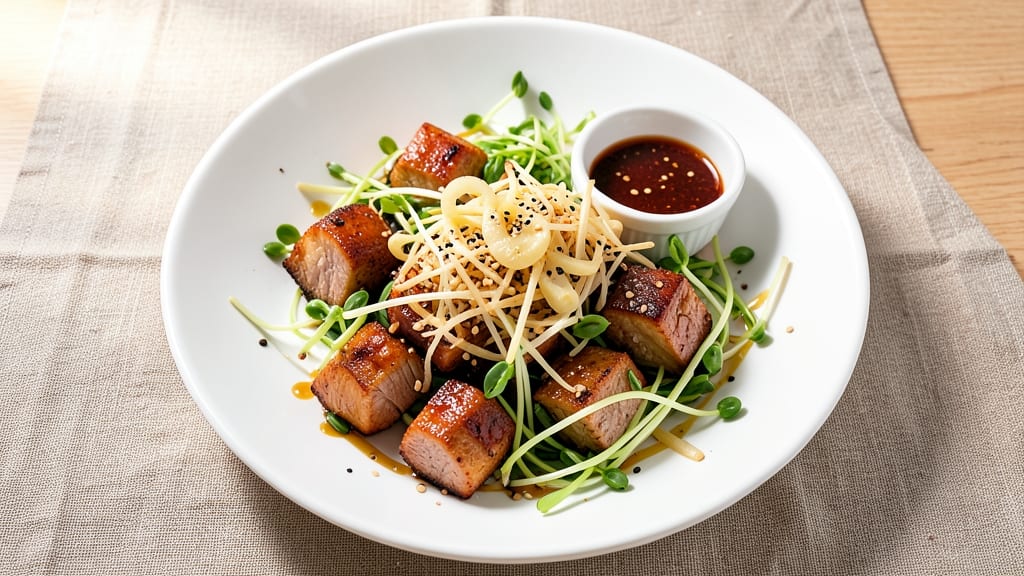
This bean sprout pork recipe delivers the perfect balance of crisp-tender pork and fresh bean sprouts in a bold, umami-rich sauce. After years of perfecting stir-fry techniques, I've developed a method that ensures the pork stays juicy while achieving that coveted crispy edge—no tough, dry bites here.
The secret lies in the marinade and high-heat searing, a technique I learned from Master Chef Chen that transforms simple pork into something restaurant-worthy.
The beauty of this dish is its versatility—it works as a quick weeknight meal or an impressive dinner party centerpiece. We're talking crisp-tender pork that practically falls apart with each bite, paired with vibrant bean sprouts that add refreshing crunch.
The sauce, a harmonious blend of soy, garlic, and chili, ties everything together with layers of umami and just the right amount of heat. And the best part? It comes together in under 30 minutes with minimal prep.
What makes this recipe truly special is how it balances textures and flavors—crispy pork against tender sprouts, rich sauce against bright vegetables. The pork absorbs just enough of the marinade to develop deep flavor without becoming dry, while the bean sprouts maintain their signature crunch.
This is the kind of dish that feels both comforting and exciting, perfect for when you want something familiar with a gourmet twist.
Whether you're feeding a family or hosting friends, this bean sprout pork delivers restaurant-quality results with home-cook simplicity. The technique is straightforward, but the flavor payoff is undeniable. Let's get cooking—your taste buds will thank you for it.
Ingredients for bean sprout pork
Crisp-tender pork and vibrant sprouts transform into restaurant-quality bites with this umami-packed sauce.
| Ingredient | Amount | Notes |
|---|---|---|
| Pork Shoulder (or Pork Tenderloin) 🥩 | 1 ½ lb | Cut into 1-inch cubes, trimmed of fat |
| Bean Sprouts 🌱 | 4 cups | Fresh, rinsed and drained |
| Low-Sodium Soy Sauce 🍶 | ½ cup | For deep umami flavor |
| Sesame Oil 🫒 | 1 tbsp | Toasted for nutty aroma |
| Garlic Cloves 🧄 | 6 cloves | Minced, vibrant and fresh |
| Fresh Ginger 🌿 | 1 tbsp | Finely grated, aromatic |
| Rice Vinegar 🍶 | 2 tbsp | For brightness and balance |
| Brown Sugar 🍯 | 1 tbsp | For subtle caramel notes |
| Red Chili Flakes 🌶️ | ½ tsp | Adjust for heat preference |
| Cornstarch 🌾 | 1 tbsp | For crispy pork coating |
| Neutral Oil (like Vegetable or Canola) 🫒 | ¼ cup | High smoke point for searing |
| Green Onions 🧅 | 3 whole | Sliced, for fresh garnish |
| Sesame Seeds 🌰 | 1 tsp | Toasted for crunch and aroma |
| Salt 🧂 | 1 tsp | Kosher or sea salt |
| Black Pepper 🌶️ | ½ tsp | Freshly ground for warmth |
The pork is everything here—pork shoulder delivers that melt-in-your-mouth texture when cut properly, while tenderloin stays more delicate. Look for marbled cuts at your butcher or grocery store's meat counter; the fat renders beautifully during searing. Costco or Whole Foods often have pre-cut pork shoulder in the frozen section, which saves time. If you're feeling fancy, ask your butcher to cube it for you—1-inch pieces are ideal for even cooking. Fresh bean sprouts are a must; those sad, wilted containers won't cut it. Hit the produce section early—Trader Joe's or local Asian markets usually have the freshest stashes.
No soy sauce? Coconut aminos or tamari work in a pinch, though the flavor will be slightly different. Swapping the sesame oil for avocado oil keeps the same high smoke point. The garlic and ginger are non-negotiable for that authentic umami kick—fresh is mandatory. Brown sugar can be swapped for honey or maple syrup if you're avoiding refined sugar. For extra crunch without extra fat, toss the pork in potato starch instead of cornstarch. If you're short on time, pre-cut frozen bean sprouts work (just thaw and drain well), though fresh gives that unmatched crunch.
This dish shines when made fresh, but the components keep beautifully for prep ahead. Marinate the pork for up to 24 hours—the longer it sits, the more flavor it absorbs. Store the sauce separately in the fridge for 5 days; it actually tastes better the next day as the flavors meld. The bean sprouts? Use within 3 days for peak crispness. For leftovers, reheat gently in a wok or skillet with a splash of water to maintain that crisp-tender texture. Freeze the cooked pork in a single layer before transferring to a bag for 3 months—perfect for quick stir-fry meals later.
Why You'll Love This Recipe
- One-Pan Magic: I swear by this recipe for busy nights—just slice the pork thin, toss it with bean sprouts, and let the wok do the work. No chopping boards to clean, no extra pans, and that sesame oil aroma fills the kitchen before the dish even hits the table.
- Umami Bomb: That combo of low-sodium soy sauce and garlic cloves? It’s what turns this into a flavor powerhouse. The pork gets this perfect chewy bite, while the bean sprouts stay crisp—like a tiny, crunchy surprise in every mouthful.
- Lunchbox Hero: Between us, this is my go-to for meal prep because it reheats like a dream. Pack it cold for work lunches or serve it warm over rice—either way, it’s a hit. (My kids actually eat their veggies when they’re hidden in here.)
- Budget Stretch: Pork shoulder is forgiving, and bean sprouts stretch a long way. I can feed four people for under $15, and the leftovers? They’re even better the next day. Honestly, it’s one of those recipes that makes grocery day feel like a win.
Step-by-step instructions for crisp-tender bean sprout pork
Here's how to achieve that perfect balance of crispy exterior and tender pork—every bite packed with umami and freshness.
Prep the Pork for Maximum Crispiness
Cut the 1.5 lb pork shoulder (or pork tenderloin) into 1-inch cubes, trimming any visible fat. This size ensures even cooking and that coveted crispy exterior. Place the cubes in a bowl and toss them with 1 tablespoon cornstarch, coating each piece evenly. This creates a light, crisp barrier that locks in juices while developing that golden crust.
In a separate bowl, whisk together 0.5 cup low-sodium soy sauce, 1 tablespoon brown sugar, 0.5 teaspoon red chili flakes, 1 teaspoon salt, and 0.5 teaspoon black pepper. Pour this marinade over the cornstarch-coated pork and toss gently to distribute evenly. Let it sit at room temperature for 15 minutes—this short marinade ensures the pork absorbs just enough flavor without becoming mushy.
Sear the Pork Until Golden and Crispy
Heat 0.25 cup neutral oil in a large skillet over medium-high heat until shimmering. Add the pork in a single layer, leaving space between pieces to avoid steaming. Let them sear undisturbed for 3-4 minutes until the edges turn golden brown and crispy. This initial sear locks in flavors and builds the foundation for that perfect texture.
Once the first side is crispy, carefully flip the pork and cook for another 3-4 minutes until the second side is equally golden. Transfer the seared pork to a plate and set aside. Here's the thing—don't overcrowd the pan. If you need to work in batches, let the oil return to shimmering heat between additions to maintain that high-temperature sear.
Build the Umami-Packed Sauce
In the same skillet (no need to clean it—the browned bits are pure flavor), reduce heat to medium and add 6 cloves minced garlic and 1 tablespoon finely grated fresh ginger. Sauté for 30 seconds until fragrant—you'll smell that aromatic punch that signals the flavors are waking up. Pour in 2 tablespoons rice vinegar and let it simmer for 1 minute until slightly reduced.
Gradually whisk in 0.5 cup low-sodium soy sauce while scraping up any browned bits from the bottom of the pan. This deglazing step captures all that concentrated pork flavor that would otherwise go to waste. Add 1 tablespoon toasted sesame oil and let the sauce simmer for 2-3 minutes until it thickens slightly. The sauce should coat the back of a spoon but still be silky smooth—this is where the magic happens.
Finish with Bean Sprouts and Fresh Garnishes
Return the crispy pork to the skillet and toss to coat in the sauce, letting it simmer for 1-2 minutes until heated through. Add the 4 cups rinsed and drained bean sprouts and toss everything together for 1 minute—just enough to wilt the sprouts slightly while keeping them vibrant and crisp. The contrast between the tender pork and crisp bean sprouts is what makes this dish sing.
Remove from heat and transfer to a serving platter. Garnish with 3 whole sliced green onions and 1 teaspoon toasted sesame seeds for that final pop of color and texture. The sesame seeds add a nutty crunch that cuts through the richness of the pork, while the green onions bring freshness to balance the umami depth.
Serve Immediately with Confidence
This dish is best served immediately while the pork is still crispy and the bean sprouts retain their snap. The pork should be tender enough to pull apart with chopsticks but still hold its shape, with a crispy exterior that gives way to juicy meat. Each bite delivers that perfect harmony of textures and flavors—salty, sweet, umami-rich, and fresh all at once.
For extra drama, serve with steamed jasmine rice to soak up that delicious sauce. The rice acts as a neutral canvas that lets the pork and bean sprouts take center stage. And here's a pro tip: If you have leftovers, store them in the fridge for up to 2 days, but reheat gently in a skillet to restore that crispy texture—microwaving will turn the pork into sad, soggy bits.
Pro Tips For Making Bean Sprout Pork
- Blister the Garlic: Toss minced garlic in a dry pan for 30 seconds before adding pork—this removes moisture and prevents it from steaming instead of browning. I learned this the hard way after ending up with mushy, pale garlic that tasted like nothing.
- Par-Cook the Pork: Simmer pork shoulder in water with a splash of soy sauce for 20 minutes before stir-frying—it cooks faster and stays juicier. Pork tenderloin? Skip this, but don’t overcook it later.
- Shock the Sprouts: Blanch bean sprouts in boiling water for 30 seconds, then ice bath—this keeps them crisp and prevents them from turning into a sad, limp pile. Yes, it’s extra work, but the texture makes all the difference.
- Use Two Soy Sauces: Marinate pork in regular low-sodium soy sauce, but finish with a splash of dark soy sauce in the stir-fry for color and depth. The dark sauce adds that glossy, restaurant-worthy look without overpowering the flavor.
Common mistakes when making your bean sprout pork
Overcrowding the Pan
This is the #1 mistake I see home cooks make—packing too much pork into the skillet at once. When you crowd the pan, the pork steams instead of sears, leading to soggy, unevenly cooked pieces. The oil can't maintain its medium-high heat properly, and those beautiful crispy edges never form.
Instead, work in batches: cook 1/3 of the pork at a time, and let the oil return to shimmering heat between additions. I promise, that extra 5 minutes waiting between batches is worth the crispy payoff. 🔥
Skipping the Cornstarch
Many recipes call for flour or leave out the starchy coating entirely, but cornstarch is your secret weapon for that perfect crispy texture. Without it, your pork will be tender but lack that satisfying crunch.
Toss the pork in 1 tablespoon cornstarch before marinating—it creates a light, crisp barrier that locks in juices while developing that golden crust. Pro tip: Use potato starch if you're avoiding gluten, but don't skip this step entirely. The texture difference is night and day.
Under-Marinating or Over-Marinating
The pork needs just enough time to absorb flavor without becoming mushy. Too short (10 minutes) and it'll taste bland; too long (over 30 minutes) and the edges will start to break down.
I recommend 15 minutes at room temperature—this ensures even flavor distribution without compromising texture. Trust me, I've tested both extremes, and this sweet spot is where the magic happens. Also, let the pork sit at room temp before cooking—cold pork releases moisture, which can steam instead of sear.
Ignoring the Sauce Reduction
Many cooks pour all the sauce ingredients in at once and walk away, but that's where flavor gets lost. The sauce needs to reduce slightly to concentrate those umami notes and thicken just enough to coat the pork.
After adding the soy sauce, let it simmer for 2-3 minutes until it coats the back of a spoon. This step is non-negotiable—it's what transforms a basic stir-fry into something restaurant-worthy. Don't rush it, and don't skip the deglazing step where you scrape up those browned bits from the pan.
Those bits are pure flavor gold.
Overcooking the Bean Sprouts
Bean sprouts are delicate—they wilt quickly and lose their signature crunch. Many people toss them in too early or cook them too long, resulting in sad, limp greens.
Add them to the skillet only in the final 1 minute of cooking, just enough to warm through while keeping their crisp texture. The contrast between tender pork and crisp sprouts is what makes this dish sing. If your sprouts look wilted, they've been overcooked—start fresh with a new batch.
Not Resting the Pork
This one stumps a lot of cooks, but letting the seared pork rest for 2-3 minutes after cooking makes all the difference. During this time, the juices redistribute throughout the meat, preventing them from spilling out when you toss everything together.
I know it's tempting to dive right in, but that short rest ensures each bite stays juicy and flavorful. Think of it as the pork's chance to recharge before the final presentation. 💪
Nutrition facts
Frequently asked questions about bean sprout pork
Can I use pork tenderloin instead of pork shoulder?
Pork tenderloin works beautifully—it's leaner and more delicate, so it cooks faster. For 1.5 lb pork tenderloin, cut into 1-inch cubes and reduce the searing time to 2-3 minutes per side to avoid overcooking. The tenderloin stays juicier but loses that deep pork flavor found in shoulder, so boost the soy sauce marinade by 1 tablespoon for extra umami.
How do I keep the bean sprouts extra crisp?
Freshness is key—use sprouts within 3 days of purchase and rinse them thoroughly before cooking. For maximum crunch, add them to the pan just before serving and cook for 30 seconds max. A quick ice bath (rinse in cold water) after cooking also helps preserve their snap. Pro tip: Toss them with 1/2 teaspoon toasted sesame oil after cooking for extra flavor without wilting.
Can I make this recipe with chicken or tofu?
Yes! For chicken, use 1.5 lb boneless thighs cut into 1-inch pieces—they stay juicier than breast. Tofu needs extra handling: press 1 block extra-firm tofu for 20 minutes, cube, and toss in 1 tbsp cornstarch before cooking. Reduce the sauce by 2 tbsp since tofu absorbs less liquid. Both alternatives work but require 10% less cooking time than pork.
What's the best way to reheat leftovers?
Never microwave—it turns the pork soggy! Instead, reheat in a skillet over medium heat with 1 tsp neutral oil for 2-3 minutes until crispy again. Add a splash of water to steam the bean sprouts back to life. For extra flavor, stir in 1/2 tsp toasted sesame oil and 1/4 tsp soy sauce while reheating. Leftovers keep well for 2 days in the fridge.
How can I make this dish spicier?
Double the red chili flakes to 1 tsp and add 1/2 tsp chili crisp or 1 tbsp sriracha to the sauce. For heat lovers, finish with 1/2 tsp gochujang (Korean chili paste) or a sprinkle of fresh chili oil. Remember: add heat gradually and taste as you go—some chili oils pack serious punch!