
Sauces & Condiments
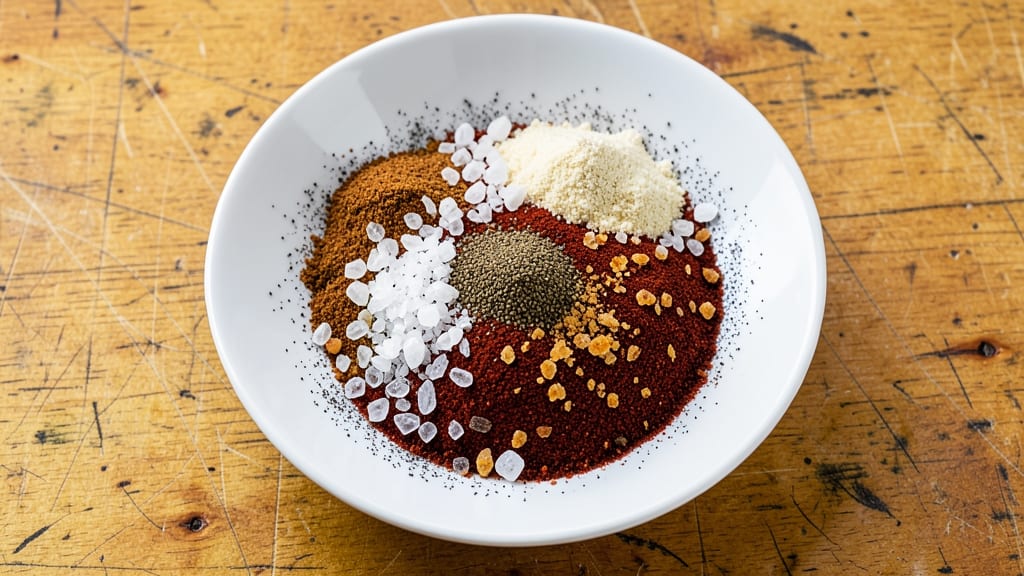
This BBQ pork seasoning recipe transforms simple pork into smoky, caramelized perfection—no fancy equipment needed. I developed this blend after years of perfecting rubs for competition-level pork shoulders, and it delivers that signature bark and tender interior every time. The key is balancing sweetness with heat, creating a crust that's both sticky and crisp.
The secret lies in the spices: smoked paprika for depth, brown sugar for caramelization, and a touch of cayenne for subtle heat. I use coarse kosher salt to help the rub cling to the meat, and a pinch of black pepper to round out the flavors.
This blend works equally well on ribs, chops, or tenderloin, making it my go-to for any pork dish.
Apply the seasoning generously 30 minutes before cooking to let the flavors penetrate, then watch as it forms a beautiful, flavorful crust. The result? Juicy, tender pork with a sweet-smoky exterior that'll have everyone asking for seconds.
Store any leftovers in an airtight container for up to 6 months—it keeps remarkably well.
Whether you're grilling, roasting, or smoking, this seasoning elevates pork to restaurant-quality levels. The best part? It's foolproof and requires no special skills—just patience and a hot cooker. Let's get started!
Ingredients for bbq pork seasoning
Nine simple spices blend into smoky-sweet perfection for pork—no fancy ingredients needed.
| Ingredient | Amount | Notes |
|---|---|---|
| Smoked Paprika 🌶️ | 3 tbsp | High-quality for deep smokiness |
| Light Brown Sugar 🍯 | 2 tbsp | Packed for caramelization |
| Coarse Kosher Salt 🧂 | 2 tbsp | Diamond Crystal preferred |
| Ground Black Pepper 🌶️ | 1 tbsp | Freshly ground for sharpness |
| Granulated Garlic Powder 🧄 | 1 tbsp | Not garlic salt |
| Ground Cumin 🌿 | 1 tbsp | Toasted for warmth |
| Cayenne Pepper 🔥 | ½ tbsp | Adjust for heat preference |
| Onion Powder 🧅 | 1 tbsp | Freshly ground preferred |
| Ground Mustard 🌿 | ½ tbsp | For tangy depth |
The smoked paprika is non-negotiable here—Penzeys or McCormick brands deliver the richest flavor. I always grab the light brown sugar from the bulk bins at Whole Foods because it's less processed. For the salt, Diamond Crystal is my go-to because it's coarser and sticks better to meat. The cayenne can be adjusted based on heat preference, but I find half a tablespoon gives just the right kick without overpowering. Toast your cumin seeds in a dry pan for 30 seconds before grinding if you want to take it to the next level—worth the extra minute.
No smoked paprika? Regular paprika plus a pinch of liquid smoke works in a pinch, though it won't be quite the same. Short on brown sugar? White sugar plus a splash of molasses mimics the caramelization. The mustard adds depth, but if you're avoiding it, extra garlic powder (another half tablespoon) brings similar complexity. For the pepper, freshly ground is ideal, but pre-ground works if it's labeled 'freshly ground' on the package. The key is balancing the sweetness with the heat—taste as you go and adjust accordingly.
Store this blend in an airtight container away from light and moisture—it keeps for up to 6 months without losing potency. I portion mine into small jars so I can grab exactly what I need for each cook. The spices will mellow slightly over time, so if you notice a loss of punch, just add a pinch more cayenne or smoked paprika to revive it. This makes about 1/2 cup of seasoning, perfect for 2-3 pork applications.
Why You'll Love This Recipe
- Five-Ingredient Magic: I swear by this mix—just measure, stir, and boom. No fancy tools, no stress. That smoked paprika alone gives it a smoky depth that’s hard to beat, and the brown sugar caramelizes into something irresistible with minimal effort.
- Smoky-Sweet Obsession: The garlic powder and smoked paprika blend is ridiculously good—savory, sweet, and just a hint of heat. It clings to pork like a dream, whether you’re grilling ribs or tossing chops in the pan. Honestly, I’ve lost count of how many times I’ve doubled the batch.
- Weeknight Workhorse: This isn’t just for special occasions. Toss it on pork tenderloin for a quick dinner, mix it into pulled pork for sandwiches, or even sprinkle it on roasted potatoes. It’s my go-to when I’m too tired to think but still want flavor that packs a punch.
- Budget-Friendly Staple: A little goes a long way, and these ingredients won’t break the bank. I’ve used the same jar of seasoning for months—leftovers last forever, and the cost per serving is laughably cheap. Plus, it turns basic cuts of pork into something restaurant-worthy.
Step-by-step instructions for BBQ pork seasoning
This smoky-sweet blend transforms simple pork into unforgettable centerpieces.
Combine the Base Dry Ingredients
In a medium bowl, whisk together the 3 tablespoons smoked paprika and 2 tablespoons light brown sugar using a fork. The paprika provides that essential smokiness while the brown sugar adds caramel depth during cooking. I like to press the sugar into the paprika with the back of the fork to break up any clumps—this ensures even distribution later.
Next, add the 2 tablespoons coarse kosher salt and 1 tablespoon ground black pepper. The salt enhances flavor penetration while the pepper adds a sharp contrast to the sweetness. Give everything another thorough mix, breaking up any remaining lumps. The goal here is a uniform texture that will cling perfectly to pork without clumping.
Add the Warmth and Depth
Now stir in the 1 tablespoon granulated garlic powder and 1 tablespoon ground cumin. These ingredients bring layers of savory warmth that complement the smokiness. The cumin, in particular, develops its aroma when heated, so we want it well incorporated now. I always use freshly ground spices when possible—they make a noticeable difference in flavor intensity.
Add the 0.5 tablespoon cayenne pepper and 1 tablespoon onion powder next. The cayenne provides heat that builds gradually, while the onion powder adds sweet, earthy notes. Here's where you can adjust the heat level—reduce the cayenne to 0.25 tablespoon if you prefer mild seasoning. Mix everything together until the spices are evenly distributed throughout the sugar and salt base.
Finish with Tangy Mustard
Finally, add the 0.5 tablespoon ground mustard and give the mixture one last thorough stir. The mustard contributes a subtle tang that balances the sweetness and smokiness. This is the ingredient that ties all the flavors together—don't skip it. At this point, your seasoning should look like a rich, heterogeneous blend with visible flecks of all the spices.
For best results, transfer the finished rub to an airtight container. Store it in a cool, dark place where it will keep for up to 3 months. When ready to use, simply shake the container to redistribute the spices evenly before applying. This seasoning works beautifully on everything from pulled pork to pork chops to ribs—just be generous with the application for maximum flavor impact.
Pro Tips For Making Bbq Pork Seasoning
- TOAST THE PAPRIKA: Smoked paprika loses its depth if it’s just tossed in raw—heat it dry in a small pan over medium for 30 seconds until fragrant. I learned this the hard way after making a batch that tasted flat; now it’s the first step, and the difference is noticeable.
- WEIGH THE SUGAR: Light brown sugar clumps like a stubborn guest at a party. Use a kitchen scale for accuracy—200g is more reliable than eyeballing "a handful." If you’re measuring by volume, spoon it in and level it off; packed cups add extra moisture that throws off the balance.
- SALT IN STAGES: Don’t dump all the kosher salt at once—start with half, mix it in, then taste. The pork will absorb more as it cooks, and you’ll avoid the bitter aftertaste that comes from overdoing it. (Yes, even if you’re impatient like me.)
- GRIND THE PEPPER FRESH: Pre-ground black pepper loses its punch fast. If you have whole peppercorns, crush them lightly in a mortar or with the flat of a knife—just enough to break the skins. It’s extra work, but the flavor pops where store-bought powder fades.
Troubleshooting your bbq pork seasoning
Uneven Seasoning Distribution
If your rub isn't sticking to the pork evenly, I've got two foolproof fixes. First, make sure your meat is dry—pat it thoroughly with paper towels before applying. Wet surfaces prevent the seasoning from clinging properly.
For extra adhesion, mix 1 tablespoon cornstarch into your dry rub before applying—it acts like a glue. I've used this trick on slippery pork tenderloin with perfect results. 🌡️
Clumping During Storage
Spices naturally absorb moisture over time, causing clumps. To prevent this, store your seasoning in an airtight container with a small silica gel packet (the kind that comes with electronics). If clumps already form, I recommend sifting the mixture through a fine-mesh strainer before use.
For stubborn clumps, gently break them up with a fork—never grind them in a blender, as it can alter the texture and flavor balance.
Overpowering Heat
If your pork comes out too spicy, you can balance the heat by adding a sweet glaze during the last 10 minutes of cooking. I like using a mix of 2 tablespoons honey and 1 tablespoon apple cider vinegar—brush it on generously.
For future batches, reduce the cayenne by ¼ teaspoon or add ½ teaspoon ground coriander to mellow the heat. Always taste your rub before applying—this is the best way to prevent overpowering flavors.
Weak Flavor Development
If your pork lacks depth, the issue is likely cooking temperature or application time. For best results, apply the rub 30 minutes before cooking and let it sit uncovered in the refrigerator. This allows the spices to penetrate the meat.
When cooking, maintain a consistent temperature—pork needs to reach 145°F internal temperature for tender results. For extra flavor, consider adding a smoke element during the last hour of cooking, even if you're not using a smoker.
A simple stovetop smoker or even a few wood chips in the grill works wonders. 🔥
Rub Too Dry or Dusty
If your seasoning feels like powder, it's likely lost moisture over time. The fix is simple: add 1 teaspoon olive oil to the mix and stir well. This binds the spices together without altering flavor.
For future batches, store your rub in a container with a small piece of bread—it absorbs excess moisture and keeps the spices fresh. If you prefer a dry rub, reduce the brown sugar to 1 tablespoon and increase the smoked paprika to 4 tablespoons for better adhesion.
Burnt or Bitter Taste
This usually happens when the rub gets too hot too quickly. To prevent burning, apply the seasoning after the pork has reached medium-high heat and is ready for the final stages of cooking. For grilled pork, I recommend applying the rub in the last 10-15 minutes of cooking.
If you're smoking, keep the temperature between 225-250°F**—this ensures even cooking without burning. A light spray of apple cider vinegar before applying the rub can also help prevent excessive browning.
Nutrition facts
Frequently asked questions about BBQ pork seasoning
Can I use this seasoning on other meats besides pork?
While it's designed for pork, this smoky-sweet blend works beautifully on chicken thighs, beef brisket, or even tofu for a meaty flavor. For chicken, reduce the cayenne to ¼ teaspoon to avoid overpowering the delicate meat. The key is adjusting the cooking time—chicken needs 165°F internal temp while beef brisket benefits from longer smoking at 225°F.
How much seasoning should I use per pound of pork?
For ribs or pork shoulder, use 2 tablespoons of seasoning per pound. For chops or tenderloin, 1 tablespoon per pound is perfect. The coarse salt helps it cling, but if your meat feels too dry, add 1 teaspoon cornstarch to the rub for better adhesion. Apply generously—this isn't a subtle seasoning!
Can I make this seasoning spicier?
Yes! Increase the cayenne by ¼ teaspoon increments until you reach your desired heat level. For extra kick, add ½ teaspoon chipotle powder or ¼ teaspoon red pepper flakes. Always taste your rub before applying—this helps you avoid overpowering the pork. If you're unsure, start with 0.75 teaspoons cayenne for noticeable heat without overwhelming the dish.
How do I store leftover seasoning?
Transfer any unused seasoning to an airtight container and store it in a cool, dark place. It keeps for up to 6 months without losing potency. For extra freshness, place a silica gel packet in the container to absorb moisture. If clumps form, sift through a fine-mesh strainer before use. The spices will mellow slightly over time, so add a pinch of cayenne or smoked paprika to revive it if needed.
What's the best way to apply the seasoning?
Pat the pork completely dry with paper towels first—this helps the rub stick. For ribs or shoulder, apply 30 minutes before cooking and let it sit uncovered in the fridge. For chops or tenderloin, apply right before cooking. Use your hands to press the seasoning into crevices, especially on thicker cuts. For extra adhesion, lightly spray the meat with water before applying the rub.