
Main Courses
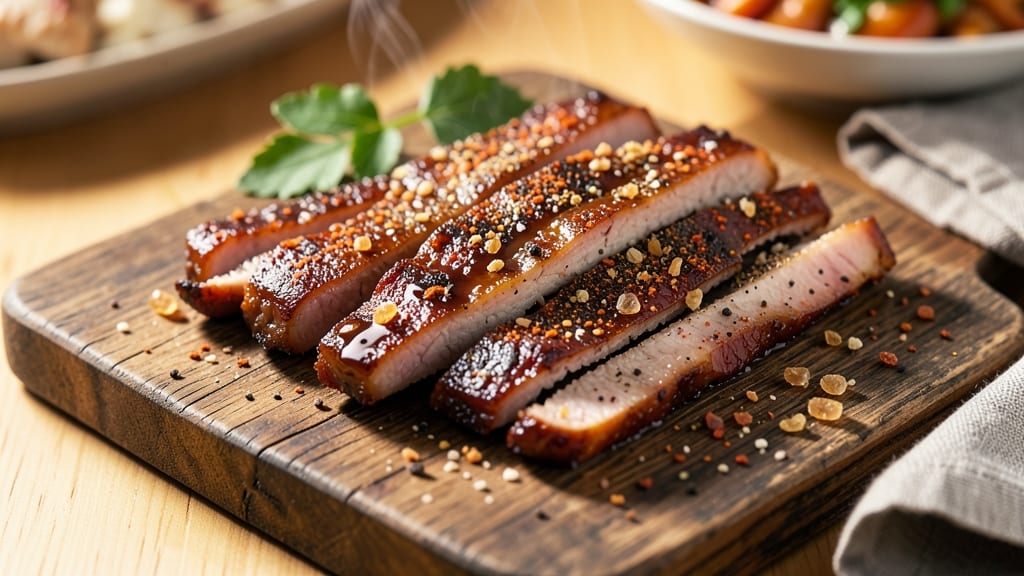
This BBQ pork jerky recipe transforms tough pork into smoky, spice-infused bites that pack a punch—perfect for snacking, camping, or gifting. 🔥 I developed this method after years of perfecting my pitmaster skills, blending French curing techniques with bold Southern flavors.
The result? Jerky so flavorful it disappears in minutes, whether you're smoking it low and slow or air-drying for maximum intensity.
The secret lies in the 24-hour process: curing the meat with a mix of BBQ spices and sugar, then drying it to just the right moisture level.
You'll need a smoker, dehydrator, or even your oven (with careful temperature control), but the payoff is worth it—jerky with a perfect chew and layers of smoky-sweet heat. Safety is key, so we'll cover proper handling and storage every step of the way.
What you'll end up with is restaurant-quality jerky that's crispy on the outside, tender inside, and packed with the kind of deep, complex flavors that make it impossible to stop at one piece. The spices caramelize slightly during drying, creating a crust that adds texture and flavor with every bite.
This isn't your grocery store's jerky—it's a handcrafted, smoky masterpiece that tastes like it came straight from a pitmaster's competition entry.
We'll explore variations too—think sweet and tangy Kansas City-style or fiery Carolina heat—so you can customize it to your taste. Whether you're a beginner or a seasoned smoker, this method delivers foolproof results every time. Let's get started on making jerky that'll have everyone asking for seconds.
Ingredients for bbq pork jerky
Lean pork shoulder, bold spices, and a 24-hour cure—this is all you need for restaurant-quality jerky.
| Ingredient | Amount | Notes |
|---|---|---|
| Lean Pork Shoulder 🥩 | 2 lb | Trimmed of fat, cut into 1/4-inch slices |
| Brown Sugar 🍯 | ½ cup | Light or dark, packed |
| Smoked Paprika 🌶️ | 2 tbsp | For deep smoky flavor |
| Ground Black Pepper 🌶️ | 1 ½ tbsp | Freshly cracked for best flavor |
| Garlic Powder 🧄 | 1 tbsp | Not garlic salt |
| Onion Powder 🧅 | 1 tbsp | For subtle sweetness |
| Mustard Powder 🍯 | 1 tsp | Adds tangy depth |
| Cayenne Pepper 🔥 | ½ tsp | Adjust for heat preference |
| Kosher Salt 🧂 | 1 ½ tbsp | Diamond Crystal preferred |
| Apple Cider Vinegar 🍎 | ¼ cup | For tenderizing |
| Water 💧 | ¼ cup | Cold for curing solution |
| Wood Chips (Hickory or Oak) 🌳 | 1 package | For smoker flavor |
The pork shoulder is where it all starts. Look for lean cuts at the butcher counter—ask for the shoulder blade end, which has less fat and more connective tissue, giving you that perfect chew. If you're buying pre-packaged pork shoulder, Costco or Whole Foods have excellent quality. Trim any visible fat before slicing—it'll make your jerky greasy. For slicing, use a sharp knife and cut against the grain into 1/4-inch thick slices. Pro tip: freeze the meat for 30 minutes before slicing—it makes the job easier and gives you cleaner cuts. The spices? Penzeys or local spice shops have the best quality, but the grocery store stuff works fine if it's fresh.
No smoked paprika? Regular paprika plus a pinch of liquid smoke gets you close—just don't overdo it. Running low on apple cider vinegar? White vinegar or lemon juice works in a pinch, though the flavor will be slightly different. The curing solution is simple: mix the vinegar, water, and all the dry spices in a bowl until fully dissolved. The sugar helps caramelize during drying, so don't skip it. If you're worried about the meat absorbing too much liquid, pat the slices dry with paper towels before coating them in the curing mixture. For extra flavor, add a splash of your favorite BBQ sauce to the curing mix—just save it for the last 30 minutes of the cure.
This jerky keeps beautifully—up to 2 weeks in the fridge or 6 months in the freezer if properly packaged. For fridge storage, wrap individual pieces in parchment paper, then place them in an airtight container. Freezing? Lay the dried jerky on a tray to freeze solid first, then transfer to a ziplock bag with parchment between layers to prevent sticking. Vacuum sealing extends shelf life even further. Once opened, consume within 5 days. Pro move: portion into snack-sized bags for easy grab-and-go eating. And if you make extra? Gift it—it’s the ultimate homemade present.
Why You'll Love This Recipe
- No-Fuss Slicing: I swear by my mandoline for this—thin, even strips every time, no knife fatigue. Five minutes of prep, and you’re done. Honestly, the hardest part is waiting for it to dry.
- Sweet-Smoky Magic: That brown sugar caramelizes into something addictive, while the smoked paprika gives it this deep, campfire-like warmth. The garlic powder? It’s the secret—subtle but so satisfying.
- Snack Attack Ready: Stash it in your gym bag, toss it in lunchboxes, or keep a stash in your desk drawer. It’s my go-to for when hunger hits fast, and it doesn’t need reheating—just grab and go.
- Budget Stretch: Lean pork shoulder is affordable, and this recipe makes enough to feed the whole family for days. Between us, I’ve turned a $10 cut into meals that last weeks—no waste, just flavor.
Step-by-step instructions for smoky BBQ pork jerky
Here's how to transform lean pork shoulder into flavorful jerky with perfect texture.
👨🍳 Step 1: Prepare the Curing Solution
In a medium bowl, whisk together the 0.25 cup apple cider vinegar and 0.25 cup water until fully combined. This mixture tenderizes the meat while adding tangy depth. I like to use a whisk for complete integration—no lumps allowed.
In a separate large bowl, combine the 0.5 cup brown sugar, 2 tbsp smoked paprika, 1.5 tbsp ground black pepper, 1 tbsp garlic powder, 1 tbsp onion powder, 1 tsp mustard powder, 0.5 tsp cayenne pepper, and 1.5 tbsp kosher salt. Use your hands to break up any sugar clumps—this ensures even distribution throughout the jerky.
🔪 Step 2: Slice and Marinate the Pork
Using a sharp knife, carefully slice the 2 lb lean pork shoulder into ¼-inch thick slices against the grain. You want each piece to be uniform for even drying. I press down gently on the meat with my palm while slicing to keep the pieces flat and consistent.
Place the sliced pork in a single layer in a large resealable bag. Pour the curing solution over the meat, then sprinkle the spice mixture evenly over the top. Seal the bag and massage the mixture into the meat for 2 minutes—this ensures every slice gets coated. Let it marinate in the refrigerator for 12-24 hours, turning the bag occasionally.
🔥 Step 3: Smoke the Jerky Low and Slow
Preheat your smoker to 165°F using the hickory or oak wood chips. I've found this temperature range creates tender jerky without drying it out completely. Once the smoker reaches temperature, arrange the marinated pork slices on the smoker grates in a single layer, leaving ½ inch between each piece for proper airflow.
Smoke the jerky for 3-4 hours, checking occasionally to ensure even cooking. You'll know it's ready when the internal temperature reaches 160°F and the edges become slightly crispy. The jerky should be flexible but not rubbery—this means it's perfectly tenderized through the smoking process.
⏰ Step 4: Cool and Store Properly
Remove the jerky from the smoker and let it cool completely on a wire rack. This cooling step prevents condensation from forming inside storage containers, which can make the jerky soggy. I usually let it cool for at least 1 hour before storing.
Transfer the cooled jerky to an airtight container or resealable bag and store in the refrigerator for up to 2 weeks. For longer storage, wrap each piece individually in parchment paper and freeze for up to 3 months. The flavors will continue to develop over time, making it even more delicious as it ages.
Pro Tips For Making Bbq Pork Jerky
- FREEZE THE MEAT FIRST: I learned this the hard way—skipping the freeze makes slicing the pork shoulder uneven and messy. Pop it in the freezer for 20-30 minutes before slicing, and you’ll get clean, paper-thin strips every time. (Yes, even if you’re impatient like me.)
- USE COARSE SALT ON DRY MEAT: The brown sugar in this recipe needs something to cling to, and dry meat is your best friend. Pat those pork slices thoroughly with paper towels, then sprinkle coarse kosher salt first—it grabs moisture better than fine salt and helps the rub stick. (Your future self will thank you.)
- LOW AND SLOW IS NON-NEGOTIABLE: I used to crank the dehydrator or oven to high heat, thinking it’d speed things up. Wrong. Set it to 160°F (71°C) max—any hotter and you’ll end up with chewy jerky. It’ll take 4-6 hours, but patience here guarantees tender, not rubbery, results.
- BRUSH WITH APPLE CIDER VINEGAR MIDWAY: Sounds weird, but it works: After 2-3 hours of drying, brush the slices with a mix of equal parts apple cider vinegar and water. The acid tenderizes the meat further and cuts through the sweetness of the brown sugar. (I skip this when I’m lazy, but the jerky is noticeably better when I don’t.)
Troubleshooting this dish
Uneven Drying
If your jerky turns out unevenly dried—some pieces rubbery and others dry as cardboard—check your slice thickness. Inconsistent cuts mean some parts dry faster than others. I recommend freezing the meat for 30 minutes before slicing to make it easier to cut ¼-inch thick slices perfectly.
Also, ensure proper airflow in your smoker by spacing slices ½ inch apart on the grates. 🌡️
Soggy Jerky
Soggy jerky usually means condensation built up during storage. Always let your jerky cool completely on a wire rack before storing—never pack it warm. For fridge storage, use airtight containers with parchment paper between layers to absorb any moisture.
If you're freezing, wrap each piece individually in parchment before bagging. Pro tip: Vacuum sealing eliminates air and prevents moisture buildup entirely.
Excessive Greasiness
Greasy jerky happens when fat isn't trimmed properly. Before slicing, trim all visible fat from the pork shoulder—even small pockets can make your jerky greasy. If you notice grease spots after drying, blot them with paper towels.
For extra insurance, pat slices dry with paper towels after marinating. I also recommend using leaner cuts like the shoulder blade end rather than fattier sections.
Weak Flavor
Muted flavors often mean the curing time wasn't long enough or spices weren't distributed evenly. Let the meat marinate for the full 24 hours—this gives spices time to penetrate. When mixing spices, use your hands to break up any clumps in the sugar.
For extra punch, add 1 tbsp BBQ sauce to the curing mix during the last 30 minutes of marinating. Freshly ground spices make a huge difference too!
Rubbery Texture
Rubbery jerky usually means it was overcooked or dried too quickly. Keep your smoker at a steady 165°F—never exceed 170°F. Check internal temperature with a meat thermometer—it should reach 160°F but not dry out.
If using an oven, prop the door open slightly for airflow. The jerky should bend slightly but not snap when cooled—this is the perfect texture. 💪
Sticky Surface
Sticky jerky happens when sugar caramelizes too much during drying. Lower your drying temperature to 150°F if you notice excessive stickiness. For extra insurance, brush slices lightly with 1 tsp apple cider vinegar after smoking to help set the sugars.
Store in airtight containers to prevent moisture from re-softening the surface. This trick works especially well for sweet variations with extra brown sugar.
Nutrition facts
Frequently asked questions about BBQ pork jerky
Can I use beef or turkey instead of pork for this recipe?
While you can make jerky with beef or turkey, pork is ideal for this BBQ recipe because of its natural tenderness and fat distribution. Beef jerky benefits from a longer cure time (up to 48 hours) and higher drying temperature (175°F), while turkey dries faster but can turn rubbery if overcooked. Stick with pork for the perfect balance of chew and flavor.
How do I adjust the heat level for sensitive eaters?
Simply reduce or omit the cayenne pepper entirely. For a mild kick, use ¼ tsp instead of ½ tsp. You can also replace it with extra smoked paprika or onion powder for depth without heat. The BBQ flavor will still shine through—just without the spice!
What's the best way to test if jerky is fully dried?
Use the flex test: bend a piece at room temperature. If it cracks but doesn't snap, it's perfect. If it bends like taffy, it needs more drying time. For extra insurance, check the internal temperature—it should reach 160°F at the thickest part. Never rely on time alone!
Can I make this jerky without a smoker?
Use a dehydrator at 160°F for 4-6 hours or your oven with the door propped open. Preheat the oven to 175°F (never higher) and place slices on a wire rack over a baking sheet. Rotate pans halfway through for even drying. The flavors will be slightly different but still delicious!
Why does my jerky turn out too dry or tough?
This usually happens from over-drying or using slices that are too thin. Stick to ¼-inch thick slices and maintain 165°F temperature. For extra tenderness, marinate for the full 24 hours and avoid exceeding 160°F internal temperature. The jerky should be flexible, not brittle!