
Main Courses
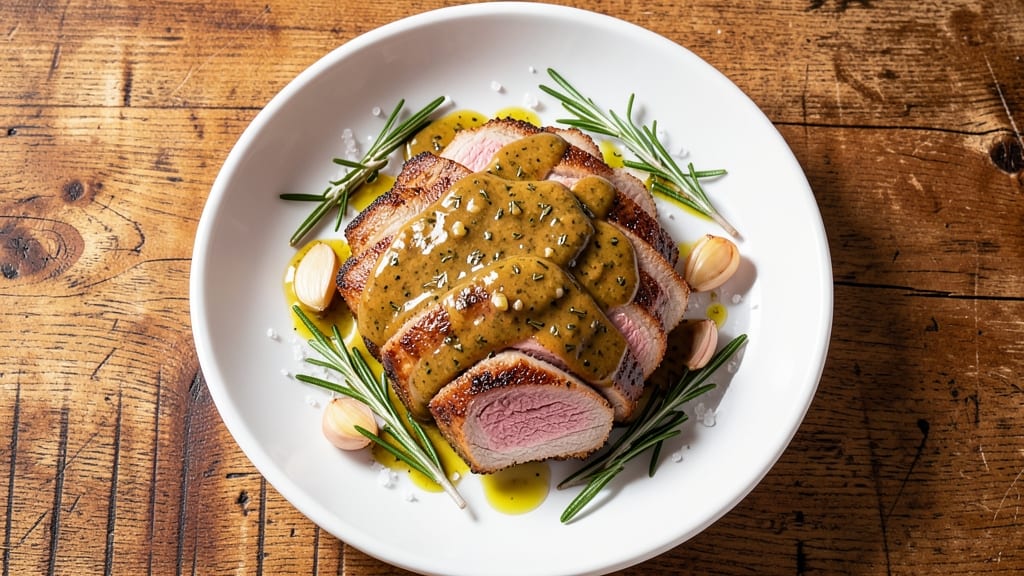
This Barefoot Contessa pork tenderloin recipe delivers restaurant-quality results with just one pan and minimal effort. The secret lies in a simple herb glaze that transforms lean pork into melt-in-your-mouth perfection—tender, juicy, and bursting with aromatic flavors.
I've refined this method over years of perfecting Ina Garten's signature approach, ensuring every bite feels like a Sunday dinner.
What sets this recipe apart is the balance of ingredients: fresh herbs, garlic, and a touch of mustard create a glaze that caramelizes beautifully while keeping the pork impossibly tender.
The one-pan technique means less cleanup and more time enjoying the meal, making it ideal for both weeknight dinners and special occasions. This method works equally well with bone-in or boneless tenderloin, giving you flexibility in presentation.
By the time you're done, you'll have perfectly golden pork with a glossy, herb-infused glaze that clings to every bite. The internal temperature reaches a safe 145°F, ensuring juicy meat without drying it out.
The glaze adds a subtle tang and aromatic depth that pairs beautifully with roasted vegetables or mashed potatoes. It's the kind of dish that feels impressive yet remains approachable for home cooks.
Serve with a simple side salad or roasted seasonal vegetables to complete the meal. The glaze can be made ahead and stored in the refrigerator, making this a convenient option for meal preppers. Here's everything you need to create this elegant yet simple pork tenderloin masterpiece.
Ingredients for barefoot contessa pork tenderloin
Eleven ingredients for a restaurant-worthy pork tenderloin that's simple yet sophisticated.
| Ingredient | Amount | Notes |
|---|---|---|
| Pork Tenderloin 🥩 | 1 ½ lb | Bone-in or boneless, trimmed of silver skin |
| Fresh Rosemary 🌿 | ¼ cup | Needles finely chopped, stems removed |
| Fresh Thyme 🌿 | ¼ cup | Leaves only, stems removed |
| Garlic Cloves 🧄 | 4 cloves | Peeled and smashed with side of knife |
| Dijon Mustard 🍯 | 1 tbsp | High-quality brand preferred |
| Extra-Virgin Olive Oil 🫒 | ½ cup | For richness and gloss |
| Balsamic Vinegar 🍷 | 1 tbsp | Aged for depth of flavor |
| Honey 🍯 | 1 tbsp | Wildflower preferred |
| Salt 🧂 | 1 ½ tsp | Diamond Crystal kosher salt |
| Freshly Ground Black Pepper 🌶️ | ½ tsp | Freshly cracked for best flavor |
| Unsalted Butter 🧈 | 2 tbsp | Cold, cubed for basting |
The pork tenderloin is the star, so choose one that's firm and uniform in size—bone-in adds flavor but boneless is easier to handle. Whole Foods and local butchers often carry the best quality, but the standard supermarket selection works fine. Look for good marbling and vibrant color; avoid any pieces with grayish spots. Fresh herbs are non-negotiable here—their aroma is what transforms this into something special. Trader Joe's has excellent fresh bundles, or grab them from your local farmers market for peak flavor. The Dijon mustard should be smooth, not grainy, and Maille is my go-to brand for that perfect balance of tang and richness.
No fresh rosemary or thyme? Dried works at half the amount, but fresh is ideal for that bright, aromatic punch. Substituting honey? Maple syrup works in a pinch, though it has a slightly different flavor profile. The olive oil matters here—use something fruity and robust, like California Extra Virgin or Colavita, to complement the herbs. For extra depth, add a pinch of red pepper flakes to the glaze if you like a subtle kick. The balsamic vinegar should be aged—Bartolo Mascarello is a great choice if you want to splurge, but any quality aged balsamic will do.
The glaze can be made up to 2 days ahead and stored in the fridge, making this a perfect make-ahead recipe. Pork tenderloin reheats beautifully—simply warm in the oven at 350°F for 10-15 minutes until heated through. For leftovers, slice and serve over a bed of greens or with roasted vegetables. The glaze also makes a fantastic drizzle for grilled vegetables or even as a finishing touch on soups. If you're prepping for a crowd, double the recipe—the glaze keeps well and the pork can be portioned and reheated individually.
Why You'll Love This Recipe
- One-Pan Magic: I swear by this recipe—just toss the pork, herbs, and garlic on a sheet pan, roast, and boom. No fancy prep, no extra dishes. That Dijon mustard glaze? Comes together in minutes while you’re still deciding what to watch on TV.
- Herb-Packed Punch: The rosemary and thyme practically melt into the pork, but not so much that you miss them—just enough to make every bite smell like a cozy Italian kitchen. Honestly, the garlic and mustard combo is where it gets ridiculously good.
- Weeknight to Dinner Party: Same recipe, different vibes. Toss it together for a lazy Tuesday or dress it up with roasted potatoes and crusty bread for guests. My daughter’s friends have no idea it’s the same meal—she just calls it “fancy meat.”
- Leftovers That Don’t Suck: Roast a big piece of pork, slice it thin, and it’s perfect for sandwiches, salads, or even breakfast hash the next day. Between us, this is my secret weapon for avoiding takeout when I’m too tired to cook.
Step-by-step instructions for herb-glazed pork tenderloin
This one-pan method delivers melt-in-your-mouth pork with a fragrant herb crust and glossy glaze.
Prep and Season the Pork
Pat the 1.5 lb pork tenderloin completely dry with paper towels—moisture is the enemy of crispy skin. Place it on a cutting board and trim any silver skin or excess fat using a sharp knife. This ensures even cooking and better flavor penetration.
In a small bowl, combine the 0.25 cup fresh rosemary, 0.25 cup fresh thyme, 1.5 tsp salt, and 0.5 tsp freshly ground black pepper. Rub this mixture all over the pork, pressing firmly so the herbs adhere. Let it sit at room temperature for 15 minutes while you prepare the glaze. This resting period helps the seasoning penetrate the meat.
Make the Herb Glaze
In a small bowl, whisk together the 0.5 cup extra-virgin olive oil, 1 tbsp Dijon mustard, 1 tbsp balsamic vinegar, and 1 tbsp honey. The glaze should be smooth and well combined. Taste it—it should balance sweet, tangy, and herby notes. If needed, adjust with a pinch more salt or a splash of vinegar.
While the pork rests, peel and smash the 4 cloves garlic with the flat side of your knife. This releases their oils and intensifies their flavor. Set aside for the next step. The glaze will form a beautiful crust while keeping the pork incredibly tender—this is where the magic happens.
Sear the Pork Perfectly
Heat a large oven-safe skillet over medium-high heat. Add the 2 tbsp unsalted butter and let it melt completely, then swirl to coat the pan. Place the pork in the skillet and sear for 3-4 minutes per side until it develops a golden-brown crust. This step is critical—it locks in juices and creates that beautiful caramelized exterior.
Once the pork is seared, remove it from the skillet and set it aside. Pour the herb glaze into the same skillet, scraping up any browned bits from the bottom. Add the smashed garlic cloves and cook for 1 minute until fragrant. This deglazing step captures all the flavor from the searing process.
Roast to Juicy Perfection
Return the pork to the skillet and spoon the glaze evenly over the top. Transfer the skillet to a preheated 400°F oven and roast for 20-25 minutes, or until the internal temperature reaches 145°F when measured with a meat thermometer. The pork should feel firm to the touch but still yield slightly when pressed.
During the last 5 minutes of roasting, tent the skillet loosely with aluminum foil to prevent the glaze from over-browning. This keeps the exterior glossy while ensuring the interior stays perfectly tender. The glaze should be thick and sticky, clinging beautifully to the pork.
Rest and Serve
Remove the pork from the oven and let it rest on a cutting board for 10 minutes. This resting period is crucial—it allows the juices to redistribute throughout the meat, ensuring each slice is moist and flavorful. Tent loosely with foil to keep it warm.
Slice the pork into ½-inch thick medallions and serve immediately with the pan juices spooned over the top. The result should be a perfectly tender, herb-infused pork tenderloin with a glossy, caramelized crust that's sure to impress. Serve with roasted vegetables or a fresh salad for a complete meal.
Pro Tips For Making Barefoot Contessa Pork Tenderloin
- SEAR THE GARLIC FIRST: I learned this the hard way—when you crush those garlic cloves into the mustard mixture, sear them in the pan for 30 seconds before adding the pork. That caramelized aroma? It’s the thing that makes this dish smell like a restaurant kitchen instead of a home stove. (And yes, even if you're impatient like me.)
- DON’T OVERWORK THE HERBS: Fresh rosemary and thyme lose their punch when you chop them into dust. Instead, strip the leaves from the stems and roughly chop them—just enough to release their oils, not turn them into confetti. The Barefoot Contessa recipe relies on their bright, intact flavor, not a green paste.
- USE A MEAT THERMOMETER: Pork tenderloin is finicky—it goes from perfect to dry in seconds. Pull it at 140°F, not 145°F (the USDA minimum). The internal temperature will rise another 5 degrees while it rests, and that’s where the magic happens. I used to eyeball it and always ended up with slightly tough meat.
- SALT THE PORK TWICE: First, salt the tenderloin generously 30 minutes before cooking—it helps tenderize. Then, after searing, sprinkle another layer of kosher salt right before roasting. That second hit makes the crust crisp and the meat juicy. (Your future self will thank you for the extra 2 minutes of effort.)
Essential equipment for barefoot contessa pork tenderloin
One-Pan Skillet
This 12-inch oven-safe cast iron skillet is my go-to for this recipe—it handles the searing and roasting perfectly while distributing heat evenly. I love my Lodge Pre-Seasoned Cast Iron because it develops a natural non-stick surface over time.
For a lighter option, a stainless steel skillet like All-Clad Stainless works beautifully, though you may need to adjust heat slightly to prevent sticking. 🔥
Meat Thermometer
A digital instant-read thermometer is non-negotiable for pork tenderloin—it cooks so quickly that oven thermometers won't cut it. I swear by the ThermoWorks Smoke for its accuracy and durability.
Insert it into the thickest part of the meat without touching bone (if using bone-in). The 145°F internal temperature is your target—any higher and the pork risks drying out.
Sharp Knife Set
You'll need a chef's knife (8-inch) for trimming silver skin and a slicing knife (6-inch) for clean medallions. My Wüsthof Classic set handles everything from prep to plating. A sharpener like the Mercer Culinary Genesis keeps blades razor-sharp—dull knives crush meat instead of cutting it cleanly.
Remember, pork tenderloin is lean, so precise cuts prevent tearing during slicing.
Mixing Bowls
Two small mixing bowls (one for herbs, one for glaze) keep ingredients organized. I prefer stainless steel for durability, but glass works too. The glaze bowl should have straight sides for easy whisking.
For extra prep efficiency, use a small whisk (like the OXO Good Grips) to emulsify the oil and vinegar perfectly. The glaze needs to be silky smooth for that restaurant-quality finish.
Tongs for Turning
Tongs are better than forks for flipping the pork—they grip better and prevent piercing the meat. My Mercer Culinary Genius tongs have a comfortable grip and long reach for that skillet. Use them to flip the pork during searing and to baste with the glaze later. The angled head helps lift meat cleanly without dropping bits into the pan.
Optional: Meat Mallet
If your pork tenderloin is particularly thick (over 1.5 inches), a meat mallet helps create even thickness. I use a pounding tool from J. Kenji López-Alt's test kitchen—it's lightweight but effective.
Gently pound to ½-inch thickness for more even cooking. This step ensures the center reaches temperature while the exterior stays crispy. Skip this if your tenderloin is uniform in size. 💪
Nutrition facts
Frequently asked questions
Can I use bone-in pork tenderloin for this recipe?
Bone-in tenderloin adds wonderful flavor and keeps the meat extra juicy. The cooking time remains the same, but you'll want to avoid piercing the meat with your thermometer—insert it into the thickest part without touching bone. Bone-in versions typically yield slightly more meat than boneless.
What's the best way to store leftovers?
Store cooked pork tenderloin in an airtight container in the refrigerator for up to 3 days. For longer storage, freeze portions in individual meal-sized containers for up to 3 months. Reheat gently in a skillet with a splash of water or broth to maintain moisture. The glaze reheats beautifully too!
Can I make the glaze ahead of time?
Yes! The glaze can be prepared up to 2 days ahead and stored in the refrigerator. Simply whisk it again before using to re-emulsify. The herbs in the seasoning should be fresh for maximum flavor, but you can prep the herb mixture separately and combine it just before cooking. This makes Sunday prep a breeze!
Why did my pork turn out dry?
Overcooking is the most common cause. Pork tenderloin cooks quickly—use a meat thermometer to check for 145°F internal temperature. Also ensure your pork is at room temperature before cooking and don't skip the resting period. For extra insurance, brining the pork for 30 minutes in salted water before cooking adds moisture.
What are the best sides to serve with this?
This herb-glazed pork pairs beautifully with roasted seasonal vegetables, creamy mashed potatoes, or a fresh arugula salad. For a complete meal, try roasted Brussels sprouts with bacon or wild rice pilaf. The glaze also makes a fantastic drizzle for grilled asparagus or roasted carrots!