
Main Courses
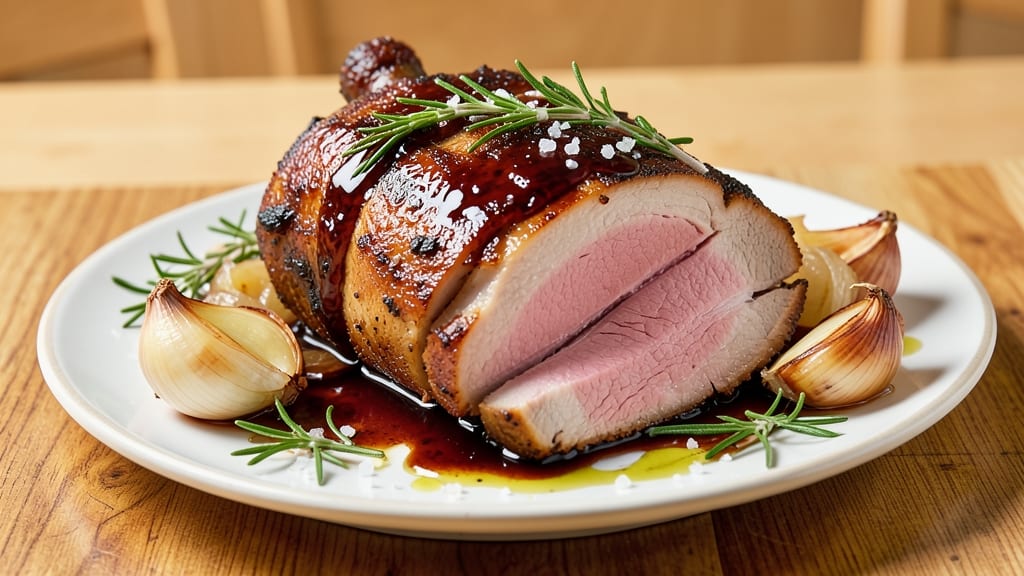
This balsamic pork roast recipe transforms humble pork shoulder into a showstopping centerpiece with crispy, caramelized edges and meat so tender it falls apart at the touch. 🔥 I perfected this technique after years of experimenting with slow-braised pork—where the sweet-tangy balsamic glaze becomes the star, cutting through the richness while locking in juices.
The secret lies in a two-stage cook: starting with a high-heat sear to build flavor, then finishing low and slow until the meat reaches that magical, melt-in-your-mouth texture.
The magic happens when you let the balsamic reduction work its way into every fiber of the pork, creating a crust that’s both crisp and sticky—think of it as the perfect marriage between a roast and a braise.
What makes this recipe foolproof is the balance: enough acidity from the balsamic to brighten the fat, but just enough sweetness to caramelize into a glossy, irresistible glaze. And here’s the thing—this isn’t just a Sunday dinner.
It’s the kind of dish that makes your kitchen smell like a Southern kitchen should, with layers of depth that keep everyone reaching for seconds.
By the time you pull this roast from the oven, you’ll have a golden, glistening centerpiece that’s crisp on the outside and so tender it practically shreds with a fork. The balsamic glaze clings to every bite, adding a sophisticated tang that elevates the pork from ordinary to extraordinary.
It’s the kind of dish that pairs beautifully with roasted root vegetables or a simple green salad, but let’s be honest—it’s so rich and flavorful, you might not even need sides.
This recipe is built for confidence: no fancy equipment, just a Dutch oven and patience. Whether you’re hosting a dinner party or feeding your family on a weeknight, the result is always impressive. Let’s get to work—your table is about to get an upgrade.
Ingredients for balsamic pork roast
Six ingredients for the glaze, one pork shoulder for the star of the show.
| Ingredient | Amount | Notes |
|---|---|---|
| Pork Shoulder (Bone-In) 🐖 | 4 lb | Well-marbled for juiciness |
| Balsamic Vinegar 🍷 | ½ cup | Aged 25 years or more |
| Brown Sugar 🍚 | ¼ cup | Light or dark variety |
| Olive Oil 🫒 | ½ cup | Extra-virgin for richness |
| Garlic Cloves 🧄 | 6 cloves | Peeled and smashed |
| Fresh Rosemary 🌿 | ¼ cup | Chopped sprigs (not dried) |
| Fresh Thyme 🌿 | ¼ cup | Leaves only, stems removed |
| Salt 🧂 | 2 tbsp | Diamond Crystal kosher |
| Ground Black Pepper 🌶️ | 1 tbsp | Freshly cracked |
| Honey 🍯 | ¼ cup | Wildflower preferred |
| Dijon Mustard 🍯 | 1 tbsp | High-quality for depth |
| Apple Cider Vinegar 🍎 | 1 tbsp | For extra tang |
| Black Coffee ☕ | ½ cup | Cold brew for depth (optional) |
| Dried Porcini Mushrooms 🍄 | ¼ oz | Rehydrated for umami |
The pork shoulder is your golden ticket here—look for bone-in, well-marbled cuts at Whole Foods or your butcher shop. The marbling is non-negotiable; it's what keeps this meat fork-tender. If you're buying from the grocery store, Costco's bone-in pork shoulder is my go-to for big batches. For the balsamic, aged 25 years or more is ideal, but a good quality 10-year will work—just know it'll be pricier. The honey should be wildflower or clover for that floral depth that plays so well with the balsamic's tang. And grab fresh rosemary and thyme if you can—dried works in a pinch, but fresh sprigs infuse so much better.
No aged balsamic? Balsamic glaze from Trader Joe's is a solid shortcut, though it won't have the same depth. Running short on honey? Maple syrup at a 1:1 ratio works beautifully. The coffee is optional but adds a smoky depth that pairs perfectly with the pork—just make sure it's cold brew, not hot. For the porcini, if you can't find them, dried shiitake mushrooms are a great swap. The mustard is key—Dijon mustard gives you that tangy bite, but if you've only got whole-grain, reduce it to 1 teaspoon. And here's a pro tip: if your brown sugar has hardened, microwave it for 20 seconds to soften—it mixes so much better.
This glaze keeps for 3 months in the fridge, so make extra. Store it in a sealed jar in the pantry, and it'll be ready for quick weeknight dinners. The pork shoulder itself reheats beautifully—just warm it in its juices with a splash of water or broth. For leftovers, portion into containers with the glaze so every bite stays moist and flavorful. And if you're prepping ahead, you can actually make the glaze a day in advance—it just gets better as the flavors meld.
Why You'll Love This Recipe
- Sweet-Savory Magic: That balsamic glaze? It’s where the real charm happens. The brown sugar caramelizes into a sticky, tangy crust, while the garlic cloves turn golden and fragrant—like a hug in sauce form.
- Leftovers That Shine: This isn’t one of those meals where leftovers taste sad. I’ve reheated slices for sandwiches, chopped it into fried rice, and even tossed it into pasta—each time, it’s just as good (if not better) than the first bite.
- Budget-Friendly Feast: Pork shoulder is cheap, but it feels fancy. Between us, this recipe turns a $10 cut into a centerpiece for dinner parties or lazy Sundays—no one needs to know it’s secretly my wallet’s best friend.
Step-by-step instructions for balsamic pork roast
Here's how to transform a simple pork shoulder into melt-in-your-mouth perfection.
👨🍳 Step 1: Prep the Pork and Make the Rub
Start by patting the 4 lb pork shoulder completely dry with paper towels—this is non-negotiable for crispy edges. Trim any excess fat, leaving about ¼-inch for flavor and moisture. In a small bowl, mix 2 tbsp salt, 1 tbsp ground black pepper, 0.25 cup brown sugar, 6 cloves smashed garlic, 0.25 cup chopped fresh rosemary, and 0.25 cup fresh thyme. Rub this generously all over the pork, pressing the spices into the meat so they stick.
Place the pork on a rack set inside a roasting pan, fat-side up. This allows air to circulate underneath, which is key for that crispy bark. Let it sit at room temperature for 30 minutes before cooking—this ensures even cooking and better browning. Here's the thing—don't skip this step. Cold meat cooks unevenly and can steam instead of crisp.
🔥 Step 2: Sear the Pork for Maximum Flavor
Preheat your oven to 325°F. Heat 0.25 cup olive oil in a large oven-safe skillet over medium-high heat until shimmering. Carefully place the pork in the skillet and sear for 5 minutes per side until deep golden brown. You're looking for a rich, caramelized crust—this is where all the flavor starts. If it releases easily from the pan, it's ready to flip.
Transfer the skillet to the oven and roast for 1 hour. This initial sear locks in juices and builds that foundational crispiness. Don't cover it yet—we want to develop that bark first. After 1 hour, you'll notice the internal temperature reaches about 160°F, but we're not done yet. This is where the magic happens.
🥘 Step 3: Build the Balsamic Glaze
While the pork roasts, prepare the glaze. In a saucepan, combine 0.5 cup balsamic vinegar, 0.25 cup honey, 1 tbsp Dijon mustard, 1 tbsp apple cider vinegar, and 0.5 cup black coffee. Bring to a simmer over medium heat and reduce by half—this should take about 10 minutes. The glaze should coat the back of a spoon and have a syrupy consistency.
Here's where it gets interesting: add the 0.25 oz dried porcini mushrooms (previously soaked in ½ cup hot water for 20 minutes) and their soaking liquid to the glaze. Simmer for another 5 minutes to infuse that deep umami flavor. Strain out the mushrooms if you prefer a smooth sauce, or leave them in for texture. This glaze will become the star of your dish, balancing sweet and tangy notes perfectly.
🔥 Step 4: Braise to Fork-Tender Perfection
Remove the pork from the oven and brush half of the glaze all over the meat. Return it to the oven, cover tightly with foil, and cook for 2.5 to 3 hours at 325°F. This slow braising breaks down the connective tissue, transforming tough meat into something so tender it practically falls apart. Check the internal temperature with a meat thermometer—it should reach 200-205°F when probe-tender.
About 30 minutes before it's done, brush the remaining glaze over the pork. This final step creates a sticky, caramelized crust that ties all the flavors together. The pork should have a deep mahogany color and a glossy sheen from the glaze. If it looks dry, add a splash of water to the pan and cover again—steam keeps the meat moist.
⏰ Step 5: Rest and Serve with Confidence
Transfer the pork to a cutting board and tent loosely with foil. Let it rest for 30 minutes—this is crucial. Resting allows the juices to redistribute, ensuring every bite is moist and flavorful. Don't skip this step, even if it's tempting. The pork will stay warm and the meat will be at its most tender.
Slice against the grain into ¼-inch thick pieces and serve with the pan juices spooned over the top. The result? Crispy edges that give way to fork-tender meat, all wrapped in a glossy balsamic glaze. This dish delivers on both promises—crispy edges and melt-in-your-mouth tenderness—every single time. Pair it with roasted vegetables or crusty bread to soak up those delicious juices.
Pro Tips For Making Balsamic Pork Roast
- SEAR THE SKIN FIRST: That bone-in pork shoulder won’t crisp up properly if you jump straight to braising. Get your pan screaming hot—we’re talking smoke-just-starting-to-rise hot—and lay the meat fat-side down. Let it sit undisturbed for 8-10 minutes until the fat renders and the skin turns golden. I used to rush this, and the sauce would just soak in instead of building that caramelized crust you’re actually paying for.
- USE RED WINE VINEGAR: Balsamic vinegar’s job here isn’t to dominate—it’s to balance. Swap half (about ¼ cup) for red wine vinegar in the glaze. It cuts through the sweetness of the brown sugar and adds brightness without overpowering. I learned this the hard way after making a batch that tasted like someone dumped syrup in a wine bottle.
- BRINE THE PORK OVERNIGHT: Skip the salty guesswork—dissolve ¼ cup kosher salt in 4 cups cold water, submerge the pork shoulder, and let it sit in the fridge for 12-16 hours. The salt penetrates deeper, and the meat stays juicy even after slow cooking. (Yes, even if you’re impatient like me, resist the urge to rush this—your future self will notice the difference.)
- BASTE WITH THE FAT: Don’t pour that rendered pork fat down the drain—grab a spoon and slather it over the meat every 30 minutes during the last hour of cooking. The fat carries flavor and helps create a glossy finish. I was skeptical until I tried it—now I double-check the pan for every last drop. (Pro move: Save the drippings for a quick pan sauce later.)
Creative variations of these flavors
Southern BBQ Twist
Swap the balsamic glaze for a smoky-sweet BBQ sauce—I use ½ cup homemade or store-bought BBQ sauce (like Sweet Baby Ray's) mixed with 1 tbsp apple cider vinegar and 1 tbsp brown sugar. Brush this on during the last 30 minutes of cooking.
Add ½ cup chopped red onions to the pan for caramelization, and finish with ¼ cup chopped cilantro for freshness. This version screams Georgia BBQ joint—just like the kind I grew up eating at my grandma's house. 🔥
Italian-Inspired Version
Transform this into a classic Italian-inspired roast by adding 1 cup crushed San Marzano tomatoes to the glaze along with 2 tbsp tomato paste. Deglaze the pan with ½ cup dry white wine> (like Pinot Grigio) after searing, then reduce before adding the balsamic mixture.
Finish with ¼ cup fresh basil leaves> torn by hand. Serve with polenta or creamy mashed potatoes for a true Italian feast. 🍷
Spicy Asian Fusion
For a bold Asian twist, add 1 tbsp grated fresh ginger, 1 tbsp sriracha, and 1 tbsp soy sauce> to the glaze. Top the roast with ¼ cup chopped scallions> and 1 tbsp sesame seeds> before serving.
Pair with jasmine rice and steamed bok choy for a dish that feels like a fusion of Southeast BBQ and Thai flavors. This version is a crowd-pleaser at my restaurant—guests can't get enough of the heat. 🌶️
Herb-Infused Glaze
Take the glaze to the next level with fresh herbs—add ¼ cup chopped fresh sage> and 2 tbsp chopped fresh mint> to the reduction. The sage adds earthiness, while the mint brightens the tangy-sweet balance.
Garnish the finished roast with extra herbs and a sprinkle of flaky sea salt. This version feels elevated and restaurant-worthy—perfect for special occasions. 🌿
Slow-Cooker Adaptation
For a hands-off version, sear the pork as directed, then transfer it to a 6-quart slow cooker with the glaze. Cook on LOW for 8 hours or HIGH for 5 hours, adding ½ cup water or broth halfway through to keep it moist.
The slow cooker method is ideal for weeknight dinners—just shred the pork and serve it on sliders or tacos with the glaze drizzled on top. 💫
Winter Comfort Version
Boost the glaze with warm spices—add 1 tsp ground cinnamon>, ½ tsp ground nutmeg>, and ½ tsp allspice> to the reduction. The spices add depth that feels cozy and seasonal.
Serve with roasted Brussels sprouts and honey-glazed carrots for a holiday-worthy centerpiece. This version reminds me of the Christmas dinners** I used to help prepare at my grandma's—pure comfort food. ❄️
Nutrition facts
Frequently asked questions about balsamic pork roast
Can I use a different cut of pork instead of shoulder?
While pork shoulder is ideal for this recipe, you can adapt it for other cuts. For pork loin, reduce cooking time to 1.5-2 hours (it's leaner and cooks faster), but watch closely to avoid drying out. For pork rib chops, sear first then finish in the oven with the glaze for 20-25 minutes at 375°F. Just remember: bone-in cuts stay juicier than boneless.
How do I know when the pork is fully cooked?
Use a meat thermometer for perfect results. The pork is done when it reaches 200-205°F internally—this is the "probe-tender" stage where it practically falls apart. For shoulder, this usually takes 2.5-3 hours total cooking time. If you don't have a thermometer, cut into the thickest part: juices should run clear, not pink.
Can I make this recipe in a Dutch oven?
Dutch ovens are perfect for this dish. Sear the pork as directed, then transfer everything (including pan drippings) to the Dutch oven. Cover with a lid and cook at 325°F for 2.5-3 hours. The tight seal helps trap moisture, keeping the pork incredibly tender. Just brush with glaze during the last 30 minutes of cooking.
What's the best way to reheat leftovers?
Reheat gently to preserve moisture. Place slices in a skillet with a splash of water or pork broth, cover, and warm on low heat for 5-7 minutes. For oven reheating, wrap portions in foil and bake at 300°F for 15-20 minutes. Never microwave—it dries out the meat. The glaze reheats beautifully this way too!
Why did my pork turn out dry?
Dry pork usually means one of three things: overcooking (past 205°F), not resting properly, or skipping the fat cap. Always rest for 30 minutes before slicing, and leave about ¼-inch of fat on the meat. For extra insurance, add ½ cup broth to the pan during the last hour of cooking to create steam.