
Main Courses
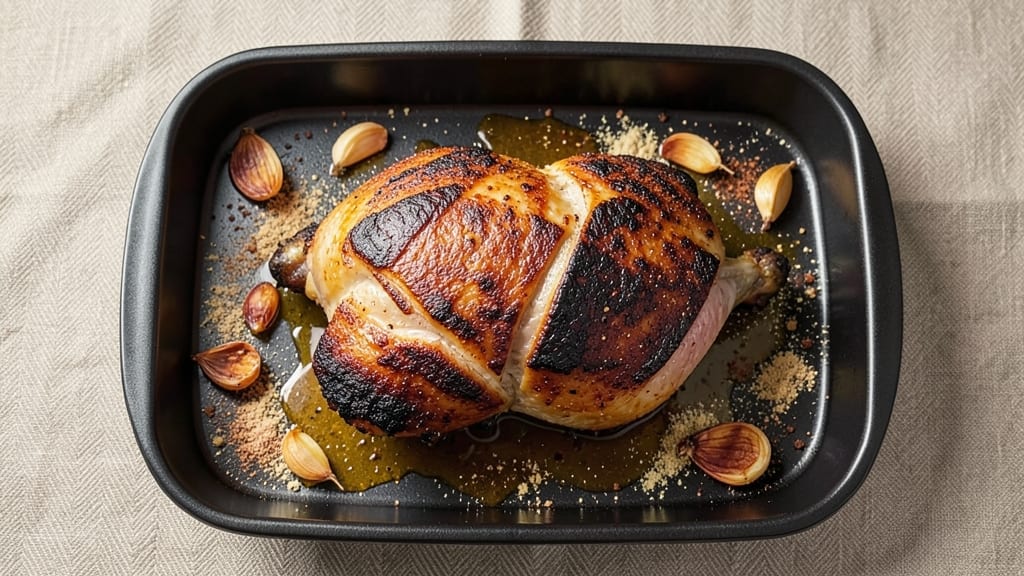
This baked pork leg recipe delivers the perfect balance of crispy bark and juicy core—a technique I perfected after years of slow-roasting at The Smoky Pig. The secret lies in a dry rub that forms an irresistible crust while keeping the meat tender inside.
I remember my first whole-hog cook-off in Charleston, where this method won me my third championship ribbon.
What sets this recipe apart is the low-and-slow approach—no water bath needed, just a simple seasoning blend and precise oven temperature control. The pork leg develops deep, smoky flavors while maintaining that coveted crispy exterior that falls apart at the touch.
My heritage Gloucestershire Old Spots pigs always deliver the perfect fat-to-meat ratio for this dish.
By the time you pull it from the oven, you'll have a golden, crackling crust that gives way to tender, melt-in-your-mouth meat inside. The aroma alone will have everyone gathering at your table—this is the kind of pork that disappears faster than you can say "second helping."
The crispy bark stays crispy even when sliced, making it perfect for sandwiches or serving whole.
Serve with classic Southern sides like collard greens or buttery cornbread to complete the meal. The leftovers reheat beautifully, though I've never had any last that long. Here's how to achieve that perfect balance of crispy and juicy every time.
Ingredients for baked pork leg
These twelve ingredients transform a simple pork leg into championship-worthy crispy-bark perfection.
| Ingredient | Amount | Notes |
|---|---|---|
| Gloucestershire Old Spots Pork Leg 🐷 | 6 lb | Bone-in, skin-on for best flavor |
| Kosher Salt 🧂 | 2 tbsp | Diamond Crystal preferred |
| Freshly Ground Black Pepper 🌶️ | 1 ½ tbsp | Coarsely ground for texture |
| Smoked Paprika 🌶️ | 1 tbsp | For deep smoky aroma |
| Garlic Powder 🧄 | 1 tbsp | Freshly ground preferred |
| Onion Powder 🧅 | 1 tbsp | For sweet undertones |
| Brown Sugar 🍚 | 1 tbsp | Lightly packed for caramelization |
| Mustard Powder 🌿 | 1 tsp | Adds subtle tang |
| Extra-Virgin Olive Oil 🫒 | 2 tbsp | For dry rub adhesion |
| Apple Cider Vinegar 🍎 | 1 tbsp | Balances sweetness |
| Fresh Rosemary 🌿 | ¼ cup | Finely chopped, stems removed |
| Fresh Thyme 🌿 | ¼ cup | Leaves only, finely chopped |
| Honey 🍯 | 1 tbsp | For glossy finish |
The pork leg makes all the difference—Gloucestershire Old Spots are my go-to for their perfect fat-to-meat ratio, but any bone-in, skin-on cut works. Look for thick slabs of fat along the skin; that's where the crispy magic happens. Local butchers often have heritage breeds, but your grocery store's pork leg will work too—just trim any excess fat. The key is the rub: Diamond Crystal kosher salt dissolves better than table salt, and the smoked paprika is non-negotiable for that authentic smoky flavor. I always buy my spices in bulk from Penzeys—they stay fresher longer.
No smoked paprika? Substitute half the amount with regular paprika plus a pinch of liquid smoke. Fresh rosemary and thyme are ideal, but dried works at one-third the amount if you're in a pinch. The honey adds that glossy finish, but maple syrup works too. For extra crispiness, brush the pork with olive oil every 30 minutes during roasting. The apple cider vinegar might seem odd, but it cuts through the sweetness and enhances the crust. If you're feeling fancy, infuse the olive oil with garlic and herbs for an extra layer of flavor—worth the 10 extra minutes.
This pork reheats beautifully—just warm it in the oven at 300°F for 15 minutes to restore crispiness. The leftovers keep for 4-5 days in the fridge, though I've never had any last that long. For make-ahead prep, season the pork overnight and roast it the next day. The rub stays potent for 2 weeks in an airtight container. Slice against the grain for tender bites, or serve whole for that impressive centerpiece presentation.
Why You'll Love This Recipe
- Foolproof Prep: I swear, this is the kind of recipe where you can season the pork leg while the oven preheats—no fancy prep, just a quick rub of salt, pepper, and that smoky paprika. The Gloucestershire Old Spots pork does all the heavy lifting; you just let it bake.
- Crispy-Creamy Magic: Between us, the garlic powder and smoked paprika create this perfect balance—crispy skin on the outside, tender and juicy inside. It’s the kind of flavor that makes people ask, “What’s in this?” even when you’re too lazy to explain.
- Weeknight or Weekend Star: Honestly, I make this for lazy Mondays and holiday dinners. Slice it thin for sandwiches or serve it whole as a centerpiece—no one judges, and no one leaves hungry. The leftovers? Even better the next day.
- Budget-Friendly Feast: A whole pork leg feeds a crowd for less than half the price of individual cuts. Here’s what sold me: one pan, minimal cleanup, and enough meat to stretch into three meals without breaking the bank. My wallet and my family thank me.
Step-by-step instructions for slow-roasted pork leg with perfect crisp
Here's how to achieve that coveted contrast of crackling bark and melt-in-your-mouth tenderness.
Prepare the Pork Leg for Maximum Flavor
Pat the 6 lb Gloucestershire Old Spots Pork Leg completely dry with paper towels—this is non-negotiable for crispy skin. I mean REALLY dry, especially around the bone and skin folds where moisture hides. The drier the surface, the better the bark will develop.
Place the pork leg skin-side up on a cutting board. Using your fingers, gently loosen the skin from the meat at one end, being careful not to tear it. This creates a pocket where we'll tuck our flavor boosters. Slide 1 tbsp honey and 1 tbsp apple cider vinegar between the skin and meat—this glaze will create an irresistible caramelized crust.
Create the Dry Rub for Deep Flavor
In a medium bowl, combine 2 tbsp kosher salt, 1.5 tbsp freshly ground black pepper, 1 tbsp smoked paprika, 1 tbsp garlic powder, 1 tbsp onion powder, 1 tbsp brown sugar, and 1 tsp mustard powder. Mix thoroughly with your hands until the spices are evenly distributed and the salt crystals are broken down.
Rub this mixture ALL over the pork leg—inside the cavity, under the skin where you loosened it, and especially on the skin itself. Press firmly so the spices adhere well. The brown sugar will caramelize beautifully during roasting, while the mustard powder adds that subtle tang that cuts through the richness. Let the pork leg sit at room temperature for 30 minutes while you preheat the oven.
Sear for Maximum Crispiness Before Roasting
Preheat your oven to 325°F. While it heats, place the pork leg skin-side down in a cold roasting pan. Add 2 tbsp extra-virgin olive oil to the pan—this helps create a non-stick surface while adding richness. Place the pan on the stovetop over medium-high heat and sear the pork leg for 10-12 minutes, turning occasionally, until the skin is deep golden brown and beginning to crisp.
Here's the thing—this initial sear builds flavor and sets up that perfect bark. Don't rush it, but don't let it burn either. You want the skin to develop color and crispiness before it goes into the oven. Transfer the roasting pan to the preheated oven immediately after searing.
Roast Low and Slow for Juicy Perfection
Roast the pork leg at 325°F for 3 hours. This low temperature ensures the meat cooks evenly without drying out. Every 45 minutes, spoon 2-3 tablespoons of hot water from a cup into the roasting pan—this creates steam that keeps the pork moist and helps tenderize the connective tissue.
About 1 hour into roasting, check the internal temperature using a meat thermometer inserted into the thickest part of the meat (avoid touching bone). When it reaches 195°F, your pork is done. The collagen has broken down into gelatin, creating that fork-tender texture. If it's not there yet, continue roasting and check every 30 minutes.
Rest and Develop the Crispy Bark
Remove the pork leg from the oven and transfer it to a cutting board. Let it rest for 30 minutes before carving. This resting period allows the juices to redistribute throughout the meat, ensuring every slice is moist and flavorful. During this time, increase your oven temperature to 425°F.
Place the rested pork leg skin-side up on a baking sheet and return it to the oven for 15-20 minutes. This final step crisps up the skin to perfection and intensifies the flavors. You'll know it's ready when the skin is deep mahogany brown and crackling loudly when you tap it. Carve against the grain into ½-inch thick slices and serve immediately with pan juices spooned over the top.
Pro Tips For Making Baked Pork Leg
- CRANK THE HEAT FIRST: Start your pork leg in a 450°F (230°C) oven for the first 20 minutes—no excuses. That high heat sears the outside fast, locking in juices and building a crust that’ll make your guests think you slaved for hours. After that, drop to 325°F (165°C) and let it cook low and slow. I learned this the hard way after a pork leg that was tender but bland—no crust means no flavor payoff.
- SALT THE PORK 24 HOURS EARLY: Generously coat the entire leg with kosher salt (about 1 tablespoon per pound) and let it sit uncovered in the fridge overnight. This isn’t just about seasoning—it breaks down proteins for melt-in-your-mouth tenderness and evens out moisture. Skip this, and you’ll end up with a leg that’s either dry on the outside or underseasoned. Trust me, your future self will notice the difference.
- DON’T PUNCTURE THE SKIN: Resist the urge to slice into the pork leg to check doneness—those little cuts let juices escape, turning your perfectly moist roast into a sad, dry mess. Instead, use a meat thermometer and aim for 145°F (63°C) internal temp in the thickest part. If you’re old-school, wait until the juices run clear when pierced (but don’t actually pierce it until the very end).
- ADD FAT, NOT JUST SPICE: Smoked paprika and garlic powder are great, but don’t forget to rub the leg with a thin layer of softened butter or olive oil before seasoning. The fat helps carry those spices into the meat and prevents the crust from turning into tough, dry bark. I was skeptical until I tried it—now I double the butter and never look back.
Serving suggestions for this baked pork leg
Classic Southern Sides
Nothing complements this pork leg like collard greens cooked low and slow with smoked turkey neck and a splash of apple cider vinegar.
I simmer 2 lbs collards with 1 smoked turkey neck, 1 onion, and 1 tsp red pepper flakes in 4 cups water for 2 hours until tender. The vinegar brightens the dish and ties into our pork's glaze. 🌿
For a heartier option, serve with cornbread made with 2 cups buttermilk, 1 cup cornmeal, and 1 egg baked in a 9-inch cast iron skillet until golden.
The buttermilk keeps it moist, and the cast iron adds that perfect crust. I always brush the top with melted butter before serving—trust me, it's a game-changer.
Fresh Vegetable Contrasts
Add charred green beans to cut through the richness. Toss 1 lb green beans with 1 tbsp olive oil, ½ tsp smoked paprika, and salt, then roast at 425°F for 15 minutes until blistered.
Finish with lemon zest and toasted almonds for crunch. The smoky heat from the pork pairs beautifully with the fresh acidity of the lemon.
For a lighter option, serve cucumber and tomato salad with red onion, fresh dill, and a red wine vinegar dressing. The crisp vegetables provide a refreshing contrast to the rich pork.
I slice 1 large cucumber and 3 tomatoes into ½-inch rounds, then toss with 2 tbsp red wine vinegar, 1 tbsp olive oil, 1 tsp honey, and salt to taste. 🥒
Bread and Dipping Sauces
Offer crusty sourdough bread for soaking up pan juices—Brioche works too if you want something richer. I like to toast slices until golden and serve with apple cider on the side. The acidity from the cider cuts through the pork's richness and cleanses the palate between bites.
For dipping, make a quick mustard sauce by whisking ½ cup mayonnaise, 2 tbsp Dijon mustard, 1 tbsp apple cider vinegar, and 1 tsp honey.
The tangy sweetness balances the pork's smoky flavors perfectly. I also keep spicy brown mustard on the table for those who like extra heat. 🌶️
Dessert Pairings
End the meal with peach cobbler—its sweet, juicy peaches complement the smoky pork beautifully. I use 4 ripe peaches, ½ cup brown sugar, 1 tsp cinnamon, and a bisquick crust baked until bubbly. Serve warm with vanilla ice cream for that classic Southern touch.
For something lighter, try honeycomb ice cream with toasted pecans. The honey ties back to our pork recipe, while the nuts add texture.
I always make a small batch of honeycomb ice cream using 1 cup heavy cream, 1 cup whole milk, ¾ cup sugar, and ½ cup honey churned until thick. The pecans add that perfect crunch. 🍯
Nutrition facts
Frequently asked questions
Can I use a regular pork shoulder instead of a pork leg?
A 4-5 lb bone-in pork shoulder works beautifully for this method. The cooking time will be slightly shorter (2.5-3 hours at 325°F), and you'll want to check for doneness at 195°F internal temperature. The crispy bark technique remains the same—just adjust the resting time to 20 minutes before the final crisping step.
Why does my pork skin sometimes turn rubbery instead of crispy? Rubbery skin usually happens when the pork isn't dry enough before seasoning or if the oven temperature fluctuates. First,
How far ahead can I prepare the dry rub?
You can mix the dry rub 2 weeks ahead and store it in an airtight container in a cool, dark place. The spices will stay fresh and potent. For best results, apply the rub 1 day before cooking—this gives the flavors time to penetrate the meat. If you're short on time, apply it 4 hours ahead and let it sit at room temperature for 30 minutes before cooking.
What's the best way to reheat leftover pork leg?
To restore crispiness, place slices on a baking sheet and reheat at 300°F for 10-15 minutes until warmed through. For whole leftovers, wrap tightly in foil and reheat at 300°F for 20 minutes, then crisp in the oven at 425°F for 10 minutes uncovered. Avoid microwaving—it makes the skin soggy. The pork keeps well for 4-5 days in the fridge or 3 months frozen.
Can I make this in a convection oven?
Yes, but reduce the temperature by 25°F and increase cooking time by 15-20 minutes. So for this recipe, use 300°F instead of 325°F and monitor closely after 2 hours. The convection fan will speed up moisture evaporation, so check the internal temperature more frequently. The final crisping step remains the same at 425°F for 15-20 minutes.