
Soups & Stews
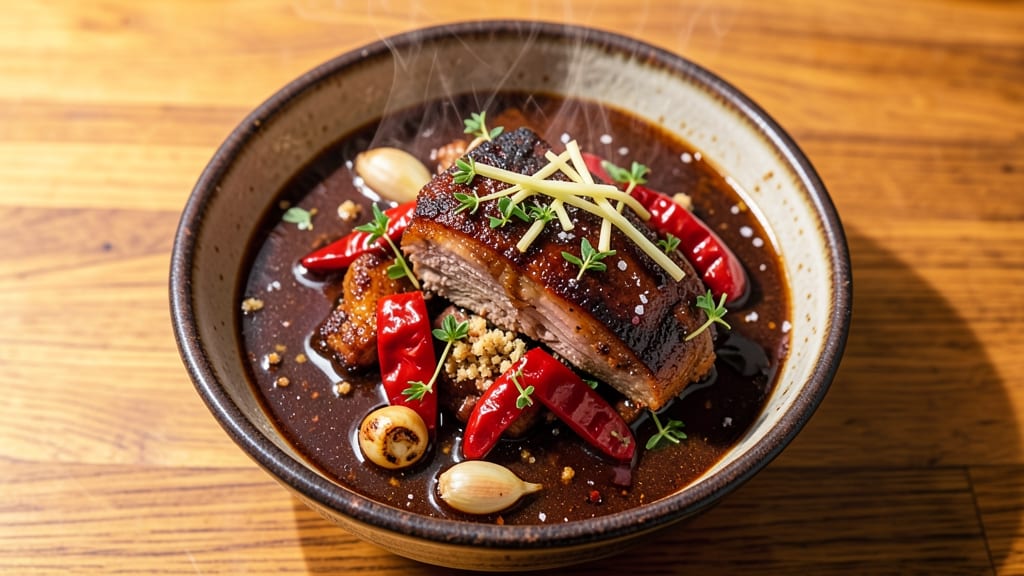
This Bajan pork stew recipe transports you straight to the Caribbean with its deep, spicy-sweet flavors and melt-in-your-mouth tender meat. 🌟 Growing up in Georgia, I first tasted this dish at a family friend’s house in Barbados, where the slow-cooked pork simmered in rum, thyme, and Scotch bonnet peppers until it fell apart.
That memory still guides my approach—balancing heat, sweetness, and smoky depth for a stew that’s both comforting and bold.
The secret lies in the marinade: a blend of jerk seasoning, garlic, and rum that tenderizes the pork while infusing it with layers of flavor. Unlike quick-cook methods, this stew demands time—hours of simmering until the meat is so tender it practically dissolves.
I’ve perfected it using a mix of fresh herbs (thyme, scallions) and pantry staples (soy sauce, vinegar) to create a broth that’s rich yet balanced, with just enough heat to wake up your taste buds.
What you’ll end up with is a restaurant-quality stew where every bite delivers juicy pork, caramelized edges, and a sauce thick enough to coat the back of your spoon. The aroma alone—rum, thyme, and slow-roasted pork—will have your kitchen smelling like a Caribbean feast.
Serve it with steamed green bananas or coconut rice to soak up every last drop of that flavorful broth.
This isn’t just a recipe; it’s a celebration of slow cooking and bold flavors. Whether you’re feeding a crowd or treating yourself to a weeknight indulgence, the results are always worth the wait. Let’s get cooking—your taste buds will thank you.
Ingredients for bajan pork stew
Six ingredients make this Caribbean classic—rum, spice, and tender pork that melts in your mouth.
| Ingredient | Amount | Notes |
|---|---|---|
| Pork Shoulder 🥩 | 3 lb | Bone-in, cut into 2-inch chunks |
| Dark Rum 🍹 | 1 cup | Any good-quality rum (Havana Club preferred) |
| Scotch Bonnet Peppers 🌶️ | 2 whole | Seeds removed for less heat |
| Fresh Thyme 🌿 | ½ cup | Stems removed, loosely packed |
| Scallions 🧅 | ¼ cup | Sliced thinly, white and green parts |
| Garlic Cloves 🧄 | 6 cloves | Peeled, smashed slightly |
| Jerk Seasoning 🌶️ | 2 tbsp | Homemade or store-bought (check for no added sugar) |
| Soy Sauce 🥄 | 2 tbsp | Light or dark, no difference |
| Apple Cider Vinegar 🍎 | 2 tbsp | For tangy depth |
| Tomato Paste 🍅 | 2 tbsp | No-sugar-added preferred |
| Olive Oil 🫒 | ¼ cup | For searing pork |
| Vegetable Oil 🫒 | ½ cup | For deep frying peppers |
| Salt 🧂 | 1 ½ tsp | Kosher or sea salt |
| Black Peppercorns 🌶️ | ½ tsp | Freshly cracked |
| Allspice Berries 🌿 | 1 tsp | Crushed lightly |
The pork shoulder is non-negotiable here—bone-in stays juicier, and those 2-inch chunks cook evenly. Costco or your local butcher usually has it pre-cut, but if you're buying a whole shoulder, ask for it to be cut into even pieces. For the rum, Havana Club 7 is my go-to, but anything overproof (like Captain Morgan) works too. The Scotch bonnet peppers? Wear gloves—they’re hotter than habaneros. If you can't find them, sub 1 habanero + 1 red bell pepper, but cut the habanero in half first. The thyme and scallions should be fresh—Trader Joe's has great bundles, or grab them at the Latin market for extra flavor punch.
No jerk seasoning? Mix 1 tbsp paprika, 1 tsp each of allspice, cinnamon, and nutmeg—it’s not identical, but it’ll get you close. Running out of rum? Substitute 1/4 cup apple juice or pineapple juice, but the flavor won’t be as deep. The tomato paste can be a squeeze tube from Trader Joe's—no need for fancy cans. For the peppers, if you’re nervous about the heat, remove seeds and membranes before frying. The allspice berries are a must—they give that signature Caribbean warmth. If you can’t find whole berries, ground allspice at half the amount works in a pinch, but it’s not the same.
This stew tastes even better the next day—double the batch if you can. Store in an airtight container for up to 5 days in the fridge, or freeze portions for 3 months. I like to portion it into containers with a scoop of rice or green bananas already in the bottom—grab-and-go lunches sorted. The sauce thickens as it cools, so if it’s too thick after reheating, just add a splash of water or broth. Leftovers reheat beautifully—stovetop on low heat, stirring occasionally, until warmed through.
Why You'll Love This Recipe
- One-Pot Magic: I swear by this—just toss the pork, rum, and peppers in one pot, let it simmer, and walk away. No chopping mountains of veggies, no constant stirring. The pork practically falls apart on its own, and the scotch bonnet does all the heat work for you.
- Rum-Infused Magic: That dark rum isn’t just for flavor—it tenderizes the pork while adding this deep, caramelized sweetness that balances the scotch bonnet’s fire. Honestly? It’s the kind of taste that makes you want to lick the spoon, even if you shouldn’t.
- Leftovers That Shine: This stew gets better the next day—seriously. The flavors meld into something rich and smoky, perfect for reheating over rice or dumping into wraps. (Yes, even on a Tuesday night.) It’s my go-to for meal prep because it actually improves with time.
- Budget-Friendly Feast: Pork shoulder is cheap, and a little goes a long way here. One cut feeds four, and the rum and spices stretch the flavor without breaking the bank. Between us, this is the kind of recipe that makes you feel like you’re hosting a dinner party when really, you’re just feeding the family well.
Step-by-step instructions for Bajan pork stew
Here's how to turn tough pork shoulder into melt-in-your-mouth tenderness with bold Caribbean flavors.
🔥 Step 1: Sear the Pork for Deep Flavor
Heat a large Dutch oven over medium-high heat and add the 0.25 cup olive oil. Working in batches, sear the 3 lb pork shoulder (cut into 2-inch chunks) until all sides develop a deep golden-brown crust—about 3-4 minutes per side. This step creates the Maillard reaction that builds rich, caramelized flavors.
Transfer the seared pork to a plate as you work. Don't crowd the pan—this prevents proper browning. I press down gently on each piece during the first minute to prevent curling. If the oil starts smoking excessively, reduce heat slightly but keep it hot enough to maintain that sear.
🍳 Step 2: Build the Spicy Rum Base
In the same Dutch oven, add the 0.5 cup vegetable oil and increase heat to medium-high. Add the 2 whole Scotch Bonnet peppers (seeds removed) and fry for 2-3 minutes until they blister and darken slightly. Remove them with tongs and set aside—we'll add them back later.
Reduce heat to medium and add the 6 cloves smashed garlic, 0.25 cup sliced scallions, and 1 tsp crushed allspice berries. Cook for 1 minute until fragrant—this releases their aromatic oils. Pour in the 1 cup dark rum and let it simmer for 2 minutes until reduced by half, creating a rich, boozy base.
🥘 Step 3: Develop the Flavorful Sauce
Return the fried peppers to the pot along with the 2 tbsp tomato paste, 2 tbsp soy sauce, 2 tbsp apple cider vinegar, and 2 tbsp jerk seasoning. Stir well and let everything cook for 3 minutes until the tomato paste darkens and the flavors meld together beautifully.
Add the seared pork back to the pot along with the 0.5 cup fresh thyme, 1.5 tsp salt, and 0.5 tsp cracked black peppercorns. Pour in enough water to come about halfway up the pork pieces—typically 2 cups for this quantity. Bring to a gentle simmer, then reduce heat to low.
⏰ Step 4: Slow Cook Until Fork-Tender
Cover the Dutch oven and let the stew simmer gently for 2.5-3 hours until the pork is fork-tender and pulls apart easily. I check for doneness by inserting a fork—if it slides in with minimal resistance and the meat shreds cleanly, it's ready.
During cooking, skim off any excess fat that rises to the surface with a spoon. This helps keep the stew from becoming greasy while maintaining its rich texture. If the liquid reduces too much before the pork is tender, add ¼ cup hot water at a time to maintain the proper consistency.
🍽️ Step 5: Finish and Serve with Confidence
Once the pork is tender, remove it from the stew and shred it using two forks. Return the shredded pork to the pot and stir to coat it in the flavorful sauce. Taste and adjust seasoning if needed—you might need a touch more salt or vinegar to balance the flavors.
Let the stew rest for 10 minutes before serving. This allows the flavors to fully meld together. Serve it hot with steamed rice or over buttered bread to soak up every last bit of that rich, spicy rum-infused sauce. The result should be tender, flavorful pork with a sauce that's perfectly balanced between sweet, spicy, and tangy.
Pro Tips For Making Bajan Pork Stew
- SEAR THE PORK FIRST: Don’t skip the brown crust—it’s the flavor foundation. Heat your pot until smoking hot, then sear the pork shoulder in batches for 3-4 minutes per side. I learned this the hard way: skipping this step means a stew that tastes more like broth than Caribbean comfort food.
- DEGLAZE WITH RUM IMMEDIATELY: As soon as you remove the pork, pour in that dark rum right away—don’t let those caramelized bits sit. Scrape the bottom with a wooden spoon while deglazing; this pulls all the stuck-on flavor into the sauce. (Yes, even if you’re impatient like me.)
- CONTROL THE SCOTCH BONNET: Wear gloves when handling those peppers—trust me, you’ll thank yourself later. For a balanced heat, remove seeds and membranes, then chop finely and add them gradually. Taste as you go; start with half the amount called for and adjust. Burnt tongue isn’t a good memory.
- SIMMER LOW AND SLOW: After adding liquids, reduce heat to a gentle simmer—barely bubbles, no rolling. Pork shoulder needs 2.5–3 hours to fall apart; rushing it turns the meat tough. Cover the pot and let it work—this isn’t a race. (Your future self will thank you.)
Perfect pairings for this bajan pork stew
Rum Cocktail Pairings
Nothing complements this stew’s bold flavors like a rum cocktail made with the same Havana Club 7 you used in the recipe. Try my Spiced Rum Punch—mix 2 oz rum, 1 oz pineapple juice, ½ oz lime juice, and a pinch of allspice over ice.
Garnish with lime wheels and a sprig of thyme for that Caribbean touch. 🍹
Local Caribbean Sides
For an authentic experience, serve with steamed green bananas—their starchy texture contrasts perfectly with the rich stew. I also love coconut rice, made by cooking basmati rice in coconut milk with a pinch of salt and 1 tsp turmeric.
Both sides soak up the sauce beautifully and add a tropical vibe.
Beverage Pairings Beyond Rum
If you’re not a rum drinker, dark beer like Guinness or Stout works wonders—the maltiness balances the Scotch bonnet heat. For non-alcoholic options, ginger beer with a squeeze of lime cuts through the richness while keeping the Caribbean spirit alive. 🍺
Herb-Focused Garnishes
Finish each bowl with fresh cilantro or scallions for brightness. I also sprinkle toasted coconut flakes on top for texture and a subtle sweetness that ties everything together. These garnishes elevate the dish without overpowering its natural flavors.
Spicy Heat Boosters
For those who love extra heat, serve Scotch bonnet pepper jelly on the side. I make my own by simmering chopped peppers with sugar and vinegar until thickened. A small spoonful adds a fiery kick that pairs perfectly with the stew’s smoky depth. 🌶️
Bread Pairings
No Bajan feast is complete without fried dumplings or Johnny cakes—simple cornmeal flatbreads fried until crispy. These soak up the sauce like a dream and add a satisfying crunch. For a quicker option, warm crusty bread with garlic butter works just as well.
Nutrition facts
Frequently asked questions
Can I substitute Scotch bonnet peppers if they're unavailable?
Yes, but adjust the heat level carefully. Use 1 habanero pepper + 1 red bell pepper for similar flavor intensity, or 2-3 Thai bird's eye chili peppers for a milder kick. Always remove seeds and membranes first to reduce spiciness.
How do I make this stew less spicy for kids or sensitive eaters?
Remove the seeds and membranes from all peppers before frying, and reduce the cooking time to 1-2 minutes instead of the full 2-3 minutes. You can also serve the stew with plain rice or bread on the side to help neutralize the heat.
Can I make this stew in a slow cooker instead of a Dutch oven?
Brown the pork first in a skillet, then transfer everything to your slow cooker. Cook on low for 6-7 hours or high for 3-4 hours until the pork is tender. The slow cooker method actually enhances the tenderness and flavor infusion.
What's the best way to store leftovers?
Store in an airtight container in the fridge for up to 5 days. For longer storage, freeze portions for 3 months. Reheat gently on the stovetop over low heat or in the microwave, stirring occasionally to prevent drying. The flavors actually improve after the first day!
Why does my stew taste too vinegary or salty?
This usually happens if you didn't reduce the rum base enough or if the pork wasn't properly seared. For balance, add 1 tbsp brown sugar to counteract vinegar or 1/4 cup water to dilute saltiness. Taste as you go—small adjustments make all the difference!