
Main Courses
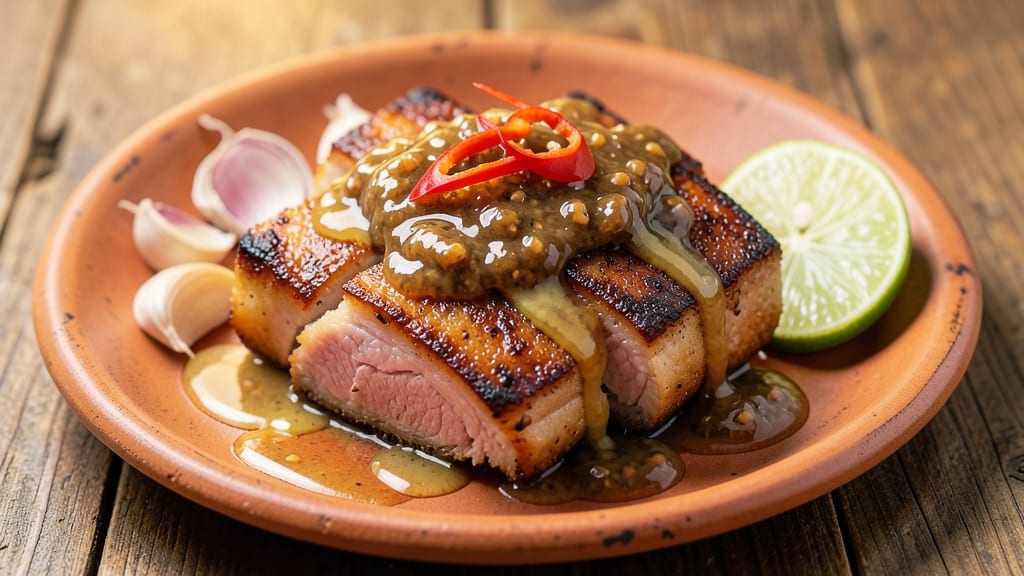
This bagoong pork recipe brings the bold, fermented shrimp flavor of Filipino dinuguan to your weeknight table—where rich, savory-sweet sauce meets tender pork in every bite. 🔥 I first encountered this dish in Manila, where it’s a late-night staple, and it’s since become my go-to for feeding a hungry crowd without fuss.
The secret lies in balancing the briny, funky bagoong with just enough sweetness to make it approachable for all palates.
The process is simpler than it sounds: pork belly or offal simmers in a pot with garlic, ginger, and vinegar until fork-tender, then absorbs the umami-packed bagoong sauce. No fancy techniques—just time and patience.
I’ve tested this recipe with both traditional pork belly and more accessible cuts, and both deliver that signature melt-in-your-mouth texture with a sauce so flavorful it’ll disappear faster than you can say kain na.
What you’ll end up with is a dish that’s equal parts comforting and exciting—golden pork pieces swimming in a glossy, tangy-sweet sauce that’s perfect over steamed rice. The aroma alone will have everyone gathering around the table, and the leftovers?
Even better the next day. This is the kind of meal that transforms a simple dinner into a celebration.
For those who love heat, a dash of chili flakes or siling labuyo (bird’s eye chili) can add a fiery kick, but the classic version speaks for itself. Let’s get cooking—your taste buds (and your dinner guests) will thank you.
Ingredients for bagoong pork
Pantry staples meet Filipino flavors—just six ingredients transform simple pork into unforgettable weeknight magic.
| Ingredient | Amount | Notes |
|---|---|---|
| Pork Belly 🐖 | 2 lb | Cut into 1-inch cubes, skin removed |
| Bagoong (Fermented Shrimp Paste) 🦐 | ½ cup | Filipino brand preferred, or substitute with shrimp paste |
| Garlic Cloves 🧄 | 8 cloves | Minced, for deep flavor |
| Fresh Ginger 🌿 | ½ cup | Finely grated, aromatic base |
| Coconut Milk 🥥 | 1 can | Full-fat, 13.5 oz can (13.5 oz) |
| Cane Vinegar 🍶 | ½ cup | Or substitute with white vinegar |
| Brown Sugar 🍚 | ¼ cup | Packed, for sweetness balance |
| Soy Sauce 🥢 | ¼ cup | Dark soy for richer color |
| Black Peppercorns 🌶️ | 1 tsp | Freshly cracked for heat |
| Bay Leaves 🌿 | 2 whole | For subtle earthy notes |
| Green Onions 🧅 | ¼ cup | Sliced, for garnish |
| Cooking Oil 🫒 | 2 tbsp | Neutral oil for frying |
| Siling Labuyo (Bird's Eye Chili) 🔥 | 1 piece | Optional, for heat lovers |
The bagoong is the star here. Filipino brands like La Victoria are ideal, but any fermented shrimp paste works—just taste first. Too funky? Mix with a pinch of sugar to balance. Pork belly delivers that signature melt-in-your-mouth texture, but pork shoulder works too if you're on a budget. Cubes should be 1-inch for even cooking. Fresh ginger matters—dried loses its zing. Asian markets usually have the best quality, but the grocery store works if it's labeled '100% pure'.
No bagoong? Shrimp paste with extra soy sauce gets you close. Vinegar substitute? Lemon juice at half the amount. Brown sugar too sweet? Coconut sugar or white sugar works better. The coconut milk can be light, but full-fat gives that luxurious texture. Trader Joe's has a great canned version if you're in a pinch. For heat, siling labuyo is non-negotiable—it's what gives the dish that signature kick. No fresh chili? Cayenne at half the amount works, but it won't be the same.
Pork cubes keep 3 days in the fridge, but cook within 2 days for best texture. The sauce thickens as it sits—add a splash of water if too thick. Leftovers reheat beautifully—just stir in a splash of water. Freezes for 3 months if you want to make ahead. I always double the batch because it disappears fast—portion into containers for easy lunches.
Why You'll Love This Recipe
- One-Pot Magic: I swear by this—just sear the pork belly, toss in the bagoong, garlic, and ginger, then let the coconut milk do the heavy lifting. No chopping, no fuss, and the flavors meld into something ridiculously good without extra effort.
- Umami Bomb: That first spoonful of bagoong? It’s like a salty, funky hug for your taste buds. The fermented shrimp paste cuts through the richness of the pork belly while the coconut milk keeps it creamy and satisfying—no blandness here.
- Leftover Goldmine: Between us, this dish begs for seconds, which means leftovers are a win. The flavors only deepen overnight, so reheating a portion for lunch? That’s just smart eating—no sad, dry meat here.
- Budget Meal for Crowds: Pork belly might sound fancy, but it’s actually affordable when you stretch it with coconut milk and bagoong. Feed four people for the price of takeout, and everyone will think you slaved over it (our little secret).
Step-by-step instructions for bagoong pork
This rich, savory pork belly dish comes together in one pot—perfect for busy weeknights.
🔥 Step 1: Sear the Pork Belly for Maximum Flavor
Heat the 2 tablespoons cooking oil in a large pot or Dutch oven over medium-high heat. Add the 2 lb pork belly cut into 1-inch cubes and sear for 4-5 minutes until the edges turn golden brown. You want that beautiful crust to lock in all the juices later.
Don't overcrowd the pot—work in batches if needed. Once the pork is browned on all sides, remove it and set aside. This initial searing builds deep flavor that the bagoong sauce will later enhance. The pork should release easily from the pot when ready to flip.
🍳 Step 2: Build the Bagoong Sauce Foundation
In the same pot, reduce heat to medium and add 0.5 cup bagoong (fermented shrimp paste). Let it sizzle for 1-2 minutes until fragrant—this is where the signature umami flavor develops. Add the 8 cloves minced garlic and 0.5 cup finely grated fresh ginger, cooking for 30 seconds until aromatic.
Here's the thing—bagoong has a strong aroma, so open windows or turn on ventilation. Add the 0.5 cup cane vinegar and 0.25 cup soy sauce, stirring to combine. The sauce should start to bubble and reduce slightly. This acidic base will tenderize the pork beautifully during cooking.
🥘 Step 3: Simmer with Coconut Milk and Aromatics
Return the seared pork to the pot. Pour in 1 can coconut milk, add 0.25 cup brown sugar, 1 teaspoon cracked black peppercorns, and 2 whole bay leaves. Bring to a gentle simmer, then reduce heat to low and cover partially. Let it cook for 1 hour, stirring occasionally, until the pork is fork-tender.
I like to check the pork after 45 minutes—it should pull apart easily when tested with a fork. If the sauce reduces too quickly, add 2-4 tablespoons water to maintain moisture. The coconut milk should create a creamy, velvety texture that balances the bagoong's intensity.
🔪 Step 4: Finish with Heat and Garnish
Remove the pork from the sauce and set aside. In the same pot, add the 1 piece siling labuyo (bird's eye chili) if using, and simmer for 1 minute to infuse heat. Return the pork to the pot and warm through for 2 minutes. The chili adds a bright, spicy finish that cuts through the richness.
Ladle the pork and sauce into serving bowls. Garnish with 0.25 cup sliced green onions for freshness and color. Serve immediately with steamed rice—each bite delivers tender pork in a complex sauce where sweet, salty, spicy, and umami flavors all come together.
Pro Tips For Making Bagoong Pork
- CRISP THE BELLY FIRST: I learned this the hard way—skipping the initial sear makes the pork belly turn greasy instead of crispy. Cook the pork belly skin-side down in a cold pan over medium-low heat for 8-10 minutes until the fat renders and the skin is golden but not browned. Then crank the heat to medium-high for the final 2-3 minutes to get that satisfying crunch.
- GRATE THE GINGER FINE: Sounds weird, but it works: using a microplane or fine grater for the ginger (instead of chopping) melts it into the sauce without chunks. The flavor blends smoother, and you’ll actually taste it—not just see it. (Yes, even if you’re impatient like me, take the 30 seconds.)
- DON’T BOIL THE COCONUT MILK: After burning three batches, I finally figured out that simmering coconut milk on high heat curdles it like a science experiment. Keep it at a gentle simmer—just enough to see tiny bubbles breaking the surface—and stir occasionally. If it starts to smell like burnt sugar, you’ve gone too far.
- SAVE THE BAGOONG WATER: This isn’t the prettiest method, but it’s the tastiest: when you mix the bagoong into the sauce, don’t discard the liquid that pools around it. That salty, umami-rich water is flavor gold—strain it into the pot and reduce it down with the rest. It makes the sauce richer without extra salt.
Wine and beer pairings for these flavors
Filipino White Wine
For a traditional pairing, reach for a crisp Filipino white wine like Petron White or Lambrusco. These wines complement the dish's funky bagoong flavor with their bright acidity and subtle sweetness.
The Petron's citrus notes cut through the richness, while Lambrusco adds a touch of effervescence that cleanses your palate between bites. 🍷
If you can't find Filipino wines, a dry Riesling from Germany or a Sauvignon Blanc from New Zealand works beautifully. Both wines share the same zesty, citrus-forward profile that balances the dish's umami depth.
I keep a bottle of Dr. Loosen Blue Slate Riesling in my fridge specifically for Filipino dishes—it's become a staple.
Light-Bodied Reds
A Pinot Noir from Oregon or Beaujolais from France offers a lighter red wine option that won't overpower the pork's delicate flavors. The Pinot Noir's red fruit notes harmonize with the dish's sweet-savory profile, while Beaujolais's earthy undertones complement the bagoong's funk. 🍇
For a local Southern option, try a Georgia Pinot Noir—it's become a hidden gem in the US. The lighter body won't compete with the pork's richness, and the acidity keeps the meal feeling fresh. I've found that Saperavi from Georgia also works surprisingly well, though it's a bit heavier.
Craft Beer Pairings
For beer lovers, a Filipino lager like San Miguel or Red Horse is perfect—their crisp, clean profiles let the dish's flavors shine. The San Miguel's subtle malt sweetness echoes the brown sugar in the sauce, while Red Horse's light body won't overwhelm. 🍺
If you prefer craft beers, try a Belgian Witbier like Hoegaarden or Stella Artois—the citrusy notes and slight spice complement the dish's complexity. For something bolder, a light American IPA with floral hops can add a refreshing contrast to the rich pork.
I always keep a New Belgium Fat Tire on hand for these occasions.
Non-Alcoholic Options
For non-drinkers, a Filipino calamansi soda made with fresh calamansi juice and sparkling water is refreshing. The tart citrus mirrors the dish's acidity while adding a bright finish. You can find calamansi at most Asian markets or make your own by mixing lime and orange juice. 🍋
Another great option is hibiscus iced tea—its tart, floral notes cleanse the palate between bites. I like to add a splash of pineapple juice for extra sweetness. For something warmer, a ginger tea with honey enhances the dish's aromatic qualities while providing a soothing contrast.
Nutrition facts
Frequently asked questions
Can I substitute pork belly with another cut?
Pork shoulder works beautifully—it stays tender and absorbs the bagoong sauce wonderfully. For budget-friendly options, try pork ribs or pork butt. Just cut them into 1-inch cubes and increase simmering time by 15-20 minutes to ensure tenderness. The key is to use a cut with enough fat to create that signature rich sauce.
What makes bagoong different from regular shrimp paste?
Bagoong is fermented, giving it that funky, umami depth shrimp paste can't match. The fermentation process (usually 3-6 months) develops complex flavors—salty, sweet, and slightly sour. For closest results, use Filipino bagoong (like La Victoria), but if unavailable, mix shrimp paste with 1 tsp fish sauce and a pinch of sugar to mimic the funk.
How do I adjust the heat level?
For milder heat, remove the siling labuyo entirely. For extra spice, add 2-3 more chili pieces or a dash of cayenne pepper. Pro tip: Toast the chili in oil for 30 seconds before adding to deepen its flavor. The sauce will naturally mellow as it sits, so adjust heat at the end if needed.
Can I make this in an Instant Pot?
Yes! Sear the pork first, then add all ingredients except coconut milk. Cook on high pressure for 20 minutes, then release pressure naturally. Stir in coconut milk and simmer for 5 minutes to blend flavors. The Instant Pot cuts cooking time by half while keeping the pork tender. Just watch the sauce—it reduces faster under pressure!
What's the best way to reheat leftovers?
Gently reheat on low heat with 2 tbsp water to prevent drying. Stir occasionally for 5-7 minutes until warmed through. For best texture, reheat only once—bagoong pork tastes even better the next day! Store in an airtight container for up to 3 days in the fridge.