
Main Courses
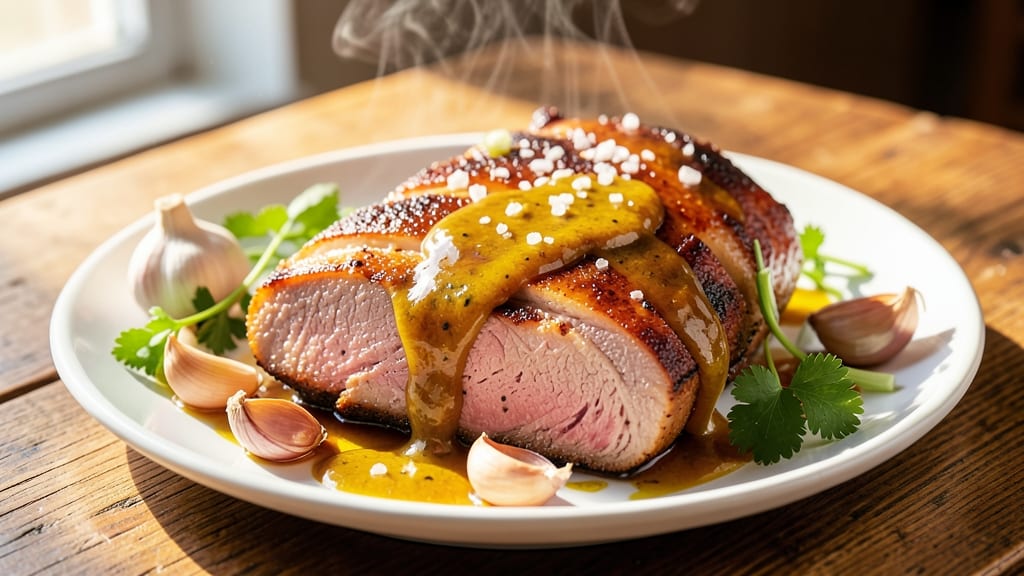
This Badia mojo pork recipe delivers the bold, citrusy flavors of Cuban cuisine with tender, fall-apart pork that shines at any gathering. 🌟 I first tasted this dish in Havana during a late-night street food crawl, where the combination of garlic, citrus, and spices transformed simple pork into something unforgettable.
The mojo marinade isn't just flavor—it's the heart of this recipe, tenderizing the meat while building layers of tangy, aromatic depth that'll have everyone asking for seconds.
The beauty of this recipe lies in its versatility—whether you're grilling, roasting, or slow-cooking, the mojo marinade ensures restaurant-quality results with minimal effort. I've perfected this method over years of cooking for crowds, and the secret lies in balancing the acidity of the citrus with sweetness and heat.
The pork develops a caramelized crust when cooked properly, while staying juicy and tender inside, making it a crowd-pleaser that works for everything from casual weeknight dinners to festive gatherings.
What makes this dish truly special is how the flavors evolve as it cooks. The initial brightness of the citrus mellows into a complex, savory profile that's both comforting and exciting.
The mojo marinade doesn't just flavor the pork—it transforms it, creating a dish that's as satisfying as it is flavorful. Serve it with black beans, rice, and a simple salad for a complete meal that feels like a taste of Cuba right in your own kitchen.
This recipe has become a staple in my cooking repertoire, especially when I'm craving something with bold, vibrant flavors that still feels comforting. The mojo marinade keeps well in the fridge, so you can prepare it ahead and let the flavors develop even more over time.
Whether you're cooking for family or hosting a dinner party, this Badia mojo pork will be the star of the show—easy to prepare but impossible to forget.
Ingredients for badia mojo pork
Pantry staples meet bold Cuban flavors in this unforgettable mojo marinade.
| Ingredient | Amount | Notes |
|---|---|---|
| Pork Shoulder 🐷 | 3 lb | Bone-in for best flavor |
| Orange Juice 🍊 | 1 ½ cups | Freshly squeezed preferred |
| Lime Juice 🍋 | ½ cup | Freshly squeezed, not bottled |
| Garlic Cloves 🧄 | 8 cloves | Peeled and smashed |
| White Vinegar 💧 | ½ cup | For tangy depth |
| Olive Oil 🫒 | ½ cup | Extra-virgin for richness |
| Brown Sugar 🍚 | ½ cup | Light or dark works |
| Ground Cumin 🌿 | 1 tbsp | Toasted for deeper flavor |
| Ground Oregano 🍃 | 1 tbsp | Dried, not fresh |
| Ground Black Pepper 🌶️ | 1 tbsp | Freshly ground preferred |
| Salt 🧂 | 2 tbsp | Kosher or sea salt |
| Bay Leaves 🌿 | 2 whole | For aromatic depth |
| Cumin Seeds 🌿 | 1 tbsp | Optional for extra texture |
The pork shoulder is non-negotiable here—bone-in gives the most flavor, and you'll find it at Costco or any butcher shop. Look for good marbling, not lean cuts. For the citrus, freshly squeezed orange juice makes all the difference—bottled juice lacks that bright, tangy punch. Lime juice should be freshly squeezed too; those little bottles of lime juice from the store taste like nothing. If you're making this ahead, the marinade keeps for 3 days in the fridge, so prep it the night before. The garlic? Smash it with the side of your knife—that releases more flavor than mincing.
No fresh oranges? Grapefruit juice works in a pinch, but it'll be less sweet. Short on lime juice? Key lime juice is ideal, but regular lime juice at half the amount gets you close. The brown sugar is key for balancing the acidity—don't skip it. Want more heat? Add a pinch of cayenne or a sliced jalapeño to the marinade. The cumin seeds are optional but add a nice texture contrast. If you're using them, toast them in a dry pan for 30 seconds first—they'll smell amazing. For the oregano, Mexican oregano has a different flavor profile, but regular dried oregano works fine if that's what you've got.
This marinade is a game-changer—it's not just for pork. Chicken thighs, shrimp, or even tofu soak up these flavors beautifully. The pork itself? Cook it low and slow—3-4 hours at 300°F in the oven or until it shreds easily. Store leftovers in the fridge for 4-5 days or freeze for 3 months. I always make double batches—one for the meal, one to freeze for lazy nights. The flavors actually get better the next day as everything melds together. Trust me on this one.
Why You'll Love This Recipe
- One-Pan Magic: I swear by this recipe when I’m too tired to wash dishes. Toss the pork shoulder in a roasting pan with the citrus and vinegar, pop it in the oven, and walk away—no flipping, no fussing, just hands-off perfection.
- Tangy, Smoky, Irresistible: That bright orange-lime punch cuts through the richness of the pork, while the vinegar and garlic add a deep, caramelized crust. It’s the kind of dish where the first bite makes you go, “Why haven’t I made this sooner?”
- Leftovers That Shine: The flavors actually get better the next day—yes, really. Shred it for tacos, sandwiches, or even a quick stir-fry. I keep a batch in the fridge for lazy lunches, and no one ever complains.
- Budget-Friendly Protein: Pork shoulder is cheap, and this recipe stretches it far. A single cut feeds four for dinner and leaves enough for leftovers—no wasted money, just maximum flavor for minimal cost. Plus, the citrus brightens up the whole meal.
Step-by-step instructions for Cuban-style shredded pork
Here's how to make Badia mojo pork that's fall-apart tender with bright citrus flavors.
🔥 Step 1: Sear the Pork Shoulder for Deep Flavor
Pat the 3 lb pork shoulder completely dry with paper towels—this is non-negotiable for crispy skin. Heat 0.25 cup olive oil in a large Dutch oven over medium-high heat until shimmering. Add the pork and sear on all sides for 4-5 minutes per side until deeply browned.
Don't rush this step—the Maillard reaction happening here builds the foundation for that smoky, caramelized crust. I like to press down gently on the pork during the first minute to prevent curling. Once browned, remove the pork and set it aside on a plate.
👨🍳 Step 2: Build the Mojo Marinade
In the same Dutch oven (no need to clean it—those browned bits are flavor gold), add the 8 cloves garlic cloves and toast them for 30 seconds until fragrant. Immediately add the remaining 0.25 cup olive oil, 0.5 cup white vinegar, 1.5 cups orange juice, 0.5 cup lime juice, 0.5 cup brown sugar, 2 tbsp salt, 1 tbsp ground cumin, 1 tbsp ground oregano, 1 tbsp ground black pepper, 2 whole bay leaves, and 1 tbsp cumin seeds.
Stir everything together and bring to a gentle simmer for 5 minutes until the sugar dissolves and the mixture reduces slightly. The marinade should smell like a Cuban vacation—bright citrus, warm spices, and that tangy vinegar kick. This is where the magic happens, so don't skip the simmering.
🥘 Step 3: Braise Until Fork-Tender
Return the seared pork to the Dutch oven and pour the marinade over it completely. The liquid should come about halfway up the sides of the pork. Bring everything to a boil, then immediately reduce heat to low and cover tightly with a lid.
Now comes the waiting game—braise for 2.5-3 hours until the pork is fork-tender. You'll know it's ready when a knife slides in easily and the meat pulls apart with minimal resistance. I check at the 2-hour mark and adjust the heat if needed to maintain a gentle simmer. The lid should stay on the whole time—steam is our friend here.
⏰ Step 4: Shred and Finish with Citrus Zing
Once the pork is tender, remove it from the pot and place it on a cutting board. Let it rest for 10 minutes while you reduce the braising liquid. Strain the liquid through a fine-mesh sieve into a saucepan and simmer uncovered over medium heat for 8-10 minutes until it thickens slightly and coats the back of a spoon.
Shred the pork using two forks, pulling it apart against the grain. Return the shredded pork to the reduced sauce and toss to coat completely. The final result should be moist, flavorful shreds with that signature tangy-sweet mojo sauce clinging to every bite. Serve immediately over rice or tostones for the full Cuban experience.
Pro Tips For Making Badia Mojo Pork
- Brown the Pork First: Don’t skip the sear—get that pork shoulder screaming hot in a dry skillet for 5-7 minutes per side before adding liquid. I learned this the hard way: pale, soggy pork means flavorless mojo. The crust locks in juices and builds depth that vinegar and citrus can’t replicate alone.
- Use Fresh Citrus: Store-bought orange and lime juice is fine, but fresh is non-negotiable for this dish. The pulp and oils from hand-squeezed juice add texture and richness—skip the bottled stuff unless you’re in a pinch. (Yes, even if you’re impatient like me.)
- Simmer, Don’t Boil: Keep the heat low enough that you’re barely seeing bubbles—gentle simmering prevents the vinegar from turning the mojo into a harsh, acidic sludge. After burning three batches, I finally figured out: patience here means better flavor later.
- Strain the Garlic: Mince the garlic fine, then strain it through a sieve before adding it to the pot. Sounds weird, but it works: no bitter almond notes from overcooked garlic, just smooth, mellow flavor. (Your future self will thank you.)
Storing and reheating your leftovers
Fridge Storage Tips
Your mojo pork keeps beautifully in the fridge for 4-5 days when stored properly. Transfer the shredded pork to an airtight container with some of the mojo sauce—this prevents drying out. I like using glass containers because they don't absorb flavors like plastic.
Store the sauce separately if you plan to reheat it differently. The acidity in the mojo actually helps preserve the meat's tenderness longer than most pork dishes. 💪
Freezer-Friendly Method
For longer storage, freeze the pork in quart-sized freezer bags with 1 inch of headspace to prevent freezer burn. Lay the bags flat in your freezer—they'll stack neatly and thaw faster. The mojo sauce freezes well too, but separate it from the pork to avoid soggy textures when reheating.
Label everything with the date, as this dish tastes best within 3 months of freezing. I've found that freezing the pork with just a thin layer of sauce works best for texture.
Stovetop Reheating
My preferred method is stovetop reheating because it restores the best texture. Place the pork in a skillet with 2 tablespoons of its mojo sauce and heat over medium-low heat for 8-10 minutes, stirring occasionally. The sauce will help keep the pork moist while warming through.
If it looks dry, add 1-2 tablespoons of water or broth to maintain juiciness. This method takes about 10 minutes total and preserves all those bright citrus flavors. 🔥
Oven Refresh Method
For a hands-off approach, preheat your oven to 300°F and transfer the pork to an oven-safe dish with a splash of mojo sauce. Cover loosely with foil and bake for 15-20 minutes, stirring halfway through. The oven method works well for larger batches and keeps everything warm for serving. I often use this when reheating for a crowd—just
Microwave Shortcut
When you're in a hurry, microwave reheating works in a pinch. Place the pork in a microwave-safe dish with 1 tablespoon of sauce and cover with a damp paper towel. Heat on 50% power for 2-3 minutes, then stir and continue in 30-second intervals until reaching 165°F internal temperature. The damp towel prevents drying, and the lower power setting helps maintain some moisture. This method takes about 4-5 minutes total—perfect for quick lunches. ✨
Sauce Revival Trick
If your mojo sauce looks reduced or separated after storage, don't toss it! Simmer it in a small saucepan over medium heat for 5-7 minutes until it thickens again. Add 1 tablespoon of water or orange juice if needed to restore balance.
I've revived even the most separated sauces this way—it's like giving your mojo a second life. The key is patience; don't rush the reduction or you'll end up with a sticky mess instead of a glossy sauce. 💡
Nutrition facts
Frequently asked questions
Can I use this mojo marinade for other proteins besides pork?
The badia mojo marinade works beautifully with chicken thighs, shrimp, or even tofu for a vegetarian version. For chicken, marinate for 4-6 hours before grilling or baking. With shrimp, use it as a marinade for 30-60 minutes before cooking—just be mindful of the acidity and don't over-marinate delicate seafood. The citrus and spices transform any protein into something vibrant and full of character.
How long should I marinate the pork for maximum flavor?
For best results, let the pork marinate in the mojo sauce for at least 4 hours (overnight is ideal). The acidity in the citrus and vinegar needs time to tenderize the meat while the spices infuse deeply. If you're short on time, 2 hours minimum will still give you great flavor, but the texture won't be as tender. Pro tip: If marinating overnight, refrigerate the pork in the marinade—never leave it at room temperature.
What's the best way to adjust the heat level in this recipe?
If you prefer more heat, add ½ teaspoon of cayenne pepper or 1 sliced jalapeño to the marinade. For a milder version, reduce the black pepper to ½ teaspoon or omit the cumin seeds. The brown sugar already balances the acidity, so don't adjust it unless you're using a very sweet sugar. Remember, the citrus provides natural brightness, so extra heat needs to be balanced carefully to avoid overpowering the dish.
Why did my pork turn out dry after cooking?
Dry pork usually happens from one of two issues: either the meat wasn't rested after cooking or it was cooked too quickly at high heat. Always let the pork rest for 10 minutes after braising before shredding. Also, maintain a gentle simmer (low heat) during the 2.5-3 hour cooking time—this keeps the meat moist. The mojo marinade should cover the pork halfway up its sides to prevent drying. If it's too shallow, add a splash of water or broth during cooking.
What are the best side dishes to serve with badia mojo pork?
For an authentic Cuban meal, pair this with white rice, black beans, and tostones (fried green plantains). Other great options include yuca fries, avocado salad, or plantain chips. The bright acidity of the mojo pairs perfectly with starchy sides, while the spices complement grilled vegetables like bell peppers or zucchini. For a lighter option, a simple mango avocado salsa adds freshness that cuts through the richness.