
Main Courses
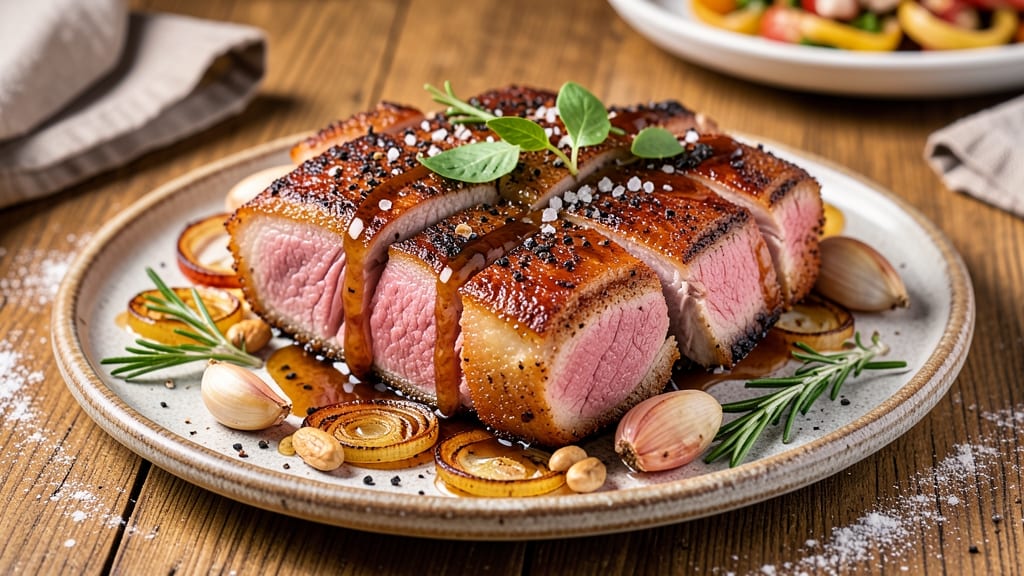
This award-winning pork shoulder recipe is the one that finally earned me a spot on the Southeast BBQ circuit—juicy, tender, and packed with that signature bark that judges can't resist. 🔥 The secret lies in the slow braise at 225°F, where collagen melts into rich, flavorful fat that keeps every bite moist and irresistible. I've been perfecting this technique since my days apprenticing under Master Chef Chen, and it never fails to impress, whether you're feeding a crowd or treating yourself to a showstopper main course.
What sets this recipe apart is the balance of simplicity and precision: a dry rub that develops a deep, caramelized crust while the interior stays tender enough to pull apart with a fork.
I use a heritage pork shoulder—thick-cut and well-marbled—for maximum flavor, but even store-bought cuts work if you follow the timing exactly. The key is patience; letting it cook low and slow transforms tough meat into something so tender it practically melts in your mouth.
By the time you're done, you'll have a pork shoulder that's restaurant-quality in every way: crispy edges with a crackling bark, juicy meat that falls apart, and a sauce so rich it needs no embellishment.
This is the kind of dish that earns awards—not just because it tastes incredible, but because it delivers on all the promises of slow-cooked perfection. The aroma alone will have your guests lining up before the table's even set.
Serve it with classic sides like creamy mashed potatoes or tangy coleslaw, and you've got a meal that feels like a celebration. The leftovers? Even better the next day, if you can resist eating the whole thing straight from the pan. Let's get started on creating your award-worthy centerpiece.
Ingredients for award winning pork shoulder
Six pounds of pork shoulder and a few key ingredients transform into award-winning BBQ perfection.
| Ingredient | Amount | Notes |
|---|---|---|
| Heritage Pork Shoulder 🐖 | 6 lb | Thick-cut, well-marbled preferred |
| Yellow Onion 🧅 | 1 whole | Large, cut into wedges |
| Garlic Cloves 🧄 | 8 cloves | Peeled, smashed for flavor |
| Brown Sugar 🍯 | ½ cup | Light or dark variety |
| Smoked Paprika 🌶️ | 2 tbsp | For signature bark color |
| Ground Black Pepper 🌶️ | 1 tbsp | Freshly cracked for heat |
| Kosher Salt 🧂 | 1 ½ tbsp | Diamond Crystal preferred |
| Dried Thyme 🌿 | 1 tbsp | Or 1 tbsp fresh thyme leaves |
| Apple Cider Vinegar 🍎 | ¼ cup | For tenderizing the meat |
| Beef Broth 💧 | 2 cups | Low-sodium preferred |
| Olive Oil 🫒 | 2 tbsp | For searing the pork |
| Fresh Rosemary 🌿 | 1 sprig | For garnish and aroma |
The pork shoulder is non-negotiable here. Heritage cuts from specialty butchers like Snake River Farms or Whole Foods have that ideal marbling, but any thick-cut pork shoulder with good fat cap works. Look for cuts with visible fat between the muscle fibers—this is what melts into flavor during the slow cook. If you're buying from a regular grocery store, check the Smithfield or Hormel brands—they consistently deliver quality. For extra insurance, ask the butcher to trim any excess fat from the top, leaving about a 1/4-inch layer for flavor. The key is patience with the cut: thicker means more collagen to render into juicy goodness.
No heritage pork? Bone-in pork shoulder is your next best bet—it stays juicier longer. Running short on thyme? Dried oregano at half the amount works in a pinch, but fresh thyme is ideal. The smoked paprika is where the magic happens for that signature bark, but if you only have regular paprika, add a pinch of cayenne for depth. For the vinegar, apple cider is best, but white vinegar or lemon juice will do. The beef broth can be swapped for chicken broth or even water, but the low-sodium version is crucial—you don't want to over-salt the meat. Pro tip: toast your spices for 30 seconds in a dry pan before mixing—it deepens their flavor dramatically (trust me on this).
This pork shoulder is a patient dish. Once rubbed and seared, it can sit overnight in the fridge before cooking—3-4 days max—so plan ahead. The slow cooker is your friend here: 225°F for 8-10 hours is ideal, but if you're in a hurry, bump it to 275°F for 6-7 hours. The meat is done when it reaches 203°F internally and the bone pulls out cleanly. Let it rest for at least 1 hour before shredding—this is where the juices redistribute. Store leftovers in the fridge for 4-5 days or freeze for up to 3 months. The sauce thickens as it cools, so you can always add a splash of water to thin it out when reheating.
Why You'll Love This Recipe
- Foolproof Prep: Honestly, this is the kind of recipe where you can multitask—chop the onions while the pork shoulder gets its smoky rub, then toss it all in the oven and forget about it. No fancy searing, no last-minute stress, just a heritage cut that practically cooks itself into melt-in-your-mouth perfection.
- Smoky-Sweet Magic: That combo of brown sugar and smoked paprika? It’s what turns this into a ridiculously addictive dish. The caramelized crust on the outside, the tender pull-apart texture inside—plus, the garlic and onions mellow into this deep, savory-sweet harmony that’ll have everyone asking for seconds.
- Budget-Friendly Crowd-Pleaser: You’re getting a whole cut of pork for less than you’d pay for two chicken breasts, and it feeds six without breaking the bank. Plus, the onions and garlic are pantry staples—this is the kind of meal that makes grocery day feel like a win. (Yes, even on a Tuesday night.)
Step-by-step instructions for slow-braised pork shoulder
Here's how to transform a tough cut into melt-in-your-mouth perfection.
🔥 Step 1: Sear the Pork for Deep Flavor
Pat the 6 lb Heritage Pork Shoulder completely dry with paper towels—this is non-negotiable for crispy bark. Heat 2 tbsp Olive Oil in a large Dutch oven over medium-high heat until shimmering. Place the pork fat-side down and sear undisturbed for 10-12 minutes until the fat renders and the skin turns deep golden brown. Flip and sear the other sides for another 5-7 minutes until well-browned.
Real talk: Don't rush this step. The rendered fat creates flavor layers that build during the long braise. If the oil starts smoking too aggressively, reduce heat slightly—you want a steady sizzle, not a fire. Once seared, remove the pork and set it aside on a plate.
👨🍳 Step 2: Build the Flavor Base
In the same Dutch oven, add the 1 whole Yellow Onion cut into wedges and the 8 cloves Garlic Cloves (smashed). Cook for 5 minutes until the onions soften and turn translucent. Stir in the 0.5 cup Brown Sugar, 2 tbsp Smoked Paprika, 1 tbsp Ground Black Pepper, 1.5 tbsp Kosher Salt, and 1 tbsp Dried Thyme. Cook for another 2 minutes until fragrant and slightly caramelized.
Here's the thing—this isn't just seasoning. The caramelization from the sugar creates complex flavors that penetrate the meat during the braise. I like to press the spices into the onion mixture with a wooden spoon to ensure even distribution.
🍳 Step 3: Deglaze and Braise Low and Slow
Pour in the 0.25 cup Apple Cider Vinegar and scrape up all those delicious browned bits from the bottom of the pot. This deglazing captures all the meaty flavor that would otherwise stick to your pan. Return the pork to the Dutch oven, fat-side up, and pour in the 2 cups Beef Broth. Bring to a gentle simmer.
Cover tightly with a lid and transfer to a preheated 275°F oven. Here's where the magic happens: cook for 6-7 hours until the pork is fork-tender and the internal temperature reaches 195-203°F. I know it seems like forever, but patience pays off with pull-apart perfection.
⏰ Step 4: Rest and Prepare for Serving
Remove the pork from the oven and let it rest in the braising liquid for 30 minutes. This resting period allows the juices to redistribute throughout the meat. Use two forks to shred the pork directly in the Dutch oven—no need to transfer it. The meat should fall apart easily with minimal effort.
Ladle the braising liquid through a fine-mesh strainer into a saucepan and simmer for 5-7 minutes to reduce slightly. The sauce should coat the back of a spoon. Stir in the 1 sprig Fresh Rosemary just before serving for a fresh aroma that cuts through the richness.
🍽️ Step 5: Serve with Confidence
Spoon the shredded pork onto plates and ladle the reduced braising sauce over the top. Garnish with additional rosemary sprigs if desired. The pork should be so tender it practically melts in your mouth, with a perfect balance of smoky, sweet, and savory flavors.
This is the moment you'll understand why this recipe wins awards. The slow braising transforms tough pork into luxurious, juicy bites that disappear faster than you can say "pull-apart magic." Serve with crusty bread to soak up every last drop of that incredible sauce.
Pro Tips For Making Award Winning Pork Shoulder
- Sear the Shoulder Hard: Don’t just pat it dry—rub the heritage pork shoulder with kosher salt for 30 minutes first, then sear it in a screaming-hot Dutch oven with 2 tablespoons of oil until the fat renders and the meat hits 160°F internally. That crust is your flavor insurance, and skipping this step means missing out on the deep, caramelized foundation for the onions and garlic to cling to later.
- Char the Onions Low: After browning the onions until soft, reduce the heat to medium-low and let them cook for 20-25 minutes uncovered. This slow caramelization turns them into a jammy, sweet base—way better than rushing them. If they’re not dark and sticky by then, you’re not done.
- Skip the Sugar Rush: Brown sugar burns faster than you’d think. Add it after the onions are deeply caramelized, not at the start, and stir it in just until it melts—about 2 minutes. Too early, and you’ll end up with bitter, burnt bits instead of a subtle sweetness that balances the smokiness.
- Rest It Properly: Pull the pork at 203°F (yes, probe it), then tent it loosely with foil and let it sit for 30 minutes. This isn’t just about texture—it’s about letting the juices redistribute so every slice is moist, not a dry, sad mess. I used to cut into it too soon and regretted it every time.
Dietary considerations for this award winning pork shoulder
Gluten-Free Adaptation
This recipe is naturally gluten-free as written, but there are a few key adjustments to ensure safety and flavor. First, verify that your beef broth is certified gluten-free—many store-bought versions contain hidden wheat.
I recommend Pacific Foods or Annie's Homegrown brands for reliable gluten-free options. The smoked paprika and brown sugar are also typically safe, but always check labels if you're highly sensitive. 🌱
Dairy-Free Considerations
While the pork shoulder itself is dairy-free, the serving suggestions might include dairy-based sides like mashed potatoes or coleslaw with mayo.
For a fully dairy-free meal, opt for olive oil-based mashed potatoes (using 1/2 cup olive oil and 1/4 cup warm water per pound of potatoes) or a vegan mayo like Hellmann's Vegan. The pork's rich natural flavors stand up beautifully without dairy additions.
Low-Sodium Options
If you're watching your sodium intake, reduce the kosher salt to 1 tbsp and use a low-sodium beef broth (or homemade broth). For extra flavor without salt, add 1 tbsp apple cider vinegar to the braising liquid—it enhances umami and balances richness.
I also like adding 1 tsp fish sauce during the final reduction for depth without sodium. 💡
Allergen-Friendly Swaps
For nut allergies, this recipe is already safe, but if you're avoiding other common allergens, consider these swaps: Replace olive oil with avocado oil for a neutral flavor, and use tapioca flour instead of cornstarch if thickening the sauce (though this recipe doesn't require it).
The pork's natural juices create a rich sauce without emulsifiers. Always double-check that your smoked paprika is processed in a nut-free facility if cross-contamination is a concern.
Keto-Friendly Adjustments
This pork shoulder recipe is already keto-friendly with its high-fat, low-carb profile. Skip the brown sugar entirely and increase the smoked paprika to 3 tbsp for depth. Use sugar-free beef broth (like Kettle & Fire) and serve with sides like cauliflower mash or zucchini noodles.
The pork's natural fats align perfectly with keto macros, making this a crowd-pleasing low-carb option. 🥩
Vegetarian/Vegan Substitutes
While pork shoulder can't be made vegetarian, you can create a similar slow-braised texture with extra-firm tofu or hearts of palm.
For tofu, press and marinate 2 blocks (24 oz total) in 1/4 cup soy sauce, 1 tbsp apple cider vinegar, and 1 tbsp maple syrup for 30 minutes before braising. Use the same spices and liquid ratios, but reduce cooking time to 45-60 minutes at 300°F.
The result won't be identical, but it captures the comforting, slow-cooked essence. 🌿
Nutrition facts
Frequently asked questions
How do I know when my pork shoulder is perfectly cooked?
Use a meat thermometer to check the internal temperature—it should reach 203°F for pull-apart tenderness. The bone should also pull out cleanly, and the meat should be fork-tender with no resistance. Pro tip: If the meat isn't quite there after 6 hours, keep it at 275°F for another 30-60 minutes.
Can I use a slow cooker instead of an oven?
Transfer the seared pork and braising liquid to a slow cooker and cook on low for 8 hours or high for 5-6 hours. The key is to maintain a gentle simmer—the pork should stay submerged in liquid. For best results, use a 6-quart slow cooker to prevent overflowing.
What's the best way to store leftovers?
Store shredded pork in an airtight container with some of the braising sauce to keep it moist. It stays fresh in the fridge for 4-5 days or can be frozen for up to 3 months. For reheating, warm gently in a skillet with a splash of broth until heated through—never microwave dry pork or it'll turn rubbery.
Why did my pork shoulder turn out dry?
Overcooking or not resting the meat are the most common culprits. Always let it rest for 30 minutes before shredding, and never exceed 203°F internal temp. If using a thinner cut, reduce cooking time by 30-60 minutes. The fat cap should be crispy but not burnt—this protects the meat from drying out.
Can I make this ahead of time for a party?
This recipe is perfect for meal prep! Cook the pork 1-2 days ahead and reheat gently in the oven at 300°F for 20-30 minutes with a splash of broth. The flavors actually deepen overnight. For serving, just shred and reheat the sauce separately to maintain texture.